




What is a Heat Wave? Tips to Stay Safe During Extreme Heat Events


As global temperatures continue to rise, heat waves are becoming more frequent and intense. So, what is a heat wave, and why does it matter? In this comprehensive guide, we will explore the science behind these extreme events, their harmful effect of heat, and practical heat safety tips to protect your family.
What is the definition of a heat wave?
As global temperatures continue to rise, severe weather events are becoming more frequent and intense. So, what is a heat wave, and why does it matter? In this comprehensive guide, we will explore...
What is a Heat Wave?
A heatwave, sometimes called extreme heat, is a period of exceptionally hot weather that typically lasts anywhere from a few days to several weeks.
It can continue anywhere from a few days to months and occurs when the maximum and minimum temperatures are extremely high for the region.
The lowest nighttime temperature is actually just as significant as the daytime peak. Colder nights enable the human body to recuperate.
If the nights remain stiflingly hot, higher temperatures are achieved much earlier the following day and persist longer, compounding the health risks.

What is heat wave condition?
To be called a heat wave, temperatures must be higher than the historical averages for a certain location.
For instance, a couple of 95-degree summer days in Maine may be deemed a heat wave. Yet, if it is in Death Valley, this condition would be very typical.
Heat Wave vs. Heat Dome: What is the Difference?
Many people easily confuse these two meteorological terms. To put it simply, a heat wave is the actual weather condition we experience on the ground, while a heat dome is the atmospheric phenomenon that creates it.
You can dive much deeper into the underlying science and atmospheric pressure systems by reading our dedicated article “What is a heat dome?”
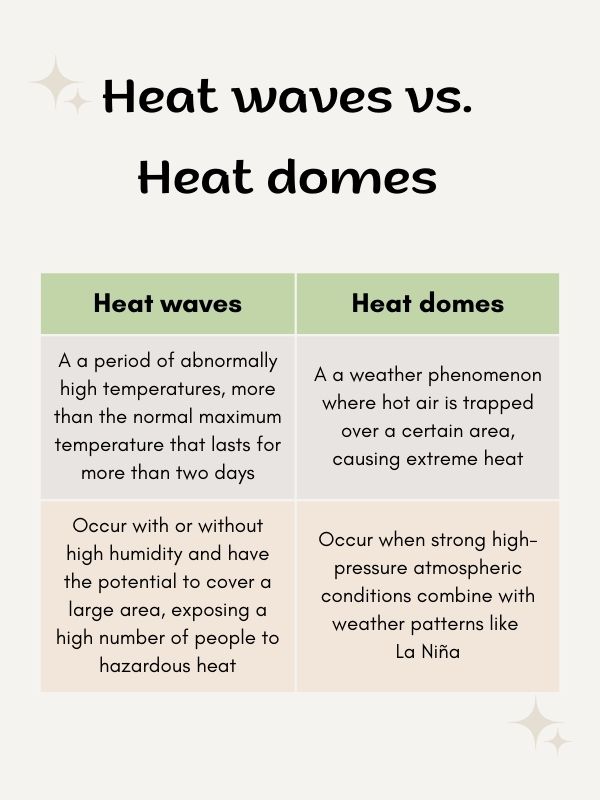
What is a heat dome vs heat wave?
Extreme heat warning vs heat health alert vs heatwave
It is essential to understand the difference between an extreme heat warning, a heat health alert, and a heatwave because each signals a different level of risk and requires specific safety measures.
Recognizing these distinctions helps individuals, communities, and healthcare systems respond more effectively to rising temperatures and protect vulnerable populations.
| Alert Type | Definition | Public Action Required |
| Extreme heat warning | An impact-based warning system intended to emphasize the possible severe consequences of heat. | Take immediate action to protect lives and property. |
| Heat health alert | A notification sent when high temperatures are expected to pose an immediate health danger. | Focus heavily on vulnerable individuals and public safety. |
| Heat wave | A meteorological definition based on thresholds, aiming to provide consistent messaging to the public. | Stay informed and prepare cooling strategies. |
Stay Ahead of the Weather: Temperature thresholds can change rapidly during severe events. Before planning your day, make sure to check our real-time Live Weather Index Dashboard to monitor current heat levels, humidity, and active alerts in your area.
Are Heatwaves Linked to Climate Change?
Although heatwaves are a severe weather condition, research indicates that climate change is increasing their likelihood.
According to the IPCC report, climate change is causing heatwaves to last longer, be more intense, and occur more frequently. Burning fossil fuels emits greenhouse gases like carbon dioxide, which trap more heat in the atmosphere.
[Burning Fossil Fuels] ➔ [Greenhouse Gases] ➔ [Trapped Atmosphere Heat] ➔ [Worsened Heatwaves]
The more emissions created, the more heat is retained, resulting in increased global warming and catastrophic weather occurrences.
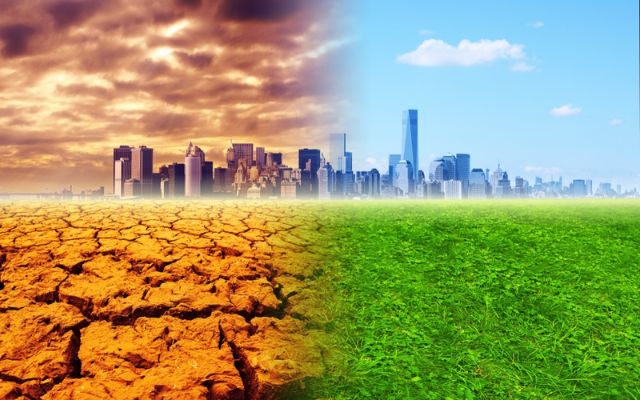
Climate change worsens heat waves
Furthermore, of the 152 extreme-weather attribution studies conducted by experts worldwide over the last two decades, 93% determined that climate change increased the severity of extreme heat.
In fact, experts note that climate change made the historic June 2024 heatwave in the United States, Mexico, and Central America 35 times more likely, raising the regional temperature by an extra 1.4°C.
What Causes the Heat Wave?
Heatwaves are largely formed by high-pressure systems trapping warm air in one region, preventing it from dispersing.
These high-pressure systems, also called anticyclones, develop a dome of heat by pushing air to sink and compress, raising surface temperatures.

How a heat wave forms
In addition, the lack of cloud cover under these high-pressure systems enables more solar radiation, which heats the ground and the air above it.
This combination of elements can lead to extended periods of extremely high temperatures, which can last many days or weeks.
If you want to better understand how solar radiation is measured during these peaks, check out our guide on What is the UV index and learn why is the uv index so high during peak summer months.
How Do Heat Waves Impact the US and the World?
Heat waves are the hidden killers. Its consequences might be unexpected and life-threatening.
According to the World Health Organization, heat waves are among the most deadly natural hazards; nonetheless, they receive little attention since their death tolls and devastation are not usually evident.
Every year, about 500,000 people die from heat-related causes.

Is a heat wave dangerous?
Climate change has a greater influence on certain places of the world than others.
For instance, Africa's Sahel witnesses temperatures rising 1.5 times faster than the rest of the world, leading to extreme agricultural droughts. These severe weather patterns force nations to seek long-term solutions to water scarcity.
In the Central Sahel (Mali, Burkina Faso, and Niger), 7.5 million people suffer from malnutrition and extreme food insecurity, 2.1 million higher than the previous year.
In the US, heat waves have swept throughout the country, from California to New York, affecting more than 100 million people. Since 1979, almost 14,000 people in the US have died as a result of heat exposure.
The crisis is felt most acutely within the hottest cities in the us, where concrete and asphalt create an "urban heat island" effect.
How to Stay Safe During a Heat Wave?
Heat waves may harm everyone, especially those over the age of 65, newborns and young children, pregnant women, those with acute or chronic health issues, and socially isolated people.
Therefore, it is crucial to take some heat safety tips to protect yourself. Below are some pieces of advice:
Use air conditioning if possible
Drink plenty of fluids throughout the day. It is vital to know exactly what to drink in a heatwave —prioritize pure water and electrolytes while avoiding dehydrating beverages like caffeine or alcohol.

Stay hydrated
Wear loose-fitting and light clothing
Eat light, easy-to-digest foods
Take a cool bath or shower
Avoid direct sun exposure.
Monitor Sun Exposure: Limit direct sunlight during peak hours. If you must go outside, be aware of skin safety—for example, it helps to understand factors like Difference between UVA and UVB rays and exactly How long does it take to tan in UV 7 to avoid severe cellular damage.
For a deeper dive into protecting your household and cooling your living spaces without power-heavy appliances, explore our complete list of hot weather safety tips.
Conclusion
Understanding “what is a heat wave” helps you stay prepared and safe during extreme heat. As these events become more frequent, recognizing the signs and taking action can protect your health and well-being. Take heat advisories immediately to stay safe! For more weather updates, climate insights, and survival guides, feel free to explore our weather365.com
Extreme heat events are becoming longer and more intense every year. In this section, we cover everything you need to know to adapt. Start with our core pillar guide: What is a heat wave? to understand how they form, and then explore our specialized sub-topics below on safety, hydration, and UV radiation protection."
Frequently Asked Questions (FAQs)
Related post
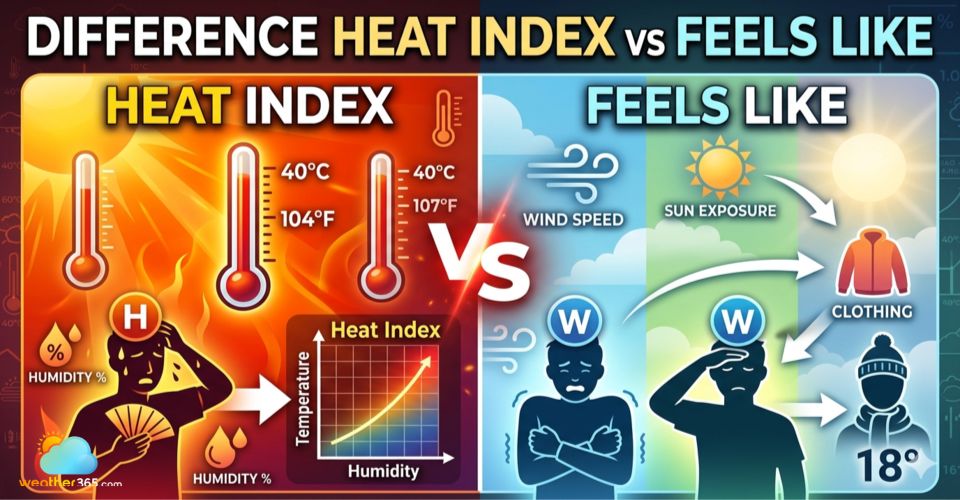
Heat Index Vs Feels Like: The Ultimate Guide To How They Differ
 1085
1085
 0
0
 5.0
5.0
 18/08/2026

What is a Heat Dome? What Can We Do to Deal With a Heat Dome?
127
16
4.8
20/05/2026

Essential Heat Safety Tips to Stay Cool and Safe in Extreme Heat
110
8
4.7
26/08/2026

10 Comment
Alexander Lewis
Okay, now I understand why they keep telling people to stay hydrated during these events.
Riley Larson
A few days of extreme heat doesn't sound that bad until you're actually living through it.
Angelina Lindsey
I usually just check the temperature and move on. Guess I should be paying more attention to heat alerts.
Ruth Nelson
Makes sense why 90°F can feel completely different depending on where you live
Caleb Houston
Does humidity make a heat wave more dangerous?
Gabrielle Floyd
The hot nights are probably the worst part. You can't even cool down after sunset.
Mckenna Nelson
Heat dome and heat wave... I honestly thought they were the same thing haha
Anthony Myers
We had temperatures over 100°F for days last summer. It was brutal
Noah Gibson
Wait, I didn't know the nighttime temperature mattered too.
Ariella Hammond
So that's what a heat wave actually means 😅
Leave a comment
Your email address will not be published. Required fields are marked *