




Essential Heat Safety Tips to Stay Cool and Safe in Extreme Heat


Extreme heat can lead to dangerous medical conditions like heat exhaustion or heatstroke, especially when environmental temperatures spike for days. Whether you are working outdoors, staying at home, or traveling, simple precautions can make a life-saving difference.
In this comprehensive guide, we will explore core protective measures, identify who is most vulnerable, and provide practical strategies to beat the summer heat.
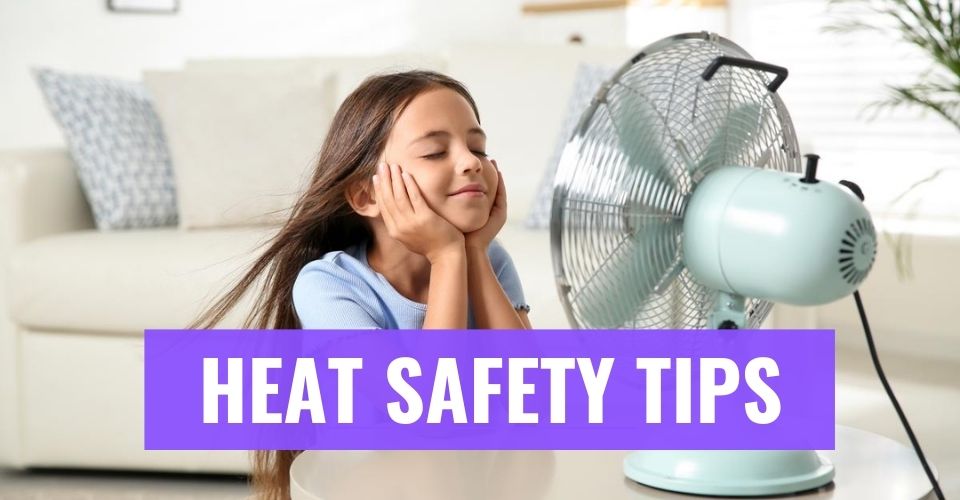
Heat advisory safety tips
Who’s Most at Risk from Heat Waves?
First, it helps to understand the underlying grid: what is a heat wave? It is a prolonged period of exceptionally high temperatures for a specific region. While too much environmental heat poses a health hazard to everyone, certain groups face significantly higher risks:
Infants and Young Children: Developing bodies have a much harder time regulating internal core temperatures. Dehydration in toddlers can escalate rapidly into severe complications if not monitored by adults.
Pregnant Women: Blistering temperatures and severe dehydration can increase the risk of adverse pregnancy outcomes, including low birth weight or premature labor. Extreme thermal stress is also linked to elevated risks of gestational hypertension.
Seniors and Chronically Ill Individuals: Older adults often have underlying cardiovascular or respiratory conditions that are heavily strained when the body attempts to cool itself down.

Who is most susceptible to heat waves?
Heat-Related Health Problems
When ambient temperatures rise to extreme levels, the human body can suffer from three primary heat-related illnesses.
Recognizing these conditions early allows you to take proper action before they become life-threatening.
Heat cramps
Heat cramps are painful muscular spasms caused by excessive perspiration after severe physical exercise in hot weather.
They frequently impact heavily used muscles, like the thighs, calves, or shoulders, and may develop during exercise or even many hours afterward.
Common Symptoms: Acute spasms, sharp pain, or localized cramping in the legs or abdomen.
First Aid: Move the individual to a cool, shaded environment, allow them to rest, and administer electrolyte-rich beverages to replenish lost minerals.
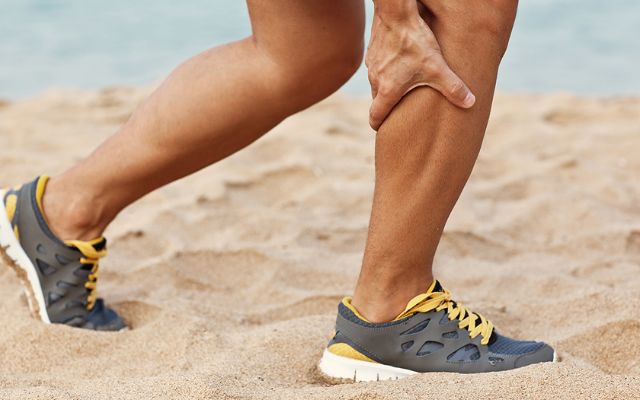
Heat cramps
Heat exhaustion
Heat exhaustion is a condition that occurs when people overexert themselves in a humid, warm environment. Moreover, it commonly affects individuals who perform heavy work in hot weather.
Heavy sweating causes a loss of body fluids and increases blood flow to the skin, which reduces blood supply to essential organs. This causes a minor shock.
Common Symptoms: Cool, clammy, pale skin; heavy sweating; dizziness; weakness; nausea; and headaches.
First Aid: Have the individual lie down in an air-conditioned room, loosen any tight clothing, apply cool, damp cloths to their neck and forehead, and encourage them to sip cool fluids.

Heat exhaustion
Heat stroke
Heat stroke is the most severe and critical heat emergency. It occurs when the body’s thermoregulation system completely fails, causing the core temperature to skyrocket past 104°F (40°C) within minutes. Without immediate cooling, heat stroke can result in permanent neurological damage or worse.
Common Symptoms: Confusion, altered mental state, slurred speech, a rapid and strong pulse, hot, dry skin (or profuse sweating in exertional heat stroke), and fainting.
First Aid: Call 911 or your local emergency services immediately. While waiting for professional medical assistance, move the person to the shade and use ice packs, cold water immersion, or wet towels to lower their body temperature as fast as possible.
To explore a more detailed medical breakdown of how extreme temperatures stress your internal organs, check out our deep dive into the harmful effect of heat.
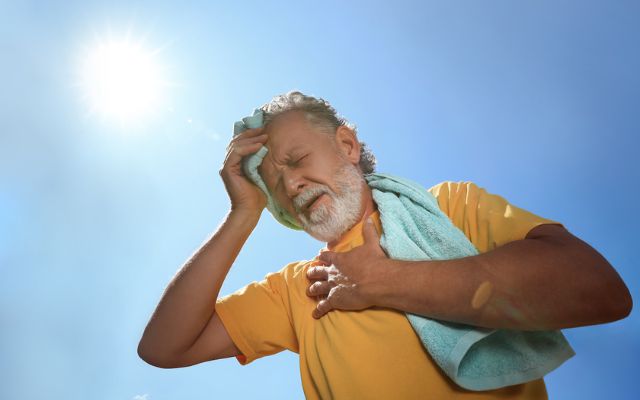
Heat stroke
Practical Summer Heat Safety Tips
If you want to know how to stay safe in extreme heat, you must structure your daily routine around two main pillars: staying cool and maintaining optimal hydration.
Keep cool
Staying cool during extreme heat is essential for your comfort and safety; simple habits and smart cooling methods can make a big difference.
Maximize Air Conditioning: Spend time in air-conditioned spaces like libraries, community shelters, or shopping malls if your home lacks cooling infrastructure.
Utilize Fans Wisely: Airflow from fans is effective, but when indoor temperatures exceed 95°F (35°C), fans will not prevent heat illness. Instead, use them to circulate cool air at night or pair them with damp cloths on your skin.
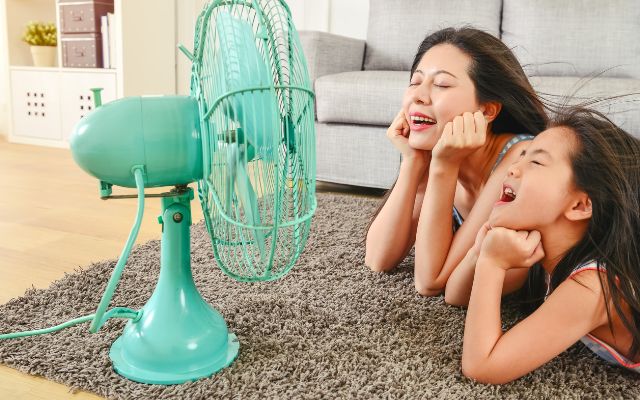
Safety tips for a heat wave
Block Direct Sunlight: Keep your blinds, drapes, or curtains closed during the hottest peak hours (10 AM – 4 PM) to prevent solar radiation from heating up your living spaces.
Dress for the Weather: Opt for loose-fitting, lightweight, and light-colored clothing that allows air to circulate naturally across your skin.
For more household hacks and tips on keeping your bedrooms cool without running up massive utility bills, read our practical guide on hot weather safety tips.
Hydration Strategies
In high temperatures, your body relies heavily on sweating to cool down, which results in significant fluid and mineral loss.
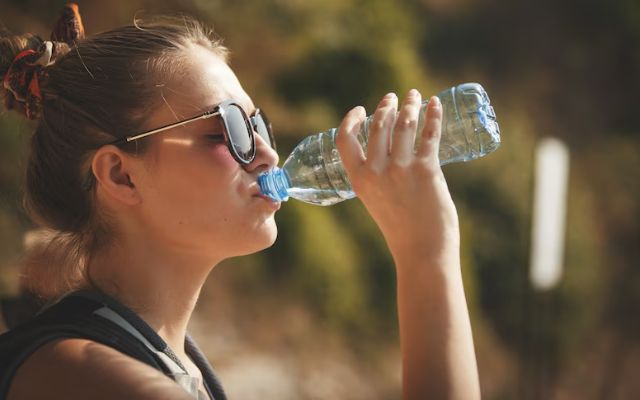
Heat and hydration safety tips
Drink Proactively: Do not wait until you feel thirsty to drink fluids. Always carry a reusable water bottle when leaving your home.
Replenish Electrolytes: Plain water is excellent, but during heavy sweating, you must know exactly what to drink in a heatwave to avoid hyponatremia. Prioritize mineral water, electrolyte packets, or natural coconut water.
Avoid Diuretics: Limit beverages that accelerate dehydration, such as iced coffee, sugary sodas, and alcoholic drinks.
Other safety tips for summer heat
Humidity and extreme heat can be exceedingly unpleasant and pose significant health hazards, particularly to infants, kids, pregnant women, and older adults.
In addition to remaining cool and hydrated, remember the following summer safety tips:
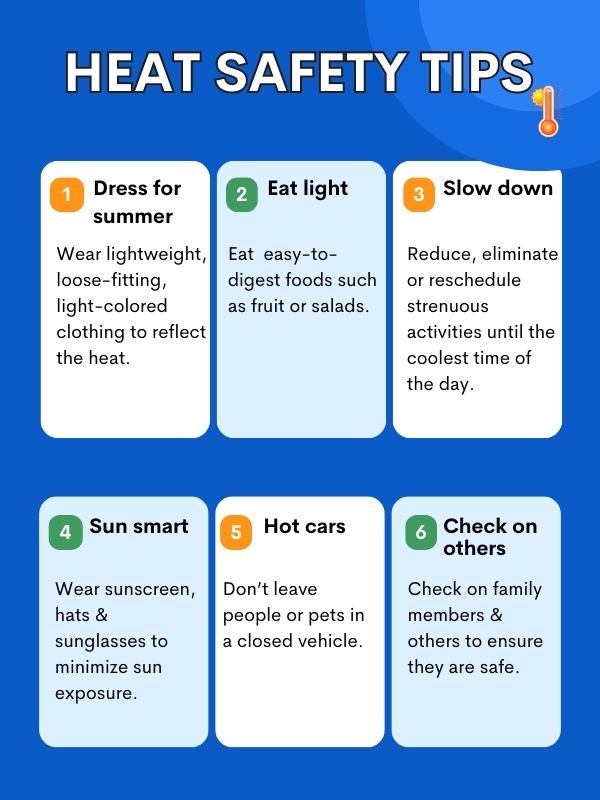
Essential summer safety health tips
How to Prepare for Weather Service Alerts
Although the aforementioned extreme heat safety tips are must-know, there is one thing you should not miss out on. Knowing the difference between a heat watch, warning, and advisory is key to staying safe during extreme temperatures.
These alerts help you understand how serious the situation is, so you can take the proper steps to prepare before the heat becomes dangerous.
Excessive Heat Watch |
|
Excessive Heat Warning |
|
Heat Advisory |
|
Final Words
Staying safe during extreme heat starts with simple but effective steps. You can protect yourself and those around you by following key heat safety tips, like staying hydrated, keeping cool, and recognizing warning signs.
Frequently Asked Questions (FAQs)
Related post
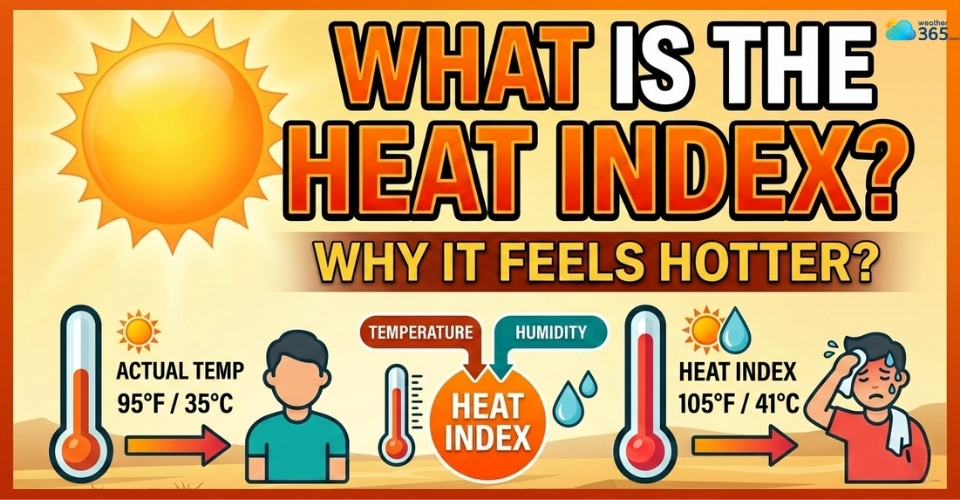
What Is the Heat Index and Why Does Humidity Make Heat Feel Worse?
 1491
1491
 0
0
 4.9
4.9
 18/08/2026

What is a Heat Dome? What Can We Do to Deal With a Heat Dome?
127
16
4.8
20/05/2026

What is the Harmful Effect of Heat & Who is at Most Risk? Solved
99
9
4.6
20/05/2026

8 Comment
Adalyn Carter
Wearing black in 100°F weather probably isn't my best idea 😂
weather365
Lightweight, loose-fitting clothing is definitely a better option when you're spending time outside.
Brynn Webster
Honestly, I never think about the heat index. I just look at the temperature 😅
weather365
A lot of people do the same. The heat index can give you a better idea of how hot it actually feels when humidity is high.
Jensen Wright
The part about checking on older people is so important. Heat can affect them really quickly.
Heidi Stokes
Is it actually better to exercise early in the morning, or is evening okay too?
weather365
Early morning is usually a safer choice, especially during a heat wave. Evenings can still be surprisingly hot.
Nico Johnston
I always thought drinking water was enough. Didn't realize there was so much more to staying safe in extreme heat.
Leave a comment
Your email address will not be published. Required fields are marked *