




8 Hot Weather Safety Tips You Should Know To Beat The Heat


Prolonged environmental heat can cause serious health conditions, ranging from physical exhaustion to critical heatstroke. As summer temperatures climb globally, practicing a few simple daily habits can significantly protect you and your loved ones.
Let's explore 8 essential hot weather safety tips to keep your household cool, healthy, and resilient this season.
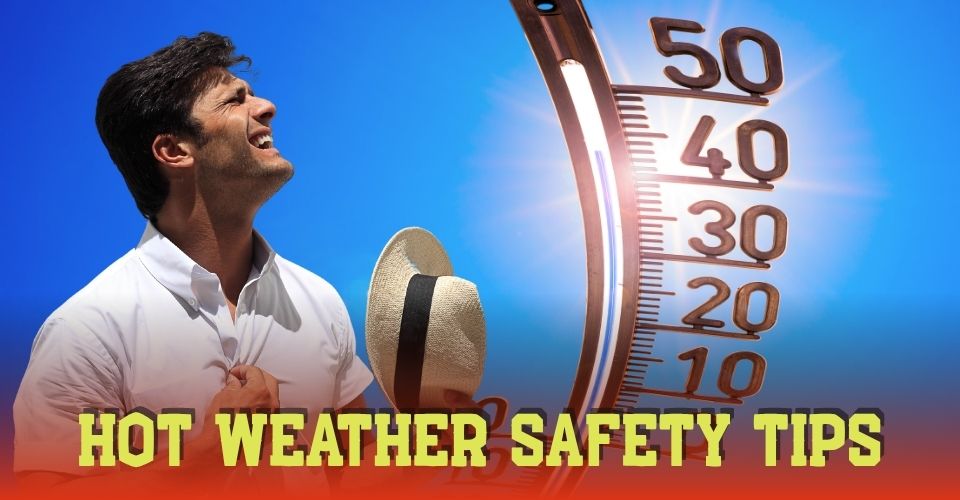
How to keep cool this summer?
- Drink Plenty Of Water: Key hot weather safety tips
- Limit Your Alcohol
- Find Air Conditioning and Cooling Centers
- Wear Light Colored, Comfortable Clothes
- Limit Outdoor Activities
- Keep Your Home Cool: Essential hot weather safety tips
- Never Leave Children And Pets In Cars
- Recognizing Signs Of Heat-Related Illness
Drink Plenty Of Water: Key hot weather safety tips
Water makes up roughly 60% of the adult human body, playing a vital role in regulating your internal thermostat through sweat production.
Therefore, drinking fluids proactively—before you even begin to feel thirsty—is your first line of defense against the sun.
If you are sweating heavily due to outdoor chores or exercise, plain water may not be enough.
You need to understand exactly what to drink in a heatwave to properly replenish lost minerals.
Opt for electrolyte-rich sports drinks or natural coconut water while strictly limiting beverages high in caffeine, such as energy drinks or iced black coffee, which can act as diuretics and accelerate fluid loss.

Avoid drinks containing caffeine
Limit Your Alcohol
In hot weather, it's great to taste a cold beer.
However, do you know….
Drinking alcohol is not a good idea to stay cool in the summer.
Alcohol contributes to dehydration, which can be especially harsh when you work hard outside.
It can also interfere with your sleep, which is already challenging in hot weather.
While relaxing with a cold beer or a crisp cocktail sounds appealing during a hot afternoon, alcohol is highly counterproductive to physical cooling.
Alcohol triggers vasodilation and suppresses anti-diuretic hormones, forcing your body to lose fluids much faster through urination.
This rapid dehydration can be incredibly hazardous if you are working or relaxing under direct sunlight.
Furthermore, alcohol disrupts the deeper REM cycles of your sleep, leaving your body less capable of recovering from daytime heat stress.

Limit your alcohol consumption
Find Air Conditioning and Cooling Centers
In hot weather, of course, air conditioning is the best.
When weather agencies trigger a severe local heat wave alert, air conditioning becomes a necessity rather than a luxury.
Spending even two to three hours in an air-conditioned environment can drastically lower your body’s cumulative thermal stress.
If your home lacks functional air conditioning, locate public spaces such as local libraries, shopping malls, or community cooling centers to rest during peak hours.
To keep your system energy-efficient while avoiding temperature shock when walking back outside, aim to keep your indoor thermostat set between 24°C and 26°C (75°F - 78°F).
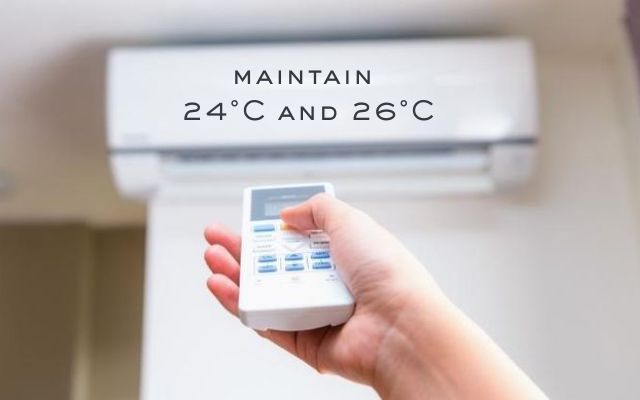
Maintain 24°C and 26°C to avoid the temperature shock
Wear Light Colored, Comfortable Clothes
Wearing light-colored, comfortable clothes is a simple yet effective way to stay safe in hot weather.
Light colors reflect sunlight rather than absorbing it, helping to keep your body cooler throughout the day.
Loose-fitting, breathable fabrics like cotton or linen allow better air circulation, reducing sweat and preventing overheating.
Avoid dark or tight clothing, as they can trap heat and increase your body temperature.
Dressing appropriately not only improves comfort but also plays a crucial role in preventing heat-related illnesses such as heat exhaustion or heatstroke.
Always prioritize loose-fitting apparel made from breathable, natural fibers like cotton or linen.
Tight clothing restricts your body's natural cooling airflow and prevents sweat from evaporating efficiently, which increases your vulnerability to severe skin rashes or rapid overheating.

Wearing light colored clothes to keep cool
Limit Outdoor Activities
Limiting outdoor activities during extreme heat is a key hot weather safety tip.
The sun’s ultraviolet rays and thermal radiation are strongest between 10:00 AM and 4:00 PM.
Exerting yourself during this window drastically spikes your risk of environmental illnesses.
Whenever possible, reschedule heavy physical workouts, running, or outdoor yard work for the early morning hours or late evening when ambient temperatures drop.
If outdoor tasks are mandatory, enforce frequent rest breaks in shaded pockets, douse your neck with cool water, and strictlypace your energy expenditure.
By reducing your time in direct sunlight and high temperatures, you help protect your body from overheating and stay safer during heat waves.

Limit outdoor activities under direct sunlight and high temperatures
Keep Your Home Cool: Essential hot weather safety tips
Keeping your home cool during hot weather is essential for staying safe and comfortable, especially during a heatwave.
Close blinds or curtains during the day to block out direct sunlight, and open windows at night when the air is cooler to let in a breeze.
Use fans or air conditioning if available, and avoid using heat-generating appliances like ovens during the hottest parts of the day.
For extra relief, place a bowl of ice in front of a fan to circulate cooler air.
Creating a cool indoor environment helps prevent heat-related illnesses and improves sleep quality during hot nights.
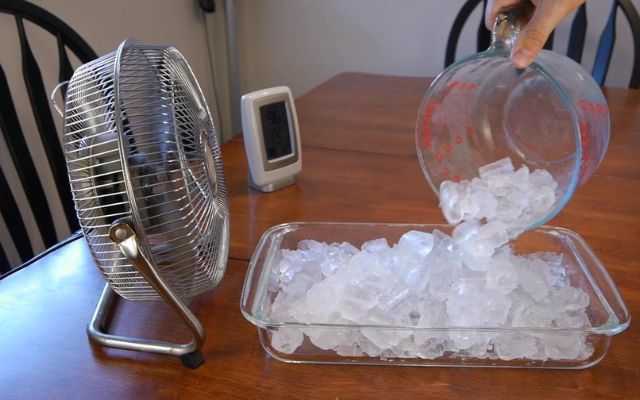
Good hot weather safety tip
Never Leave Children And Pets In Cars
Whether summer or winter, NEVER leave children or pets in parked cars, even for a short time..
Inside a vehicle, the interior greenhouse effect causes temperatures to skyrocket dangerously fast—reaching over 120°F (49°C) within fifteen minutes on an 85°F day.
Because the respiratory systems of children and animals heat up significantly faster than adults, leaving them enclosed in these environments rapidly causes fatal heatstroke or severe organ damage.
Always perform a backseat check before locking your vehicle doors.
This extreme heat can cause heatstroke or even death in a very short period.
Children’s and pets’ bodies heat up much faster than adults', making them especially in danger of getting a heat stroke or even dying.
Always double-check your vehicle before locking it, and if you see a child or pet left alone in a car, call emergency services immediately.
Taking this hot weather safety tip can save lives.
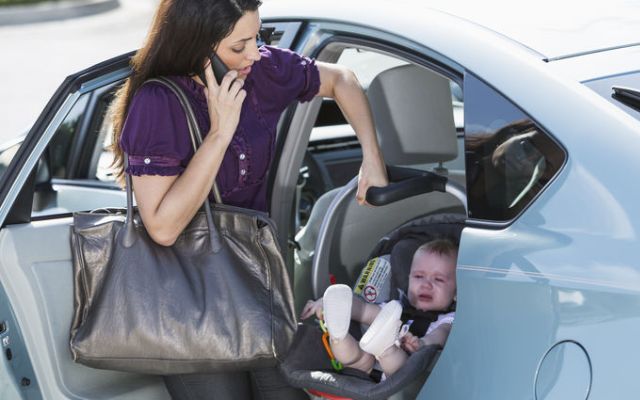
Double-check your vehicle before locking it
Recognizing Signs Of Heat-Related Illness
Acting fast during a thermal emergency requires a clear understanding of the harmful effect of heat on human biology. You must monitor yourself and your family for these early warning signs:
Heat Exhaustion (Early Stage): Characterized by profuse sweating, pale or clammy skin, muscle cramps, dizziness, nausea, and headaches.
Action: Move the person to an air-conditioned room, loosen their clothing, and apply wet sheets to their body.
Heat Stroke (Critical Emergency): Indicated by a core temperature over 103°F (39.4°C), red and dry skin, a rapid heartbeat, slurred speech, confusion, or loss of consciousness.
Action: Call 911 immediately. Heat stroke requires emergency medical treatment to prevent permanent neurological issues.
Reviewing full heat safety tips will help you structure a foolproof family emergency plan.
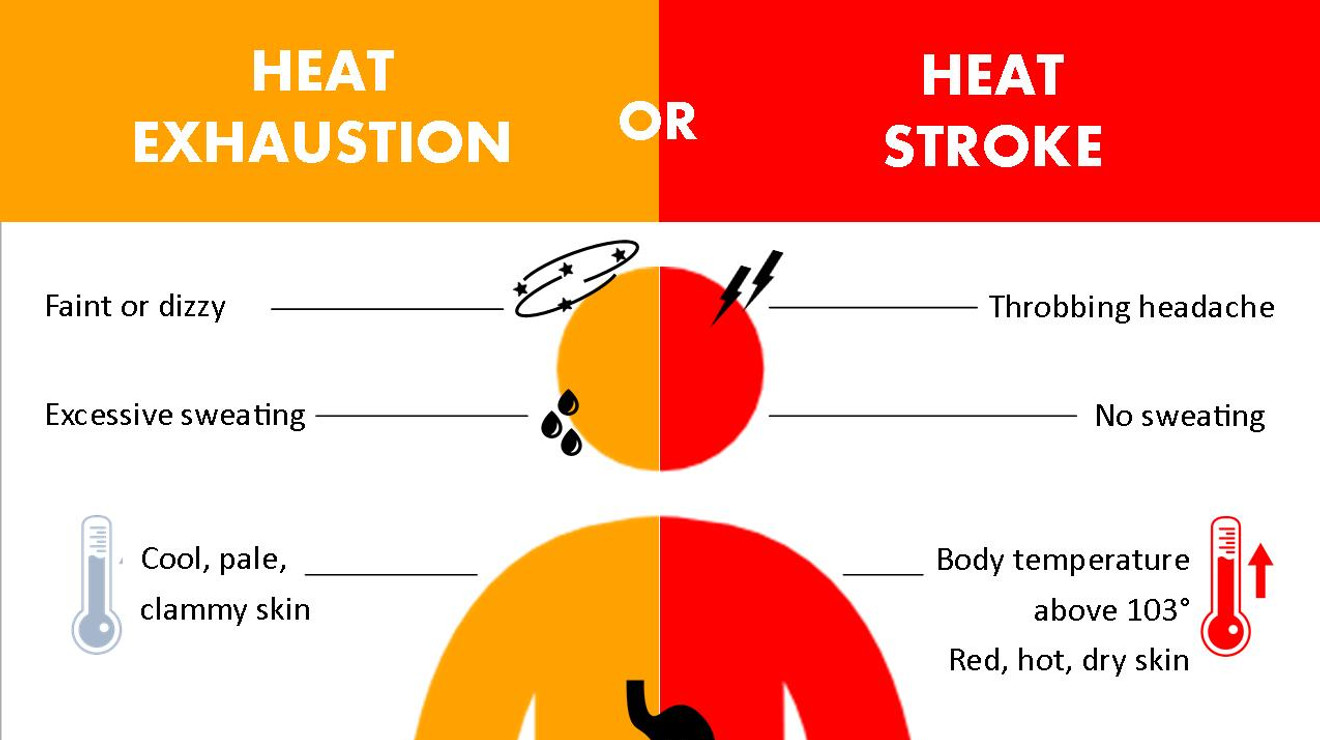
Signs of heat exhaustion and heat stroke
Wrap Up
The weather is hotter and hotter, heat waves appear more frequently due to climate change. Hot weather leads to many serious health problems, and knowing hot weather safety tips is essential. Make sure you get ready to cope with the sweltering summer with our tips.
Frequently Asked Questions (FAQs)
To beat the heat without air conditioning, you can try some tips:
Place a bowl of ice in front of a fan
Close your windows at night
Wear light colored, cotton clothes
Drink plenty of water
Plant many trees to get shade and cool outdoor spaces.

8 Comment
Hallie Ruiz
What about people who have to work outside all day? You can't exactly just stay indoors.
weather365
Taking regular breaks, drinking fluids, using shade when possible, and adjusting the work schedule can help reduce heat exposure.
Everlee Thompson
Does drinking ice-cold water actually help more than drinking room-temperature water?
weather365
Cold water can feel more refreshing, but staying hydrated regularly is more important than the exact temperature of the water.
Dahlia Young
The car warning is something people really need to take seriously. It can get dangerously hot inside a car so fast.
Gregory Waters
Is it actually safer to stay indoors during the hottest part of the day, even if you don't have AC?
weather365
If possible, yes. A fan, cool shower, shade, or a public air-conditioned place can all help you stay cooler.
Benjamin Lambert
I always forget that pets need extra care during really hot weather too. 🥵
Leave a comment
Your email address will not be published. Required fields are marked *