




What is the Harmful Effect of Heat & Who is at Most Risk? Solved


As global temperatures continue to climb, understanding the harmful effect of heat on human physiology has become a public health priority. Prolonged exposure to extreme thermal environments can lead to significant health complications, localized ecological strain, and severe physical fatigue.
In this article, we will examine how extreme heat impacts your cardiovascular system, hydration levels, mental well-being, and the best preventative steps to protect your household.
What is the effect of heat in the body?
- Extreme Heat Statistics
- Harmful Effect of Heat on Health
- 1. Severe Dehydration and Electrolyte Imbalance
- 2. Cardiovascular Strain and Heart Risks
- 3. Mental Health and Cognitive Decline
- 4. Rapid Physical Fatigue and Muscle Cramps
- Who Faces the Highest Clinical Risk?
- Preventative Measures: Staying Safe in Hot Weather
Extreme Heat Statistics
To understand these physiological impacts, we must first look at the baseline weather event: what is a heat wave ? It is a prolonged period where localized excess heat builds over consecutive days and nights.
According to the US National Centers for Environmental Information's (NCEI) most recent Global Climate Report, July 2024 was the hottest month since global records started in 1850.
Also, it marked the 14th consecutive month in which the temperature record was broken.
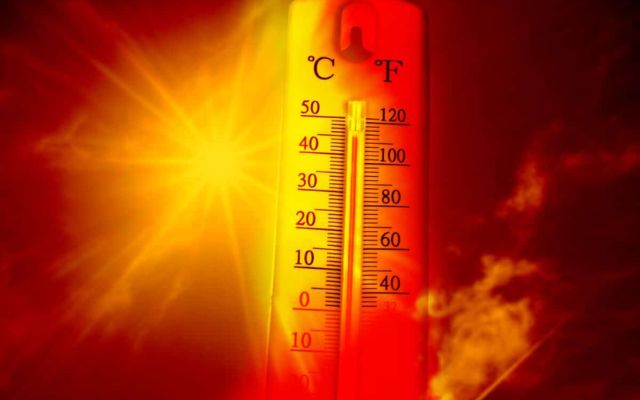
Extreme heat and climate change
According to one study, from 2018 to 2022, individuals suffered health-threatening heat for an average of 86 days per year.
Human-caused climate change increased the likelihood of 60% of such temperatures by more than double.
In fact, extreme heat may have devastating health consequences. For example, heatwaves in Europe during the summer of 2022 killed almost 60,000 people.
In 2021, experts analyzed data from 732 sites in 43 countries and estimated that climate change was responsible for 37% of heat-related fatalities between 1991 and 2018.
Below are some recent heat waves and their consequences:
British Columbia (June 2021): A historic atmospheric stagnation caused temperatures to skyrocket, resulting in over 600 heat-related casualties and millions in unexpected emergency healthcare expenses.
Europe (Summer 2022): Unprecedented regional heatwaves led to an estimated 60,000 heat-related fatalities across the continent, prompting severe infrastructure adjustments.

The heat wave in Italy in 2022
India (June 2024): One of the region's longest-recorded thermal spikes resulted in over 40,000 suspected heat exhaustion cases requiring urgent medical intervention.
Harmful Effect of Heat on Health
When the ambient temperature exceeds the body's natural baseline, internal regulatory mechanisms are forced to work in overdrive. Here is how that stress distributes across your biological systems:
1. Severe Dehydration and Electrolyte Imbalance
The adult human body is composed of roughly 60% water, while vital organs like brain tissue consist of nearly 75% fluid. When environmental temperatures surge, the body utilizes profuse sweating as its primary cooling mechanism.
If these fluids are not immediately replenished, dehydration develops rapidly—especially in young children. Even low-intensity outdoor routines like gardening or walking can cause a dangerous loss of baseline cellular moisture within an hour.
To prevent systemic shock during these periods, knowing exactly what to drink in a heatwave is critical; you must prioritize mineral-dense fluids over dehydrating beverages like coffee or alcohol.

Extreme heat significantly impacts public health
2. Cardiovascular Strain and Heart Risks
As internal core heat rises, the cardiovascular system faces intense physiological stress. T
o radiate heat away from the core, the body dilates blood vessels and redirects a massive volume of blood flow toward the skin.
This mechanism leaves significantly less blood available to circulate back to the heart.
Consequently, the heart muscle must beat drastically faster and pump harder to maintain systemic blood pressure.
According to cardiovascular research, this prolonged exertion limits oxygen supply to the heart itself, potentially triggering severe cardiac emergencies or acute heart strain in vulnerable individuals.
3. Mental Health and Cognitive Decline
Extreme environmental heat does not merely stress muscles and organs—it heavily impacts neurological function and mental well-being.
High ambient temperatures are clinically linked to spikes in cortisol (the stress hormone), leading to heightened anxiety, severe irritability, and poor sleep architecture.

The harmful effect of heat on our heart
Prolonged thermal stress can severely exacerbate symptoms for individuals managing preexisting mental health conditions such as depression.
When core temperatures remain elevated, cognitive processing slows down, making complex decision-making and focus noticeably more challenging.
4. Rapid Physical Fatigue and Muscle Cramps
Attempting to maintain physical workouts or manual labor during a thermal advisory accelerates exhaustion.
Because metabolic energy is redirected toward cooling the body, muscular endurance drops sharply.
This environment frequently triggers painful heat cramps—involuntary muscle spasms caused by the rapid depletion of essential salts and hydration within heavily taxed muscle fibers.

Heat waves influence physical activities
Who Faces the Highest Clinical Risk?
While extreme thermal waves affect all demographics, certain populations possess a much lower physiological tolerance to heat stress:
Infants and Children: Young children generate more metabolic heat relative to their body mass and have underdeveloped sweat glands, causing them to overheat much faster than adults.
Pregnant Individuals: The maternal cardiovascular system is already working under an increased workload to support fetal development. Prolonged thermal stress can compromise uterine blood flow, elevating the risk of early labor or low birth weight.
Older Adults and Chronic Patients: Aging bodies experience a delayed physiological response to thirst and temperature shifts. Furthermore, common medications for blood pressure or psychological health can actively impair the body’s ability to sweat or regulate heat.

Pregnant people are vulnerable to hot weather
Preventative Measures: Staying Safe in Hot Weather
Mitigating the biological impacts of climate spikes requires proactive, structural habits before stepping out into the sun:

Tips to minimize the health effects of heat
Insulate Your Schedule: Heavily restrict strenuous outdoor activities during peak UV and thermal hours (10:00 AM to 4:00 PM).
Cool Your Environment: Utilize air conditioning units or visit shaded public cooling centers to lower your cumulative internal heat stress.
Dress Defensively: Wear lightweight, light-colored, and highly breathable fabrics to assist natural sweat evaporation.
Monitor the Vulnerable: Establish a daily check-in routine for elderly neighbors, outdoor workers, and young children in your community.
For a comprehensive, step-by-step checklist on preparing your household and managing heat emergencies safely, make sure to read our full collection of heat safety tips.
Conclusion
The harmful effect of heat goes far beyond discomfort; they can seriously impact both physical and mental health, leading to increased illness, hospitalizations, and even death. Therefore, staying informed and taking preventive measures is essential to protect ourselves and those most vulnerable in extreme heat conditions.
Frequently Asked Questions (FAQs)

9 Comment
Raelyn Berry
So is it the temperature itself that's dangerous, or how long you're exposed to it?
weather365
Both matter. Extreme temperatures, long exposure, humidity, physical activity, and individual health can all affect the risk.
Hugo Wright
Does humidity make these health effects worse?
weather365
It can. High humidity makes it harder for sweat to evaporate, which reduces the body's ability to cool itself.
Lila Long
I never connected hot weather with dehydration headaches before. That explains a few things.
weather365
Dehydration can definitely contribute to headaches, especially after spending a lot of time outdoors.
Marshall Thomas
The sleep part is so real. One hot night and I'm basically useless the next day 😂
Niko Wilson
Can extreme heat actually cause heart problems, or is that mostly a concern for people who already have heart conditions?
weather365
Extreme heat can put extra strain on the cardiovascular system, so people with existing conditions may be especially vulnerable.
Leave a comment
Your email address will not be published. Required fields are marked *