




What Are Some Solutions to Water Scarcity? Effective Methods


Solutions to water scarcity are more important than ever. Water shortages affect people, farms, and businesses around the world. This guide explains why water scarcity happens and how we can solve it.
How to reduce water scarcity
- Water Scarcity Problems
- What is water scarcity?
- Water scarcity - a global issue
- Causes of water scarcity
- Consequences of water scarcity
- Short-term solutions to water scarcity
- Reduce water use
- Increase water storage
- Fix Leaks and Repair Infrastructure
- Sustainable solutions to water scarcity
- Infrastructure
- Irrigation and agriculture
- Conservation
- Community
- International cooperation
Water Scarcity Problems
Water scarcity is a growing global challenge.
Many communities struggle to get enough clean water for everyday needs.
What is water scarcity?
Water scarcity means there is not enough clean water for daily needs. It can affect drinking water, farming, industry, and daily life.
Many things cause water scarcity. Low rainfall, high water demand, pollution, and poor water management all play a role.
Climate change with harmful effect of heat also makes droughts longer and more severe in many regions.
There are two main types of water scarcity.
Physical water scarcity happens when natural water supplies cannot meet demand.
Economic water scarcity happens when water is available, but people cannot access it. Poor pipes, low investment, and weak management often cause this problem.
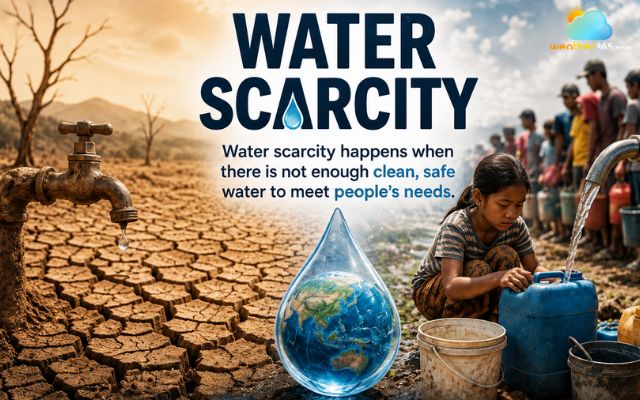
Definition of water scarcity
Water scarcity - a global issue
Water scarcity is a growing problem around the world. Many communities do not have enough clean water. The world's population also grows each year.
This means more people need water. However, fresh water is limited.
Nearly two-thirds of the world's population may face water shortages by 2025.
UNICEF reports that water scarcity already affects billions of people.
Around 4 billion people face severe water shortages for at least one month each year.
More than 2 billion people live in countries with limited water supplies.
By 2025, half of the world's population may face water scarcity.
By 2030, water scarcity could force 700 million people to leave their homes.
By 2040, one in four children may live in areas with very high water stress.
Water crisis around the world
The World Economic Forum lists water scarcity as a major global risk.
Many countries already face water shortages. India and China need more water as their populations grow.
Australia, Mexico, Yemen, Iran, Pakistan, and Saudi Arabia also face water stress.
Parts of the United States, the United Kingdom, and Africa face similar problems.
Droughts, pollution, high water use, and old water systems can make the problem worse.
Water scarcity can affect health, food, energy, and local economies.
Causes of water scarcity
What causes water scarcity? Many factors can lead to water shortages.
Here are five main causes.
Climate change
Climate change is a major cause of water scarcity.
It can bring longer droughts, heavy rain, and extreme weather.
These changes can reduce water supplies in many regions.
Weather forecasts can help people prepare for drought.
For example, a California drought and weather forecast can show rainfall trends and help people plan for dry periods.
Somalia is one country that has faced long periods of drought.
Drought can also harm farmland. In sub-Saharan Africa, about 80% of farmland has soil damage linked to drought.
Rising sea levels can also add salt to fresh water.
This reduces the amount of water available for drinking and farming.
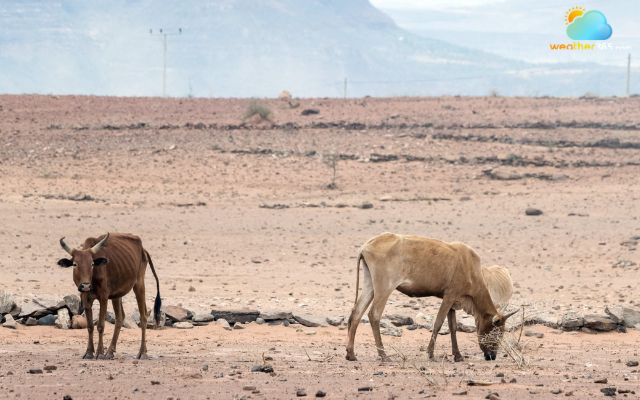
Drought has damaged about 80% of farmland in sub-Saharan Africa
Natural disasters
UNICEF reports that nearly 75% of natural disasters from 2001 to 2018 were linked to water.
These disasters include droughts and floods. They can damage water supplies and make clean water harder to access.
They can also increase the risk of diseases such as diarrhea, cholera, and malaria.
Climate change can make these events more common and more severe.
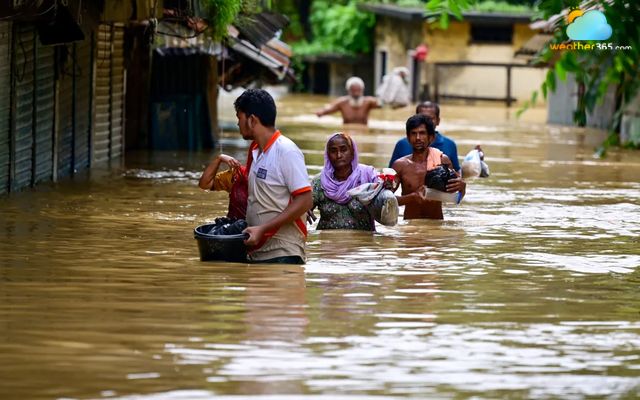
Natural disasters like floods affect the clean water resource
War and conflict
War can damage water systems.
Syria, Yemen, and the Central African Republic are some examples.
Many people lose access to clean water during war.
Some families must leave their homes. They may live in crowded camps with limited water and poor sanitation.
Increased water usage
A growing population creates higher demand for clean water.
People need water for drinking, hygiene, and sanitation.
Farming also uses large amounts of water.
Many industries need water to make products and run their daily operations. As demand grows, water supplies can face more pressure.
Lack of infrastructure
Old and damaged water systems often leak.
These leaks waste large amounts of water.
Regular repairs can help reduce water loss.
Upgrading old systems can also improve water supply and save water.
New technology can help communities use water more efficiently.
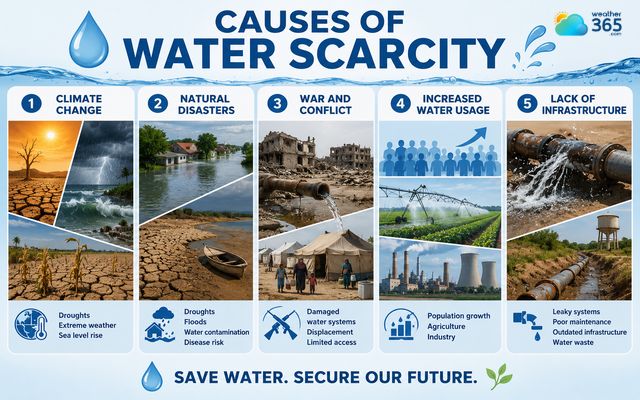
Causes of water crisis
Consequences of water scarcity
Water scarcity affects people, nature, and the economy.
It can reduce food supplies, harm health, and slow economic growth.
Here are some of the main effects of water scarcity.
Food shortages:
Farmers need water to grow crops and raise animals.
When water is scarce, farms produce less food. This can lead to food shortages and higher prices.
Limited access to clean water:
Millions of people still lack safe drinking water. This puts them at a higher risk of diseases such as diarrhea and cholera.
The WHO says that about 842,000 people die from diarrhea each year due to unsafe water, poor sanitation, and poor hygiene.
In many developing countries, unsafe water and poor sanitation cause 80% of illnesses.
Water-related diseases also cause one in four deaths among children under five.
More conflicts:
Water shortages can create conflict between communities, regions, and countries.
People may compete for limited water supplies.
Energy shortages:
Many power plants need water to make electricity and cool equipment.
When water supplies fall, power production can also fall.
Economic losses:
Water shortages reduce farm output and disrupt energy production. They also increase healthcare costs.
Some industries, such as electronics and fashion, use large amounts of water.
When water costs rise, everyday products become more expensive. This includes phones and clothes.
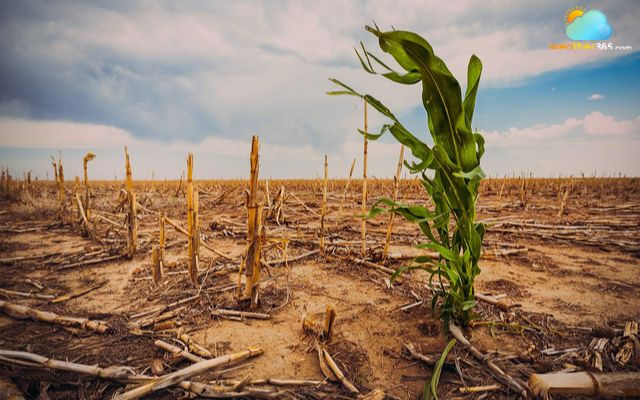
Water shortage can threaten global food security
Also read:
Short-term solutions to water scarcity
Communities, governments, and individuals can all help save water.
Simple actions can reduce water waste and protect local water supplies.
Here are some practical solutions to water scarcity.
Reduce water use
Use less water in your daily life. Take shorter showers and install low-flow toilets. You can also collect rainwater to water your garden.
Reuse greywater for plants or cleaning when possible.
Fix leaking pipes and faucets as soon as you find them.
Support projects that promote water conservation and clean energy. Learn more about How to conserve water.
Increase water storage
Climate change can lead to more droughts and floods.
Large reservoirs can store water during periods of heavy rain. People can use this stored water during dry periods.
Storing water also helps reduce the amount of fresh water that flows into the ocean.
This can provide a more reliable water supply during droughts.
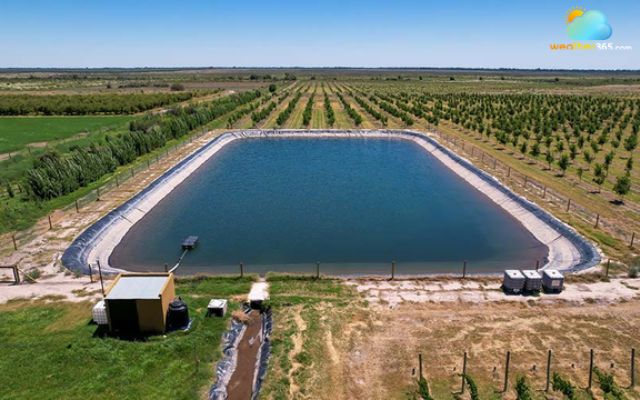
Plan an irrigation reservoir
Fix Leaks and Repair Infrastructure
Fixing leaks is a simple way to save water. Old or damaged water systems often leak.
These leaks can waste large amounts of clean water.
Regular checks can help find leaks early. Quick repairs can reduce water loss.
Replacing old pipes can also improve water use.
Better water systems save water and reduce costs.
Sustainable solutions to water scarcity
We can reduce water scarcity with smart and sustainable changes.
Some key solutions include:
Infrastructure
Better water systems can reduce leaks and improve water supply.
They can also help deliver clean water more efficiently.
This is vital in large cities with fast-growing populations.
More people create a higher demand for clean water.
Water treatment and filtration systems also play an important role.
These systems remove bacteria, viruses, and other harmful substances from water.
As a result, people can use the water safely for drinking and daily needs.
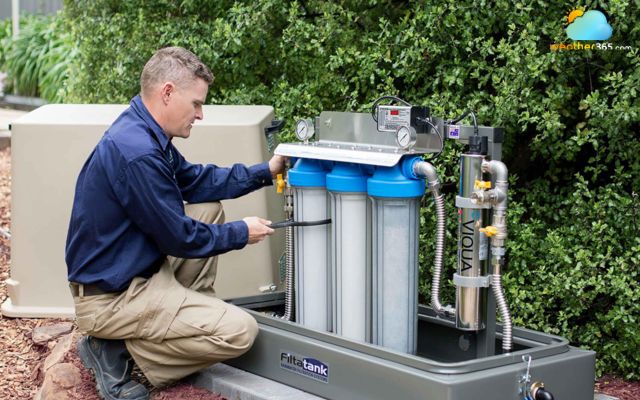
Water filtration systems make sure you have access to purified water
Irrigation and agriculture
Agriculture uses a lot of water. Better irrigation can help farmers save water.
Drip irrigation and sprinklers use less water than flood irrigation.
They deliver water to crops more directly. This helps reduce water waste.
Farmers can also improve soil care. No-till farming, minimum tillage, and mulching help soil hold more water.
These methods reduce water use. They also support healthy crops and more sustainable farming.
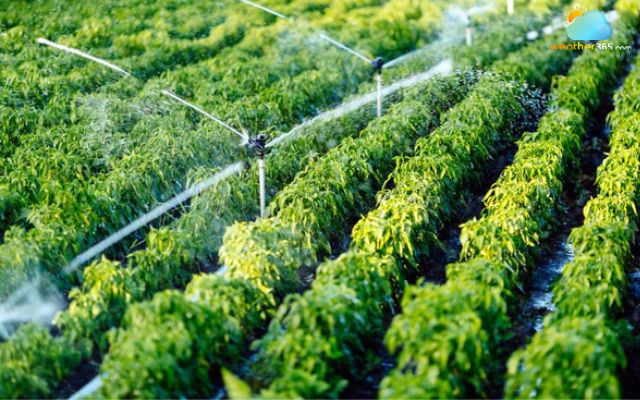
Sprinklers or drip irrigation
Conservation
Water conservation is key to reducing water scarcity. Farms, mines, and factories waste large amounts of water each year.
According to the World Water Council, agriculture uses about 70% of the world's freshwater. Industry uses about 20%.
We must also reduce water pollution. Clean rivers, lakes, and groundwater provide safer water for people and wildlife.
Regular water quality checks can find pollution early. They also help protect public health and the environment.
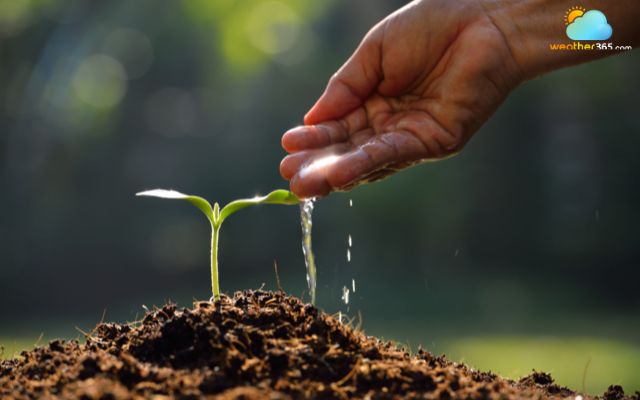
Solution to water conservation
Community
Local communities can help protect water resources. They can also encourage people to use water wisely.
Many groups work to protect water around the world.
The World Wildlife Fund (WWF) and the Alliance for Water Stewardship promote responsible water use around the world.
Education also plays an important role. People need to know how to save water and reduce waste. Businesses can also adopt better water practices.
These efforts can reduce water waste. They can also help prevent future water shortages.
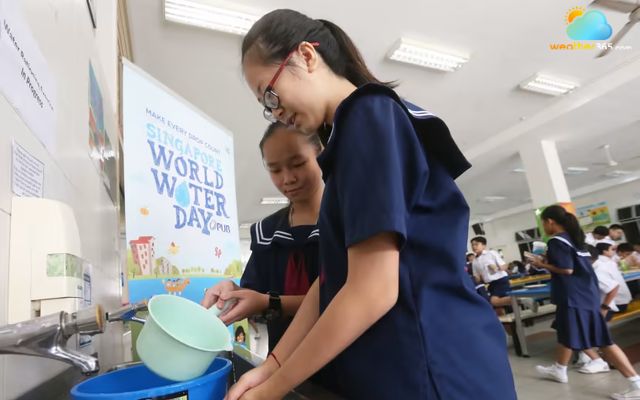
Water Saving Education
International cooperation
Countries need to work together to protect shared water resources. This can help provide a stable water supply.
Many rivers and lakes cross national borders. Managing these resources can be difficult. Countries may have different laws and interests.
Still, international cooperation is essential. Governments and global groups can work together to improve water management. They can also expand access to clean drinking water.
Strong partnerships can reduce water scarcity. They can also improve long-term water security.
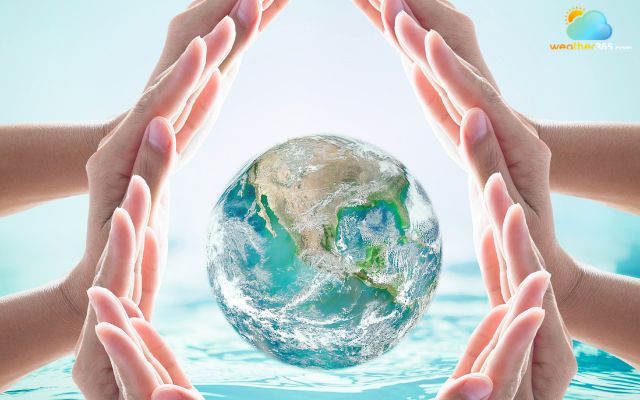
International cooperation to save water
Closing Thoughts
Everyone must take action to solve water scarcity. Governments, businesses, and individuals all have an important role. We can save water, cut waste, and protect water sources. These steps can make a real impact. Working together will help create a better future through solutions to water scarcity.
Frequently Asked Questions (FAQs)
Related post

8 Hot Weather Safety Tips You Should Know To Beat The Heat
 140
140
 8
8
 5.0
5.0
 20/05/2026

What is a Heat Dome? What Can We Do to Deal With a Heat Dome?
127
16
4.8
20/05/2026

What is the UV Index? 7 Sun Protection Tips to Protect Your Skin
123
8
4.9
20/05/2026

7 Comment
River Sanders
But can individual people actually make a noticeable difference?
weather365
Individual actions won't solve water scarcity alone, but millions of people making changes can reduce demand and support broader conservation efforts.
Heidi Hopkins
I feel like we waste so much water without even noticing. Small changes at home could probably add up.
Selena Fleming
Is water scarcity mainly caused by climate change, or are there other big factors?
weather365
Climate change is one factor, but population growth, overuse, pollution, poor water management, and drought can all contribute.
Lucia Edwards
Water scarcity feels like such a distant problem until you realize how many places are already dealing with it.
weather365
Exactly. It can affect communities, agriculture, ecosystems, and even food prices.
Leave a comment
Your email address will not be published. Required fields are marked *