



What is the UV Index? 7 Sun Protection Tips to Protect Your Skin


Did you know that unprotected skin can suffer damage from solar radiation in as little as fifteen minutes on a high-exposure day? Understanding the UV index scale and knowing how to interpret daily weather forecasts is vital for long-term dermatological health.
In this comprehensive guide, we will break down what the UV index means, analyze the official safety brackets, and provide 7 practical sun protection tips to keep your skin safe.
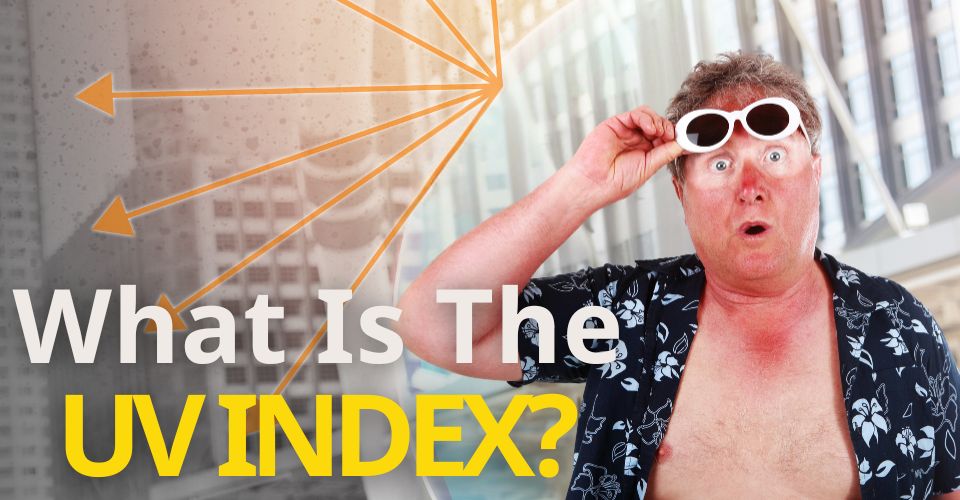 What is UV index?
What is the UV Index?
The UV Index is an international standardized scale that indicates the expected intensity of ultraviolet (UV) radiation emitted by the sun at a specific time and geographic location.

UV index indicates UV intensity from the sun at a specific time
Calculated by meteorologists using complex atmospheric data, this index accounts for ozone layer thickness, localized cloud cover, elevation, and regional surface reflectivity.
Ultraviolet radiation itself is a form of electromagnetic energy divided into three distinct wavelengths:
A UV (ultraviolet) ray is a form of electromagnetic radiation emitted by the sun and some artificial sources like tanning beds and black lights. UV rays are invisible to the human eye and have shorter wavelengths than visible light, meaning they carry more energy. Ultraviolet (UV) radiation includes UVA, UVB, and UVC rays.
|
UV Index Scale
The UV Index ranges from 0 to 11+, with higher values flashing a warning for faster skin damage. Here is how to read the brackets and adjust your outdoor exposure:
UV value | Effects |
1 - 2 Low | You can safely spend time outdoors with simple precautions. Wear sunglasses on sunny days, and if you’re prone to sunburn, be sure to cover your skin and apply a broad-spectrum sunscreen with SPF 15+ |
3 - 5 Moderate | When you are outside, take precautions such as wearing a hat, sunglasses, and using sunscreen SPF 30+. Seeking shade. |
6 - 7 High | Wear a wide-brimmed hat and sunglasses, long-sleeved shirt and pants, sunscreen SPF 30+ to protect you against sun damage. Seeking shade. |
8 -10 Very High | Wear a long-sleeved shirt, a hat, and sunscreen SPF > 30+ to protect yourself against sun damage. Seek shade. White sand on the beach and other bright surfaces will reflect UV rays and can double UV exposure. |
11+ Extreme | Unprotected skin can burn in minutes, thus, wear a long-sleeved shirt, a hat, and sunscreen SPF > 30+ to protect yourself against sun damage. Seek shade. |
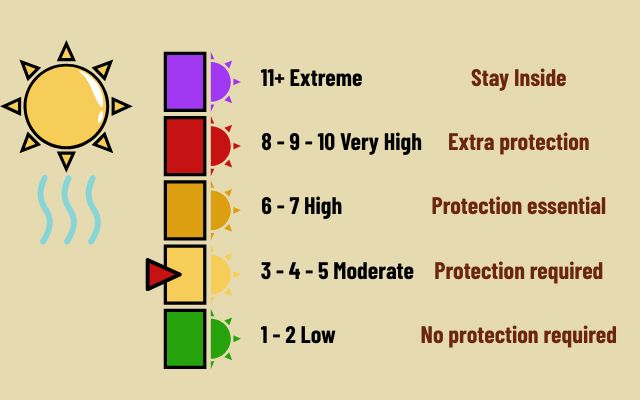
The UV index scale
Factors That Affect UV Index
The actual volume of ultraviolet energy hitting your skin depends on six environmental variables:
Time of Day: Radiation peaks when the sun is at its highest astronomical point, typically between 10:00 AM and 4:00 PM.
Season of the Year: Solar angles are much more direct during the summer months, leading to significantly higher baseline indexes compared to winter. These seasonal spikes often coincide with a prolonged regional heat wave, compounding environmental hazards.
Latitude: Regions located closer to the equator receive direct, perpendicular solar rays year-round, generating naturally elevated UV profiles.
Altitude: The atmospheric blanket is thinner at higher elevations, meaning less ultraviolet energy is filtered out. UV exposure increases by roughly 10-12% for every 1,000 meters of altitude.
Cloud Cover: While dense storm clouds block visible sunlight, light or patchy clouds can actually scatter and reflect UV rays, occasionally magnifying radiation levels on overcast days.
Surface Reflection: Surrounding terrain dictates cumulative exposure. While grass reflects less than 4% of UV energy, dry beach sand reflects 15%, concrete reflects 8-10%, and open water can bounce up to 50% of direct radiation back onto your face and body.
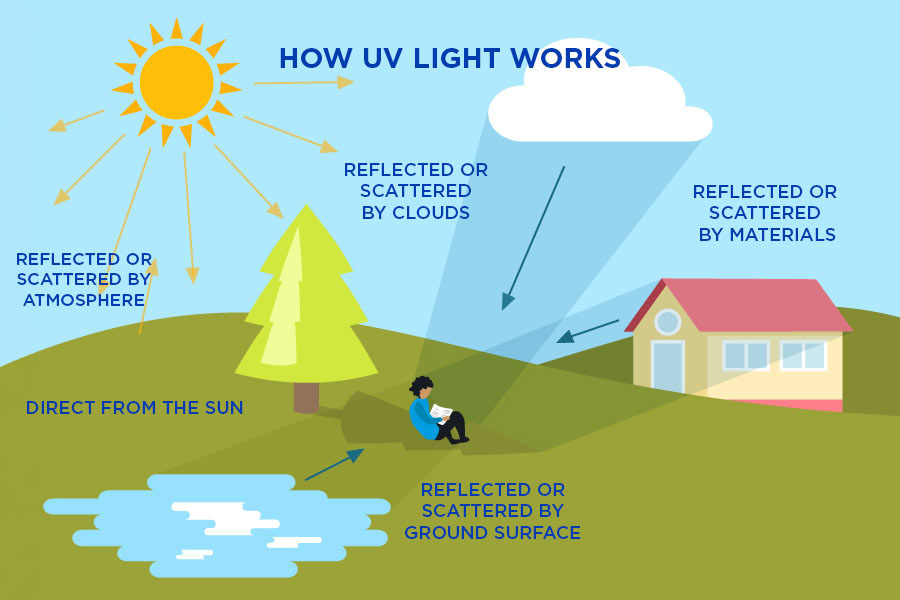
Surface reflection of UV rays
What is the UV Index in My Location?
What is the UV index right now?
What is the UV index tomorrow?
How to check UV index?
If you are wondering about the UV index in your location, visit Weather365. You will know not only UV index but also other essential weather parameters such as precipitation, cloud cover, humidity, wind speed,...
To monitor live ultraviolet shifts, cloud tracking, and hourly solar radiation forecasts customized to your exact coordinates, make sure to check our real-time Live Weather Index Dashboard. Staying updated allows you to plan your travel windows safely before stepping into intense direct sunlight.
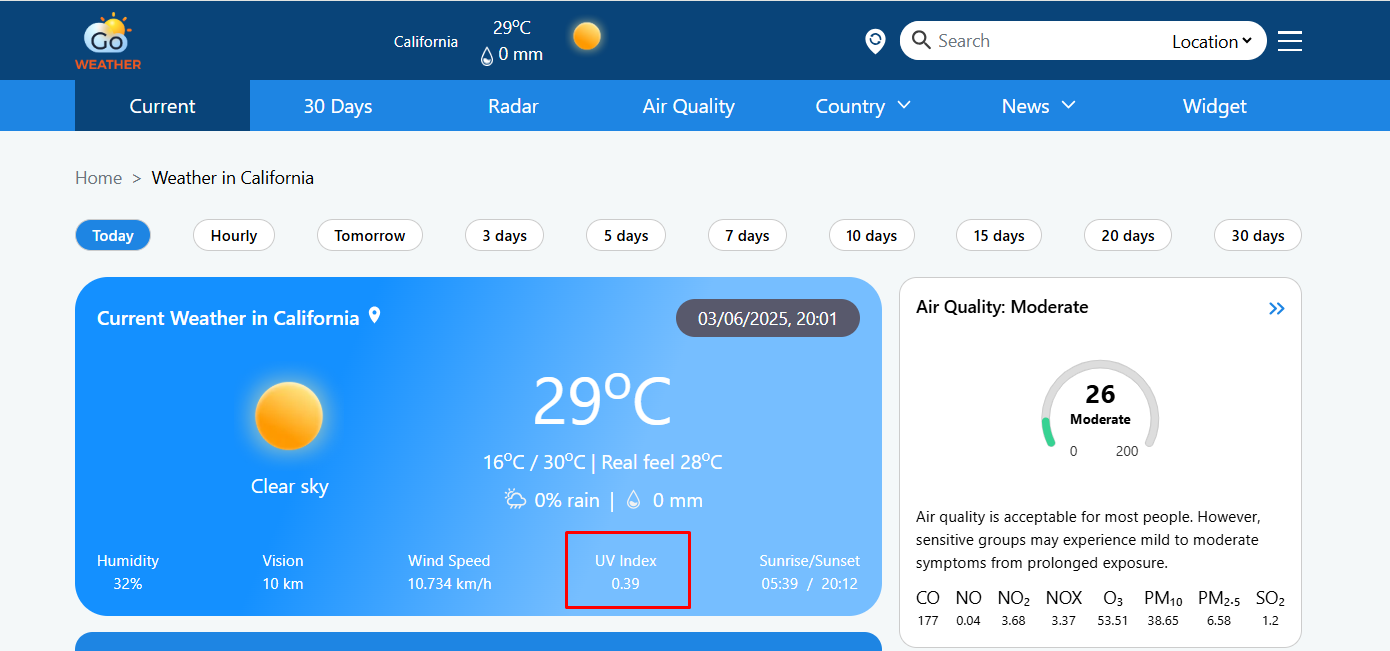
The current UV index in California
Weather365 provides hourly UV index forecasts and daily UV index forecasts. From that, you can plan and prepare carefully before going outside.
How to Stay Safe from UV Rays?
Apart from checking “what is the UV index today?”, you also need to keep in mind several safety tips below to protect yourself from UV radiation.
Stay in the shade
The most effective way to reduce your exposure to UV radiation is to limit the time you spend in direct sunlight, especially during peak hours.
When outside, seek shade under trees, umbrellas, canopies, or use a portable sunshade.
Keep in mind that UV rays can reflect off surfaces like water, sand, or pavement and still reach you in shaded areas.
For optimal protection, combine shade with other measures such as wearing protective clothing and applying broad-spectrum sunscreen.

Seek shade to protect yourself
Wear protective clothing
When outside, you should wear clothing that covers as much skin as possible to help protect against UV radiation.
However, not all fabrics offer the same level of protection.
If you can see light through a material, UV rays can likely pass through it as well.
Long-sleeved shirts, long pants, and long skirts offer the most coverage and protection.
Dark-colored clothing typically blocks more UV rays than lighter shades.
Tightly knit fabrics offer greater protection than loosely woven ones.
Dry clothing is generally more effective at blocking UV rays than wet fabric.
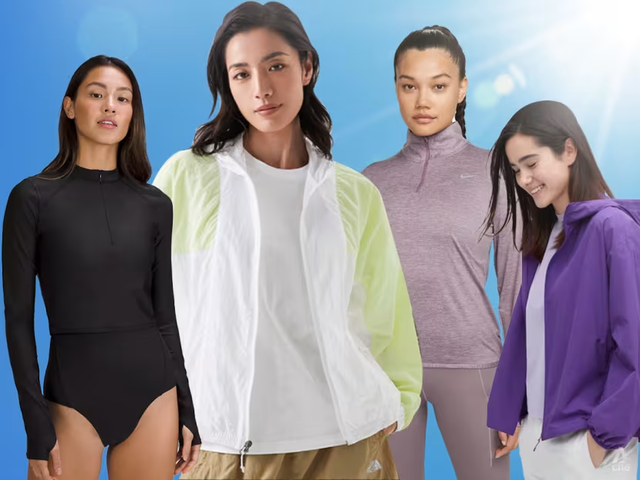
UV ray protection clothes
Use sunscreen
Sunscreen helps filter but not completely block UV rays, so it should be applied generously to all exposed skin, including often-missed areas like the scalp, ears, and feet.
To protect your lips, use an SPF lip balm. Sunscreens come in various forms, and those with sensitive skin should choose gentle formulas.
Reapply sunscreen at least every 2 hours, and you need to apply more often when swimming or sweating.
Even high-SPF sunscreens don't allow for unlimited sun exposure.
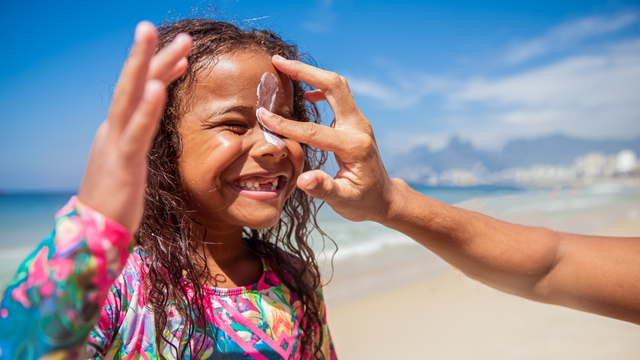
Apply sunscreen carefully to protect the skin
Put on a wide-brimmed hat
A quality hat should shield your scalp, forehead, ears, eyes, nose, and neck from the sun.
The most effective option is a wide-brimmed hat with a dark, non-reflective underside to reduce glare from reflective surfaces.
If a proper hat isn’t available, a large bandana or handkerchief worn under a baseball cap can offer extra protection, especially for the ears and neck.
Avoid straw hats, as their loose weave offers limited UV protection compared to tightly woven fabric.

A wide-brimmed hat is a perfect option to against the UV radiation
Wear sunglasses
UV-blocking sunglasses are essential for protecting both the eyes and the surrounding skin from harmful sun exposure, which can increase the risk of eye diseases, including eye cancer.
The best sunglasses should block 99% to 100% of UVA and UVB rays.
Therefore, you should look for labels such as “UV absorption up to 400 nm” or “Meets ANSI UV Requirements.”
Larger frames or wraparound styles offer better protection from different angles, and kids should wear real protective sunglasses, not toys.

Wear sunglasses to protect eyes from the sun damage
Avoid indoor tanning devices
Tanning beds, lamps, and booths emit both UVA and UVB rays, which can cause long-term skin damage and increase the risk of skin cancer, particularly melanoma.
Their use is not recommended, especially for those under 30.
UV lamps used in nail salons give off lower levels of UVA rays, and while the cancer risk is considered low, applying sunscreen to the hands before use is advised for added protection.
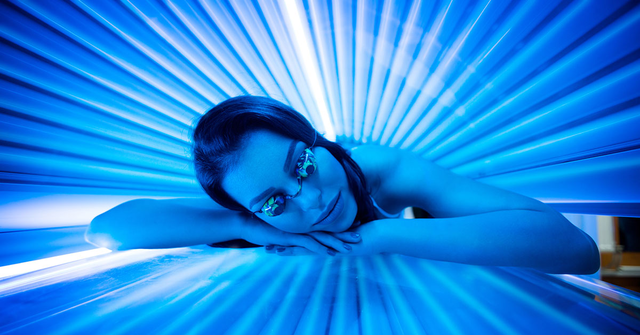
Limit using indoor tanning devices
Moisturize the skin
Moisturizing your skin is an important step in protecting it from UV damage.
Well-hydrated skin maintains a stronger natural barrier, making it more resilient against the harmful effects of the sun.
Choose a moisturizer that includes SPF to add an extra layer of protection.
This not only helps prevent dryness and peeling caused by sun exposure but also supports overall skin health, especially when used daily.
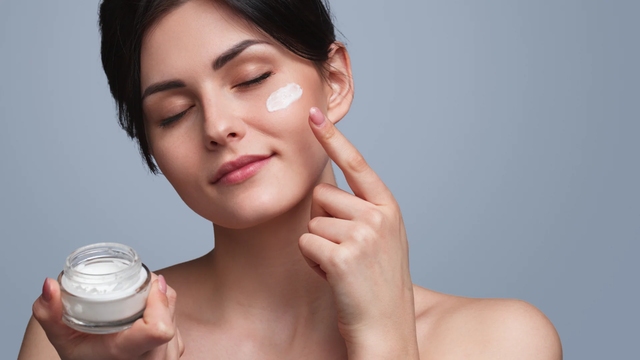
Moisturize the skin in both summer and winter
Reviewing an established collection of heat safety tips will help you master full-spectrum family care during hazardous summer cycles.
Closing Thoughts
Understanding what is the UV index, UV index scale helps individuals to make informed decisions about sun safety, reducing the risk of health issues like skin cancer. Paying attention to the UV Index and taking appropriate protective measures can help you enjoy the outdoors while staying safe and healthy.
Frequently Asked Questions (FAQs)

8 Comment
Carson Fuller
Does the UV index change throughout the day? Or is it basically the same from morning to evening?
weather365
It changes quite a bit. UV is usually strongest around solar noon and much lower in the early morning and late afternoon.
Alexandra Houston
Cloudy days always trick me 😂 I never think about sunscreen when the sun isn't out.
weather365
You're not alone! Clouds can reduce UV, but they don't block all of it, so protection can still be important.
Ada Campbell
What UV index is considered dangerous? I never know when sunscreen becomes a must.
weather365
UV levels of 3 or higher generally mean sun protection is recommended, with stronger protection needed as the index increases.
Jane Tyler
can the UV index be high even when it's not particularly hot outside?
weather365
Yes. UV levels aren't directly tied to air temperature, so you can have strong UV radiation on a relatively cool day.
Leave a comment
Your email address will not be published. Required fields are marked *