




What is a Heat Dome? What Can We Do to Deal With a Heat Dome?


Have you ever wondered, "What is a heat dome,” and why it makes headlines during extreme weather events? In fact, it is a high-pressure phenomenon that traps hot air over an area.
In this article, we will break down the true scientific meaning of a heat dome, how it forms, its destructive impacts on the environment, and how you can protect your household.
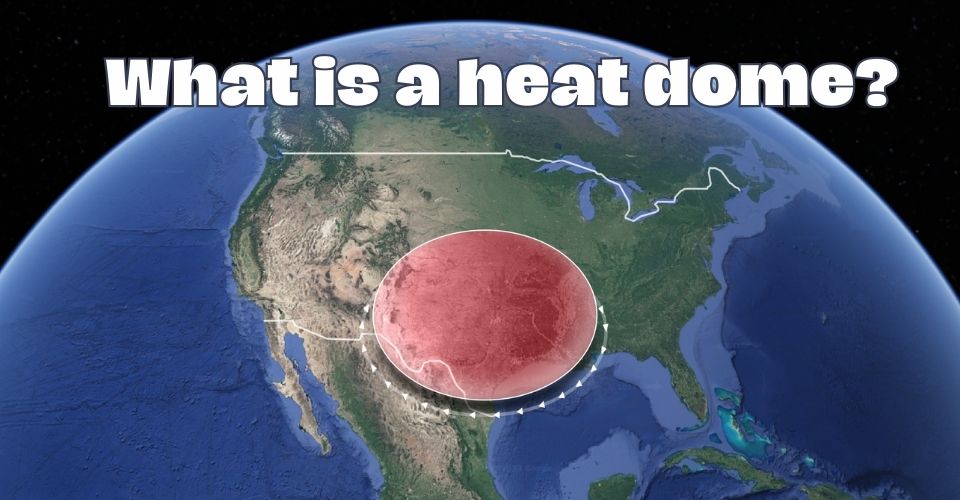
What is the definition of a heat dome?
What is a Heat Dome?
A heat dome is a meteorological phenomenon that occurs when the atmosphere traps hot ocean air beneath it, acting almost like a giant pot lid.
This "lid" is created by a strong, stagnant ridge of high pressure. When high-pressure systems dominate an area, they push air downward toward the surface. As this air sinks, it compresses and warms up significantly.
This trapped dome of hot air prevents clouds from forming, leading to an abundance of continuous, direct sunshine and forcing ground temperatures to break historical records.
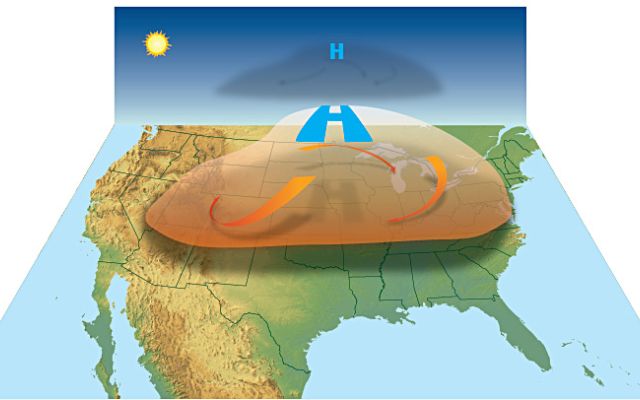
What's a heat dome?
Heat Dome vs. Heat Wave: What is the Difference?
From the above definition, many people may ask, “What is a heat dome vs heat wave?” Although both are linked to extreme heat, there is a meteorological difference between them.
The Phenomenon (The Cause): A heat dome refers to the massive high-pressure system in the upper atmosphere that traps the air.
The Experience (The Effect): A heat wave is the actual prolonged period of abnormally hot weather experienced by people on the ground.
Moreover, a heat wave occurs when a particular location receives above-average temperatures over an extended time.
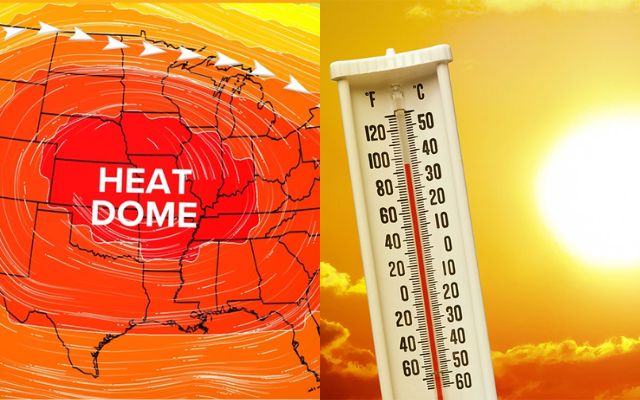
Heat waves vs heat domes
In contrast, a heat dome is a distinct meteorological event. As previously explained, a high-pressure system lingers over a certain area, trapping heated air.
This can result in more severe and long-lasting heat than typical heat waves.
What Causes a Heat Dome?
The formation of a heat dome is heavily driven by a strong gradient in ocean temperatures, particularly across the tropical Pacific Ocean. During the preceding months, ocean temperatures in the western Pacific rise compared to the eastern Pacific, heating the air above the water.
As the jet stream—a fast-flowing river of air high in the atmosphere—moves from west to east, it scoops up this warm air and pushes it over landmasses.
[Ocean Temperature Gradients] ➔ [Warm Air Driven by Jet Stream] ➔ [High-Pressure Trapped Ridge] ➔ [Heat Dome Forms]
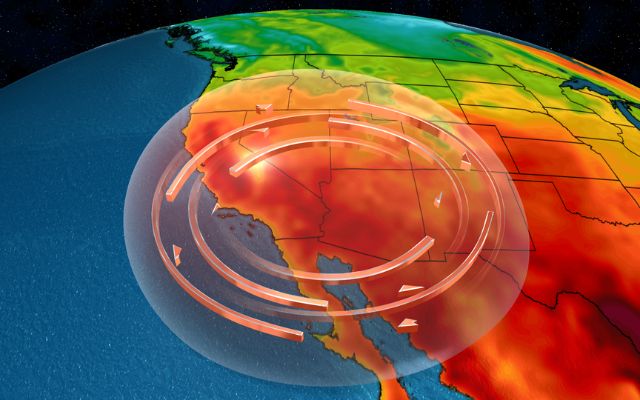
What causes a heat dome to form?
Typically, the wind blows from west to east in a wavelike pattern, traveling north, then south, and then back north. The difference in air temperature accentuates the meandering, forcing the air to travel slowly or become stagnant.
Finally, heat domes form as a result of these powerful, high-pressure atmospheric conditions.
Where and How Does a Heat Dome Destabilize Regions?
Heat domes are not localized events; they can engulf entire continents, leaving severe ecological and public health crises in their wake.
Historic and Recent Case Studies
The 1936 North American Dust Bowl: One of the most catastrophic heat ridges in US history, causing severe agricultural losses.
The 2003 European Heatwave: A massive high-pressure block over Europe that led to unprecedented heat-related fatalities.
The June 2021 Pacific Northwest Crisis: A historic heat dome settled over Washington, Oregon, and British Columbia. It drove temperatures to an astonishing 108°F in Seattle and a record-breaking 116°F in Portland.
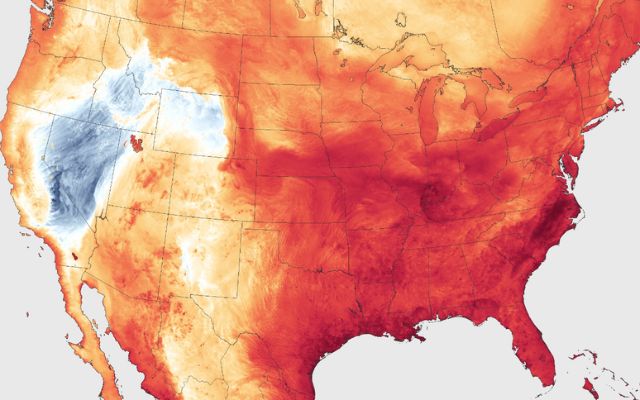
A heat dome causes excessive temperatures
The True Impacts on Infrastructure and the US
When a heat dome settles over a country, the consequences cascade across multiple sectors:
Urban Heat Islands: The intensity of these systems is felt most brutally within the hottest cities in the us, where vast concrete infrastructure absorbs and re-radiates heat throughout the night.
Water Stress and Severe Droughts: Heat domes literally bake the moisture out of the soil and prevent rain systems from entering. Without replenishing precipitation, reservoirs drop dangerously low, forcing cities to find immediate solutions to water scarcity
Wildfire Escalation: The fatal combination of bone-dry vegetation, low humidity, and blistering heat makes forests highly combustible, allowing wildfires to ignite easily and spread uncontrollably.
Air Quality Degradation: Sinking air traps pollutants, ozone, and smog close to the ground, severe triggering respiratory conditions like asthma.
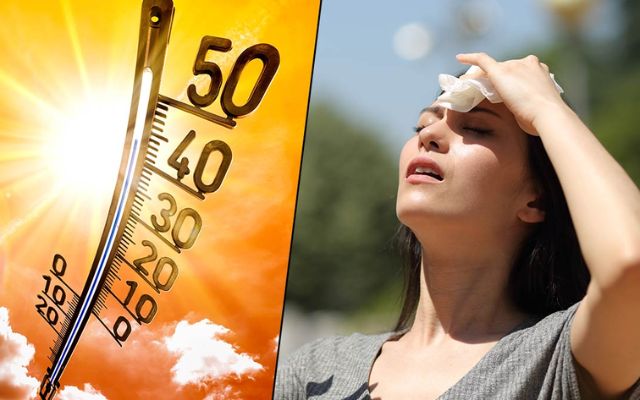
A prolonged heatwave
How to Deal With the Heat Dome?
Heat domes are life-threatening to both humans and wildlife. They may not only set record-high temperatures during the day, but also raise temperatures at night.
Ensure you review comprehensive heat safety tips before the summer peaks. Always prioritize staying indoors with functional ventilation, tracking your local air quality index, and protecting vulnerable neighbors from the severe impacts of hyperthermia.
As a result, it is critical to follow certain heat safety tips, as detailed below:
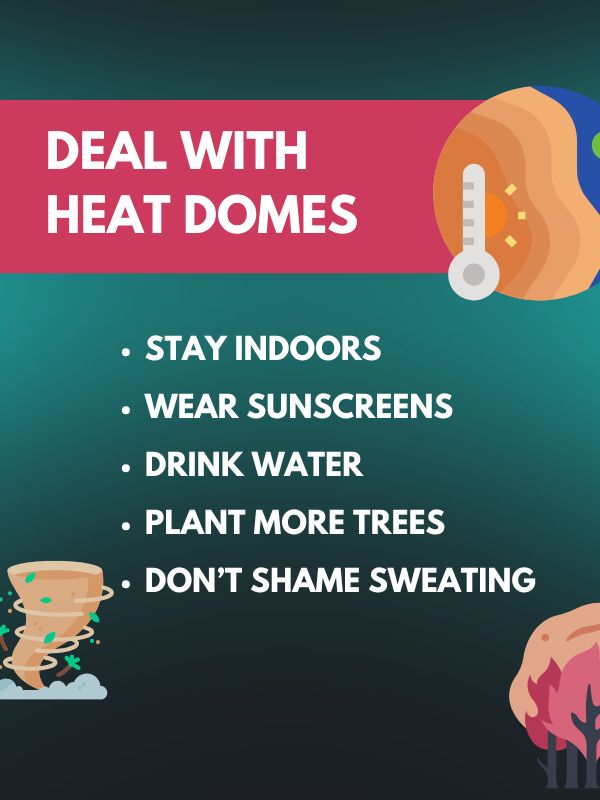
How to stay safe in extreme heat?
Closing Thoughts
Understanding what is a heat dome can help us better prepare for extreme heat events that are becoming more frequent due to climate change. By staying informed and taking proper precautions, individuals and communities can reduce the impact of prolonged heat waves and stay safe during these intense weather conditions.
Frequently Asked Questions (FAQs)

16 Comment
Gracelyn Douglas
What happens when the high-pressure system finally moves away? Does the temperature drop quickly or does it take a few days?
weather365
It depends on the weather pattern. Sometimes cooler air moves in fairly quickly, while other events fade more gradually.
Eleanor Howard
I used to think a heat dome was just another name for a heat wave 😅 Apparently not.
Axel Morales
Is the jet stream the main reason heat domes are so difficult to predict?
weather365
It can be a big part of it. Changes in the jet stream can influence how long a high-pressure pattern stays in place.
Keith Davidson
The 2021 Pacific Northwest heat dome was insane. 116°F in Portland is hard to imagine.
Walter Allen
Wait, can a heat dome actually make air pollution worse too?
weather365
Yes. Stagnant air under high pressure can limit how quickly pollutants disperse, which can make air quality worse.
Otto Howard
The wildfire risk part makes sense. Extreme heat + dry vegetation sounds like a pretty dangerous combination.
River Sanders
Several weeks of this sounds awful. How do meteorologists know when a heat dome is starting to break?
weather365
They watch changes in the high-pressure pattern and jet stream. Once the pattern shifts, cooler air can finally move in.
Heidi Hopkins
Does a heat dome always lead to a heat wave, or can you have one without the other?
weather365
Not necessarily. A heat dome can create the conditions for a heat wave, but the actual impact depends on the location and how extreme the temperatures become.
Selena Fleming
I keep hearing "heat dome" in the news but never really knew what it meant.
Lucia Edwards
So the high-pressure system is basically trapping hot air over the same area? That explains a lot.
weather365
Exactly. The high-pressure system can act like a lid, causing hot air to build up and stick around.
Leave a comment
Your email address will not be published. Required fields are marked *