




How to protect yourself from air pollution? Effective ways to stay healthy


How to protect yourself from air pollution? With air pollution linked to millions of premature deaths worldwide each year, protecting yourself has never been more important. The good news is that a few simple indoor and outdoor habits can significantly reduce your exposure. Keep reading to discover practical tips that help you breathe cleaner air and stay healthier every day.
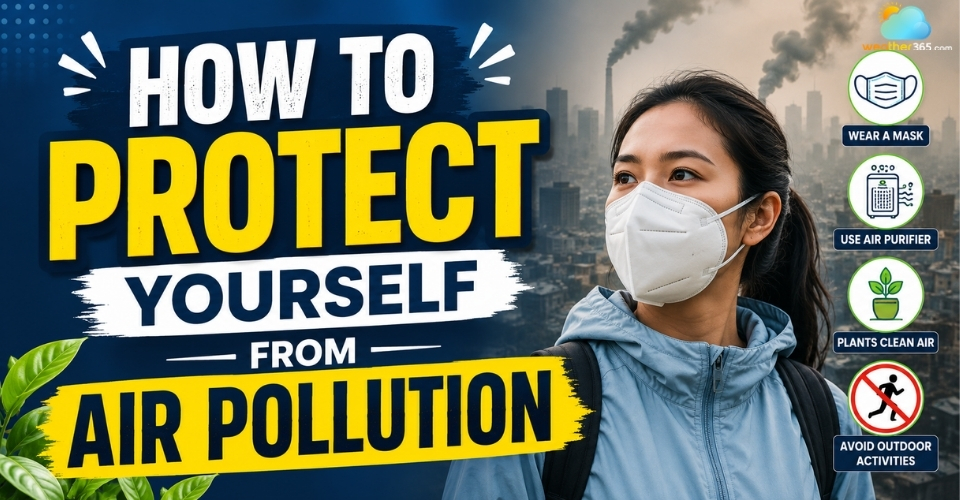
How to protect yourself from air pollution
- Who’s at risk during air pollution?
- How to protect yourself from air pollution indoors?
- Improve Home Ventilation
- Use an Air Purifier
- Keep Indoor Humidity Between 30% and 50%
- Reduce Indoor Pollution Sources
- Maintain HVAC Systems
- How to protect yourself from air pollution outdoors?
- Check Air Quality Before Going Outside
- Limit Outdoor Activities During High Pollution Days
- Wear a High-Quality Face Mask
- Choose Cleaner Routes for Walking and Cycling
- Keep Vehicle Windows Closed in Heavy Traffic
Who’s at risk during air pollution?
Anyone can be affected by air pollution, but some groups face a much higher risk of health problems when pollution levels rise.
Air pollution is caused by both human activities and natural events.
Common sources include traffic, factories, burning fossil fuels, construction dust, and wildfire smoke.
If you'd like to learn more about where these pollutants come from, check out our guide on what causes air pollution.
People with respiratory or heart conditions
Individuals with asthma, chronic obstructive pulmonary disease (COPD), bronchitis, or heart disease are often the first to feel the effects of polluted air.
Air pollutants can irritate the airways, worsen symptoms, and increase the risk of flare-ups or medical emergencies.
Children
Children are especially sensitive to air pollution because their lungs are still developing.
They also tend to spend more time outdoors and breathe more air relative to their body size than adults, increasing their exposure to pollutants.
Older adults
As people age, lung function naturally declines and chronic health conditions become more common.
This can make older adults more susceptible to breathing difficulties, respiratory infections, and cardiovascular complications linked to air pollution.
Pregnant people
Exposure to polluted air during pregnancy can affect both the mother and the developing baby.
→ For the mother: Air pollution may increase the risk of high blood pressure, pregnancy complications, and respiratory problems.
→ For the baby: It has been linked to preterm birth, low birth weight, restricted fetal growth, and a higher risk of breathing and developmental problems later in childhood.
Outdoor workers and active adults
People who work or exercise outdoors often breathe in larger amounts of polluted air, especially on days with high pollution levels.
Construction workers, delivery drivers, landscapers, runners, and cyclists may experience greater exposure simply because they spend more time outside.
Low-income communities
Many low-income communities are located closer to highways, industrial facilities, or other major pollution sources.
Limited access to healthcare, air filtration systems, and cleaner living environments can further increase health risks.
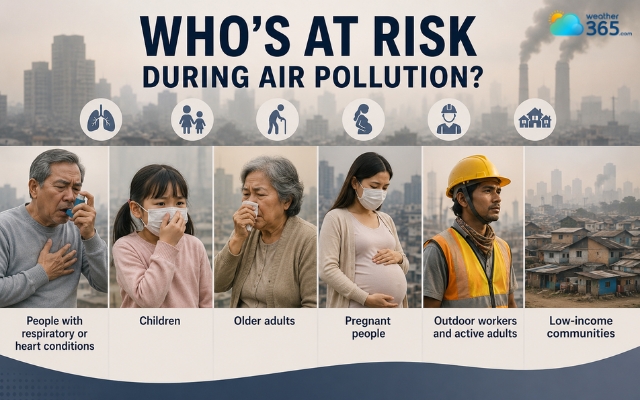
Vulnerable groups to air pollution
How to tell if you're being affected by air pollution?
The effects of air pollution can vary from person to person. Some symptoms appear quickly, while others develop after long-term exposure.
Common signs include:
Coughing or wheezing
Shortness of breath
Chest tightness
Sore throat
Increased mucus production
Eye irritation, redness, or watering
Burning sensation in the nose or throat
Headaches
Fatigue or unusual tiredness
For people with existing health conditions, air pollution may also trigger symptom flare-ups, such as:
Asthma attacks
COPD exacerbations
Increased allergy symptoms
Worsening heart-related symptoms
If you frequently experience these symptoms when air quality is poor, it may be a sign that air pollution is affecting your health.
Monitoring local air quality conditions and taking protective measures can help reduce your exposure and lower potential health risks.
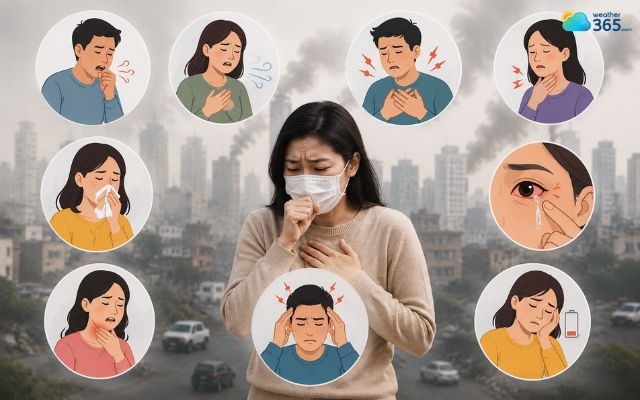
Physical symptoms of air pollution exposure
How to protect yourself from air pollution indoors?
You can reduce your exposure to indoor air pollution by improving airflow, controlling humidity, and removing common sources of pollutants inside your home.
Many people assume air pollution is only an outdoor problem, but indoor air can also contain dust, smoke, chemicals, mold spores, and other pollutants.
Because we spend so much time inside, improving indoor air quality is one of the most effective ways to protect long-term health.
Improve Home Ventilation
Good ventilation helps dilute and remove pollutants that build up indoors.
Fresh air circulation can lower the concentration of airborne particles, odors, and chemicals that may otherwise remain trapped inside your home.
When to open windows
Opening windows is a simple way to improve ventilation, but it works best when outdoor air quality is good.
Try opening windows during times of lower traffic or after checking local air quality reports.
Make sure to check current California AQI levels or look up conditions in your local area.
On days with heavy pollution, wildfire smoke, or high pollen levels, keeping windows closed may be the better option.
Using exhaust fans in kitchens and bathrooms
Cooking and showering can release pollutants and excess moisture into the air.
Kitchen exhaust fans help remove smoke, grease particles, and cooking fumes, while bathroom fans reduce humidity that could contribute to mold growth.
Using these fans regularly can make a noticeable difference in indoor air quality.
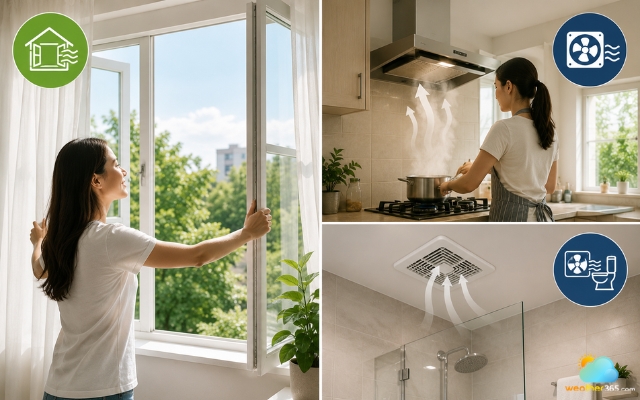
Good ventilation can remove pollutants indoors
Use an Air Purifier
Even with proper ventilation, some airborne pollutants can remain indoors.
An air purifier adds another layer of protection by filtering particles from the air before they are inhaled.
Benefits of HEPA filtration
Air purifiers equipped with HEPA filters are particularly effective because they can capture very small particles, including dust, pollen, pet dander, smoke, and fine particulate matter.
This makes them especially helpful for people with allergies, asthma, or other respiratory conditions.
Choosing the right air purifier
When selecting an air purifier, make sure it is designed for the size of the room where it will be used. A model with a true HEPA filter generally offers the best particle removal performance.
It's also important to consider maintenance requirements, such as how often replacement filters are needed.
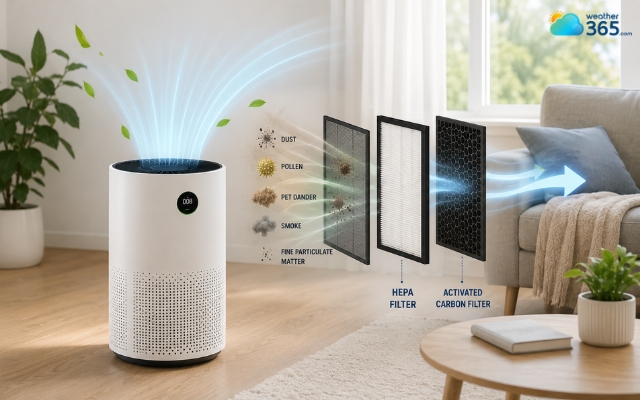
An air purifier can capture very small particles
Keep Indoor Humidity Between 30% and 50%
Humidity levels have a direct impact on indoor air quality. Air that is too damp can encourage the growth of mold and dust mites, while overly dry air may irritate the eyes, throat, and respiratory system.
Maintain balanced humidity
It helps create a healthier indoor environment. Excess moisture allows biological pollutants to thrive, while dry conditions can make airborne particles more easily circulated.
For a more detailed explanation, see our guide on how humidity affects air quality.
Preventing mold and dust mites
Keeping indoor humidity between 30% and 50% can significantly reduce the conditions that allow mold and dust mites to grow.
Using a dehumidifier in damp areas, fixing water leaks quickly, and improving airflow in moisture-prone rooms can help maintain healthy humidity levels.
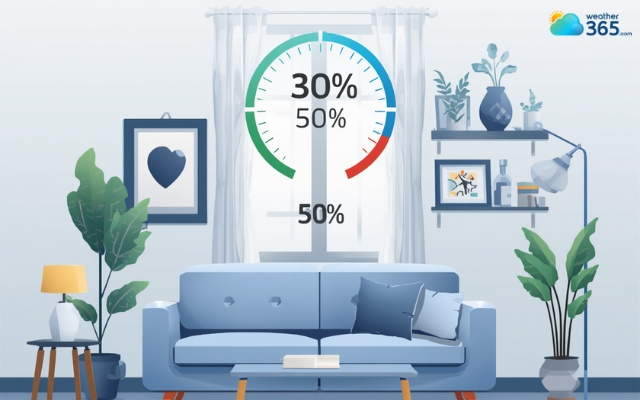
Maintaining balanced humidity for a healthier indoor environment
Reduce Indoor Pollution Sources
One of the most effective ways to improve indoor air quality is to prevent pollutants from entering the air in the first place.
Avoid smoking indoors
Cigarette smoke contains thousands of harmful chemicals and fine particles that can linger in the air long after smoking ends.
Maintaining a smoke-free home protects both residents and visitors from unnecessary exposure.
Limit use of harsh chemical cleaners
Many cleaning products release volatile organic compounds (VOCs) that can contribute to indoor air pollution.
Choosing gentler alternatives and ensuring good ventilation while cleaning can help reduce exposure to these chemicals.
Choose low-VOC products
When purchasing paint, furniture, flooring, or household products, consider low-VOC options.
These products release fewer airborne chemicals and can help maintain healthier indoor air over time.
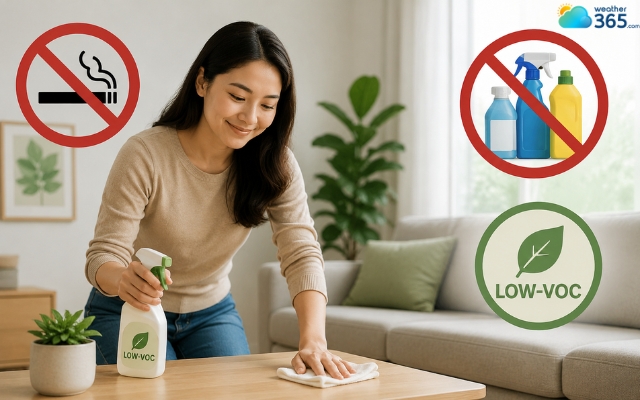
Prevent pollutants from entering the air
Maintain HVAC Systems
Your heating, ventilation, and air conditioning system plays a key role in circulating and filtering indoor air.
A poorly maintained system may spread dust and pollutants throughout the home instead of removing them.
Change air filters regularly
Air filters gradually become clogged with dust and debris.
Replacing them according to the manufacturer's recommendations helps maintain airflow and improves the system's ability to capture airborne particles.
Schedule routine maintenance
Regular HVAC inspections can help ensure the system operates efficiently and maintains good indoor air quality.
Professional maintenance can also identify issues before they affect airflow, filtration performance, or overall comfort.
Taking these simple steps can greatly reduce indoor pollution levels and create a cleaner, healthier environment for everyone in your home.
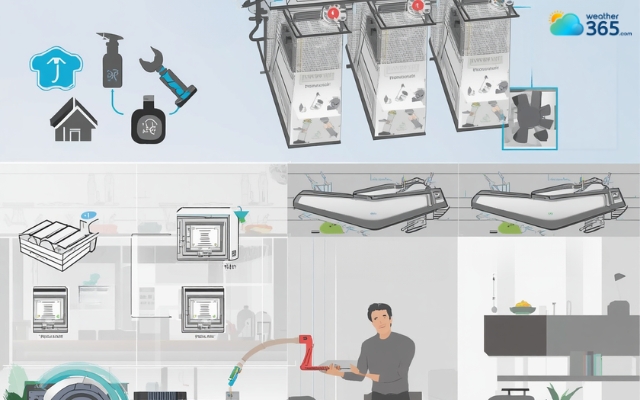
Regularly maintain HVAC Systems
How to protect yourself from air pollution outdoors?
The best way to protect yourself outdoors is to monitor air quality, limit exposure during high-pollution periods, and take simple precautions when spending time outside.
Unlike indoor environments, outdoor air pollution is often harder to control.
However, by adjusting your daily habits and paying attention to air quality conditions, you can significantly reduce the amount of pollution you breathe in.
Check Air Quality Before Going Outside
One of the easiest ways to reduce exposure is to know the air quality before heading outdoors.
A quick check can help you decide whether it's safe to exercise, commute, or spend extended periods outside.
Understanding the Air Quality Index (AQI)
The Air Quality Index (AQI) is a tool used to measure how clean or polluted the air is and whether it may affect your health.
As AQI levels increase, the potential health risks also rise, especially for sensitive groups such as children, older adults, and people with respiratory conditions.
If you're unfamiliar with AQI categories and what the numbers mean, check out our guide on what is the Air Quality Index.
Today, it's easy to track local air quality through websites and mobile apps.
Before stepping out, take a moment to see the live Kansas weather and air quality forecast to plan your outdoor routine around safer, low-smog hours.
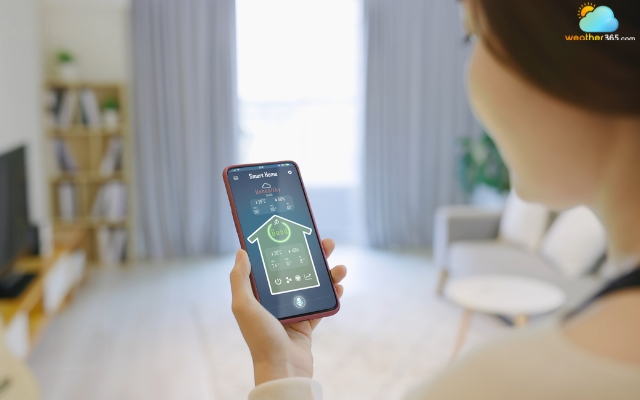
Reduce air pollution exposure to stay safe
Limit Outdoor Activities During High Pollution Days
When air pollution levels are elevated, reducing the amount of time you spend outside can lower your exposure to harmful pollutants.
Avoid strenuous exercise when pollution levels are high
Physical activity causes you to breathe faster and more deeply, which means more pollutants can enter your lungs.
Running, cycling, or intense workouts during poor air quality conditions may increase the amount of pollution you inhale.
Plan activities during times of lower pollution
Pollution levels often change throughout the day. If possible, schedule outdoor activities when air quality is better rather than during peak traffic hours or pollution alerts.
Even small timing adjustments can help reduce exposure.
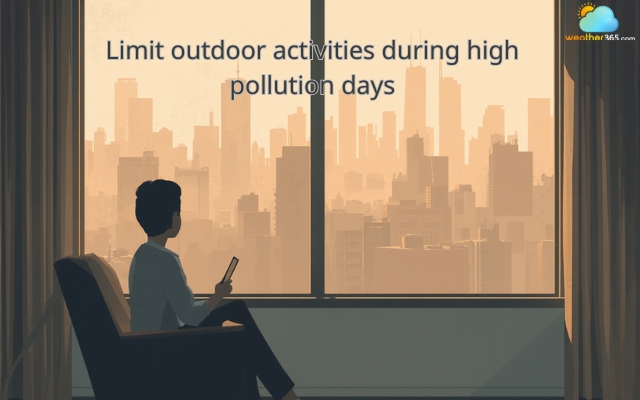
Reduce time spent outside when the air is polluted
Wear a High-Quality Face Mask
A well-fitted mask can provide an additional layer of protection when outdoor pollution levels are high.
Unlike standard cloth masks, N95 and KN95 respirators are designed to filter a large percentage of fine airborne particles, including PM2.5.
This makes them particularly useful during wildfire smoke events, dust storms, or severe pollution episodes.
If you're unsure when a mask is recommended, see our guide on what air quality should you wear a mask.
Masks work best when pollution levels are elevated and when they fit properly around the nose and mouth.
They are especially useful for people who must spend time outdoors despite poor air quality conditions.
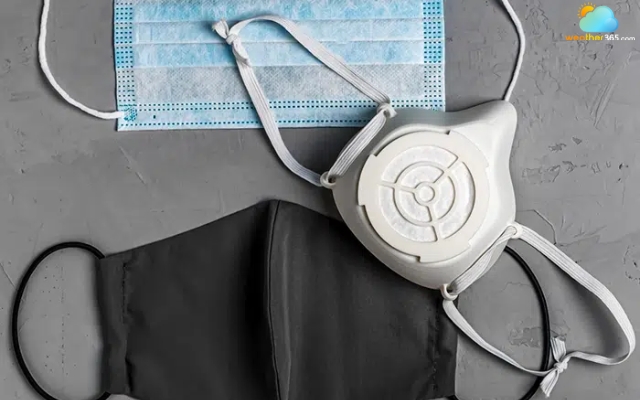
Choose a high-quality face mask
Choose Cleaner Routes for Walking and Cycling
Where you walk, run, or cycle can have a significant impact on how much pollution you breathe in.
Avoid busy roads and traffic congestion
Roads with heavy traffic often have higher concentrations of vehicle emissions.
Walking or exercising directly alongside major roads may increase your exposure to harmful pollutants, even if the distance traveled is relatively short.
Use parks and green spaces when possible
Whenever possible, choose routes through parks, trails, or green spaces.
These areas are often farther from traffic sources and may provide cleaner air than heavily congested streets.
If you're a runner, it helps to check Phoenix hourly weather and pollution reports to find the clearest window of the day.
Read more: What AQI is unhealthy to run.
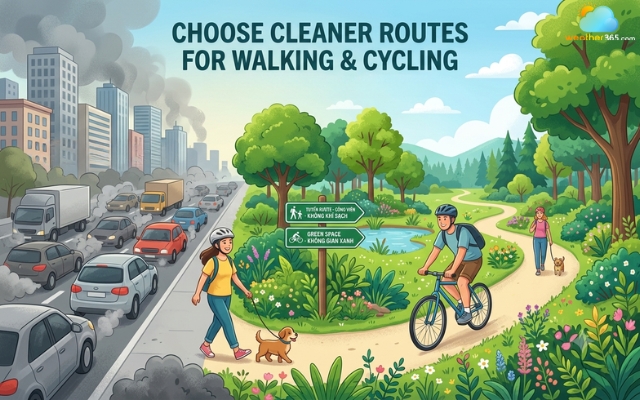
Exercising in a healthy air quality places
Keep Vehicle Windows Closed in Heavy Traffic
Even while driving, you can be exposed to pollutants from surrounding vehicles.
Reduce exposure to exhaust fumes
When stuck in traffic or driving through highly congested areas, keeping your windows closed can help reduce the amount of exhaust entering the vehicle.
This is particularly important when following diesel trucks or other high-emission vehicles.
Use cabin air recirculation settings
Most modern vehicles include a recirculation mode that limits the amount of outside air entering the cabin.
Using this setting during heavy traffic can help reduce exposure to pollutants and improve in-car air quality.
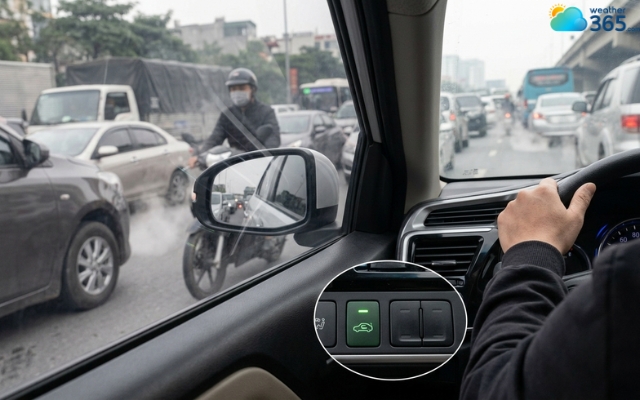
Stay safe by keeping vehicle windows closed
The bottom line
How to protect yourself from air pollution comes down to reducing your exposure both indoors and outdoors. Simple habits like monitoring air quality, improving ventilation, using air purifiers, and avoiding high-pollution environments can make a meaningful difference. By taking proactive steps, you can protect your lungs, support overall health, and breathe easier every day.
Frequently Asked Questions (FAQs)
Related post
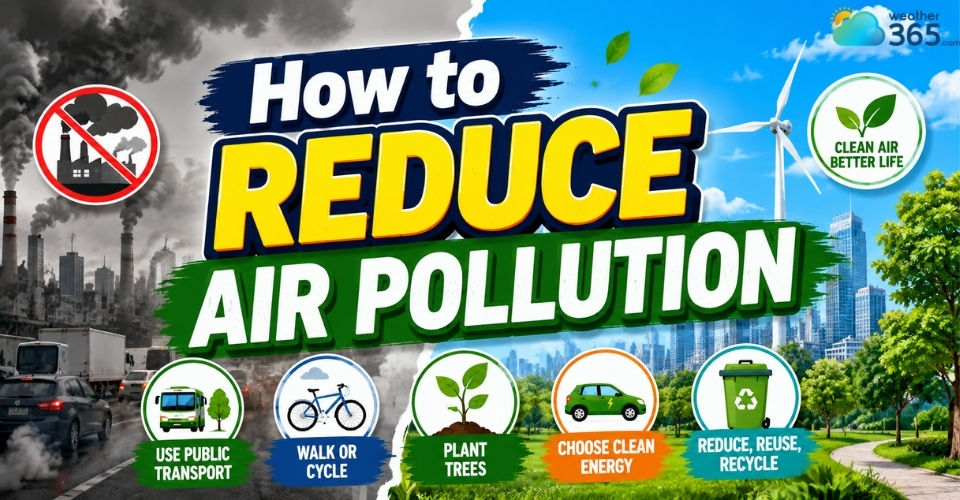
How To Reduce Air Pollution? TOP Effective Solutions
 9
9
 0
0
 4.7
4.7
 17/09/2026
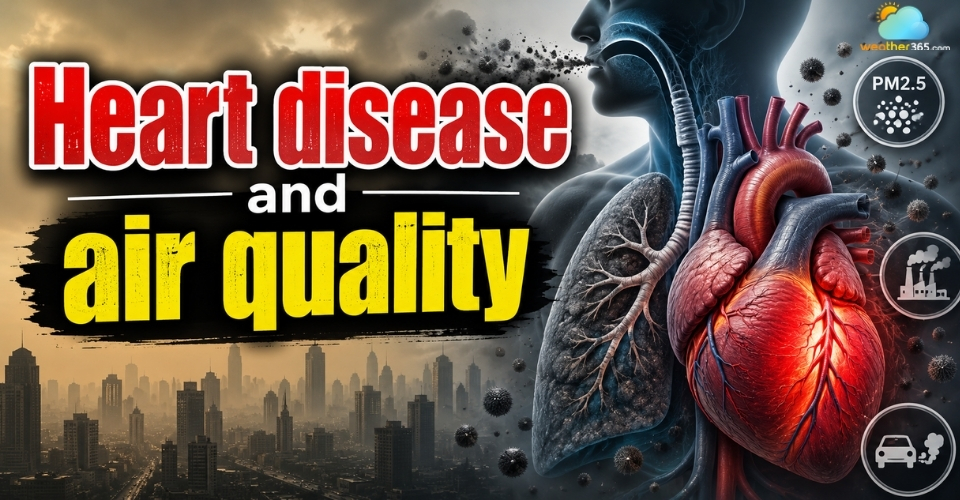
Heart Disease and Air Quality: Health Effects & Protection
8
0
4.8
15/09/2026
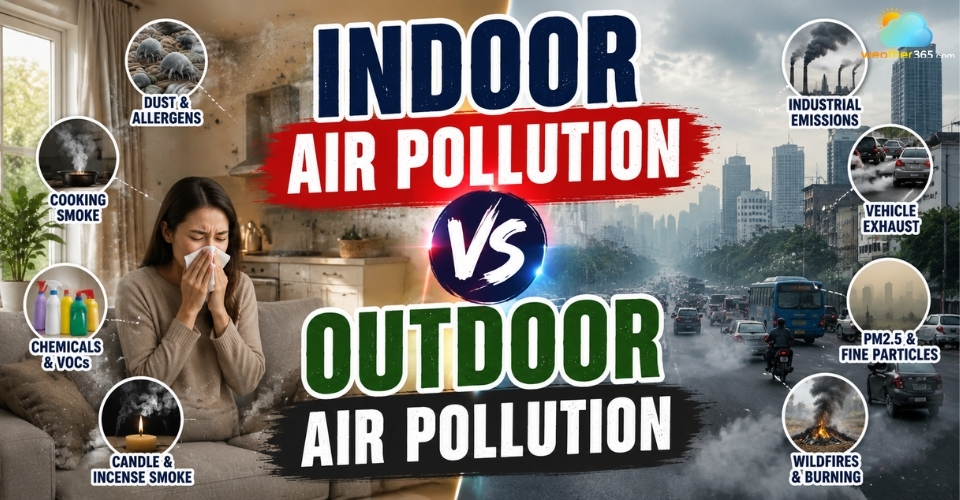
Indoor Air Pollution vs Outdoor Air Pollution: What is the Difference?
4
0
4.7
17/09/2026

0 Comment
Leave a comment
Your email address will not be published. Required fields are marked *