




Indoor Air Pollution vs Outdoor Air Pollution: What is the Difference?


Indoor air pollution vs outdoor air pollution is a topic that affects everyone, yet many people overlook the risks around them. Studies show that people spend up to 90% of their time indoors, where pollutant levels can sometimes exceed outdoor concentrations. Discover the key differences, health impacts, and practical ways to improve the air you breathe every day!
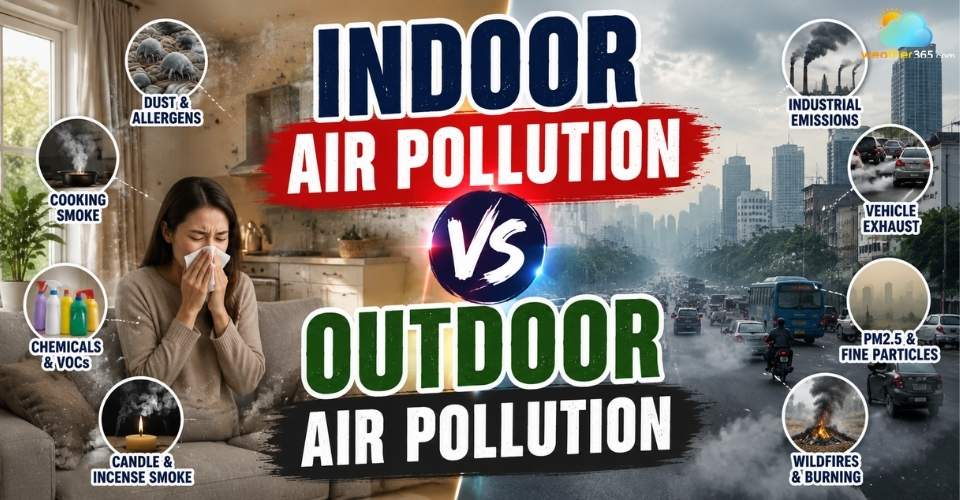
Indoor air pollution vs outdoor
Indoor air pollution vs outdoor: Key differences
The main difference is that indoor air pollution comes from sources inside buildings, while outdoor air pollution is generated by activities in the surrounding environment.
Common Sources
Indoor pollution is usually caused by daily activities such as cooking, smoking, using cleaning products, and poor ventilation.
Mold, dust, pet dander, and emissions from furniture can also affect indoor air quality.
Outdoor pollution mainly comes from vehicle exhaust, industrial emissions, power plants, wildfires, construction sites, and agricultural activities.
Main Pollutants
Indoor air commonly contains VOCs, carbon monoxide (CO), PM2.5, mold spores, dust mites, and radon. These pollutants often build up when ventilation is limited.
Outdoor air is more likely to contain ozone, nitrogen dioxide (NO₂), sulfur dioxide (SO₂), PM2.5, PM10, and other pollutants produced by traffic and industry.
Exposure Time
People typically spend most of their day indoors, which can lead to longer exposure to indoor pollutants.
Outdoor exposure varies depending on where a person lives, weather conditions, and daily activities.
Before heading outside, it's always wise to track the latest NYC weather forecast and AQI levels to minimize unexpected exposure.
Health Effects
Indoor air pollution often causes allergies, headaches, eye irritation, and asthma symptoms.
Outdoor pollution is more strongly linked to respiratory diseases, cardiovascular problems, and long-term lung damage.
Control Methods
Indoor pollution can be reduced by improving ventilation, using air purifiers, controlling humidity, and removing pollution sources.
Learn more about How does high humidity affect air quality!
Outdoor pollution requires larger-scale solutions such as reducing emissions, adopting cleaner energy, and strengthening environmental regulations.
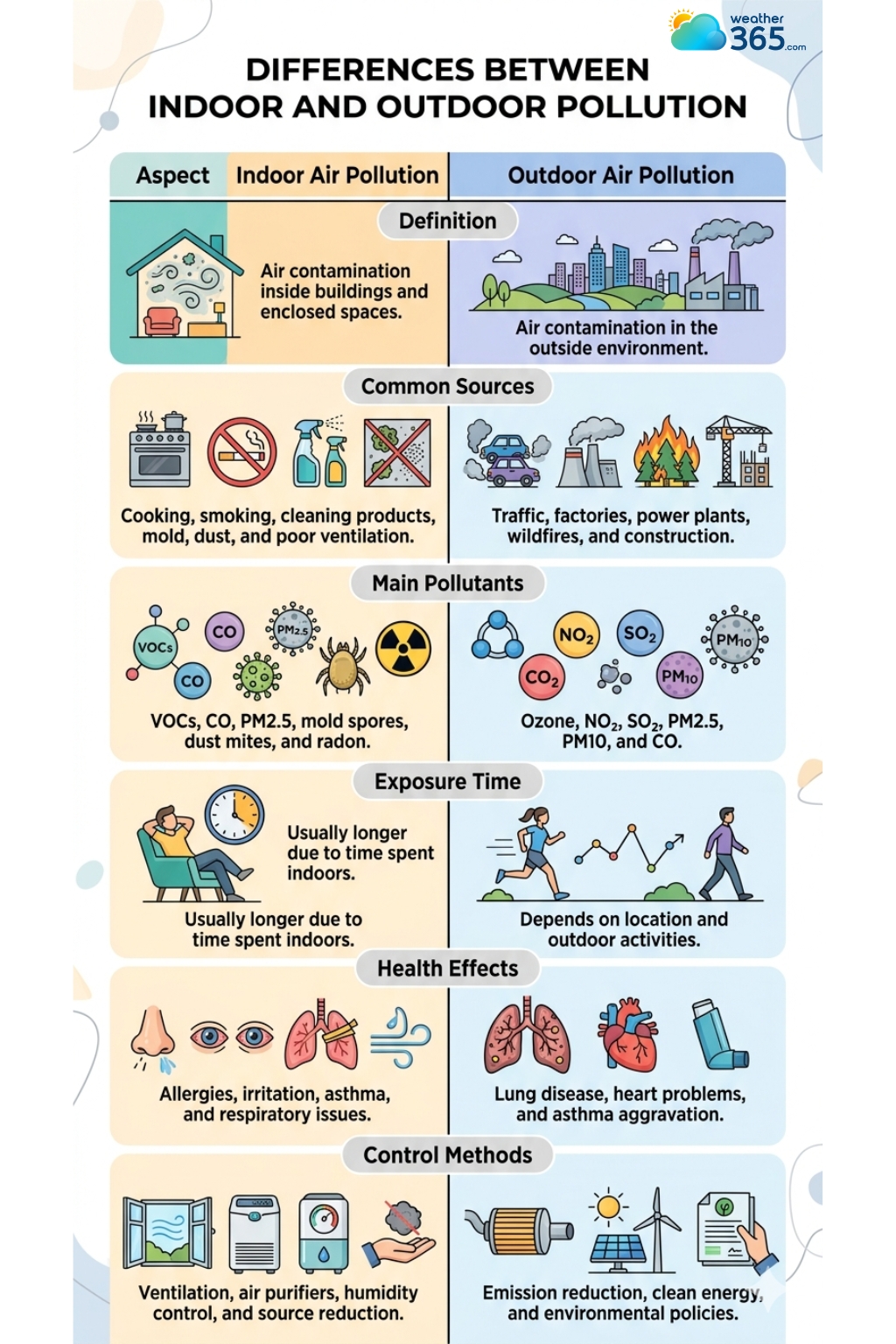
The difference between indoor and outdoor pollution
Which is more dangerous: Indoor Air Pollution vs Outdoor?
Indoor air pollution can sometimes be more dangerous because people are exposed to it for much longer periods.
Many people associate air pollution with smog, traffic, and factory emissions outdoors.
However, indoor air can occasionally contain higher concentrations of pollutants, especially in buildings with poor ventilation.
Cooking fumes, tobacco smoke, cleaning chemicals, mold, and VOCs can become trapped indoors and build up over time.
Another important factor is exposure. Most people spend around 80–90% of their day inside homes, offices, schools, or other enclosed spaces.
Even when outdoor air quality seems acceptable, continuous exposure to indoor pollutants can still affect respiratory health and overall well-being.
That said, outdoor air pollution remains a major health concern.
Pollutants such as ozone, nitrogen dioxide, and fine particulate matter can travel across large areas and contribute to asthma, heart disease, and other serious health conditions.
If you live in traffic-dense metro areas, you can check the real-time Los Angeles weather and smog index to plan outdoor activities safely.
Ultimately, there is no single winner in the indoor air pollution vs outdoor air pollution debate. Both can be harmful, but indoor pollution is often underestimated because it is less visible.
The best approach is to pay attention to both indoor and outdoor air quality and take steps to reduce exposure whenever possible.
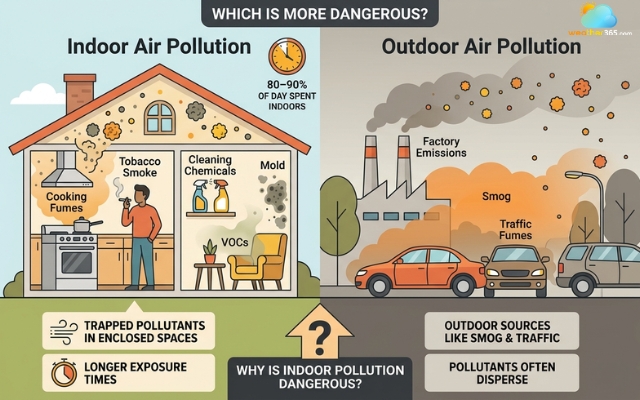
Indoor air pollution can be more dangerous
How to improve indoor air quality?
The most effective way to improve indoor air quality is to control pollution sources and improve ventilation inside your home.
Open windows when the outdoor air quality is good
Letting fresh air in helps dilute indoor pollutants and reduces stuffiness. However, it should be done when the outdoor air is not polluted.
Use exhaust fans in kitchens and bathrooms
These areas generate moisture, smoke, and odors. Exhaust fans help remove pollutants before they spread indoors.
Keep indoor humidity between 30% and 50%
Proper humidity levels help prevent mold growth, dust mites, and other allergens from developing.
Replace HVAC filters regularly
Clean filters improve airflow and prevent dust, pollen, and fine particles from circulating in your home.
Avoid smoking indoors
Tobacco smoke releases harmful chemicals that can stay in the air and on surfaces for a long time.
Use air purifiers with HEPA filters
HEPA filters can capture fine particles such as PM2.5, dust, and pet dander, improving overall air quality.
Clean dust and mold-prone areas frequently
Regular cleaning reduces allergen buildup and prevents mold from spreading.
For a broader understanding of air quality solutions, you can also read about How to reduce air pollution to see how both indoor and outdoor environments can be improved.
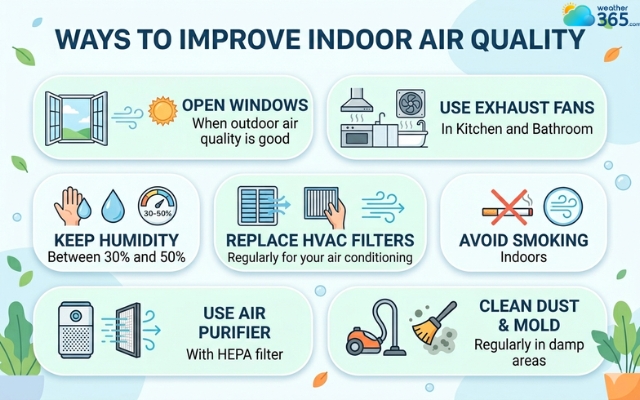
Control pollution sources to reduce air pollution
In conclusion
Indoor air pollution vs outdoor air pollution both present serious health concerns, but they differ in sources, pollutants, exposure patterns, and prevention strategies. Because people spend most of their time indoors, maintaining good indoor air quality is just as important as monitoring outdoor pollution.
Frequently Asked Questions (FAQs)
Related post

What AQI Is Unhealthy to Run In? Understanding Air Quality Risks
 32
32
 0
0
 4.6
4.6
 14/09/2026
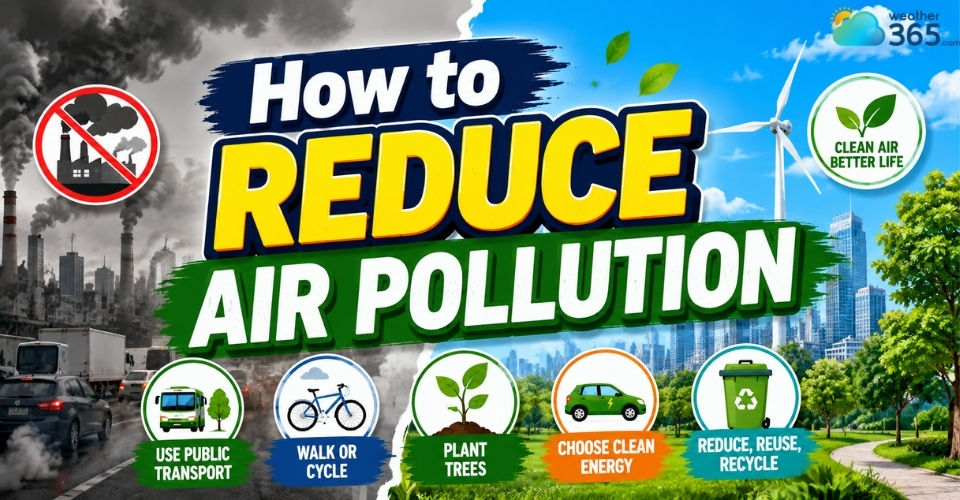
How To Reduce Air Pollution? TOP Effective Solutions
9
0
4.7
17/09/2026
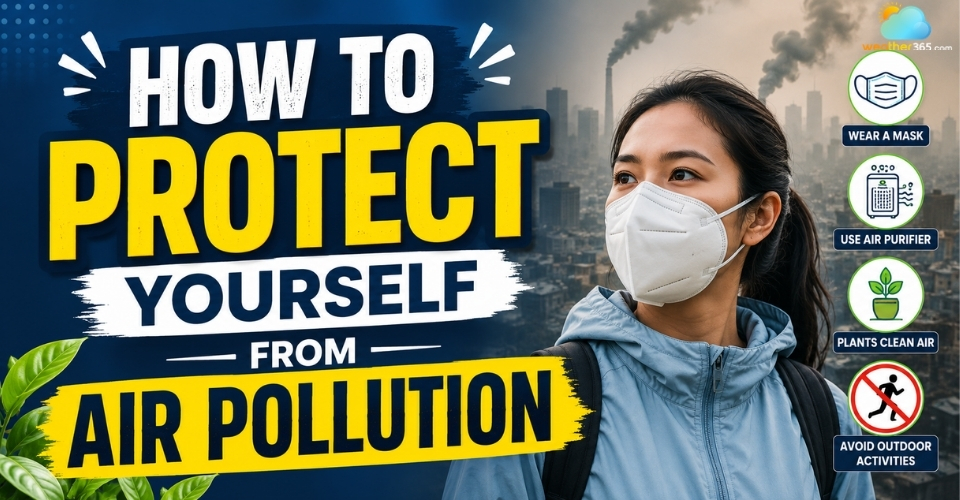
How to protect yourself from air pollution? Effective ways to stay healthy
4
0
4.7
17/09/2026

0 Comment
Leave a comment
Your email address will not be published. Required fields are marked *