




7 Common Winter Home Problem Homeowners Face During Harsh Winter


Winter can bring in significant winter home problem for homeowners, such as high energy bills, frozen pipes, and power outages. To minimize costly damage and guarantee safety, it is crucial to recognize these typical problems and take preventative action. Keep reading this post to find out 7 common winter issues of homeowners during the freezing season.
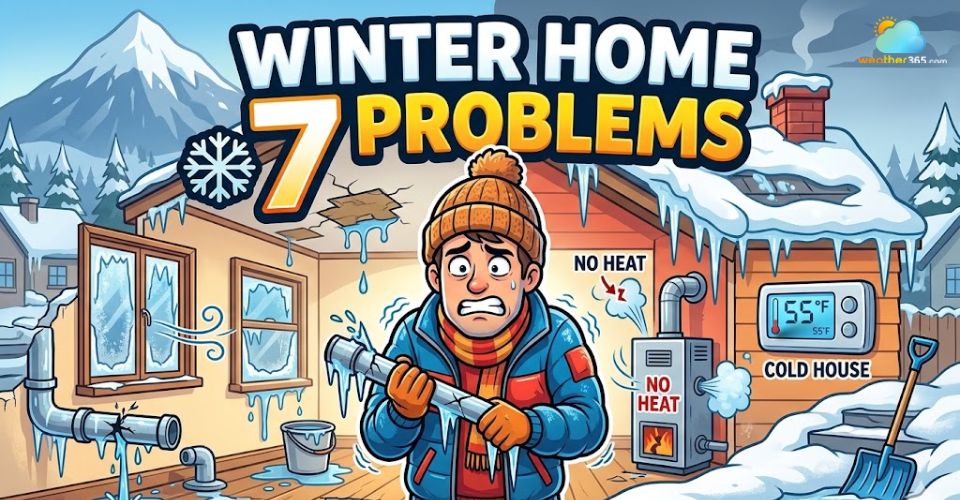
Find out 7 common winter home problems
Winter Home Problem 1: High energy/ heating bills
One of the most common winter home problems is a significant rise in energy and heating expenses.
During a harsh winter, heating systems must work continuously for longer. As a result, higher utility bills are obvious.
Poor insulation is often the main culprit.
Heat escapes through walls, windows, doors, and even the roof, forcing your heating system to compensate.
How to fix and prevent it:
Seal gaps around windows and doors with weatherstripping
Add insulation to attics and walls
Use a programmable thermostat to optimize heating
Lower the thermostat slightly when sleeping or away
To lessen drafts from windows and floors, use thick drapes and rugs.
Over time, even minor changes can drastically lower energy use.
You also like this: Winter energy saving tips

How to cut down energy bills?
Winter Home Problem 2: Condensation on windows
Another common wintertime housing issue, particularly in well-sealed homes, is condensation on windows.
Moisture is created when cold glass surfaces come into contact with heated interior air.
Although it might not seem dangerous, too much condensation might result in:
Water damage to window frames
Peeling paint
Mold growth
How to prevent condensation? Try some tips below:
Improve ventilation in kitchens and bathrooms
Use a dehumidifier to control indoor moisture
Keep curtains slightly open to allow airflow
Upgrade to double- or triple-pane windows if possible
Using a dehumidifier ( See also: How to stop condensation on windows?)
Controlling indoor humidity is essential to avoiding long-term harm.

Tips to stop condensation
Winter Home Problem 3: Frozen pipes
One of the most dangerous winter home issues is frozen pipes, which can burst and result in significant water damage.
In unheated spaces like garages, attics, and basements, pipes are particularly vulnerable.
Exterior walls with little insulation are also high-risk zones, as they fail to provide a sufficient thermal barrier against plummeting outdoor temperatures, often leading to costly bursts.
How to prevent pipe freezing? Apply these tips:
Insulate exposed pipes with foam or heat tape
Keep a small trickle of water running during extreme cold
Open cabinet doors to allow warm air to circulate
Maintain a consistent indoor temperature
Taking preventive steps early can save thousands in repair costs.
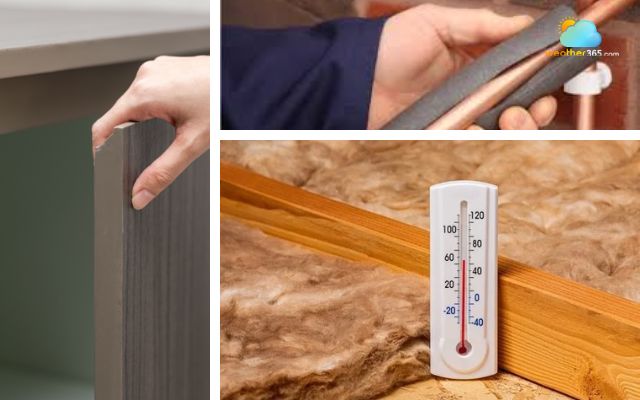
How to prevent frozen pipes?
Winter Home Problem 4: Heating System Failure
Why is my house so cold in the winter?? Have you often been in that situation?
Maybe you have trouble with heating systems.
A malfunctioning heating system during winter is not just inconvenient; it can be dangerous.
This winter home problem often occurs when systems are overworked or poorly maintained.
Common causes include:
Dirty filters
Worn-out components
Lack of regular maintenance
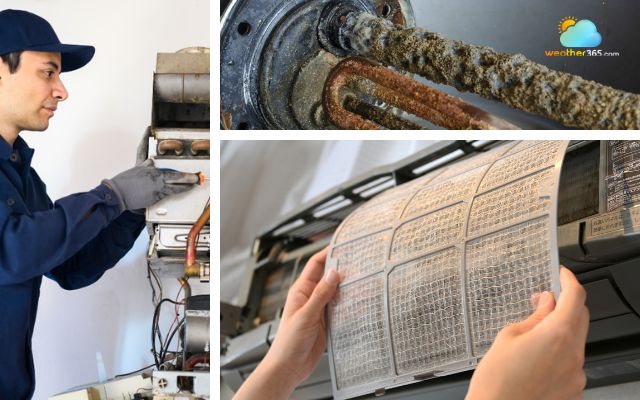
Common causes of heating system failure
How to fix and prevent it:
Schedule annual heating system inspections
Replace filters regularly
Listen for unusual noises or performance issues
Have a backup heating source if possible
Routine maintenance ensures your system runs efficiently when you need it most.
Winter Home Problem 5: Ice Dams
When heat escapes through the roof, snow melts and subsequently refreezes at the margins, creating ice dams.
This creates a barrier that prevents proper drainage.
Over time, water can back up under shingles and leak into your home, making ice dams a costly winter home problem.
How to fix and prevent it:
Improve attic insulation to reduce heat loss
Ensure proper roof ventilation
Remove excess snow from the roof safely
Seal air leaks in the attic
Preventing uneven roof temperatures is the most effective way to stop ice dams.
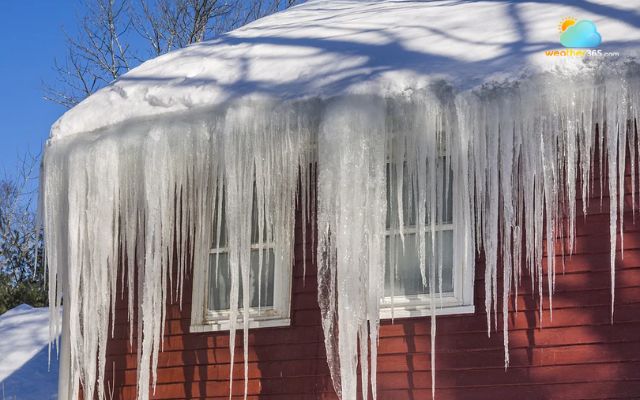
Ways to prevent ice dams on roofs
Winter Home Problem 6: Mold and Mildew Growth
Cold weather often leads to increased indoor moisture, creating the perfect environment for mold and mildew. This issue often happens in poorly ventilated areas.
Mold can affect indoor air quality, harm health, especially by causing respiratory issues, and damage structural materials.
How to fix and prevent it:
Use exhaust fans in kitchens and bathrooms
Keep humidity levels below 50%
Fix leaks and water damage promptly
Clean affected areas with proper solutions
Maintaining proper ventilation is essential to keeping your home healthy.
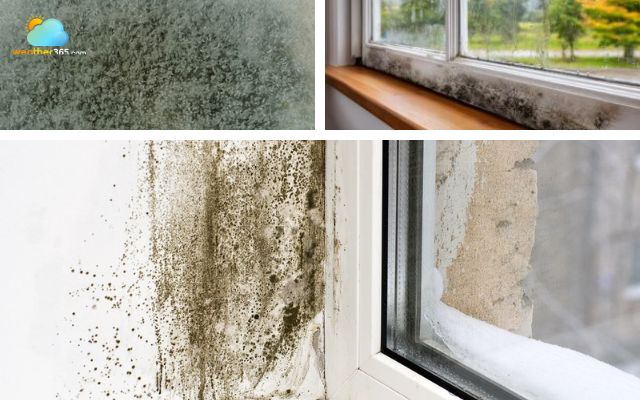
Mold can affect indoor air quality, harm health
You may also like this:
Winter Home Problem 7: Power Outage
Winter storms often lead to power outages because snow, ice, and strong winds can damage power lines.
This winter home problem can quickly become serious, especially in freezing conditions.
Without electricity, you may lose heating, lighting, and access to essential appliances.
How to fix and prepare for it:
Keep emergency supplies (flashlights, batteries, blankets)
Have a backup power source like a generator
Charge devices before storms
Store enough food and water
Preparation is critical to staying safe during extended outages.

Tips to overcome power outages safely
Closing thoughts
Every winter home problem from high heating bills to frozen pipes and power outages can have a significant impact on comfort, safety, and finances. However, these issues are preventable with proper preparation and regular maintenance. Through this post, hope you can take proactive steps and reduce risks during the harsh winter.
Related post
Static electricity in winter: Causes and Tips to avoid nasty static shock
 1258
1258
 0
0
 4.6
4.6
 01/04/2026

Winter Energy Saving Tips: How to Stay Warm but Still Cut Energy Costs
1228
0
5.0
01/04/2026
Why Is My House So Cold In The Winter? Causes and Solutions
1210
0
4.7
24/07/2026
How To Prevent Pipe Freezing in Winter? Top Tips to Protect Your Home
1192
0
4.8
01/04/2026

0 Comment
Leave a comment
Your email address will not be published. Required fields are marked *