




What is the ideal temperature for a house in winter? Tips to stay warm


What is the ideal temperature for a house in winter? It’s a question every homeowner asks when winter is coming. The truth is, it depends on the type of room, who lives in the house, and even how well-insulated your space is. Let’s explore what experts recommend, and how you can keep your house warm, efficient, and cozy all season long.
If you’re preparing for harsh winter weather beyond indoor comfort, see our winter storm preparedness guide to get your home and vehicle ready. You can also read our Winter storm safety tips for what to do before, during, and after severe conditions.
What is the ideal temperature for a house in winter?
- What is the ideal temperature for a house in winter?
- Ideal temperature for vulnerable groups in winter
- Ideal temperature for the elderly in winter
- Ideal temperature for a baby in winter
- Ideal temperature for pregnancy in winter
- Factors affecting your room temperature
- Insulations and draughty spots
- Size of home and room layout
- Windows and sunlight exposure
- Humidity levels
- How to heat your house?
- Easy ways to cut electricity costs
What is the ideal temperature for a house in winter?
According to experts at Glow-worm and the IRSAP, the ideal home temperature during winter generally falls between 18°C and 21°C (64°F to 70°F).
This range provides a comfortable environment while helping to conserve energy and prevent excessive heating or humidity buildup.
Here’s a quick breakdown of typical room temperatures recommended for different parts of the house:
Room | Typical ideal temperature |
Living room | 20°C - 22°C |
Bedroom | 16°C - 19°C |
Office | 20°C - 22°C |
Children’s bedroom | 16°C- 20°C |
Corridor | 15°C - 18°C |
Bathroom | 20°C - 22°C |
Kitchen | 18°C - 20°C |
Porch | 15°C - 18°C |
If your heating system is working overtime to maintain higher temperatures, you might experience high energy bills and low humidity levels, leading to discomfort or dry air problems.
It is proven that keeping your home slightly cooler when you’re asleep or away can significantly reduce energy use without sacrificing warmth.
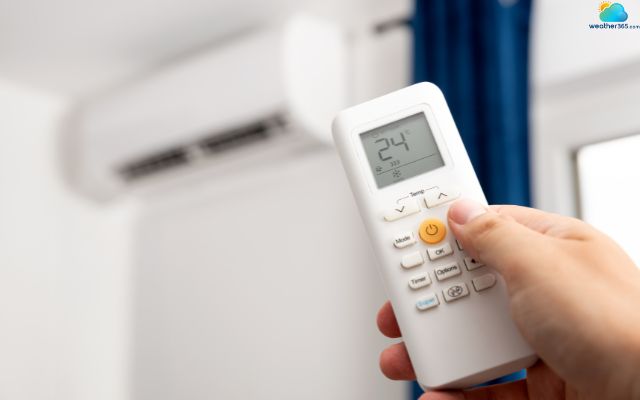
The ideal home temperature during winter falls between 18°C and 21°C
Ideal temperature for vulnerable groups in winter
Different people have different comfort needs, especially during cold months. Let’s look at how temperature setting can be adjusted for those who are more sensitive to the cold.
Ideal temperature for the elderly in winter
It is recommended that elderly people keep their living areas around 21°C (70°F) during the day and no lower than 18°C (64°F) at night.
Older adults are more susceptible to cold-related illnesses, so consistent warmth is key to preventing hypothermia or respiratory issues.
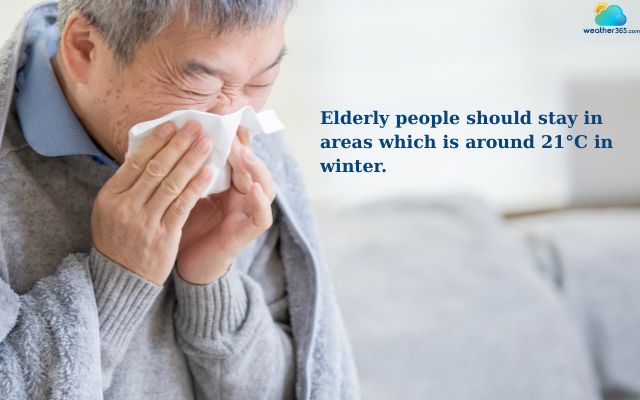
Elderly people stay in areas which is around 21°C in winter
Ideal temperature for a baby in winter
Babies have a harder time regulating body temperature. The ideal temperature for infants is typically 20°C to 22°C (68°F-72°F).
This ensures your baby stays warm without overheating, which can be dangerous.
Using a room thermometer and dressing your baby in light layers helps maintain a safe and comfortable sleep environment.
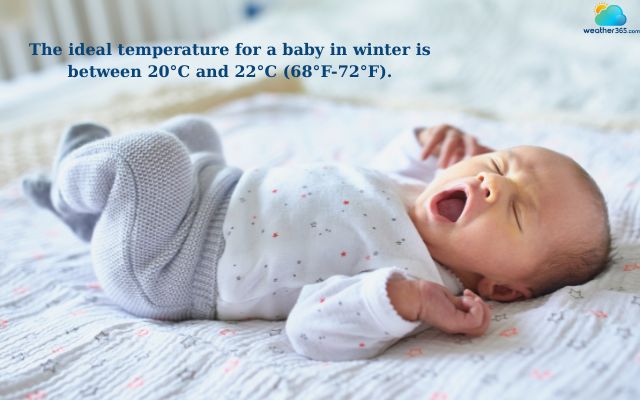
The ideal temperature for infants is typically 20°C to 22°C
Ideal temperature for pregnancy in winter
Pregnant individuals may feel warmer due to hormonal changes, but still need a balanced environment.
The best setting is around 18°C–20°C (64°F-68°F), enough to stay comfortable without overheating or drying out the air.
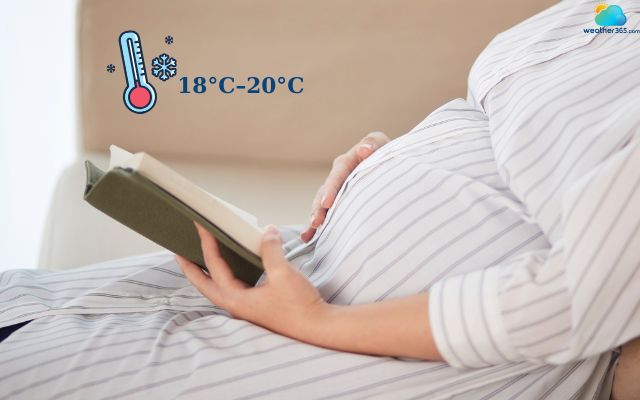
Pregnant people should stay in a temperature around 18°C–20°C
Factors affecting your room temperature
Even if you set your thermostat to the ‘ideal’ temperature, your home may still feel too cold or too warm. That’s because several external and internal factors influence indoor comfort.
Insulations and draughty spots
Poor insulation lets warm air escape cold air creeps in. Check your attic, windows, and door frames for leaks, and seal any gaps.
Adding insulation or using draught stoppers around windows can greatly improve your home’s heat retention.
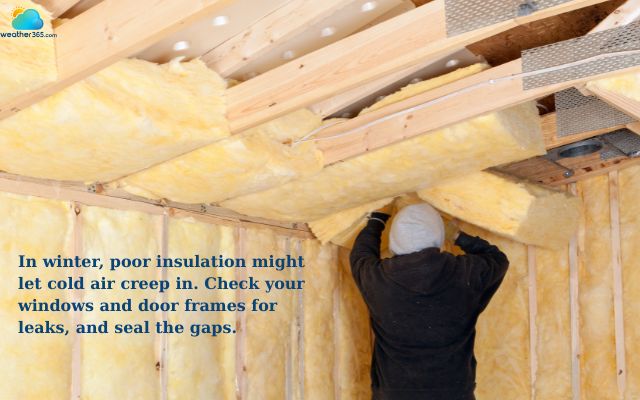
Check windows and door frames for leaks, and seal the gaps
Size of home and room layout
Large, open spaces require more energy to heat. Consider using zone heating, where you only warm the rooms you use most often. Rearranging furniture to avoid blocking vents also improves air circulation.
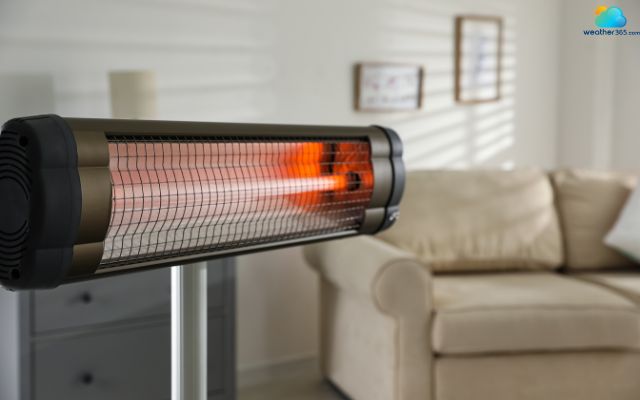
Warm the rooms you use most often
Windows and sunlight exposure
Sunshine can heat a room quickly through south-facing windows. Glass also loses heat at night, so heavy curtains help trap warmth after dark.
If you need to go out in freezing conditions, it’s worth reviewing these winter driving safety tips to stay safe on icy roads and in low visibility.
The amount of glazing, its direction, and the room’s thermal mass (walls/floors that store heat) all change how much radiant warmth you get.
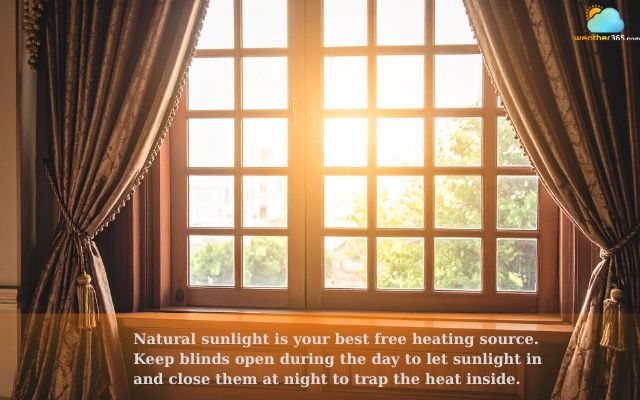
Letting sunshine in can heat a room quickly
Humidity levels
Humidity affects how your body loses heat and how air feels. In cold, damp rooms, high humidity can make you feel chillier; very dry air can also feel uncomfortable.
Maintain humidity levels between 30-50% for moderate indoor humidity, and ventilate to avoid damp or mold.
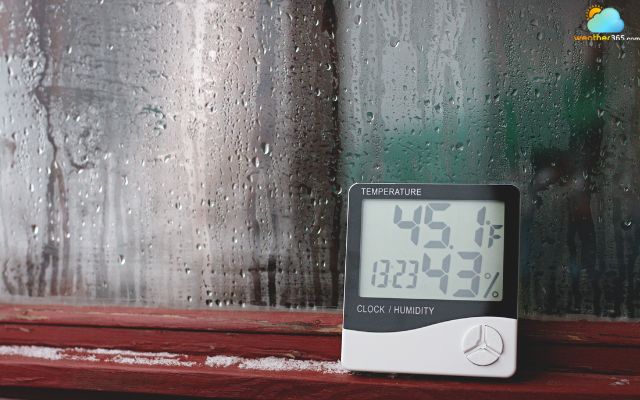
Humidity can affect how air feels
How to heat your house?
If your house still feels cold even when the thermostat is set right, it might be time to optimize your heating methods.
Here are some effective ways to heat your house safely:
Use programmable thermostats to adjust temperatures automatically based on your schedule.
Bleed your radiators to remove trapped air and improve heat efficiency.
Add rugs and curtains to trap warmth.
Place heating devices safely, avoiding curtains or flammable materials.
If you’re heating your home during a winter blackout, make sure to follow these power outage safety tips to avoid risks like carbon monoxide poisoning and unsafe indoor heating.
Keep interior doors closed to retain heat in active rooms.
You can also find government-backed safety and insulation advice from MSD New Zealand’s guide on maintaining a warm, healthy home.
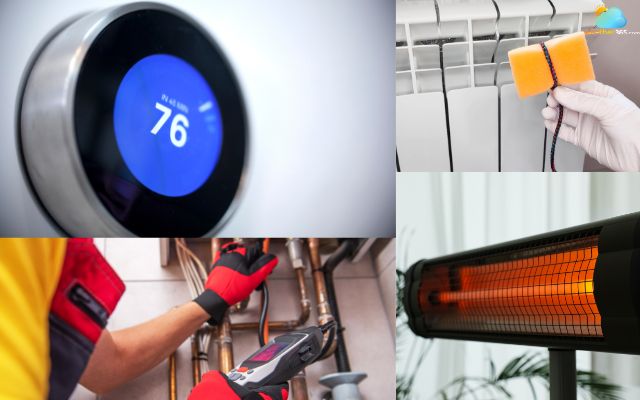
Effective ways to heat your house
Easy ways to cut electricity costs
Heating costs often break people’s budgets.
However,a few habits can help you stay warm while cutting energy bills:
Only heat the rooms when using: Do not run heating throughout the entire home all the time. Focus your heat on spaces where people spend time (living rooms, bedrooms).
Set reasonable thermostat targets: Aim for comfort over overkill. For many households, keeping the thermostat around 18 °C to 21 °C is sufficient to stay warm without waste.
Seal drafts and block cold air leaks: As much as 20% of heating energy can be lost through cracks around windows, doors, and chimneys. Use weatherstripping, caulk, and door sweeps to block leaks.
Use curtains and blinds strategically: You can open curtains during sunny daytime hours to let solar heat in, and close them as soon as the sun sets to trap warmth inside.
Optimize your hot water use: You can try washing clothes with cold or lower-temperature cycles.
Turn off standby appliances and lights: Many devices (TVs, computers, chargers) draw power even when “off.” Unplug or switch off at the wall when not in use.
Use efficient cooking and fridge practices: Keep lids on pots, use minimal water, and simmer instead of boiling to save energy when cooking
Choose energy-efficient heaters and maintain them well: Use heater with built-in thermostat so they do not keep running once the room is warm.
Improve insulation and home envelope: Upgrade loft, wall, and underfloor insulation where possible, better insulation means less energy wasted
Use smart or timed control: Use a programmable or smart thermostat so heating runs only when needed (morning, evening).
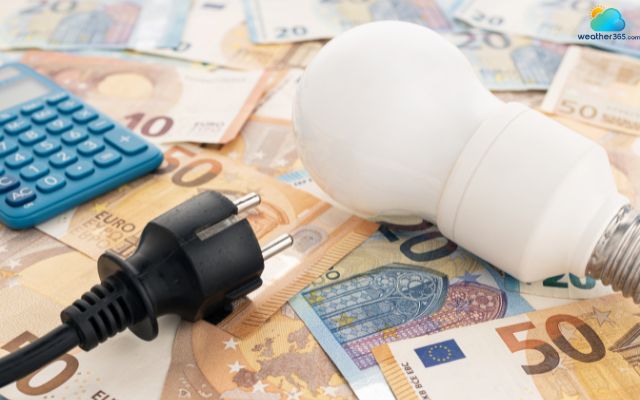
Tips to save your energy bills
Conclusion
Finding what is the ideal temperature for a house in winter is essential for anyone. For most homes, keeping it between 18°C and 21°C ensures comfort, health, and energy efficiency. Adjust for age, health, and activity level, and remember that insulation, sunlight, and humidity play a huge role in how warm your home feels.
Frequently Asked Questions (FAQs)
Related post

Power outage safety tips: What to do Before - During - After a blackout
 1566
1566
 8
8
 4.9
4.9
 28/04/2026
Extreme Cold Weather Tips: Best Ways to Stay Safe in Severe Conditions
1473
8
4.8
28/04/2026

What Is a Snow Squall? Key Facts and Safety Advice for Drivers
1349
8
4.8
01/04/2026

Worst snowstorm in U.S. history: Dates, Locations, and Record Impacts
1265
8
4.7
01/04/2026

8 Comment
Roman Rogers
Does lowering the thermostat at night really save much energy?
weather365
Yes. Keeping the home slightly cooler while sleeping or away can reduce heating use without sacrificing much comfort.
Tristan Watson
Why does my house still feel cold when the thermostat says 21°C?
weather365
Poor insulation, drafts, room layout, window exposure and humidity can all affect how warm a room actually feels.
Jayson Gross
Is 74°F really too warm for winter?
weather365
For most households, 74°F (about 23°C) is higher than necessary and can increase energy use and make the air feel dry
Esther Gilbert
What temperature should I set my thermostat to in winter?
weather365
For most homes, around 18°C–21°C (64°F–70°F) is generally recommended for a balance of comfort and energy efficiency.
Leave a comment
Your email address will not be published. Required fields are marked *