




Extreme Cold Weather Tips: Best Ways to Stay Safe in Severe Conditions


Stay safe and warm this season with essential cold weather tips for every situation. From protecting your home indoors to staying safe outdoors and following general winter safety advice, these practical tips will help you confidently handle freezing temperatures and harsh conditions.
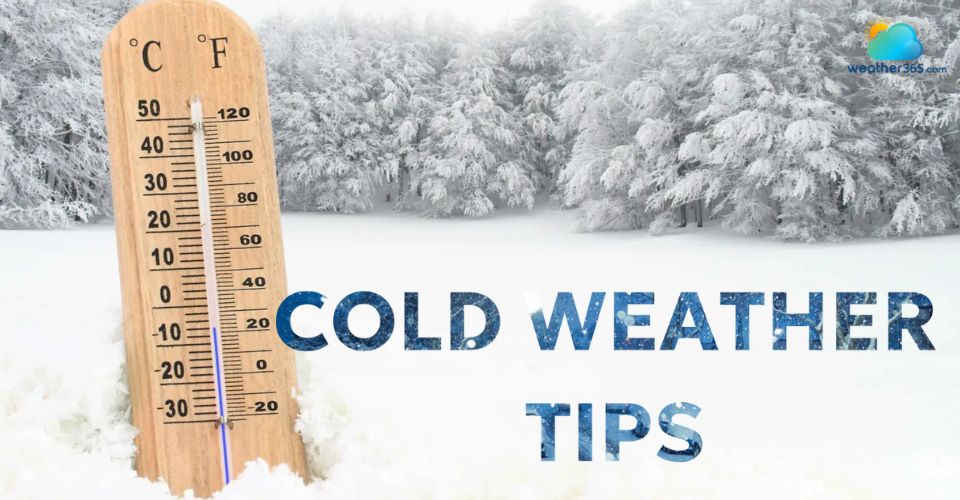
Cold weather safety tips
- Cold weather tips when INDOORS
- Insulate your home
- Protect pipes
- Check heating systems
- Prepare for power outages
- Install carbon monoxide detectors
- Cold weather tips when OUTDOORS
- Dress in layers
- Cover your head and extremities
- Stay dry
- Stay hydrated and fueled
- Avoid overexertion
- Limit exposure
- General cold weather tips
- Stay informed
- Limit outdoor exposure
- Keep emergency supplies ready
- Avoid alcohol
- Keep pets safe
Cold weather tips when INDOORS
Keeping your home warm and safe when temperatures drop becomes a top priority.
These cold weather tips when indoors will help you stay comfortable, conserve energy, and prevent common winter hazards.
Insulate your home
One of the most effective cold weather tips when indoors is to properly insulate your home.
Seal gaps around windows and doors with weather stripping or caulk to keep the cold air out and warm air in.
Adding insulation to attics, walls, and floors also helps maintain a comfortable temperature while lowering energy bills.
Protect pipes
Frozen pipes are a common and costly problem in the severe winter. To prevent this, people insulate exposed pipes, especially those in unheated areas like basements or crawl spaces.
Seal any gaps or cracks around exterior walls where cold air might seep in and lower the temperature around your pipes.
During extremely cold weather, let faucets drip slightly to keep water flowing and avoid pipe bursts.
Open cabinet doors under sinks to allow warm indoor air to circulate around the pipes.
If you plan to be away from home, set your thermostat to at least 55°F (13°C) and ask someone to check your property regularly to ensure your plumbing system stays safe.

Run a trickle of water from faucets to avoid pipe bursts
Check heating systems
Before winter arrives, have your heating system inspected by a professional to ensure it’s working efficiently. For indoor comfort and energy efficiency, here’s a quick reference on what is the ideal temperature for a house in winter.
Clean or replace filters regularly, and make sure vents are clear to maintain proper airflow and prevent breakdowns during cold snaps.
Prepare for power outages
Preparing for potential power outages is another crucial part of cold weather tips when indoors. Winter storms can knock out electricity, leaving you without heat and light.
Stock up on flashlights, extra batteries, and non-perishable food items that don’t require cooking.

Stock up on non-perishable food items
Consider safe backup heating options, such as a fireplace or space heater designed for indoor use, and always follow manufacturer guidelines to prevent fire hazards.
Having extra blankets and a fully charged power bank for your devices can also make a big difference during long outages.
Read more: Power outage safety tips
Install carbon monoxide detectors
Safety is key when it comes to cold weather tips when indoors, especially regarding carbon monoxide poisoning.
Never use gas ovens, charcoal grills, or outdoor heaters indoors, as they can release dangerous levels of carbon monoxide.
Do you know, carbon monoxide poisoning contributes to around 1,000 fatalities each year in the United States?
Therefore, install carbon monoxide detectors on every level of your home and test them regularly.
By taking these preventive steps, you can protect your household from invisible threats while staying safe and warm throughout the winter.
Cold weather tips when OUTDOORS
When temperatures drop, you should limit going out unless it’s necessary.
Extreme cold can increase the risk of frostbite, hypothermia, and other health issues.
Therefore, following these cold weather tips when outdoors can help you stay safe and comfortable
Dress in layers
When outdoors, let's dress in layers to keep our bodies warm and dry. Start with a proper inner layer made from fabrics that retain body heat while wicking away moisture.
Materials like wool, silk, or polypropylene are excellent choices because they hold more heat than cotton, which can trap moisture and make you colder.
Next, add an insulation layer to retain warmth by trapping air close to your body. Natural fibers like wool or goose down work best, while fleece provides a lightweight, breathable option that keeps you warm without overheating.
Finally, wear an outer layer designed to shield you from wind, rain, and snow. Look for tightly woven, water-resistant, and windproof materials to minimize heat loss.
Remember, staying dry is essential—wet clothing or excessive sweating quickly reduces body temperature.
If you start to feel too warm, remove a layer to avoid perspiration, which can make you colder when temperatures drop again.
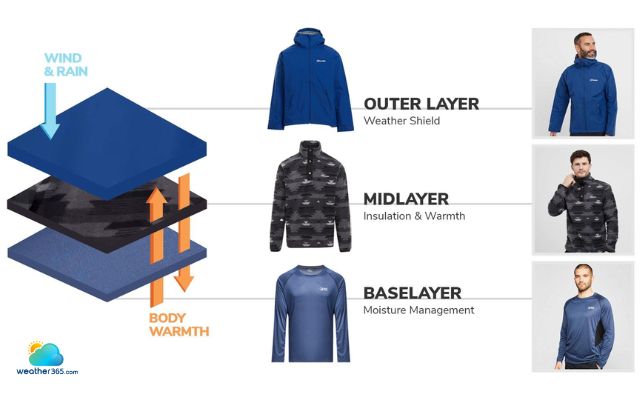
How to dress in layers when outdoors
Cover your head and extremities
A significant amount of body heat can be lost through your head, hands, and feet. Wear a warm hat, insulated gloves, thick socks, and waterproof boots to keep these areas protected.
Layering with thermal or wool materials helps maintain warmth even in freezing temperatures.
Stay dry
Wet clothing accelerates heat loss and increases the risk of hypothermia.
Choose waterproof outer layers and change out of wet clothes as soon as possible.
Staying dry is essential for keeping your body warm and safe outdoors.
Stay hydrated and fueled
In cold weather, people often don’t feel as thirsty as they do in summer, but their body still loses fluids through breathing, sweating under heavy layers, and increased urination triggered by the cold.
Dehydration can make you feel fatigued and reduce your body’s ability to regulate heat, increasing the risk of hypothermia.
To stay hydrated, drink warm, non-caffeinated beverages like herbal tea, broth, or warm water throughout the day.

Stay hydrated in winter
Along with fluids, your body also needs extra calories to stay warm because it burns more energy to maintain core temperature in freezing conditions.
Pack energy-rich snacks such as nuts, trail mix, granola bars, or cheese to give your body quick fuel.
For longer outdoor activities, include a mix of complex carbohydrates and protein to sustain energy levels and keep your metabolism active.
Avoid overexertion
Cold weather already forces your heart to work harder to maintain body heat.
Therefore, heavy physical activity like shoveling snow or pushing a stalled car can significantly increase your risk of heart attacks or other health complications.
Muscles also lose flexibility in cold temperatures, making strains and injuries more likely.
To protect yourself, pace your activities slowly, take frequent breaks in a warm place, and avoid sudden or intense exertion.
If you have a heart condition or other health concerns, ask someone for help or use tools and equipment that reduce physical strain, such as snow blowers or ergonomic shovels.
Limit exposure
Extended time in severe cold can cause frostbite or even hypothermia. Whenever possible, limit the time you spend outside during dangerously low temperatures or strong wind chills.
Try to plan necessary outdoor tasks for the warmest part of the day, usually in the afternoon when sunlight is strongest.
Take frequent indoor breaks to let your body warm up, and if conditions become severe, seek shelter immediately.
Dressing in warm, layered clothing and monitoring weather alerts can also help reduce cold-related health risks.
Limit exposure in winter
General cold weather tips
Apart from cold weather tips when indoors, outdoors above, you also follow the tips below to protect your health and safety.
Stay informed
In winter, staying updated on weather forecasts and alerts is essential.
Extreme cold, snowstorms, or ice conditions can develop quickly, so monitor local news, weather apps, or emergency notifications to know what to expect.
If a major storm is expected, review our winter storm preparedness guide to get your home, vehicle, and supplies ready in advance.
Being informed helps you plan ahead, avoid unnecessary travel, and prepare your home and family for potential hazards like power outages or dangerous wind chills.
Limit outdoor exposure
Prolonged exposure to freezing temperatures can lead to hypothermia and frostbite.
When possible, stay indoors during extreme cold. If you must go out, dress in layers, cover exposed skin, and take frequent breaks in warm areas.
Avoid long periods outside, especially during early morning or nighttime hours when temperatures are usually at their lowest.
Keep emergency supplies ready
Prepare a winter emergency kit with essentials like blankets, non-perishable food, bottled water, flashlights, batteries, and a first-aid kit.
Keep one kit at home and another in your car in case you get stranded during bad weather.
If need to travel in snow or icy conditions, follow these winter driving safety tips to reduce the risk of skidding, black ice, and low-visibility accidents.
Having the right supplies on hand ensures you can stay safe and comfortable if power goes out or roads become impassable.
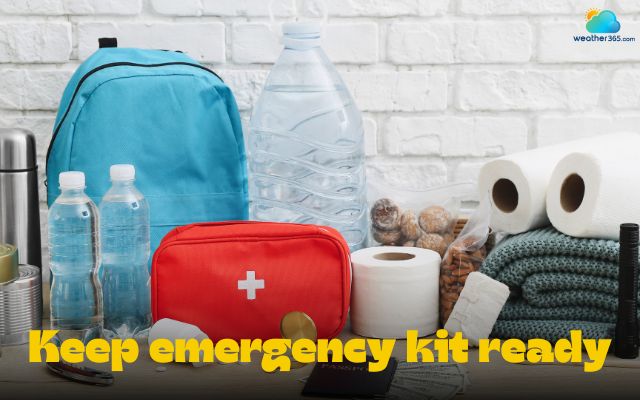
Prepare an emergency kit ready in winter
Also read: Winter storm safety tips
Avoid alcohol
It might feel tempting to have a drink to “warm up,” but alcohol actually lowers your body temperature by dilating blood vessels near your skin.
This makes you lose heat faster, putting you at greater risk of hypothermia.
Alcohol can also impair judgment, making you less likely to notice early signs of cold-related illnesses like frostbite.
To stay safe, skip alcoholic beverages when spending time outdoors in cold weather and opt for warm, non-caffeinated drinks such as tea, hot chocolate, or broth instead.
Keep pets safe
Pets are just as vulnerable to cold weather as humans. Limit their time outside during freezing temperatures, and always provide a warm, dry shelter when they return indoors.
Check their paws after walks, as ice, salt, and chemical de-icers can cause irritation or injury.
Ensure they have access to fresh, unfrozen water and consider using pet-safe de-icers on your property.
For short-haired pets or extremely cold conditions, use pet sweaters or coats to help them stay warm and comfortable.
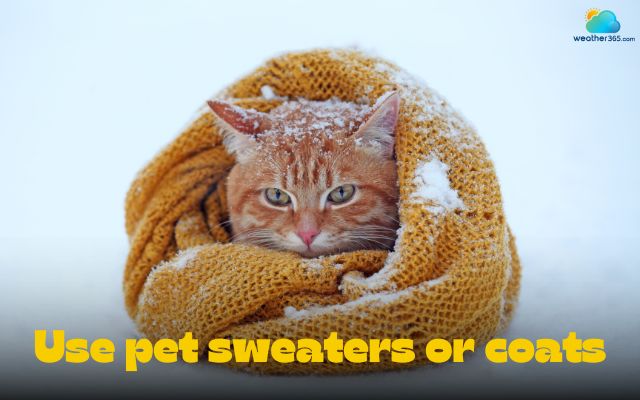
Use pet sweaters or coats to help them stay warm in winter
Wrapping up
Staying safe in winter starts with the right preparation. These cold weather tips help you protect your home, your health, and your family when temperatures drop. By staying warm indoors, limiting outdoor exposure, and keeping emergency plans in place, you can handle even the harshest winter conditions with confidence.
Frequently Asked Questions (FAQs)
Related post
What Is A Nor'easter? Definitions, Weather Effects And Safety Tips
 2337
2337
 8
8
 5.0
5.0
 01/04/2026
Power outage safety tips: What to do Before - During - After a blackout
1564
8
4.9
28/04/2026

Winter Storm Safety Tips: Expert Advice for Harsh Winter Conditions
1516
8
4.8
28/04/2026

8 Comment
Harley Waters
Do you really need to cover your head, hands and feet that carefully?
weather365
Yes. Keeping these areas protected with a warm hat, insulated gloves, thick socks and waterproof boots helps reduce heat loss and keeps you more comfortable outdoors.
Max Clark
Why should you avoid alcohol when you're trying to stay warm?
weather365
Alcohol increases blood flow near the skin, which can make you lose body heat faster and increase the risk of hypothermia.
Evan Parson
Can you really get dehydrated in cold weather?
weather365
Yes. You still lose fluids through breathing, sweating and increased urination, even when you don't feel as thirsty.
Zayn Lewis
Why is layering better than wearing one really thick coat?
weather365
Several layers trap warm air while letting you adjust your clothing as conditions change. Staying dry also helps prevent heat loss.
Leave a comment
Your email address will not be published. Required fields are marked *