




What Is A Nor'easter? Definitions, Weather Effects And Safety Tips


You’ve probably heard the term Nor’easter in weather news, or sometimes in movies. But what is a Nor’easter? Keep reading this post to learn the definition, how it forms, how dangerous it is, as well as key safety tips to save your life.
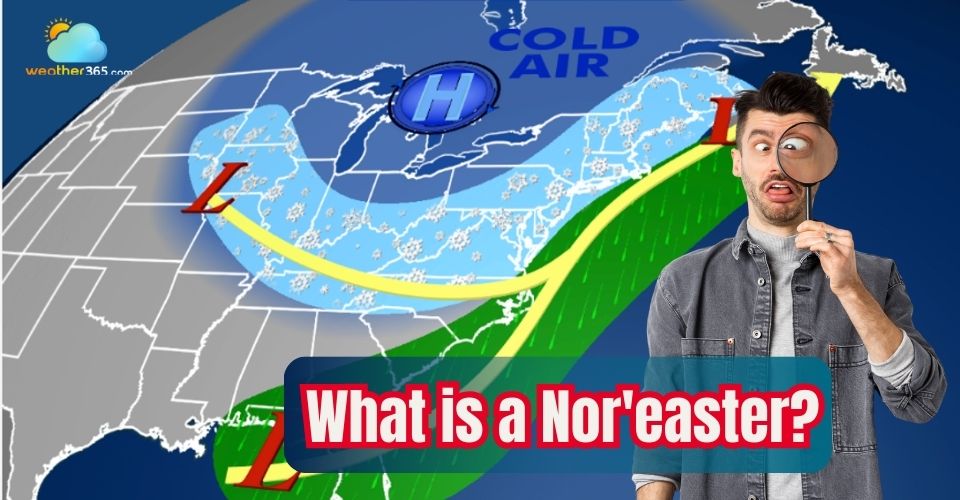
What is a Nor'easter storm?
- What is a Nor'easter?
- Characteristics of Nor’easter
- Difference between a nor'easter and a hurricane
- Why Nor'easter and Not Northeaster?
- How does a Nor’easter form?
- When does a Nor’easter happen?
- How dangerous is a Nor’easter?
- Key Dangers of a Nor’easter
- Notable Examples of A Nor’easter
- How to prepare for a Nor’easter? 5 Essential Tips
What is a Nor'easter?
According to NOAA ( National Oceanic and Atmospheric Administration), a Nor’easter is a strong storm that develops along the US East Coast. The name Nor’easter originates from its wind. The strongest winds usually impact the Northeast, including both New England and the Mid-Atlantic states. Normally occurring in winter, these storms can bring heavy snow, freezing rain, high winds, and coastal flooding.
If you’d like to understand the bigger picture behind this kind of storm, you can start with our Winter storm overview
Characteristics of Nor’easter
Here are the key characteristics of a Nor’easter:
Type: Nor'easters are large-scale extratropical cyclones—meaning they derive their energy from temperature contrasts between air masses, not from warm ocean water like hurricanes.
Wind direction and speed: The defining feature is the persistent northeast wind along the coast, which can reach gale or even hurricane force.
Precipitation: Nor'easters bring heavy rain, sleet, or snow. In winter, they can produce major snowstorms (blizzards) across densely populated cities.
If these terms sound similar, you can also review snowstorm and blizzard to understand what officially separates a snowstorm from a true blizzard.
Size and duration: Nor’easters are usually far larger than hurricanes, often spanning over 1,000 miles in diameter, covering a massive portion of the East Coast. They also tend to move more slowly and can linger for several days, causing prolonged periods of dangerous weather.
Seasonality: The most frequent and intense nor'easters occur between September and April, with peak activity typically from November to March.
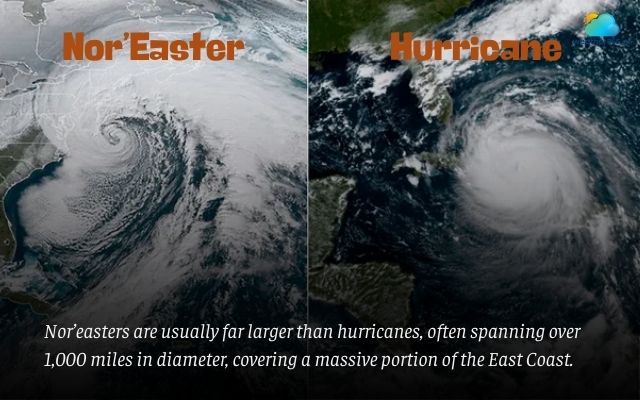
Nor’easters are usually far larger than hurricanes
Difference between a nor'easter and a hurricane
While both Nor’easters and hurricanes bring severe weather conditions to the East Coast, they differ in their formation, seasonality, size, and primary impacts.
Knowing these differences helps us to prepare better for their unique threats.
Here are some main differences between them. To find out the details, read our previous article “What's the difference between a nor'easter and a hurricane?”
Nor'easter | Hurricane |
Cold-core extratropical system | Warm-core tropical system |
Forms off US East Coast (cool/warm air clash) | Forms over warm tropical oceans |
Can bring snow, sleet, rain | Brings rain, strong wind, storm surge |
Most frequent: fall–spring | Most frequent: summer–early fall |
Why Nor'easter and Not Northeaster?
The term Nor’easter has its roots in the maritime culture of New England, where sailors often shortened “northeaster” to reflect local dialects and speech patterns.
Some believe the dropped “th” may have originated from old nautical compass readings or regional accents, while others view it as a legacy of seafaring terminology passed down through generations.
Despite efforts by purists like retired Navy sea captain Edgar Comee, who famously sent complaints whenever he encountered the term.
The term Nor’easter became widely adopted in both print and broadcast media.
Comee argued that the contraction was the invention of “landlubbers” trying to sound like seasoned sailors. However, the name is still used for powerful East Coast storms.

Why do people choose the name Nor’easter?
How does a Nor’easter form?
A Nor’easter forms when cold, dry Arctic air pushes southward from Canada while warm, moist air flows northward from the Atlantic Ocean.
When these two contrasting air masses meet, a low-pressure system often develops along the boundary, typically near the mid-Atlantic or Southeast coastline.
As the low-pressure center moves up the East Coast, it draws in moisture from the ocean while tapping into the cold air from the north.
This combination of moisture, cold air, and strong atmospheric dynamics causes the storm to rapidly intensify.
The circulation around the low brings powerful northeast winds along with heavy snowfall or rain, coastal flooding, and rough seas.
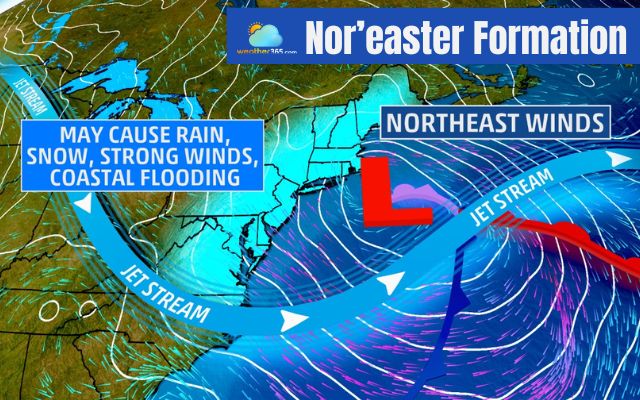
How does Nor’easter form?
When does a Nor’easter happen?
Nor'easters are most frequent and most violent during the colder months, from September to April, with the peak season between November and March.
These months provide the ideal conditions for storm development because cold Arctic air masses frequently collide with warm, moist air over the Atlantic Ocean. This contrast is at its strongest during the fall, winter, and early spring.
Nor'easters can bring a wide range of severe and disruptive weather, often impacting large portions of the U.S. East Coast simultaneously.
How dangerous are Nor’easters? Which kind of severe weather can a Nor’easter bring? Keep reading!
How dangerous is a Nor’easter?
Nor’easters are among the most powerful and hazardous storms to strike the East Coast of North America.
Nor’easters are among the most powerful and hazardous storms to strike the East Coast of North America.
Their impact can be intensive and sometimes surpass that of hurricanes. This depends on their size, duration, and the population density of the regions they affect.
Key Dangers of a Nor’easter
Severe Winds: Nor’easters can produce sustained gale or even hurricane-force winds. These winds range from 20 to 40 mph. Gusts can be much higher, with some areas experiencing gusts from 30 mph to 45 mph or even more. This lead to widespread power outages, damage to buildings, and downed trees.
Heavy Precipitation: Nor'easters can produce heavy, wet snow, leading to blizzard conditions with whiteouts and drifting snow. Some have dropped several feet of snow, resulting in immobilized cities and hundreds of thousands left without power.
Coastal Flooding and Erosion: The combination of storm surge, high tides, and prolonged strong winds causes significant coastal flooding and serious beach erosion. Successive nor’easters can permanently change coastlines and destroy infrastructure.
Rough seas: Nor'easters generate large, powerful waves that can be very dangerous for mariners and those along the coast. The combination of high winds, large waves, and coastal flooding poses a severe threat to boats, ports, and shoreline infrastructure.
Transportation Disruption: Highways, airports, rails, and transit systems are often shut down by snow, ice, or flooding, causing economic upheaval and stranding travelers.
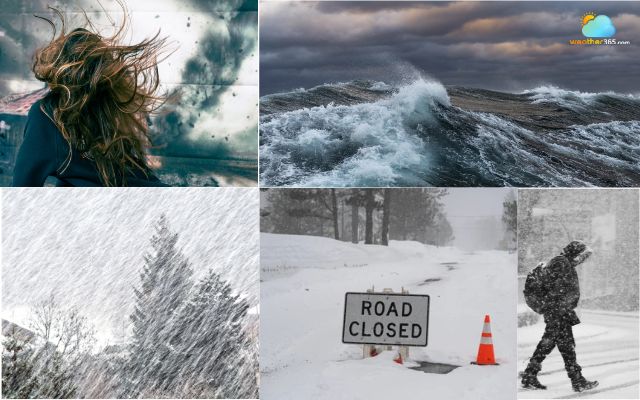
Danger of Nor’easter
Notable Examples of A Nor’easter
Here are some notable examples of major Nor’easters that have impacted the U.S. East Coast. From those, you can see the severe impacts of this weather phenomenon.
The “Storm of the Century” (March 1993) dropped nearly 60 inches of snow in places, with wind gusts over 100 mph and caused more than 200 fatalities.
The Blizzard of 1978: Paralyzed the Northeast with record snowfall, hurricane-force winds, and coastal flooding, especially in Massachusetts and Rhode Island. It caused widespread damage, including over $520 million in property losses, roughly 100 deaths, and 4,500 injuries.
The Superstorm of 2009–2010 (Snowmageddon): Produced multiple blizzards in the Mid-Atlantic, burying cities like Washington, D.C., and Philadelphia under record snow.
January 2018 Nor’easter (Bomb Cyclone): Rapidly intensified into a bomb cyclone, bringing heavy snow, high winds, and coastal flooding to New England. It caused over $1 billion in damages and led to widespread power outages affecting millions of people. Over 2 million power outages due to downed trees from hurricane-force winds, and coastal flooding that reached near-record levels in some areas, destroying or damaging seawalls and homes.
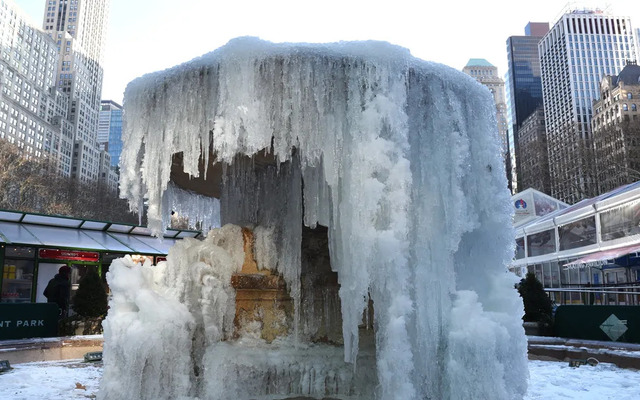
The fountain at Bryan Park is officially frozen in the bomb cyclone of 2018
How to prepare for a Nor’easter? 5 Essential Tips
Preparing for a Nor’easter begins with staying informed and connected.
Keep a close eye on weather forecasts from trusted sources like the National Weather Service (NWS) or NOAA, and sign up for real-time alerts through smartphone apps or emergency notification systems.
A battery-powered or hand-crank radio is essential in case the power goes out, so you can continue receiving updates on storm conditions and evacuation notices.
Another key step is to put together a comprehensive emergency kit for your household.
This should include at least a three-day supply of water (one gallon per person per day), non-perishable food, first-aid supplies, prescription medications, flashlights with extra batteries, and a whistle to signal for help if needed.
Don’t forget warm blankets, extra clothing, and important documents stored in waterproof containers.

Prepare an emergency kit
Winterizing your home is also crucial before a Nor’easter arrives. Insulate pipes, windows, and doors to reduce heat loss and prevent frozen plumbing.
Clear gutters and downspouts to avoid ice dams, trim overhanging branches that could break under the weight of snow, and have backup heating sources like generators or space heaters ready.
Always ensure proper ventilation for fuel-burning devices to prevent carbon monoxide poisoning, and keep rock salt or sand handy to melt ice on walkways.
Preparing your vehicle is equally important.
Check antifreeze levels, replace windshield wipers, and make sure your tires have adequate tread for winter conditions.
Keep your gas tank at least half full to prevent fuel line freeze-ups, and store an emergency car kit with essentials such as a shovel, blankets, jumper cables, snacks, and water in case you get stranded.
Having your brakes, engine, and battery inspected before winter can help avoid breakdowns during severe weather.
Finally, plan ahead for potential power outages or evacuations.
Fully charge your electronics, identify nearby shelters, and discuss evacuation routes with your family.
If you have elderly relatives, neighbors, or pets, make sure they have the support they need before, during, and after the storm.
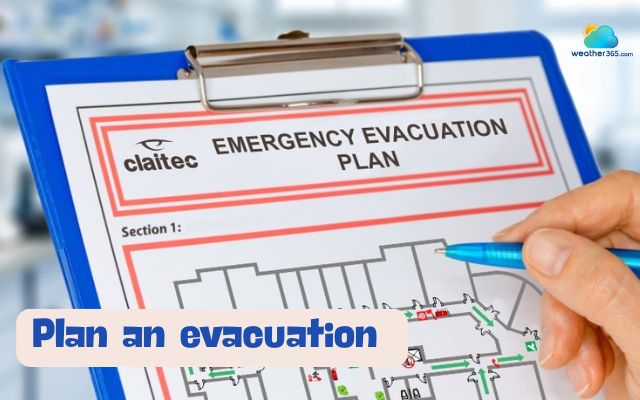
Have an emergency evacuation plan
Conclusion
Knowing what is a Nor'easter helps you better understand one of the most powerful winter storms to hit the East Coast. With the potential for heavy snow, fierce winds, and coastal flooding, nor’easters can disrupt daily life and pose serious risks. Being aware of their characteristics and following proper preparedness steps ensures you and your community stay safe when these storms strike.
Frequently Asked Questions (FAQs)
Related post

What is the difference between snowstorm and blizzard? Full explained
 1485
1485
 8
8
 4.8
4.8
 26/07/2026

Winter Storm Safety Tips: Expert Advice for Harsh Winter Conditions
1437
8
4.8
28/04/2026
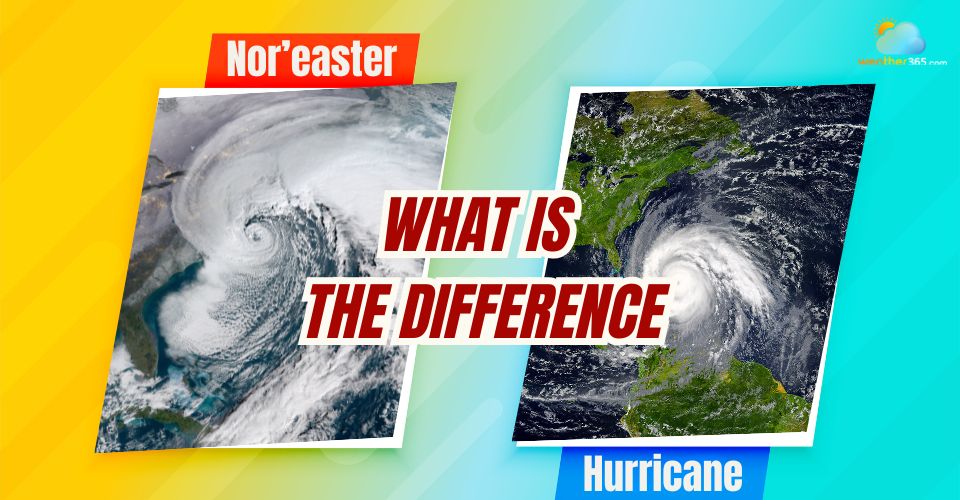
What's the difference between a nor'easter and a hurricane? Full explained
1412
8
4.8
01/04/2026

8 Comment
Otto Howard
I always associate Nor’easters with snow, but heavy rain and coastal flooding can be major problems too.
River Sanders
What causes a Nor’easter to become so intense?
weather365
The clash between cold Arctic air and warm, moist Atlantic air helps the low-pressure system rapidly strengthen.
Heidi Hopkins
Can a Nor’easter be as dangerous as a hurricane?
weather365
Yes. Depending on its size and duration, it can bring hurricane-force winds, heavy snow, flooding and major power outages.
Selena Fleming
Why is it called a Nor’easter instead of a northeaster?
weather365
The name comes from New England maritime language, where “northeaster” was shortened to “Nor’easter.”
Lucia Edwards
I knew Nor’easters were winter storms, but I didn’t realize they could also cause coastal flooding.
Leave a comment
Your email address will not be published. Required fields are marked *