




Winter Storm: Basic Understanding about Snowstorm, Blizzards, & More


Winter weather can be beautiful, but it can also turn dangerous very quickly. A winter storm is a complex weather system that can disrupt daily life, damage infrastructure, and even threaten lives. Keep reading this post to learn how a winter storm works, the different types, and how to stay safe, especially in regions prone to harsh winters.
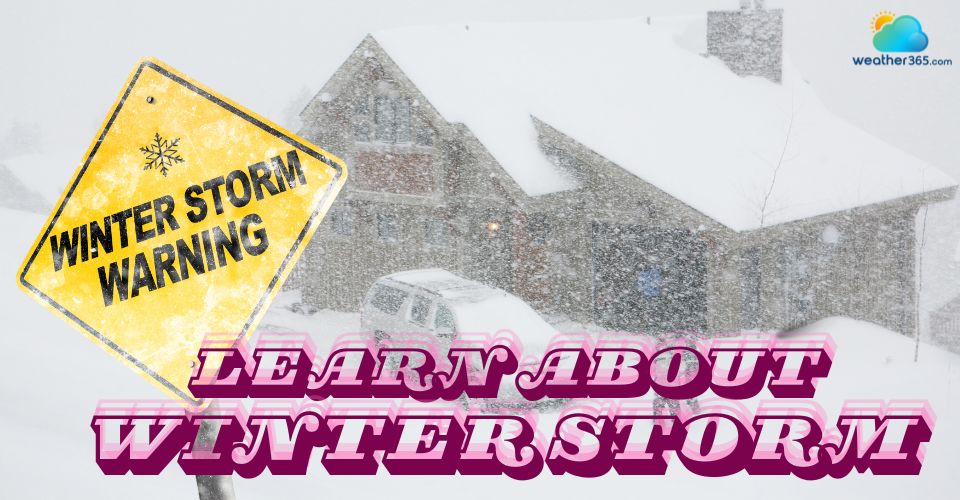
What should you know about winter storm?
What is a winter storm?
A winter storm is a weather event characterized by a combination of heavy snowfall, blowing snow, and/or dangerously low wind chills, often accompanied by strong winds and freezing temperatures.
Unlike ordinary snowfall, a winter storm involves multiple hazardous elements that interact to create high-impact and potentially life-threatening conditions.
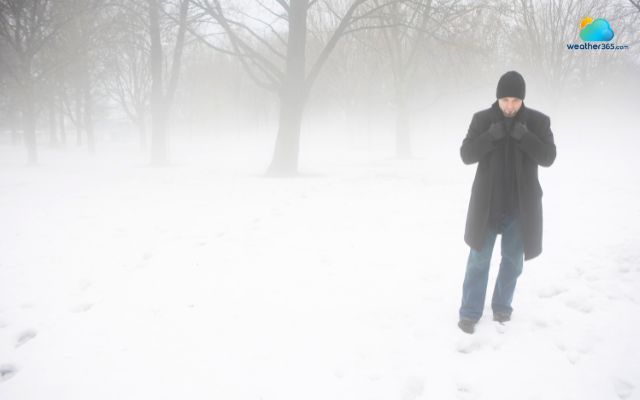
A winter storm combines heavy snow, low wind chills, and freezing temperatures
Components and types of winter storm
Winter storms are not uniform.
Their characteristics depend on atmospheric structure, temperature profiles, moisture availability, and wind dynamics.
Below are the key components and types of winter storm commonly observed.
Blizzard
A blizzard is one of the most severe types of winter storm.
It is defined not just by snowfall, but by strong winds and reduced visibility.
To officially qualify as a blizzard (based on meteorological standards such as NOAA):
Wind speeds must reach at least 35 mph (56 km/h)
Visibility must be reduced to less than 1/4 mile (400 meters)
Conditions must persist for at least 3 hours
Blizzards create whiteout conditions, where it becomes nearly impossible to see even a few meters ahead.
Snowdrifts can bury roads, vehicles, and buildings, while extreme wind chills pose serious health risks.
One interesting thing is that a snowstorm is not a blizzard. Many people make mistakes between them. Blizzards are snowstorms with high winds.
You can learn more about the difference between snowstorm and blizzard in our previous article.
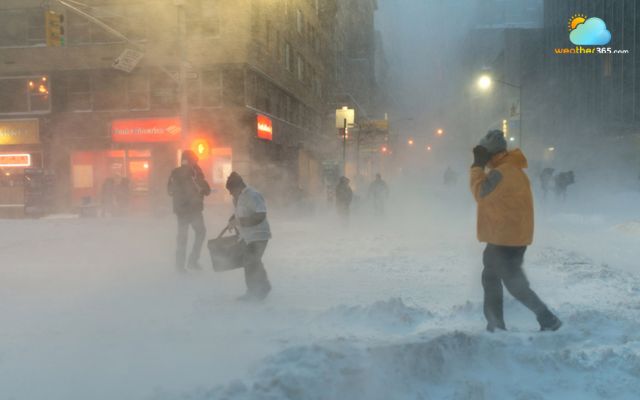
A blizzard can bring in whiteout conditions
Nor’easter
A Nor’easter is a powerful winter storm that primarily affects the eastern coast of the United States and Canada. Its name comes from the northeasterly winds that blow from the ocean toward the land.
Key characteristics include:
Heavy snow or rain
Strong coastal winds
Storm surges and coastal flooding
Rapid intensification (sometimes called “bomb cyclones”)
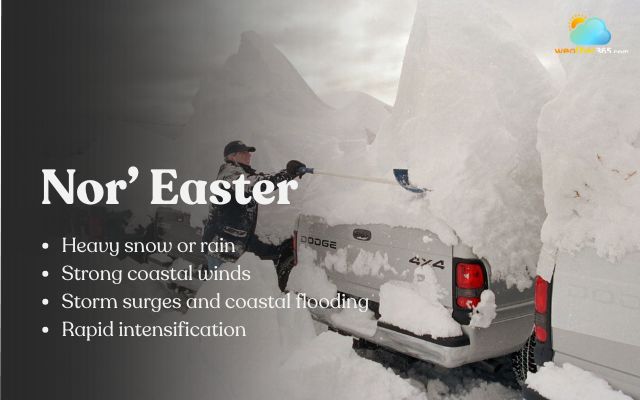
Characteristics of a Nor’Easter
Nor’easters can produce blizzard conditions inland while causing flooding along coastlines.
Large metropolitan areas such as New York and Boston are frequently affected by these storms.
Know more: What's the difference between a nor'easter and a hurricane?
Snowsquall
A snowsquall is a short-lived but intense burst of heavy snowfall accompanied by strong winds.
Unlike large-scale winter storms, snow squalls are:
Brief (usually less than an hour)
Highly localized
Sudden in onset
Despite their short duration, snow squalls are extremely dangerous because they can cause rapid visibility drops, leading to multi-vehicle accidents on highways.
Temperatures can also drop quickly, causing flash freezing on road surfaces.
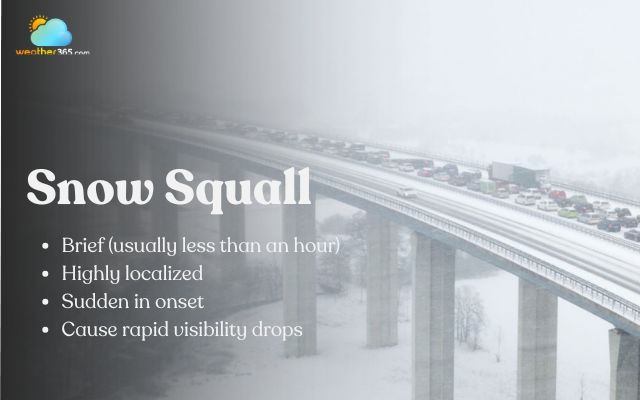
A snow squall can cause rapid visibility drops
Lake effect storm
A lake effect storm (or lake-effect snow event) occurs when cold air moves over relatively warmer lake water, picking up moisture and heat.
As the air mass travels across the lake:
It becomes unstable and moisture-laden
Snow bands form and intensify
Heavy snowfall occurs when the air reaches land
These storms are highly localized but can produce extreme snowfall totals in narrow regions.
Areas downwind of large lakes—such as the Great Lakes in North America—are especially vulnerable.
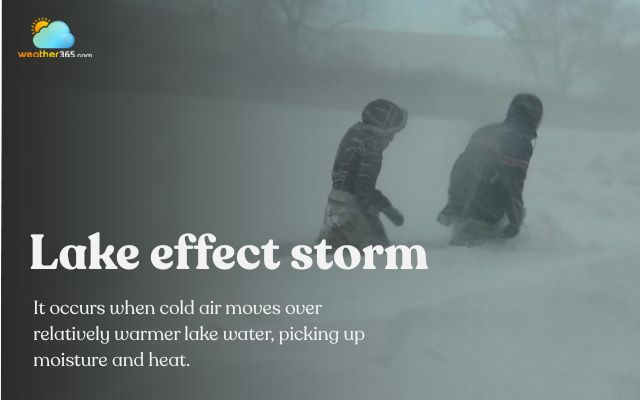
Lake effect storm can produce extreme snowfall totals in narrow regions
Ice storm
An ice storm is one of the most destructive types of winter storm.
It occurs when freezing rain coats surfaces with a layer of ice.
This happens when:
Snow melts into rain in a warm air layer above
The rain then falls into a shallow layer of cold air near the ground
The droplets freeze instantly upon contact with surfaces
The result is a glaze of ice on roads, trees, and power lines.
Impacts of ice storms include:
Dangerous road conditions
Tree damage and falling branches
Widespread power outages
Infrastructure damage
Even a thin layer of ice can cause major disruptions, making ice storms particularly hazardous.
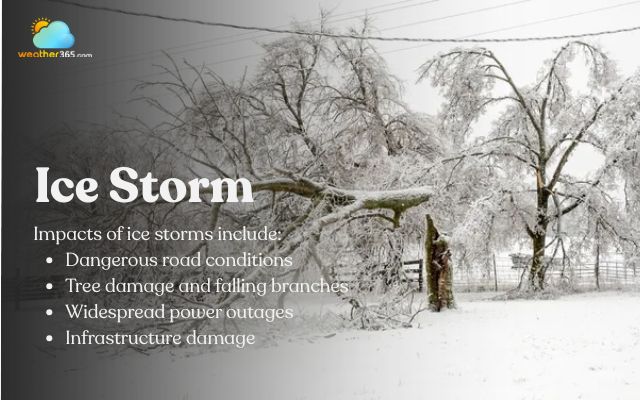
An ice storm is one of the most destructive types of winter storm
You may also like this: What is Graupel?
Sleet storm
A sleet storm involves the fall of small ice pellets, known as sleet. This occurs when snowflakes partially melt into rain and then refreeze before reaching the ground.
Characteristics of sleet:
Small, hard pellets that bounce upon impact
Less likely to coat surfaces like ice storms
Can still create slippery and hazardous conditions
While sleet storms are generally less destructive than ice storms, they can still significantly impact transportation and outdoor safety.
Characteristics of a sleet storm
Danger and Hazard of a Winter Storm
The dangers associated with a winter storm extend far beyond snowfall.
These events can disrupt daily life, damage infrastructure, and create serious safety risks in a short period of time.
Transportation disruption
Snow-covered roads reduce traction and make driving hazardous, while blowing snow limits visibility.
Airports may shut down due to unsafe conditions, and rail systems can face significant delays or complete shutdowns.
Power outages
Ice accumulation and strong winds can damage power lines and utility poles.
When outages last for extended periods, homes may lose heating, which becomes dangerous in freezing temperatures.

A winter storm can lead to a power outage
Health risks increase
Hypothermia can occur when the body loses heat faster than it can produce it.
Frostbite may damage exposed skin and underlying tissues, especially in severe wind chill conditions that accelerate heat loss.
Structural damage
Heavy snow accumulation can put excessive weight on roofs, leading to collapse in severe cases.
Ice buildup can damage buildings, while falling tree branches create additional hazards.
Economic impacts
Businesses may be forced to close temporarily, and supply chains can be disrupted.
In addition, communities often face increased costs for snow removal, repairs, and emergency response.

Winter storm can impact economy significantly
Reduced visibility
Blowing snow can create whiteout conditions where visibility drops to near zero.
This can disorient both drivers and pedestrians, increasing the risk of accidents.
Overall, a winter storm is particularly dangerous because it combines multiple hazards that can escalate quickly and persist for long periods, making preparation and awareness essential.
Winterstorm safety tips
Preparing for a winter storm is critical to minimizing risks.
Whether you are at home or traveling, taking proactive measures can significantly improve safety.
Stay informed at all times
Keep track of weather forecasts ( visit weather365.com) and official alerts before and during a winter storm.
Reliable updates help you prepare early and avoid unnecessary risks.
Prepare an emergency kit in advance
Make sure you have essential supplies such as drinking water, non-perishable food, flashlights, batteries, blankets, and a first aid kit.
These items are critical if you lose power or become isolated.
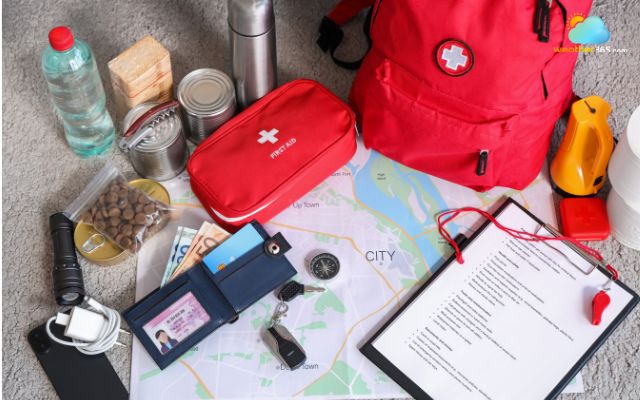
Prepare an emergency kit
Avoid unnecessary travel
Road conditions can become extremely dangerous due to snow, ice, and poor visibility.
If you must travel, inform someone of your route and carry emergency supplies in your vehicle.
Keep your home safe and warm
Seal windows and doors to prevent heat loss and insulate pipes to avoid freezing.
Ensure your heating system is working properly before the storm arrives.
Dress appropriately for extreme cold
Wear layered clothing to retain body heat.
Protect exposed skin with gloves, hats, and scarves to reduce the risk of frostbite.

Wear layered clothing to keep body warm
Use heating equipment safely
Never use generators, grills, or other fuel-burning devices indoors.
Always ensure proper ventilation and install carbon monoxide detectors to prevent poisoning.
Watch for signs of cold-related illnesses
Be alert for symptoms of hypothermia and frostbite, such as shivering, numbness, or confusion.
Seek medical attention immediately if these signs appear.
Check on vulnerable individuals
Elderly people, children, and those with medical conditions may need extra assistance.
Make sure they have adequate warmth, food, and support during the storm.
Conclusion
A winter storm is a powerful and potentially dangerous weather event that combines snow, ice, wind, and extreme cold. Understanding how a winter storm forms, recognizing its types, and preparing in advance are essential for safety. With proper awareness and precautions, individuals and communities can reduce risks and better withstand the impacts of any winter storm.
Related post
What Is Graupel? Differences Between Graupel, Hail, and Sleet
 2542
2542
 8
8
 4.6
4.6
 24/07/2026
What Is A Nor'easter? Definitions, Weather Effects And Safety Tips
2435
8
5.0
01/04/2026
What's the difference between a nor'easter and a hurricane? Full explained
1771
8
4.8
01/04/2026

What is the difference between snowstorm and blizzard? Full explained
1578
8
4.8
26/07/2026
What Is a Snow Squall? Key Facts and Safety Advice for Drivers
1377
8
4.8
01/04/2026

6 Comment
Anna Wood
Which type of winter storm is the most dangerous?
weather365
It depends on the hazards involved, but ice storms can be especially destructive because they damage roads, trees, and power lines.
Jocelyn Hill
What makes a storm a blizzard?
weather365
Strong winds of at least 35 mph, visibility below 1/4 mile, and those conditions lasting at least three hours.
Alicia Ward
Is every heavy snowstorm considered a winter storm?
weather365
Not necessarily. Winter storms can involve snow, strong winds, freezing temperatures, ice, and dangerous wind chills.
Leave a comment
Your email address will not be published. Required fields are marked *