




Winter Energy Saving Tips: How to Stay Warm but Still Cut Energy Costs


Ever wondered why your energy bills suddenly spike every winter? You’re not alone. Cold weather means more heating, longer nights, and higher electricity use. The good news is: there are simple winter energy saving tips that can help you stay warm without draining your wallet. Scrolling down to discover now!

Winter energy saving tips
Why Energy Bills Increase During Winter?
If your energy bill feels noticeably higher in winter, it’s not your imagination. There are several underlying reasons, and most of them are tied to how our daily habits and home systems change when the weather gets colder.
Increased heating demand
One of the biggest drivers is increased heating demand. When outdoor temperatures drop, your home naturally loses heat faster.
To keep indoor spaces comfortable, your heating system has to run more often and for longer periods.

Increasing heat demand causes bills to rise
Unlike fans or lights, heating systems consume a large amount of energy, so even a small increase in usage can lead to a significant jump in your bill.
On top of that, appliances like dryers are used more frequently in winter since clothes can’t air-dry easily, adding even more energy consumption.
Shorter daylight hours
Another key reason is shorter daylight hours. In winter, the sun sets earlier and rises later, which means you rely more on artificial lighting.

Spending more time indoors also increases energy demand
But it’s not just about lights. People also tend to spend more time indoors during colder months, leading to increased use of TVs, laptops, kitchen appliances, and heating devices throughout the day.
This shift in lifestyle quietly pushes your overall energy usage higher.
Insulation and heat loss
Your home’s structure also plays a major role, especially when it comes to insulation and heat loss.
If your house isn’t properly insulated, warm air escapes through walls, windows, doors, and even small cracks you might not notice.
As a result, your heating system has to work harder to maintain a stable temperature.
It’s like trying to fill a bucket with a hole in it; you keep using more energy just to stay at the same comfort level.
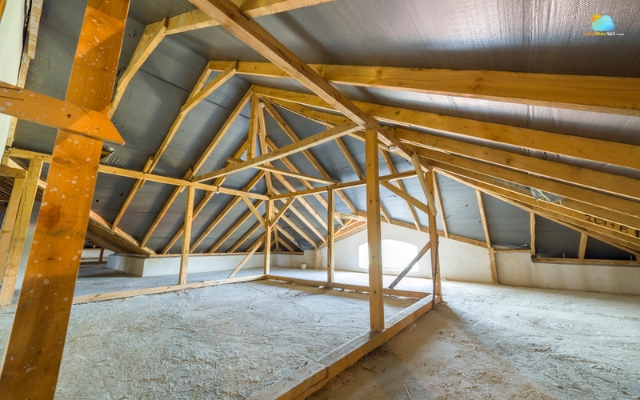
Poor insulation leads to the loss of warm air
Hot water usage
Then there’s hot water usage, which tends to spike in winter.
People naturally prefer longer, hotter showers when it’s cold outside. Laundry is often done with warm or hot water, and overall water usage may increase.
Since heating water requires a lot of energy, this alone can make a noticeable difference in your monthly bill.
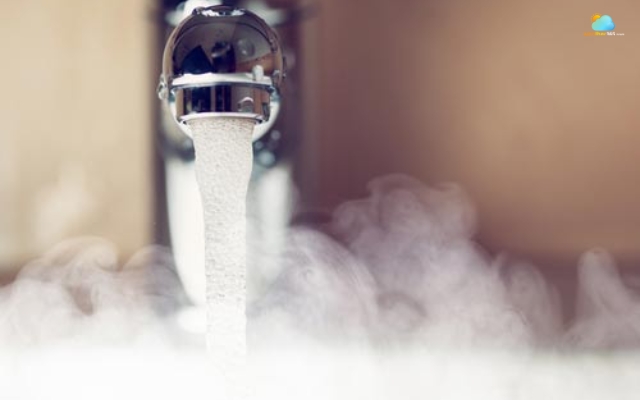
Heating water requires a lot of energy
Billing cycles
In some cases, the increase isn’t only about usage.
Billing cycles can also affect what you see on your statement. If your winter bill covers more days than usual, it will appear higher even if your daily consumption hasn’t changed much.
This can be misleading if you’re not paying attention to the billing period.
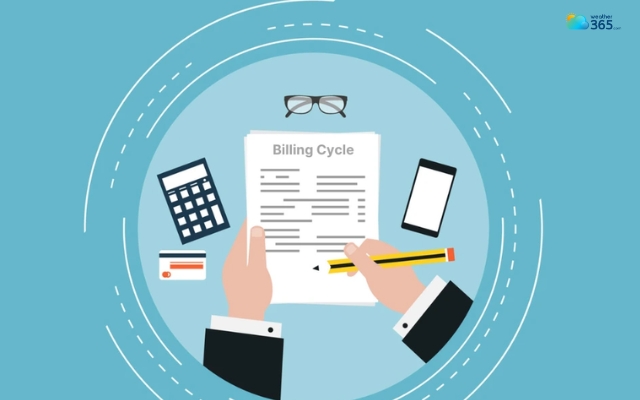
Winter bill covers more days cost more than usual
Fluctuate energy rates
Finally, energy prices themselves can fluctuate. During winter, demand for electricity and heating rises across entire regions.
This can lead to higher rates, especially during peak hours like early mornings and evenings when everyone is using energy at the same time.
So even if your habits stay the same, you might still end up paying more per unit of energy.

Energy prices can fluctuate during the winter
Winter Energy Saving Tips
Now that you understand why energy bills rise in colder months, the next step is knowing what actually works to reduce them.
Most effective winter energy saving tips come from small, consistent changes in how you use energy every day.
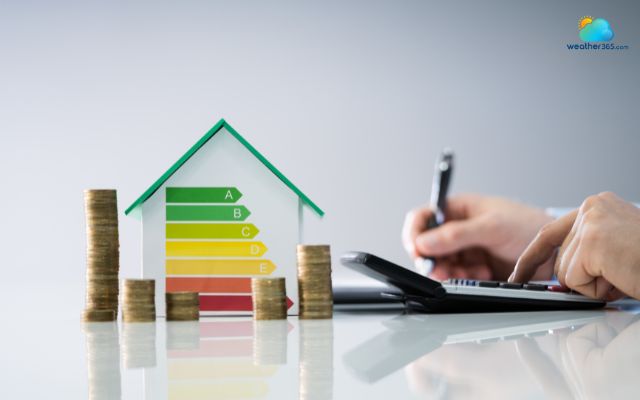
Use heat efficiently to save on the energy bill
The key idea is simple: use heat more efficiently, reduce waste, and avoid unnecessary energy use.
When you combine these habits, the difference in your bill can be surprisingly noticeable.
At Home
Your home is where most energy is consumed during winter, so this is where small adjustments can have the biggest impact.
Temperature management
A good starting point is how you manage indoor temperature.
Many people turn the heat up too high, thinking it will warm the house faster. In reality, it just consumes more energy without improving comfort.
Keeping your thermostat at a stable, moderate level, and lowering it slightly when you sleep or go out can reduce energy use without making your home feel cold.
If you’re unsure what setting works best, you can check this guide on what is the ideal temperature for a house in winter to balance comfort and energy efficiency.
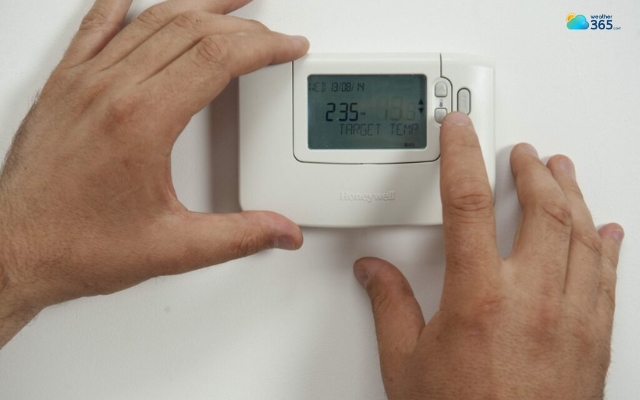
Keeping your thermostat at a stable level
Heat retention
Another important factor is heat retention. Even if your heater works well, it won’t matter much if warm air keeps escaping.
Simple habits like closing curtains at night, opening them during sunny hours, and making sure doors and windows are properly sealed can help trap heat inside.
These small actions reduce the workload on your heating system, which directly lowers energy consumption.

Small habits can make a huge difference
You should also pay attention to how you use hot water. In winter, it’s natural to take longer, hotter showers, but this is one of the most energy-intensive habits.
Cutting down just a few minutes per shower or switching to more efficient fixtures can make a real difference over time.
Appliance control
Appliance use also plays a role. For example, running a dryer frequently instead of air-drying clothes increases electricity usage.
Similarly, leaving devices on standby or using old, inefficient appliances adds unnecessary energy costs.
Being more mindful, like turning things off when not in use or choosing energy-efficient settings helps reduce waste without affecting your daily routine.
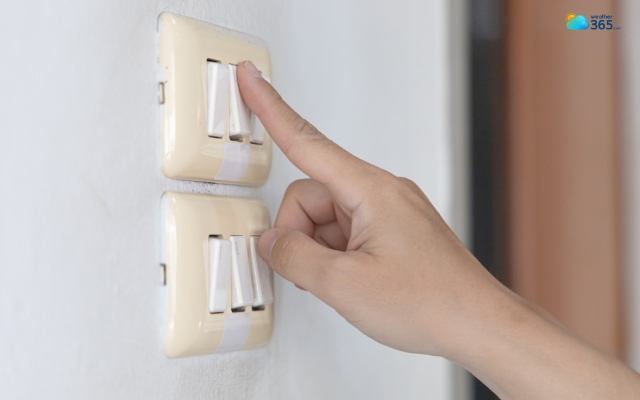
Turn off appliances when not in use
Regular maintenance
Lastly, regular maintenance is often overlooked but extremely important. Heating systems, if not cleaned or serviced, lose efficiency over time.
A system that has to work harder to produce the same amount of heat will naturally use more energy.
Keeping it in good condition ensures you’re not paying extra for avoidable inefficiency.
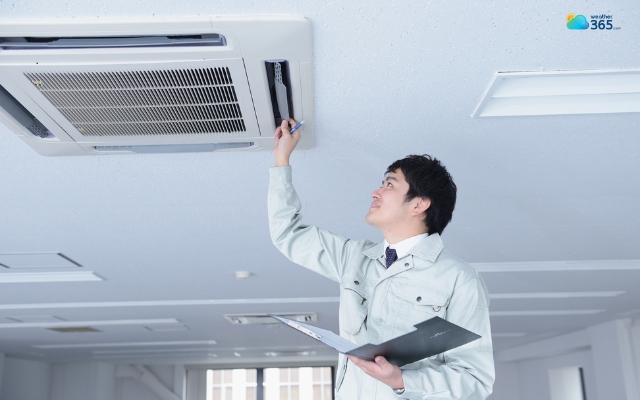
Keep your appliances in good condition
In Offices
Energy use in offices can be even more complex because it involves multiple people, shared equipment, and larger spaces. But the principle remains the same: avoid waste and use energy only when necessary.
Overheating
One common issue in offices is overheating. To keep everyone comfortable, temperatures are sometimes set higher than needed.
This leads to unnecessary energy consumption, especially in spaces where people are already generating heat from equipment and activity.
Maintaining a balanced, consistent temperature is more efficient than constantly adjusting it.

Overheating in the office can cost a lot
Lighting
Lighting is another area where energy can easily be saved. Offices often rely heavily on artificial lighting even during the day.
Making better use of natural light not only reduces electricity use but also creates a more comfortable working environment.
It’s a simple shift that doesn’t require any major changes.

Making better use of natural light in the office
Equipment usage
Equipment usage is also worth paying attention to. Computers, printers, and other devices are often left on even when not in use. Over time, this continuous energy drain adds up.
Encouraging habits like turning off devices at the end of the day or using power-saving modes can significantly cut down energy waste.

Many electrical equipment can cause energy drain
Maintenance
Finally, just like at home, maintenance matters. Heating and ventilation systems in offices need to be checked regularly.
If they’re not running efficiently, they will consume more energy while delivering poorer performance.
A well-maintained system ensures that energy is used effectively rather than wasted.
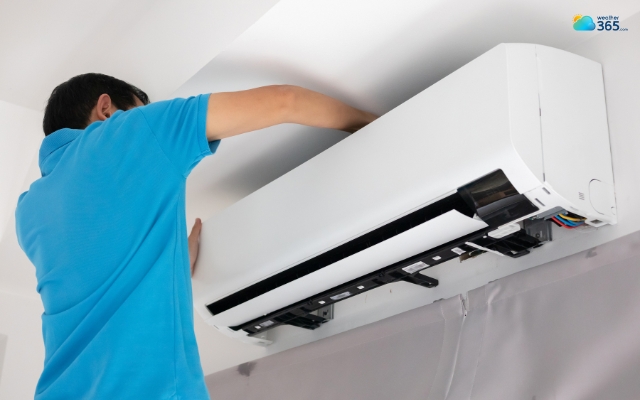
Regular maintenance helps equipment operate more efficiently
Common Mistakes That Waste Energy in Winter
Even if you’re trying to save energy, some everyday habits can quietly push your bills higher without you realizing it.
These mistakes often feel “normal” in winter, but they actually make your heating system work harder than necessary.
Avoiding them is one of the easiest ways to improve efficiency without sacrificing comfort.
Overheating your home
One of the most common mistakes is turning the thermostat up too high.
It’s a natural reaction when you feel cold, but it doesn’t warm your home faster, it just uses more energy.
Heating systems work at a steady rate. When you set a higher temperature than needed, the system simply runs longer, consuming more energy and increasing your bill.
Over time, this also puts extra strain on the system, reducing its efficiency and lifespan.
Another issue with overheating is that it creates an unstable indoor environment. You may feel too warm at times and then adjust the temperature again, leading to constant fluctuations.
This stop-and-start pattern wastes even more energy than maintaining a consistent, moderate temperature.
Ignoring small air leaks
Small gaps around your home might not seem like a big deal, but they can cause significant heat loss over time.
Warm air naturally escapes through:
► Window edges
► Door frames
► Cracks in walls or floors
When this happens, your heating system has to keep running just to replace the lost heat. It’s like trying to heat a space that never fully stays warm.
Even worse, these leaks allow cold air to enter, creating drafts and uneven temperatures. This often leads people to turn up the heat even more, which only increases energy consumption.
In many homes, poor insulation and unnoticed drafts are among the biggest sources of wasted energy.
Fixing them is usually simple, but ignoring them can cost you every single day of winter.
If your home still feels cold even when the heater is on, there may be deeper issues. Check our guide on why is my house so cold in the winter to fix it!
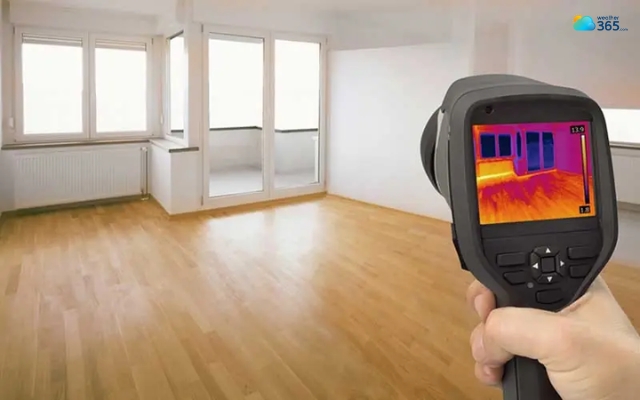
Even small air leaks can lead to significant heat loss
Skipping Maintenance
Another costly mistake is neglecting your heating system.
Over time, dust, dirt, and wear can reduce how efficiently your system operates. For example, clogged air filters restrict airflow, forcing the system to work harder to circulate warm air.
This not only increases energy use but also reduces overall performance.

Skipping maintenance can make devices run inefficiently
Without regular maintenance, small issues can turn into bigger problems. Leaks in ducts, worn components, or poorly functioning thermostats can all lead to energy waste.
In some cases, systems may lose a significant portion of their efficiency simply because they haven’t been checked or cleaned.
Wrap up
Winter energy saving tips do not necessarily have to be complicated. Just understand what drives your energy use and avoid common mistakes, and you can stay warm without overspending. Small, consistent changes - at home or in the office - can help lower your bills while keeping your space comfortable all season long.
Frequently Asked Questions (FAQs)
Related post

What are the causes of static electricity? TOP 6 common reasons
 1312
1312
 8
8
 4.8
4.8
 23/03/2026
Why Is My House So Cold In The Winter? Causes and Solutions
1250
8
4.7
24/07/2026
How To Prevent Pipe Freezing in Winter? Top Tips to Protect Your Home
1224
8
4.8
01/04/2026

8 Comment
Malia Thomas
Is heating really responsible for 40–60% of home energy use in winter?
weather365
It can be, especially in homes that rely heavily on electric heating.
Trinity Mccarty
Can small gaps around windows really affect the energy bill?
weather365
Yes. Even small air leaks let warm air escape and make your heating system work harder.
Sabrina Douglas
Why does turning the heat up higher not warm the house faster?
weather365
The heating system works at a steady rate. A higher setting usually just makes it run longer and use more energy.
Luke Hammond
Does lowering the thermostat at night really save that much energy?
weather365
Yes. Lowering it slightly while sleeping or away can reduce heating demand without making the house uncomfortable.
Leave a comment
Your email address will not be published. Required fields are marked *