




How To Prevent Pipe Freezing in Winter? Top Tips to Protect Your Home


Wondering how to prevent pipe freezing before winter hits? Frozen pipes can lead to costly damage and unexpected stress. Don’t worry, in this guide, you’ll discover simple, effective strategies to protect your home and keep your plumbing system safe during even the coldest days. Diving in!
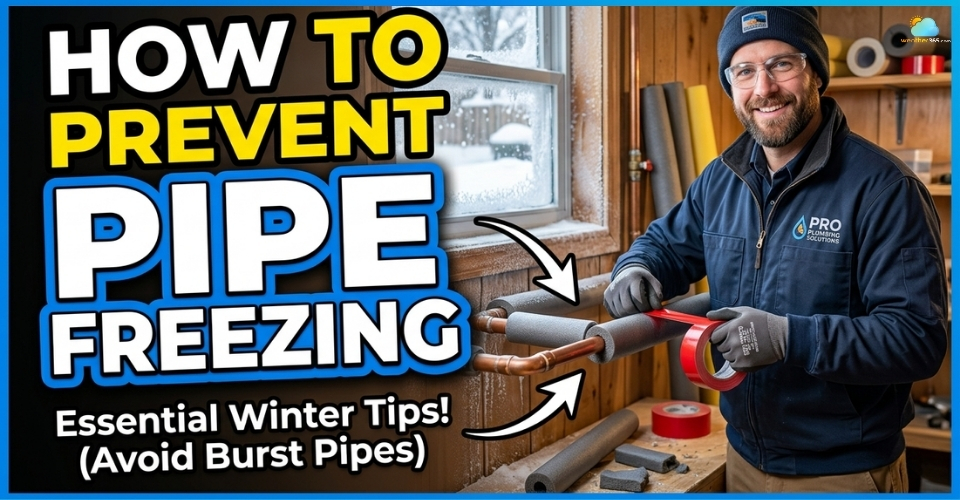
How to prevent pipe freezing
- Why Do Pipes Freeze in Winter?
- How To Prevent Pipe Freezing?
- Insulate Pipes Properly
- Let Faucets Drip During Cold Nights
- Open Cabinet Doors
- Maintain a Consistent Indoor Temperature
- Seal Air Leaks and Keep Cold Air Out
- Protect Outdoor Faucets and Exterior Pipes
- How To Thaw Frozen Pipe?
- Turn on Faucets Immediately
- Apply Heat
- Avoid Using Open Flames or High Heat
- Check for Leaks
- Call a Professional if Needed
Why Do Pipes Freeze in Winter?
Why do your pipes always freeze when winter comes?
The problem comes down to water and temperature. When the weather gets cold enough, the water inside your pipes begins to freeze.
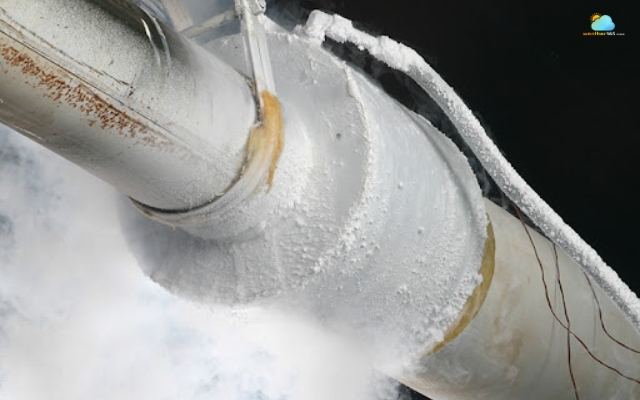
Does the pipe always freeze in the winter?
But it’s not just the freezing itself that causes damage. As water turns into ice, it expands.
This expansion creates pressure inside the pipe, and over time, that pressure can cause cracks or even a full pipe burst.
That said, not all pipes freeze at the same time or for the same reasons.
There are several factors that make certain pipes more vulnerable than others.
Rapid temperature drops
One of the most common causes is rapid temperature drops.
When the temperature suddenly falls, pipes don’t have enough time to adjust.
This is especially risky in areas that aren’t well-protected, like basements or crawl spaces.
Even pipes that are usually safe can freeze if the cold hits too quickly.
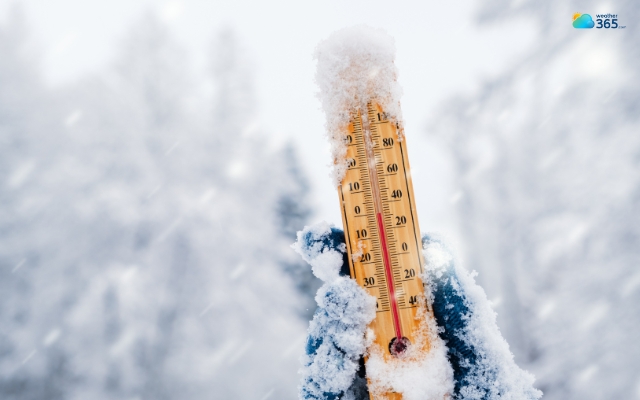
Pipes can easily freeze if the cold hits too quickly
Poor insulation
Another major factor is poor insulation. Pipes that aren’t properly insulated are directly exposed to cold air, which speeds up the freezing process.
This often happens in older homes or in areas where insulation was overlooked, such as garages, attics, or behind walls.
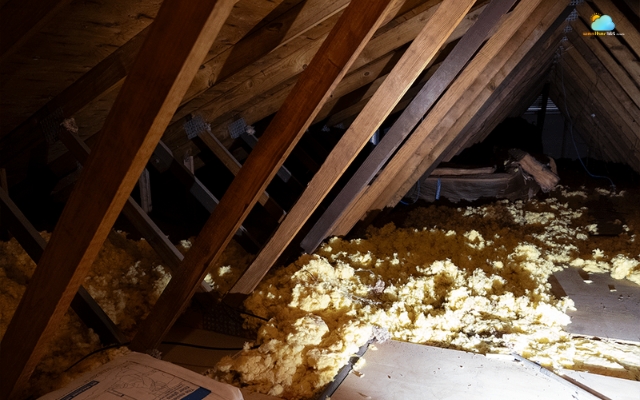
Poor insulation leads to cold air exposure
Extreme cold exposure
Then there’s extreme and prolonged cold weather.
When temperatures stay below freezing for an extended period, even well-insulated pipes can eventually freeze.
The longer the cold lasts, the deeper it penetrates into your home’s structure.
You may also like: Why is my house so cold in the winter?
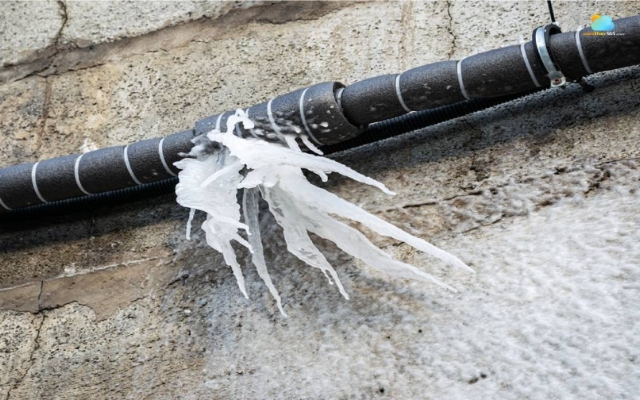
Prolonged cold exposure causes pipes to freeze
Exterior pipe exposure
Pipes located along exterior walls or outdoors are also at much higher risk. These pipes are closer to the cold air outside and often don’t benefit from the warmth inside your home.
Outdoor faucets, garden hoses, and irrigation lines are especially vulnerable if they’re not properly shut off or protected.
Consequently, a frozen pipe might not burst immediately, but as pressure builds, the risk increases.
Once a pipe cracks, water can leak into walls, floors, or ceilings, leading to water damage, mold growth, and expensive repairs.
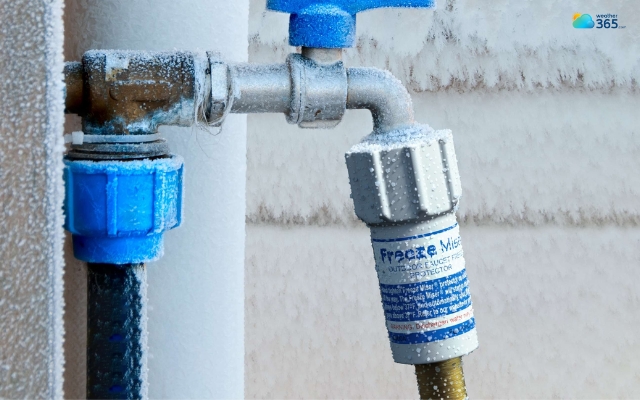
Outdoor faucets are especially vulnerable to freezing
How To Prevent Pipe Freezing?
Good news for you is that preventing frozen pipes doesn’t require anything complicated, just a combination of small, consistent habits that keep your pipes warm and water moving.
Insulate Pipes Properly
One of the most effective ways to prevent freezing is insulation.
Pipes located in unheated areas like basements, attics, garages, or crawl spaces are especially vulnerable.
Wrapping them with foam insulation or heat tape helps retain heat and slows down temperature loss.
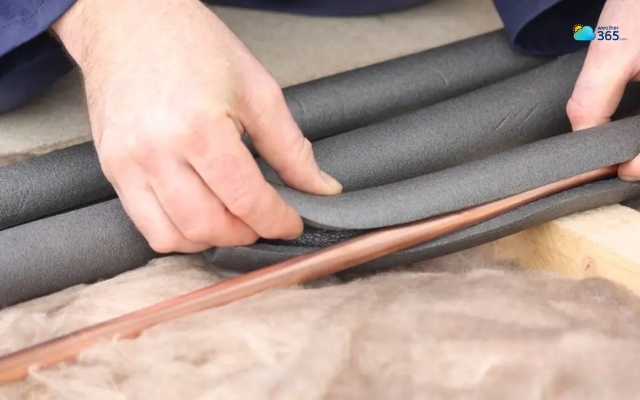
Wrapping the pipe to retain heat
Think of insulation as a protective layer. It doesn’t generate heat, but it keeps existing warmth from escaping too quickly.
Even a simple, low-cost insulation sleeve can significantly reduce the risk of freezing and bursting.
Let Faucets Drip During Cold Nights
It might sound counterintuitive, but letting your faucet drip slightly can make a big difference.
When water keeps moving, it’s much harder for it to freeze inside the pipe.
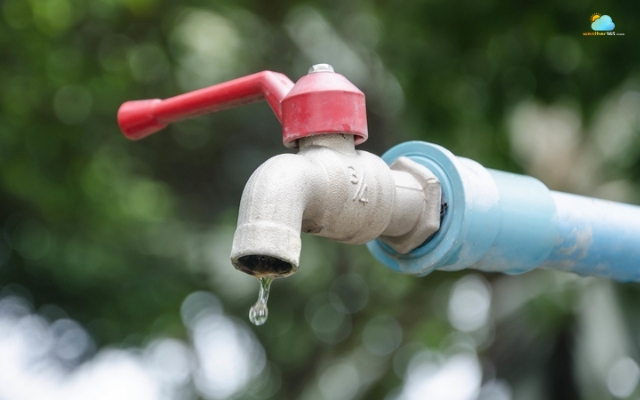
Let the faucet drips can prevent freezing
There’s no need to run water at full force. A light, continuous drip is enough to keep water circulating, which is especially helpful for pipes in colder zones.
It’s a simple trick, but it can save you from major repair costs later.
Open Cabinet Doors
Pipes under sinks, especially in kitchens and bathrooms, are often hidden inside cabinets. During winter, these spaces can become much colder than the rest of your home.
By opening cabinet doors, you allow warm indoor air to circulate around the pipes.
This small change helps maintain a safer temperature and reduces the chance of freezing, particularly for pipes located near exterior walls.
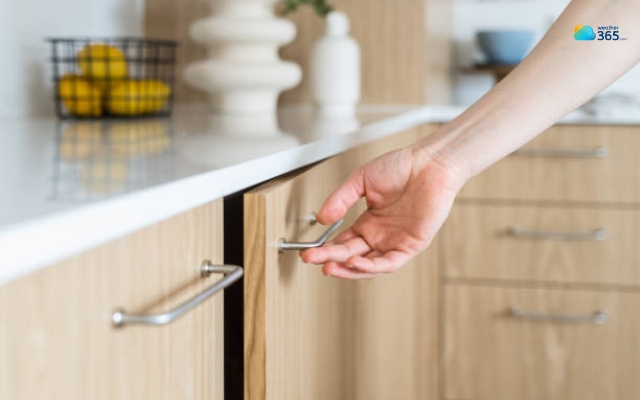
Open the cabinet door to let warm air in
Maintain a Consistent Indoor Temperature
Keeping your home warm is one of the most important steps. Sudden drops in indoor temperature can quickly affect your plumbing system.
Even if you’re trying to save energy, avoid turning the heat off completely during cold weather.
Experts recommend keeping your thermostat stable, especially overnight or when you’re away. A consistent indoor temperature helps ensure that pipes stay above freezing.
You may also like: Cold weather tips

Consistent indoor temperatures can prevent pipe freezing
Seal Air Leaks and Keep Cold Air Out
Cold air entering your home can directly affect nearby pipes.
Small gaps around windows, doors, or where pipes pass through walls may seem harmless, but they can let in enough cold air to freeze a pipe.
Sealing these openings with caulk or insulation helps keep warm air inside and cold air out.
This step is often overlooked, but it plays a key role in protecting your plumbing system.
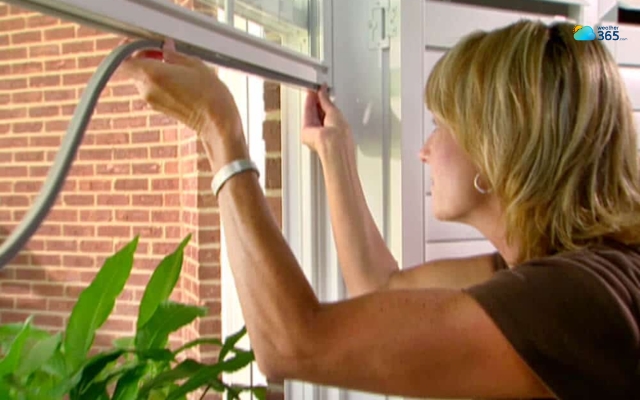
Seal air leaks to protect the plumbing system
Protect Outdoor Faucets and Exterior Pipes
Outdoor plumbing is the first to freeze because it’s fully exposed to the elements.
Garden hoses, exterior faucets, and irrigation lines should always be prepared before winter arrives.
Start by disconnecting hoses and draining any remaining water. Then, cover outdoor faucets with insulated caps.
If possible, shut off the water supply to exterior lines entirely. These steps prevent ice from forming and expanding inside the pipes.
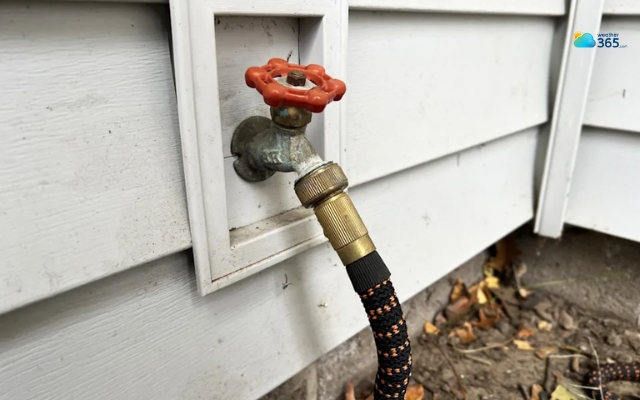
Disconnect the hose to prevent the pipe from freezing
How To Thaw Frozen Pipe?
Even if you’ve done everything right, pipes can still freeze during extreme cold. The key at this point is not to panic, but to act carefully.
Thawing pipes the wrong way can actually make things worse, increasing the risk of cracks, leaks, or even fire hazards.
Turn on Faucets Immediately
The first thing you should do is turn on the affected faucet, even if only a small trickle comes out. This step is more important than it seems.
When water begins to melt inside the pipe, it needs somewhere to go. Keeping the faucet open helps relieve pressure and allows water to flow as the ice thaws.
Without this, pressure can build up and increase the chance of the pipe bursting.
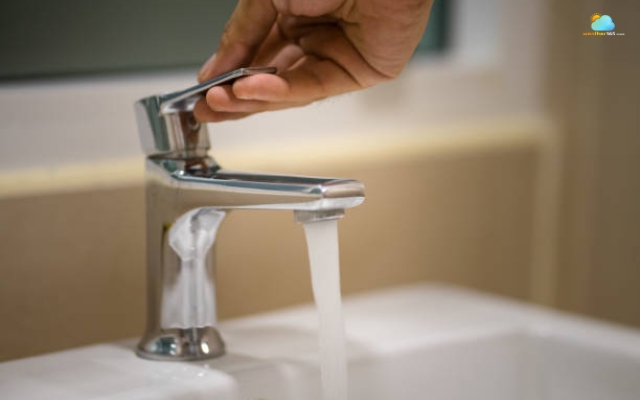
Turn on faucets before it completely freezes
Apply Heat
Once the faucet is open, the next step is to warm up the frozen section of the pipe.
Safe methods include using a hair dryer, a heating pad, a space heater placed at a safe distance, or even wrapping the pipe with warm, damp towels.
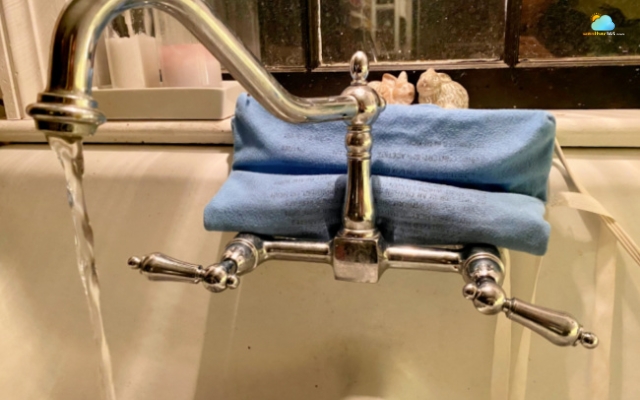
Make the faucet warm
These methods slowly raise the temperature and melt the ice inside without shocking the pipe.
Start heating from the section closest to the faucet and move along the pipe. This allows melted water to flow out instead of getting trapped behind ice further down the line.
Avoid Using Open Flames or High Heat
It might be tempting to speed things up, but this is where many people make dangerous mistakes.
Using blowtorches, gas heaters, or any open flame can damage the pipe or even start a fire.
Sudden, intense heat can also cause uneven expansion, which weakens the pipe structure and leads to cracks.
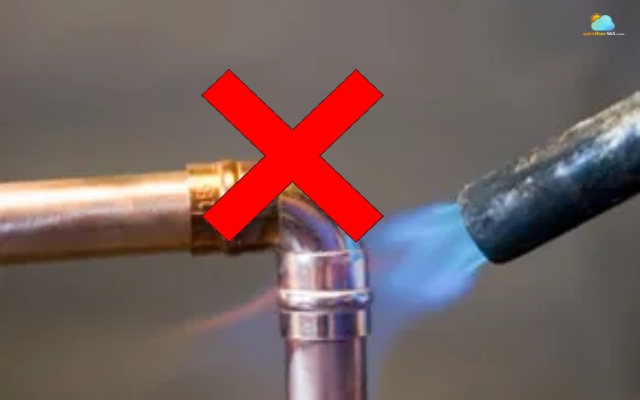
Do not use blowtorches for fast heating
Check for Leaks
As the ice melts, keep an eye on the pipe. Sometimes, the damage has already happened while the pipe was frozen.
Look for signs like small cracks, bulging, or water dripping. Even a tiny leak can quickly turn into a bigger problem once full water pressure returns.
If you notice anything unusual, it’s best to stop and take action immediately.
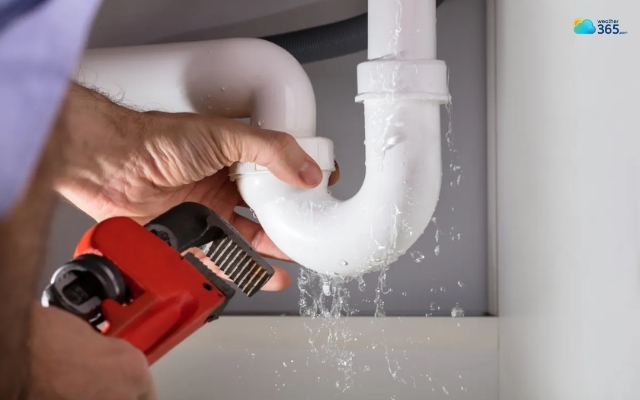
Check for leaks during and after thawing
Call a Professional if Needed
Not all frozen pipes are easy to access or safe to handle on your own.
If you can’t locate the frozen section, if it’s inside a wall, or if the pipe doesn’t thaw after your efforts, it’s time to call a plumber.
Also, if a pipe has already burst, shut off the main water supply right away to prevent flooding before getting professional help.
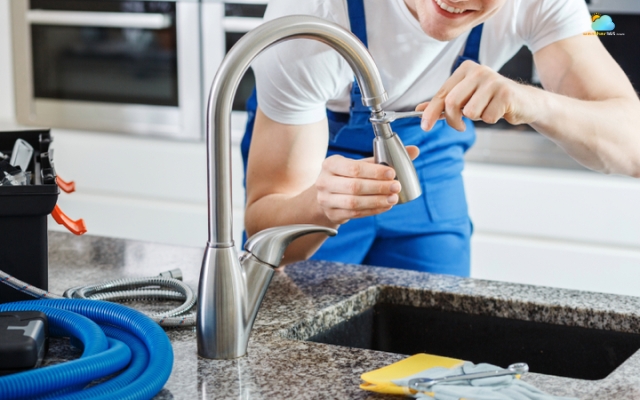
Call for help in case things get worse
Wrap up
Learning how to prevent pipe freezing is one of the smartest ways to protect your home during winter. With simple steps like insulation, maintaining heat, and acting quickly when pipes freeze, you can avoid costly damage and stress, keeping your plumbing system safe, reliable, and ready even in the coldest conditions.
Frequently Asked Questions (FAQs)
Related post

Static electricity in winter: Causes and Tips to avoid nasty static shock
 1258
1258
 0
0
 4.6
4.6
 01/04/2026

Winter Energy Saving Tips: How to Stay Warm but Still Cut Energy Costs
1228
0
5.0
01/04/2026
Why Is My House So Cold In The Winter? Causes and Solutions
1210
0
4.7
24/07/2026

0 Comment
Leave a comment
Your email address will not be published. Required fields are marked *