




Why Is My House So Cold In The Winter? Causes and Solutions


Why is my house so cold in the winter even when the heater is running? If this sounds familiar, you’re not alone. Many homes lose heat in ways you might not notice. In this guide, we’ll uncover the hidden causes, and show you how to fix them effectively. Scrolling down!
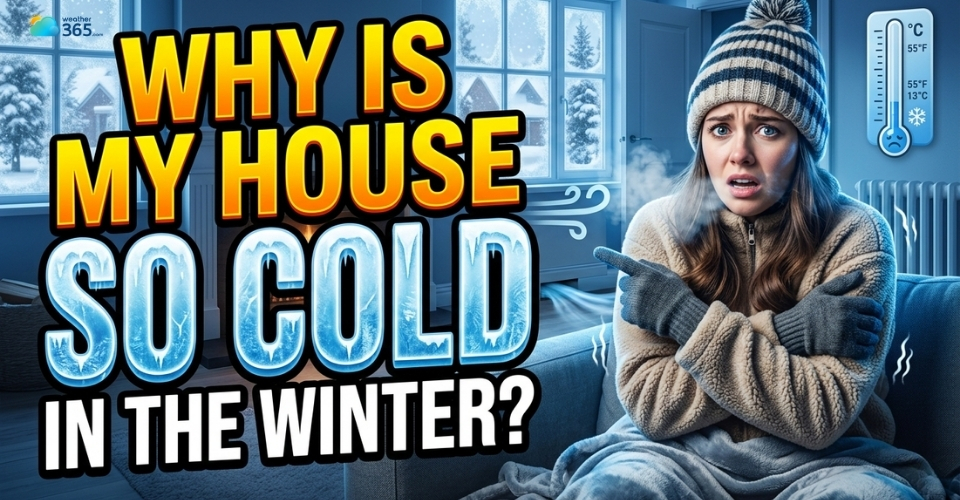
Why is my house so cold in the winter?
- Why Is My House So Cold In The Winter?
- Poor/insufficient insulation
- Air leaks & drafts
- HVAC issues
- Unsealed chimney
- Poorly sealed ductwork
- Lack of sunlight
- Inefficient heating
- Why Is One Room In My House So Cold?
- No Heat Reaching the Room
- Room Faces the North or Northwest Side
- Room Above the Garage
- Is A Cold House Bad For Your Health?
- Increased Blood Pressure
- Asthma Symptoms
- Poor Mental Health
- Physical Pain & Mobility
- How To Identify And Fix A Cold House?
- Identify the Cold
- Fix the Cold
Why Is My House So Cold In The Winter?
If your home never feels warm enough during winter, it’s usually because heat is escaping faster than it’s being produced.
Most houses don’t have just one single issue; instead, several small problems work together to make your space feel cold and uncomfortable.
Let’s break down the most common causes in a simple way.
Poor/insufficient insulation
Think of insulation as your home’s protective layer. Its job is to keep warm air inside and cold air outside.
If your insulation is too thin, old, or missing in key areas like the attic or walls, heat will escape very quickly.
This often leads to rooms that cool down fast, even after you turn on the heater.
Homes with poor insulation also tend to have higher energy bills because the heating system has to work harder to maintain a stable temperature.
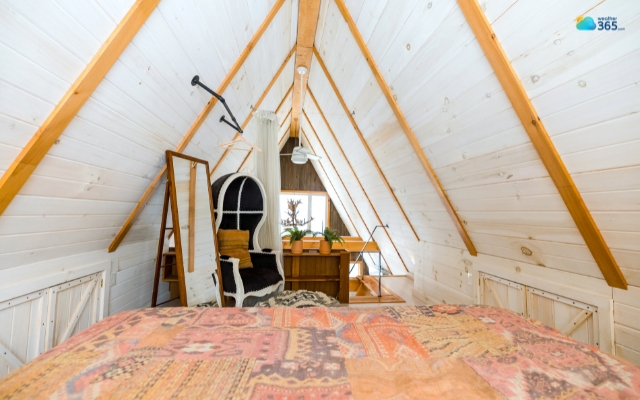
Poor insulation is a common reason for a cold house
Air leaks & drafts
Even tiny gaps around windows, doors, or electrical outlets can let cold air sneak in. At the same time, warm air quietly leaks out.
You might notice drafts near the window frames, door edges, or even baseboards.
These leaks are easy to overlook but can have a big impact on comfort. Over time, they create uneven temperatures and make your home feel constantly chilly.
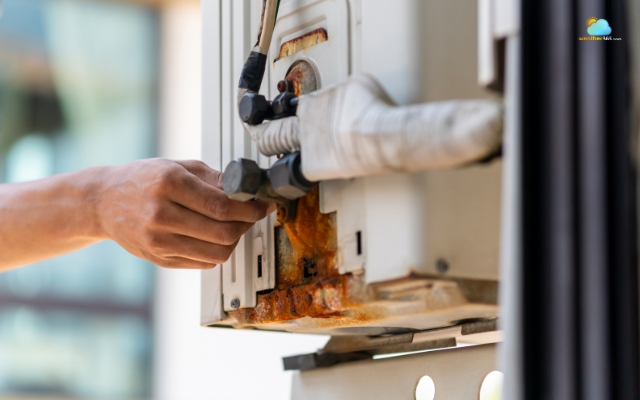
Leaks in stuff can let the cold air in
HVAC issues
Your heating system might be running, but not performing well.
Common HVAC-related problems could be: dirty/clogged filters, worn-out components,....
When airflow is restricted or the system is inefficient, it won’t be able to distribute heat evenly. This leaves some areas warm while others stay cold.
You might also want to know the ideal temperature for a house in winter to keep your home both comfortable and energy-efficient. Discover ideal temperature for a house in winter!
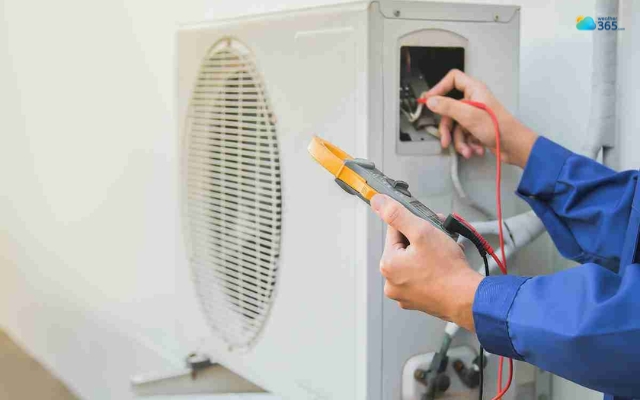
A cold house is also due to some HVAC issues
Unsealed chimney
A chimney can act like an open door to the outside if it’s not sealed properly. When the fireplace isn’t in use, warm air from your home can rise and escape through it.
At the same time, cold air can flow back down into your living space. This constant air movement can significantly reduce indoor warmth without you even noticing the source.
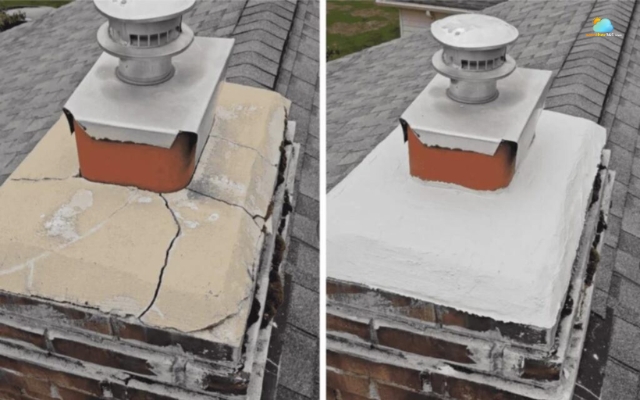
Warm air in the house can escape through the unsealed chimney
Poorly sealed ductwork
Ducts are responsible for carrying warm air from your heating system to different rooms.
But if there are leaks, holes, or loose connections, a large portion of that warm air never reaches its destination.
Instead, it escapes into unused spaces like attics or crawl areas. As a result, rooms feel colder, and your system runs longer than necessary.
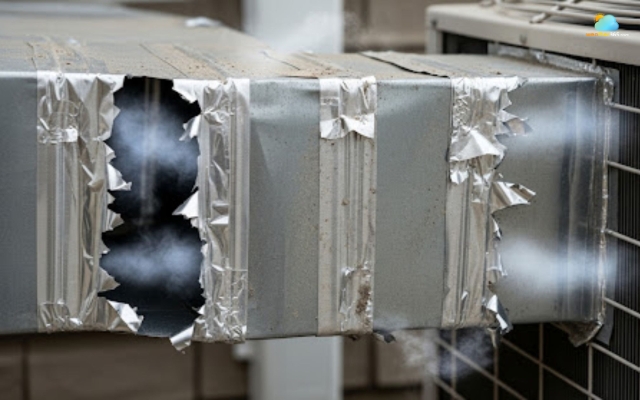
Poorly sealed ductwork causes warm air escape into crawl areas
Lack of sunlight
Natural sunlight plays a bigger role than most people think.
Sunlight can warm up floors, walls, and furniture during the day, helping maintain a comfortable indoor temperature.
If your home doesn’t get much direct sunlight, especially in winter, it misses out on this free source of heat.
Rooms facing north or shaded by buildings or trees are often the coldest.
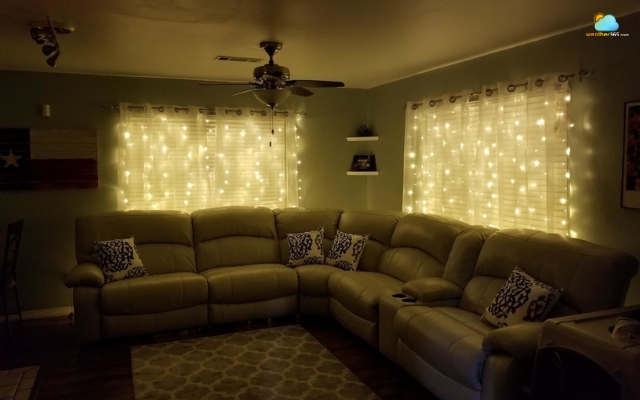
Lack of sunlight in a house leads to a lack of heat
Inefficient heating
Sometimes, the issue isn’t heat loss, but it’s how the heat is produced and distributed.
An inefficient heating system may take a longer time to warm up the house, or it struggles to maintain a steady temperature.
Moreover, these systems also consume more energy without better results.
This often happens with older systems or ones that haven’t been maintained regularly. Even thermostat placement can affect how well your home stays warm.

An inefficient heating system makes a house cold
Why Is One Room In My House So Cold?
It’s a common situation: most of your home feels comfortable, but one room is always noticeably colder.
This often comes down to how heat is delivered, how the room is positioned, and how well it’s insulated compared to the rest of the house.
No Heat Reaching the Room
One of the most straightforward reasons is that warm air simply isn’t getting into that room properly.
This can happen if the air vent is blocked by furniture, closed accidentally, or not delivering enough airflow.
In some cases, the issue is deeper, like a disconnected or poorly designed duct that limits how much warm air reaches the space.
You might also notice that the airflow feels weaker compared to other rooms.
When heat can’t circulate properly, the room will always lag behind in temperature, no matter how high you set the thermostat.

Not enough heat makes a room colder
Room Faces the North or Northwest Side
Room orientation plays a bigger role than most people expect.
Rooms that face north or northwest receive very little direct sunlight during the day, especially in winter when the sun sits lower in the sky.
Without sunlight to naturally warm the space, the room depends entirely on your heating system.
That makes it feel colder compared to south-facing rooms, which benefit from passive solar heat.
Over time, this difference becomes very noticeable, especially on colder, cloudy days.
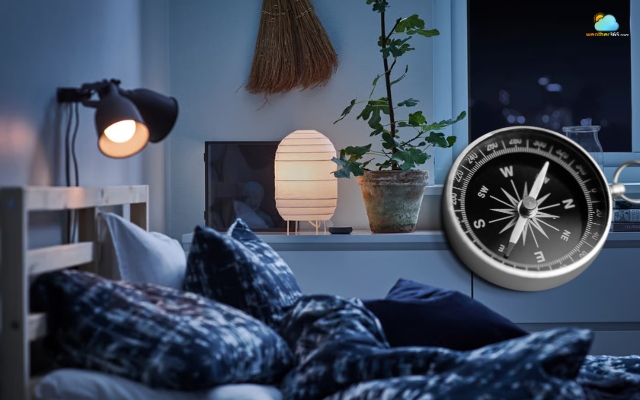
Rooms facing the north receive little direct sunlight during the day
Room Above the Garage
If the cold room is located above a garage, the problem is often related to insulation.
Garages are typically not heated, and in many homes, they’re not well insulated either.
Cold air from the garage can rise through the ceiling and affect the floor of the room above.
As a result, you may feel cold floors and struggle to keep the room warm, even when the heating system is running.
This type of heat loss is constant, which makes the room harder to stabilize in temperature compared to other parts of the house.
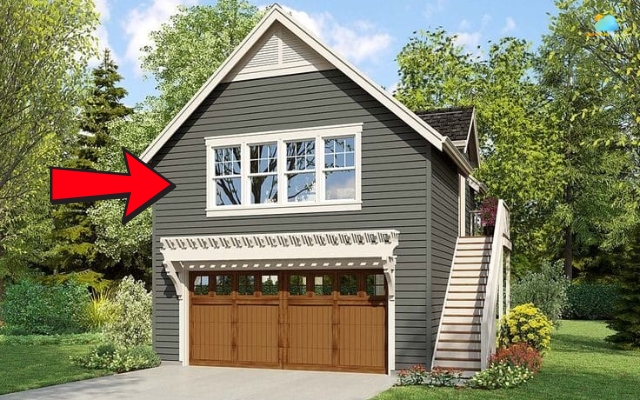
Cold air from the garage can affect the room above
Is A Cold House Bad For Your Health?
A cold home isn’t just uncomfortable, but it can also affect your health over time.
While short exposure to cold may not seem serious, living in a consistently chilly environment can put stress on your body, especially for children, older adults, and people with existing health conditions.
Increased Blood Pressure
When your body is exposed to cold temperatures, your blood vessels naturally narrow to conserve heat.
This process, called vasoconstriction, forces your heart to work harder to circulate blood.
Over time, this can lead to higher blood pressure, which increases the risk of heart-related issues.
For people who already have cardiovascular conditions, staying in a cold home can make symptoms worse or harder to manage.
Asthma Symptoms
Cold, dry air can irritate your airways, making it harder to breathe comfortably.
For people with asthma or other respiratory conditions, this can trigger more frequent symptoms such as coughing, wheezing, or shortness of breath.
A cold house can also create conditions where dampness builds up, which may encourage mold growth - another common trigger for breathing problems.

Prolonged exposure to cold leads to asthma illness
Poor Mental Health
Your environment plays a big role in how you feel mentally. Living in a cold, uncomfortable space can affect your mood, energy levels, and overall sense of well-being.
You may feel less motivated, more tired than usual, or sometimes easily stressed or irritable.
Over time, this can contribute to feelings of low mood or mild depression, especially during darker winter months when natural light is already limited.
Physical Pain & Mobility
Cold temperatures can make muscles and joints feel stiff. This is especially noticeable for people with arthritis or other mobility issues.
In a cold home, you might experience increased joint pain, reduced flexibility, and difficulty in moving comfortably.
This can affect daily activities and reduce overall quality of life if not addressed.
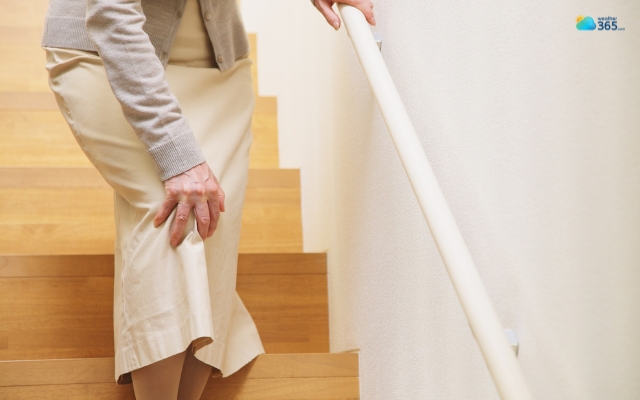
Cold temperatures can make muscles and joints feel stiff
How To Identify And Fix A Cold House?
Identify the Cold
The first step is paying attention to how your home actually feels in different areas.
Walk through each room and notice temperature differences. If one space feels colder, ask yourself whether it gets less sunlight, weaker airflow, or feels drafty near windows and doors.
You can also look for small signs of heat loss.
For example, if a room warms up slowly or cools down quickly after turning off the heater, that often points to insulation problems.
If you feel cold air near the floor, windows, or outlets, air leaks are likely the issue.
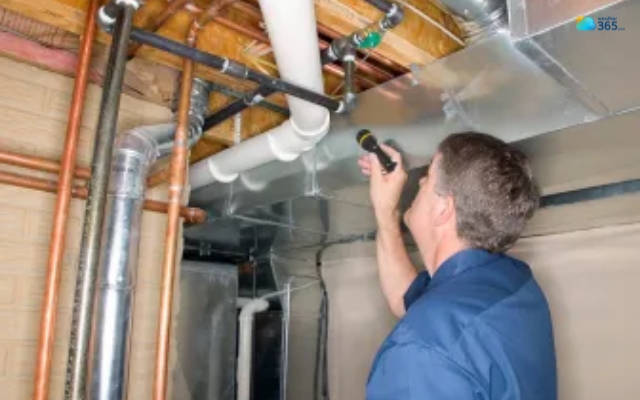
Comprehensively check the house to identify the cause
Another important area to check is the attic and ceiling.
Heat naturally rises, so if insulation is weak or uneven there, a large amount of warmth can escape without you realizing it.
Similarly, if your heating system seems to run constantly but doesn’t improve comfort, the issue may lie in ductwork or airflow rather than the heater itself.
For a more accurate diagnosis, some homeowners choose to get an energy audit. This helps detect hidden leaks and inefficiencies that aren’t easy to spot with the naked eye.
Fix the Cold
Sealing air leaks
In many cases, sealing air leaks is the quickest and most effective improvement.
Closing gaps around windows, doors, and hidden openings helps keep warm air inside and prevents cold air from entering.
This alone can noticeably improve comfort.
Improve insulation
Next, focus on insulation, especially in the attic. Upgrading or adding insulation helps your home retain heat for longer periods, reducing the need for constant heating.
If certain rooms still feel cold, it’s worth checking your ductwork.
Leaky or poorly insulated ducts can lose a significant amount of warm air before it ever reaches your living space.
Sealing and insulating them improves airflow and ensures heat is delivered where it’s needed.
Poor heating system
Also, take a look at your heating system. If it’s outdated, poorly maintained, or not suited to your home’s size, it may struggle to keep up.
In that case, servicing or upgrading the system can make a major difference.
The key is to fix the source of heat loss, not just compensate for it.
When insulation, airflow, and heating all work together, your home will feel warmer, more consistent, and far more comfortable throughout winter.
Along with these fixes, applying some winter energy saving tips can help your home stay warmer without increasing your energy bills.
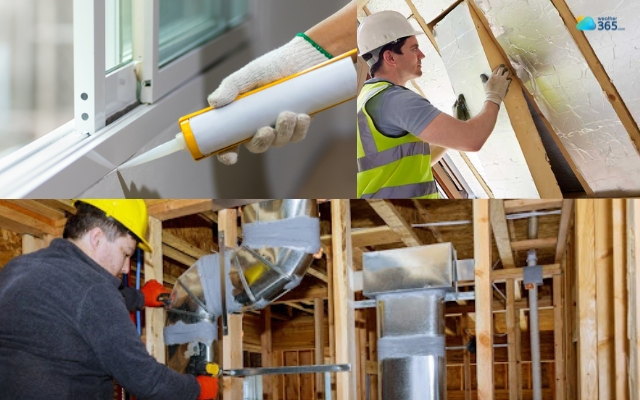
Improve the insulation and heating system
Final Thought
If you’ve been asking yourself, “Why is my house so cold in the winter?”, the answer usually comes down to heat loss and inefficiency. The key is not just turning up the heat, but stopping warmth from escaping in the first place. Once you fix the root causes, your home will feel warmer, more comfortable, and much more energy-efficient.
Frequently Asked Questions (FAQs)
Related post

Static electricity in winter: Causes and Tips to avoid nasty static shock
 1258
1258
 0
0
 4.6
4.6
 01/04/2026

Winter Energy Saving Tips: How to Stay Warm but Still Cut Energy Costs
1228
0
5.0
01/04/2026
How To Prevent Pipe Freezing in Winter? Top Tips to Protect Your Home
1190
0
4.8
01/04/2026

0 Comment
Leave a comment
Your email address will not be published. Required fields are marked *