




Static electricity in winter: Causes and Tips to avoid nasty static shock


Do you know about static electricity in winter? Think about every time you reach for a doorknob or touch your sweater in winter, you will immediately get a sharp little shock, right? But why exactly does it happen, and what can you do to stop it? In this post, we explore why it often appears during the cold season and tips to prevent static electricity around your home and clothing.

Static electricity in winter
What is static electricity?
Static electricity refers to an imbalance of electric charges between two surfaces.
When certain materials rub together - like your socks on a carpet or your sweater against your body, they transfer electrons from one object to another.
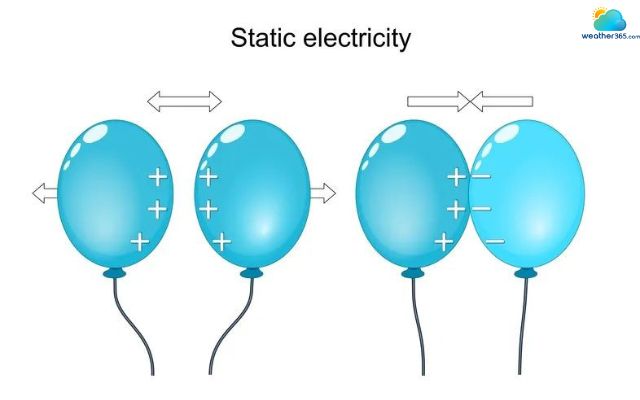
Static electricity occurs when there is an imbalance of electric charges
One surface ends up with a negative charge (extra electrons), while the other has a positive charge (missing electrons).
When these charges build up, they need to balance out.
The moment you touch a conductor, such as a metal door handle or car door, the electrons move instantly to restore balance, resulting in that familiar, sometimes painful static shock.
Discover details in our guide on what are the causes of static electricity!
Static electricity happens all year round, but it is more noticeable in winter because of the changes in humidity and air composition.
Why does static electricity in winter increase?
Ever wondered why static seems worse in December than in July? The answer lies in the physics of cold, dry air. Let’s unpack the main factors:
Dry Air and Low Humidity
Cold air holds less moisture than warm air. During winter, indoor heating further dries the air.
This lack of water vapor means there’s less moisture to help conduct electricity.
Normally, moisture in the air allows electrons to flow away from surfaces safely, preventing static buildup.
However, in dry winter air, electrons have nowhere to go, so they cling to your clothes, hair, and skin.

In winter, electrons cling to your clothes, hair, and skin
Insulating effect of dry air
Without enough moisture, air acts as an insulator rather than a conductor.
This insulation traps excess charges on objects, causing static electricity in winter to accumulate quickly.
Even simple actions like walking on a rug or pulling off a sweater can generate thousands of volts of charge in dry conditions.
Friction and charge buildup
When you move, especially on carpets, synthetic floors, or while wearing polyester or wool, your body generates friction.
This friction transfers electrons between surfaces, leading to a build-up of static charge.
In humid conditions, these charges dissipate quickly, but in winter, they keep adding up.
Painful discharge (the “zap”)
Once you touch something conductive, such as a doorknob or a metal chair, the stored electrons rapidly move to that object.
The resulting mini spark is what you feel as a sudden static shock. It’s harmless but definitely unpleasant!

Sudden static shock is harmless but unpleasant
How to reduce static electricity in winter?
The good news is that you can easily prevent static electricity in winter with simple household and clothing adjustments. Here are expert-approved methods:
Use a key or coin
Instead of touching a metal object directly, use a metal key or coin to make first contact. This allows the static charge to discharge gradually, avoiding that painful zap.
Knuckles, no fingers
If you must touch metal, use your knuckles, rather than your fingers. Knuckles have thicker skin and fewer nerve endings, so you will barely feel the shock.
Try a humidifier
Adding moisture back into the air is one of the best ways to reduce static electricity in winter.
Set up a humidifier in your bedroom or living space to maintain humidity levels between 40-50%. This helps electrons disperse naturally.
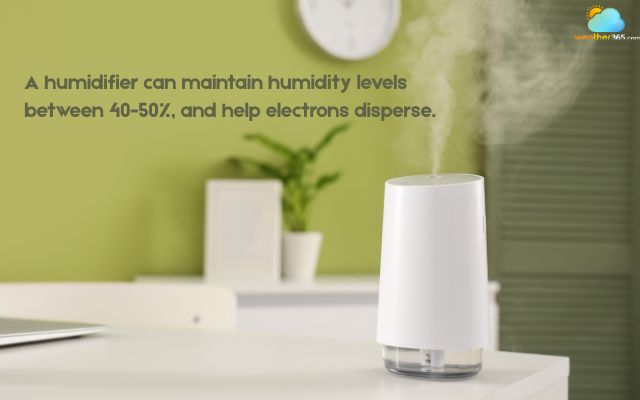
Try a humidifier in your room to reduce static electricity in winter
Wear natural fibers
Clothes made from cotton or linen produce less static than synthetic fabrics like polyester or nylon. Natural fibers help dissipate electrical charges instead of trapping them.
Softeners reduce friction
Add liquid fabric softeners or dryer sheets to your laundry. These products coat fabric fibers, reducing friction and preventing static cling on clothes and blankets.
Anti-static sprays work
Spray anti-static products on carpets, upholstery, or clothing to minimize charge buildup. You can even make a DIY version by mixing a bit of fabric softener with water in a spray bottle.
Use good conductor hangers
Metal hangers are conductive and can help release built-up charge from clothes. Plastic hangers, on the other hand, trap static energy.

Use plastic or wood hangers instead of metal ones
Use hair treatments
Dry winter air makes hair more prone to static. Use a leave-in conditioner or anti-static hair serum to restore moisture.
Avoid plastic combs and choose metal ones as they help discharge static as you style.
Use metal, not plastic combs
When styling your hair, opt for metal combs or brushes instead of plastic ones.
Metal conducts electricity, allowing static charges to dissipate more effectively, while plastic traps electrons and increases static buildup.
Grounding bracelets, floor mats
If you work around electronics or in a dry environment, grounding wristbands and floor mats can safely transfer excess static to the ground before it shocks you.
You can try the anti-static wrist straps of Rosewill or the ESD-safe floor mats from Bertech to prevent static buildup in offices, workshops, and labs.

Wearing an ESD bracelet to prevent static electricity
Want to learn more winter tips? Drop by cold weather tips!
Conclusion
Static electricity in winter is a natural result of dry air, friction, and insulation. While you can not eliminate it completely, you can reduce it dramatically with small changes: keeping your indoor air moist, choosing natural fabrics, and using conductive tools.
Frequently Asked Questions (FAQs)
Related post

What Is Graupel? Differences Between Graupel, Hail, and Sleet
 2542
2542
 8
8
 4.6
4.6
 24/07/2026

What Is A Nor'easter? Definitions, Weather Effects And Safety Tips
2435
8
5.0
01/04/2026

What Is a Snow Squall? Key Facts and Safety Advice for Drivers
1377
8
4.8
01/04/2026

8 Comment
Elliot Stewart
I never connected dry winter air with all those little shocks. Makes much more sense now.
Cristian Mitchell
Why do my clothes stick together so much after using the dryer in winter?
weather365
Friction between the fabrics during drying can build up static charge, especially when the air is dry.
Johnny Hall
Is walking on carpet really enough to create static electricity?
weather365
Yes, especially with synthetic carpets, rubber-soled shoes, and dry air.
Elliott Porter
I always get static in my hair after taking off a sweater. Now I know why.
Hunter Allen
Does a humidifier really make a noticeable difference?
weather365
Yes. Keeping indoor humidity around 40–50% can help reduce static buildup.
Leave a comment
Your email address will not be published. Required fields are marked *