




How To Stop Condensation On Windows? Quick Guide To Dry Your Home


What’s the real solution to how to stop condensation on windows without constant wiping? If your glass is always foggy or dripping, there’s a deeper cause behind it. In this guide, you’ll discover simple, effective fixes that actually work. Keep reading to clear things up for good!

How to stop condensation on windows
- What is Condensation?
- Why Is There Condensation On My Windows?
- Inside
- Outside
- How To Stop Condensation On Windows?
- Improve Ventilation
- Avoid Drying Clothes Indoors
- Adjust Curtains, Blinds, And Airflow Around Windows
- Use a Dehumidifier
- Maintain a Stable Indoor Temperature
- Wipe Away Condensation (Short-Term Fix)
What is Condensation?
Condensation is the process by which water vapor in the air turns back into liquid. Air around us always contains some level of moisture, even if we can’t see it.
When that warm, moisture-filled air comes into contact with a colder surface, like glass windows, it cools down quickly.
As it cools, the air loses its ability to hold water vapor, so tiny droplets begin to form. That’s the water you see collecting on your windows.
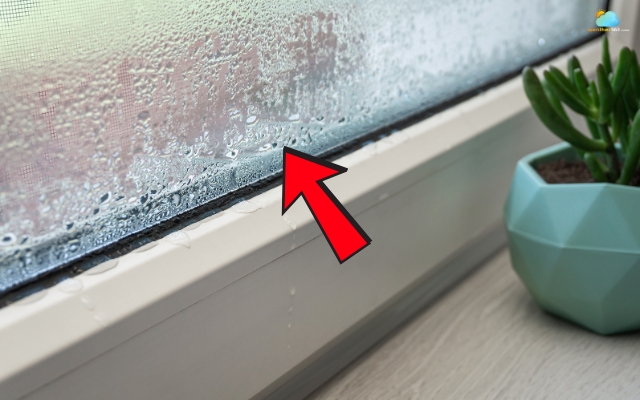
Condensation appears as tiny droplets
A helpful way to think about it is like a cold drink on a hot day.
The glass becomes wet on the outside, not because it’s leaking, but because moisture from the air is condensing when it touches the cold surface.
Windows behave in exactly the same way, especially during colder months when there’s a bigger temperature difference between indoors and outdoors.
Condensation isn’t always a bad thing. It’s actually a natural part of how air and temperature interact.
However, when it shows up frequently on your windows, it’s usually a sign that there’s too much moisture in your indoor air or not enough airflow to balance it out.
Over time, this excess moisture can lead to problems like dampness, mold, or even damage to window frames.
So while condensation itself is simple, it tells you something important about your home environment.
Why Is There Condensation On My Windows?
When warm, humid air meets a cooler glass surface, water droplets form.
But depending on where that moisture comes from, condensation can appear either inside or outside your windows.
Each case tells a different story about your home.
Inside
Condensation on the inside of your windows is the most common and the one you should pay attention to.
It usually means there’s too much moisture in your indoor air.
Everyday activities like cooking, showering, boiling water, or even breathing release water vapor into the air. In a closed space, that moisture builds up quickly.
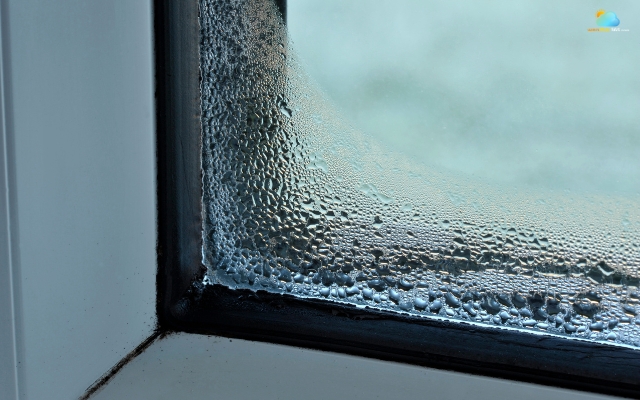
Condensation inside the window
Now, when this warm, humid air hits a cold window surface (which is very common during colder weather), it cools down and turns into visible droplets. That’s why you often see foggy windows in the morning or after a hot shower.
Another key factor here is poor ventilation. If fresh air isn’t circulating properly, the moisture has nowhere to escape.
Over time, this can lead not just to condensation, but also to damp smells, mold growth, and even damage to window frames or walls.
So, inside condensation is basically your home’s way of saying: “There’s too much moisture trapped in here.”
Outside
Condensation on the outside of your windows might look similar, but it actually means something completely different.

Condensation outside the window
In this case, the moisture is coming from the outdoor air, not inside your home.
It often happens when the outside air is warm and humid, while the glass surface remains cooler, especially with modern, well-insulated windows.
As the warm outdoor air touches the cooler glass, condensation forms on the outside.
This is common in the early morning when temperatures shift quickly.
Interestingly, this type of condensation is usually a good sign.
It shows that your windows are doing their job well by keeping the inside temperature stable and preventing heat transfer.
Unlike indoor condensation, this one is temporary and harmless. It typically disappears on its own as the temperature rises during the day.
How To Stop Condensation On Windows?
So, how to stop condensation on windows, not just temporarily, but long-term?
In reality, the key isn’t one single fix.
It’s about controlling three things at the same time: humidity, airflow, and temperature balance. When you manage these well, condensation naturally disappears.
Improve Ventilation
If your home feels damp, condensation is almost guaranteed.
Daily activities like cooking, showering, and even breathing add moisture into the air. When humidity gets too high, windows become the first place where that moisture shows up.
To fix this, try to reduce unnecessary moisture. For example, avoid letting steam linger after cooking or bathing, and keep doors closed in humid rooms to stop moisture from spreading.
The goal is to keep indoor air balanced - not too dry, but not overloaded with moisture either.
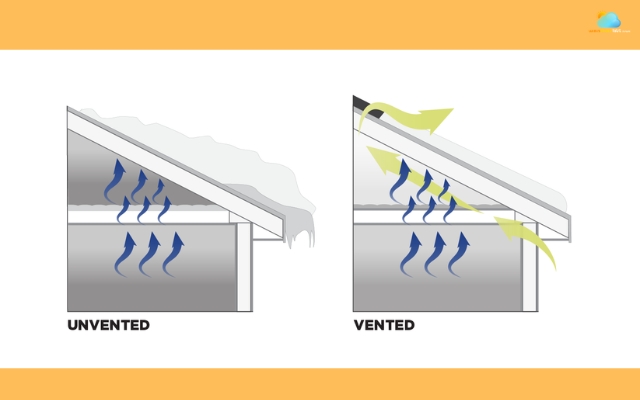
Improve the ventilation of the house to avoid condensation
Avoid Drying Clothes Indoors
This is one of the most overlooked causes.
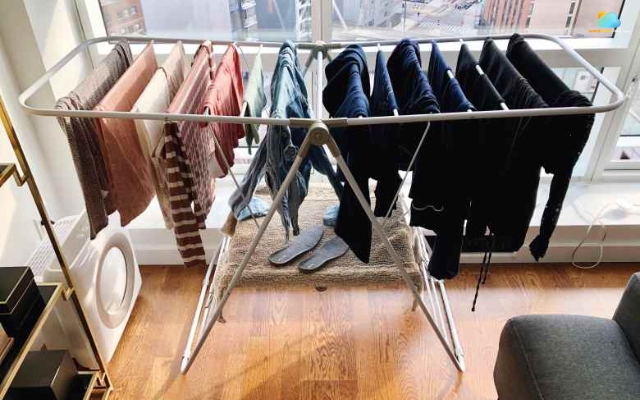
Drying clothes inside the house can create condensation
Wet clothes release a large amount of moisture as they dry, especially in enclosed spaces. That moisture stays in the air and quickly turns into condensation on windows.
If possible, dry clothes outside or use a properly vented dryer. If you must dry them indoors, make sure the room is well-ventilated to prevent moisture buildup.
Adjust Curtains, Blinds, And Airflow Around Windows
It might seem surprising, but how you cover your windows matters.
Heavy curtains or tightly closed blinds can trap cool air between the fabric and the glass. This creates the perfect environment for condensation to form.
Keeping curtains slightly open allows warm air to circulate and keeps the glass closer to room temperature.
These small changes not only reduce condensation but also support better habits from winter energy saving tips.

Keeping curtains open allows warm air to circulate
Use a Dehumidifier
If condensation is persistent, a dehumidifier can help quickly.
These devices pull excess moisture out of the air, making it harder for water droplets to form on windows.
They’re especially useful in bedrooms, basements, or any space that feels damp.
While it’s not the only solution, it’s one of the fastest ways to bring humidity under control.
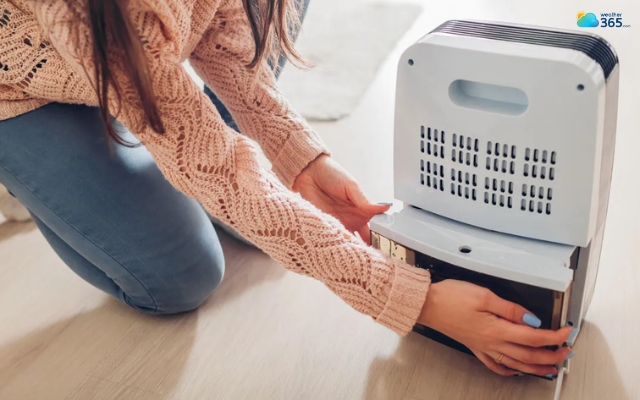
Use a dehumidifier to reduce condensation inside the house
Maintain a Stable Indoor Temperature
Temperature swings can make condensation worse.
When your home heats up and cools down quickly, the air loses its ability to hold moisture, causing it to settle on cold surfaces.
Keeping a consistent, moderate temperature helps reduce this effect and keeps condensation under control.
Even a low, steady level of heating can be more effective than turning it on and off throughout the day.
Keeping a stable indoor temperature is important. You can also learn more about the ideal temperature for a house in winter to better control moisture levels.

Keeping a consistent and moderate inside temperature
Wipe Away Condensation (Short-Term Fix)
Sometimes, you just need a quick solution.
Wiping condensation off your windows with a dry cloth helps prevent water from soaking into frames or walls.
While this doesn’t solve the root cause, it protects your home from mold and damage while you work on long-term fixes.
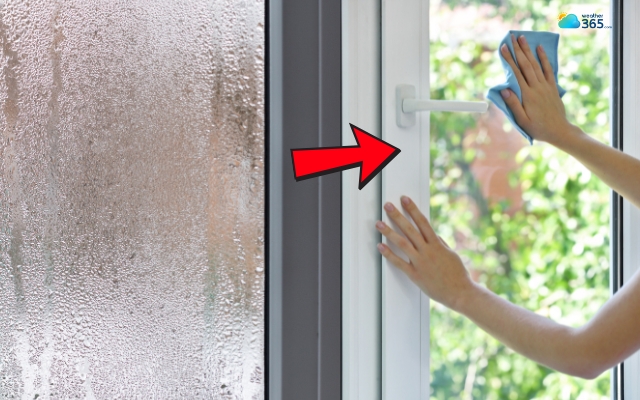
Wiping can remove the condensation immediately
Wrap up
How to stop condensation on windows comes down to controlling moisture, airflow, and temperature in your home. By making a few simple daily adjustments, you can prevent dampness, protect your windows, and create a healthier living space. Start applying these tips today and enjoy clearer, drier windows all year round.
Frequently Asked Questions (FAQs)
Related post

Winter Energy Saving Tips: How to Stay Warm but Still Cut Energy Costs
 1228
1228
 0
0
 5.0
5.0
 01/04/2026

Why Is My House So Cold In The Winter? Causes and Solutions
1210
0
4.7
24/07/2026

How To Prevent Pipe Freezing in Winter? Top Tips to Protect Your Home
1192
0
4.8
01/04/2026

0 Comment
Leave a comment
Your email address will not be published. Required fields are marked *