




What Is Air Temperature? Definition, Measurement, and Key Factors


What is air temperature, and why does it seem to change so much throughout the day? It reflects how the air behaves and affects everything from weather patterns to your daily comfort. Scrolling down to break it down in a simple, clear way!
What is air temperature?
- What Is Air Temperature?
- How Is Air Temperature Measured?
- Instruments
- Standard Conditions for Measuring Air Temperature
- Units
- Factors Affecting Air Temperature
- Sun angle and Day length
- Altitude
- Proximity to water
- Latitude
- Could Cover and Humidity
- Ocean Currents and Wind
- Surface type and human activity
- Air Temperature vs “Feels Like” Temperature
- Heat index
- Wind chill
- How To Check The Temperature?
What Is Air Temperature?
Air temperature is how hot or cold the air is at a given place and time.
In scientific terms, it is linked to the movement (kinetic energy) of air molecules.
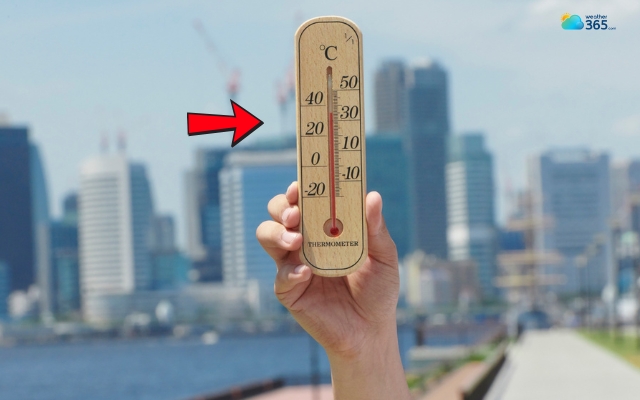
Air temperature refers to how hot or cold the air is
When air molecules move faster, the air feels warmer; and when they move slower, the air feels cooler.
Even though we can’t see these molecules, their movement directly affects what we feel on our skin.
That’s why temperature can change throughout the day, because the energy in the air is constantly changing.
Air temperature can vary between cities, between rural and urban areas, and even between shaded and sunny spots just a few meters apart.
Why does air temperature matter?
Air temperature plays a huge role in both nature and daily life:
Drives weather and climate: Temperature differences create wind, clouds, and rain.
Impacts comfort and health: It determines how hot or cold you feel and can affect your well-being.
Guides daily decisions: From what you wear to what you plan outdoors.
Affects nature: Plants, animals, and crops all depend on suitable temperature conditions.
How Is Air Temperature Measured?
Air temperature is measured using thermometers or electronic sensors shielded inside ventilated, shaded enclosures positioned 1.2 to 2 meters (4 to 6.5 feet) above the ground.
Let's discover instruments, standard conditions, and units to measure the air temperature!
Instruments
The most common instrument used to measure air temperature is the thermometer. Traditional thermometers use liquids like mercury or alcohol that expand when heated and contract when cooled.
Today, digital thermometers and automated weather stations are more widely used because they provide faster and more precise readings.
In professional meteorology, temperature is often recorded through weather stations, which continuously monitor air conditions.
Air temperature reflects ambient kinetic heat, recorded live on Texas daily air temperature.
On a larger scale, satellites can also estimate temperature patterns across regions, helping scientists track weather and climate changes globally.
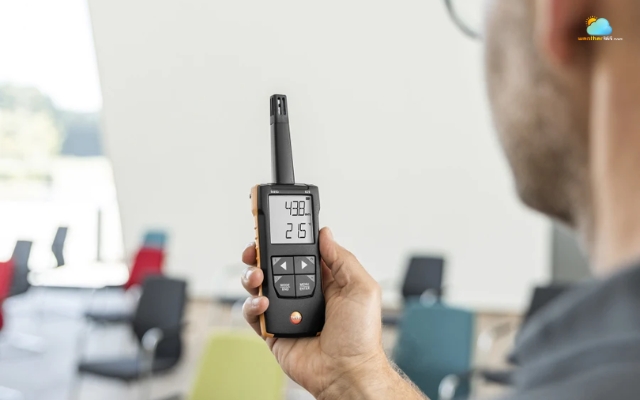
Digital thermometers are widely used
Standard Conditions for Measuring Air Temperature
To get accurate and comparable data, air temperature must be measured under specific conditions.
Without these standards, readings could vary wildly depending on the environment.
Typically, temperature is measured:
At about 1.25 to 2 meters above the ground
In a shaded, well-ventilated area
Inside a protective shelter (often called a Stevenson screen) to avoid direct sunlight and rain
These conditions ensure that the reading reflects the actual air temperature - not heat from the ground, buildings, or direct sunlight.
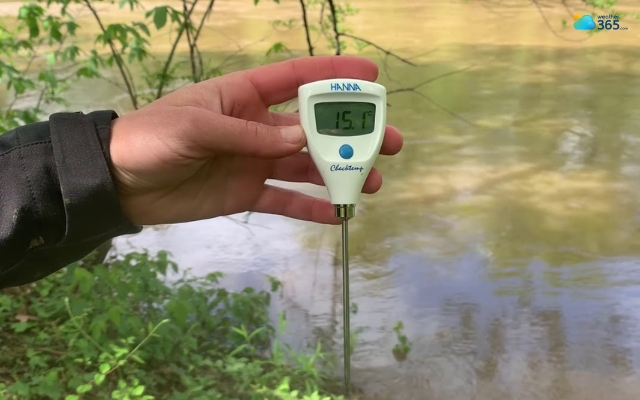
Air temperature must be measured under specific conditions
Units
Air temperature is expressed in three main units: Celsius (°C), Fahrenheit (°F), and Kelvin (K).
Celsius is the most commonly used worldwide, Fahrenheit is mainly used in the United States, while Kelvin is preferred in scientific research.
If you want a deeper, step-by-step explanation of how temperature is measured and converted between units, check out our detailed guide How to measure air temperature.
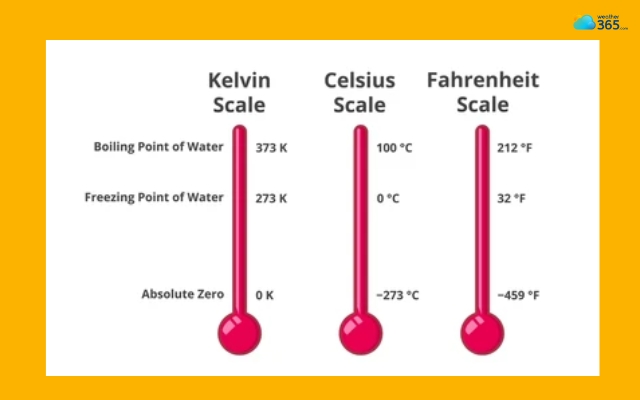
Units of air temperature
Factors Affecting Air Temperature
If you’ve ever wondered why one place feels much hotter or colder than another, even on the same day, the answer lies in the factors that influence air temperature.
A combination of natural and human-related elements constantly shapes how warm or cool the air becomes.
Let’s walk through the most important ones in a simple, easy-to-understand way.
Sun angle and Day length
The sun is the primary source of heat for Earth, but how its energy reaches the surface makes a big difference.
When the sun is high in the sky, its rays hit the ground more directly, concentrating energy and increasing temperature. That’s why midday is usually the warmest part of the day.
Day length also matters. Longer days mean the surface has more time to absorb heat, which is why summers are warmer than winters.
You may also like the longest and shortest day of the year.
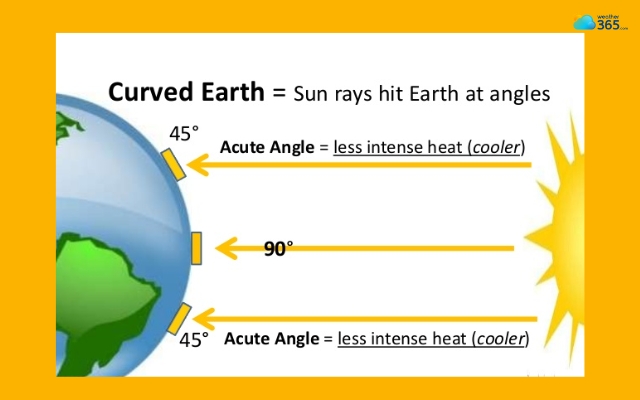
Sunlight angle affects the air temperature on Earth
Altitude
Temperature generally decreases as you go higher above sea level. This happens because the air becomes thinner and holds less heat.
In mountainous areas, even if they are close to the equator, temperatures can still be quite cool.
That’s why you might experience cooler weather when traveling to higher elevations, even within the same region.
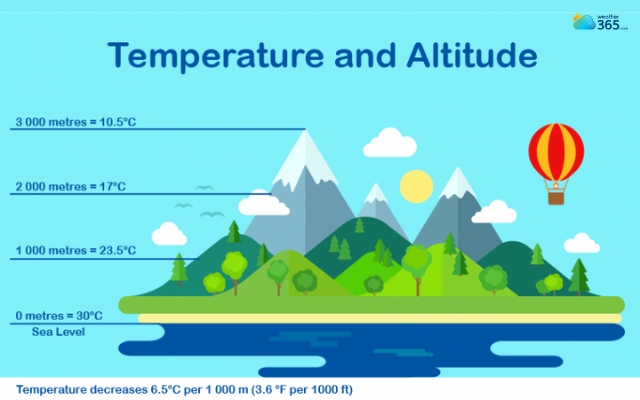
Temperature decreases as you go higher above sea level
Proximity to water
Water heats up and cools down more slowly than land. As a result, areas near oceans, seas, or large lakes tend to have more stable temperatures.
Coastal regions often experience milder summers and warmer winters compared to inland areas.
In contrast, places far from water can heat up quickly during the day and cool down rapidly at night, leading to more extreme temperature changes.
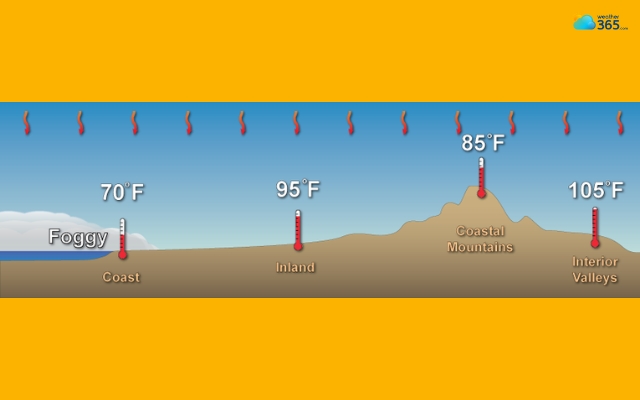
Coastal regions experience milder summers compared to inland areas
Latitude
Latitude determines how much solar energy a place receives. Regions near the equator get more direct sunlight throughout the year, making them generally warmer.
As you move toward the poles, sunlight arrives at a lower angle, spreading energy over a larger area and resulting in cooler temperatures.
This is the main reason why tropical regions are hot while polar regions remain cold.
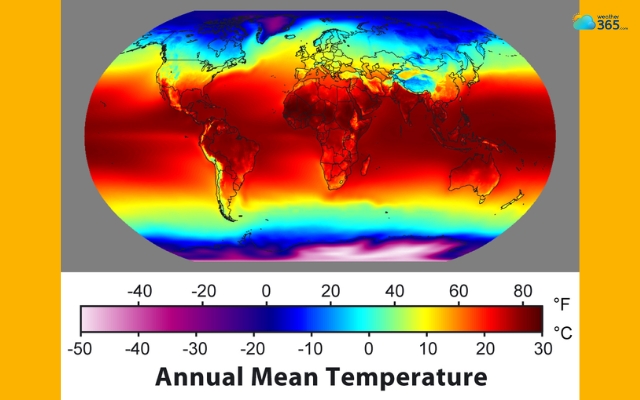
Regions near the equator are warmer than other locations
Could Cover and Humidity
Clouds and moisture in the air play an interesting role.
During the day, clouds can block some sunlight, keeping temperatures lower.
At night, they act like a blanket, trapping heat and preventing temperatures from dropping too quickly.
Humidity also affects how heat is stored in the air. Moist air tends to retain heat better than dry air, which can make temperatures feel more intense.
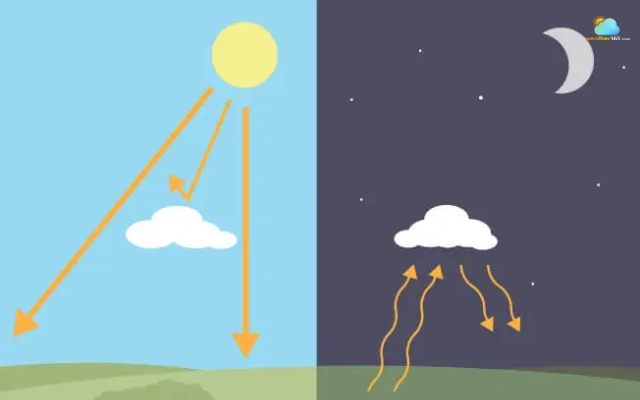
Clouds can block some sunlight during daylight
Ocean Currents and Wind
Air moves constantly, carrying heat with it. Winds can bring warm or cool air from other regions, quickly changing local temperatures.
Ocean currents work in a similar way but on a larger scale. Warm currents can raise temperatures in nearby coastal areas, while cold currents can have a cooling effect.
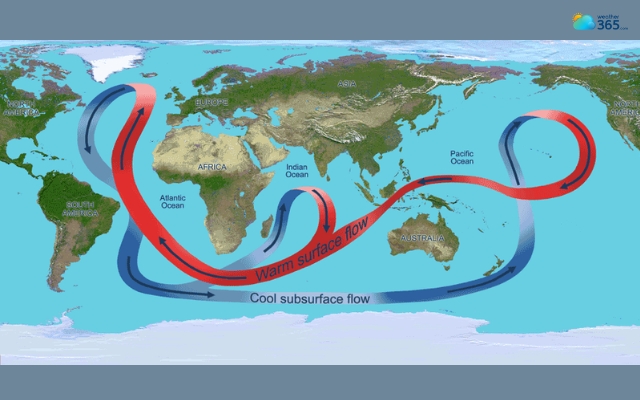
Winds bring warm or cool air from one region to another
Surface type and human activity
The type of surface on the ground also matters.
Dark, hard surfaces like asphalt absorb and retain more heat, while vegetation reflects more sunlight and cools the air through processes like evaporation.
Human activities, especially in cities, can increase temperatures.
This is known as the urban heat island effect, where buildings, roads, and reduced greenery cause cities to be noticeably warmer than surrounding rural areas.
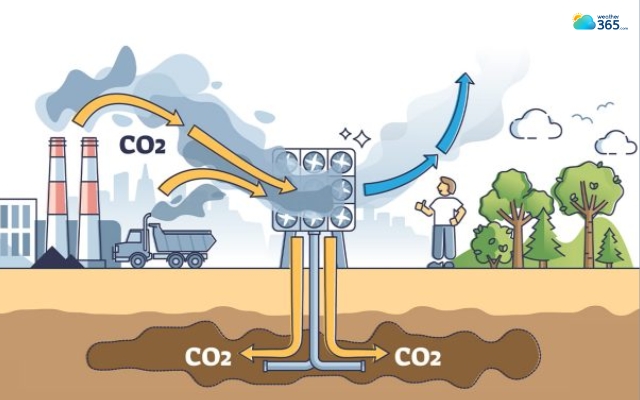
Human activity can increase air temperature
Air Temperature vs “Feels Like” Temperature
Have you ever checked the temperature and thought, “There’s no way it actually feels like this”? That’s because the number you see isn’t always the full story.
Air temperature tells you how hot or cold the air is, but “feels like” temperature reflects how your body actually experiences it.
Factors like humidity and wind can make the same temperature feel very different.
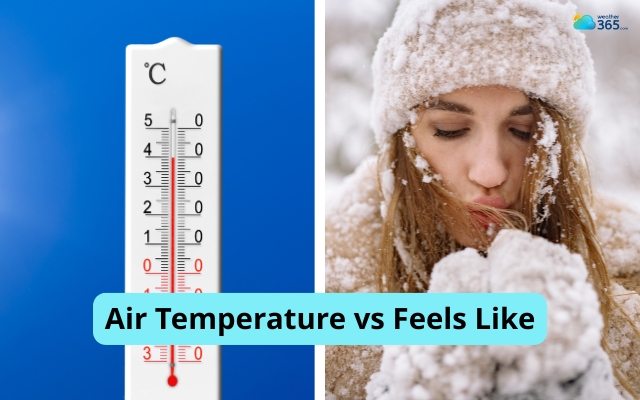
Why are air temperature and “feels like” temperature different?
Heat index
The heat index explains why a hot day can feel even hotter than the actual temperature. It combines air temperature with humidity.
When the air is humid, sweat doesn’t evaporate as easily, making it harder for your body to cool down. As a result, you feel hotter than the measured temperature.
If you’ve ever experienced a sticky, suffocating summer day, that’s the heat index in action.
Discover the heat index chart and its danger levels here!
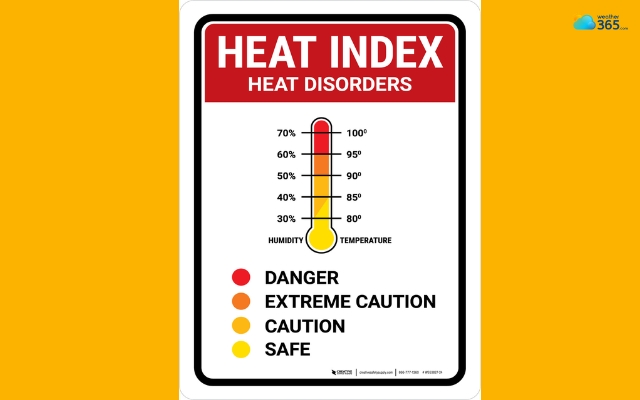
Heat index combines air temperature with humidity
Wind chill
On the other hand, wind chill describes how cold it feels when wind is involved.
Moving air removes heat from your body faster than still air, making the temperature feel lower than it actually is.
That’s why a breezy winter day can feel much colder than a calm one, even if the thermometer shows the same number.
Dig deeper into what wind chill means here!

A breezy winter day can feel much colder
How To Check The Temperature?
Checking the air temperature today is easier than ever. All you need is to choose just a reliable source, and a quick glance can give you accurate, real-time information.
One of the most common ways is through weather websites.
These platforms, like Weather365 collect data from meteorological stations and satellites, then present it in a simple, easy-to-read format.
You can see not only the current temperature but also hourly updates and upcoming forecasts. This helps you plan your day more effectively, especially when the weather is changing.
Another convenient option is using mobile apps.
Weather apps are designed to give you instant access to temperature data based on your location. They often include extra features like “feels like” temperature, humidity, and weather alerts.
Because they update frequently, you can rely on them for quick decisions, like whether to bring a jacket or prepare for a hot afternoon.
What’s important is choosing a source that updates regularly and uses accurate data. That way, the temperature you see reflects real conditions, not outdated information.
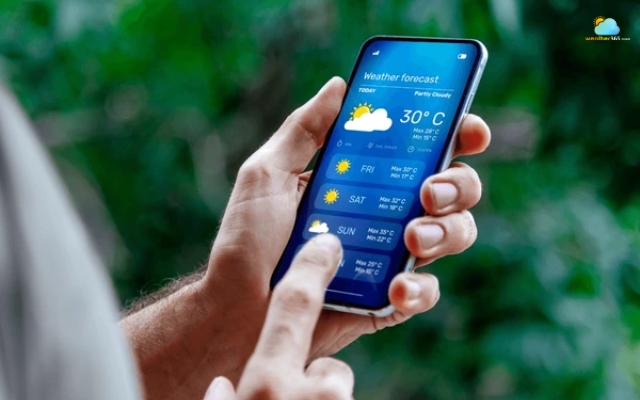
Easily checking the air temperature on phone
Final Thought
So, what is air temperature? Simply, it is something you feel every time you step outside. From shaping the weather to influencing your daily plans, understanding it helps you make better sense of the world around you.
Frequently Asked Questions (FAQs)
Related post
What is the ideal temperature for a house in winter? Tips to stay warm
 1571
1571
 8
8
 4.8
4.8
 24/07/2026
What's The Temperature For Tomorrow? A Simple Guide to Tomorrow’s Forecast
566
8
4.7
18/08/2026
What Is 0 Degrees Celsius In Fahrenheit? An Accurate Answer
250
8
4.7
18/08/2026

8 Comment
Kamila Larson
Humidity, wind, and sunlight can make the same temperature feel completely different. That definitely explains some of those “why does it feel hotter?” moments.
Remi Johnson
A simple topic, but surprisingly interesting once you look beyond the number on the weather app. Definitely a useful weather basic to understand.
Caroline Nelson
Why does the time of day affect air temperature?
weather365
The ground gains and loses heat throughout the day, which changes how the surrounding air warms and cools.
Delilah Gill
Is air temperature the same as the temperature we feel outside?
weather365
Not always. Wind, humidity, sunlight, and other factors can affect how warm or cool it feels to your body.
Collins Young
What does air temperature actually measure?
weather365
It measures how hot or cold the air is, typically recorded using a thermometer under standardized conditions.
Leave a comment
Your email address will not be published. Required fields are marked *