




What's The Temperature For Tomorrow? A Simple Guide to Tomorrow’s Forecast


Remember how many times you’ve wondered, “What’s the temperature for tomorrow?”, and how quickly you get an answer. But have you ever thought about how accurate that number really is, or how meteorologists actually create those forecasts? We’ve got all the answers here. Diving in to explore!
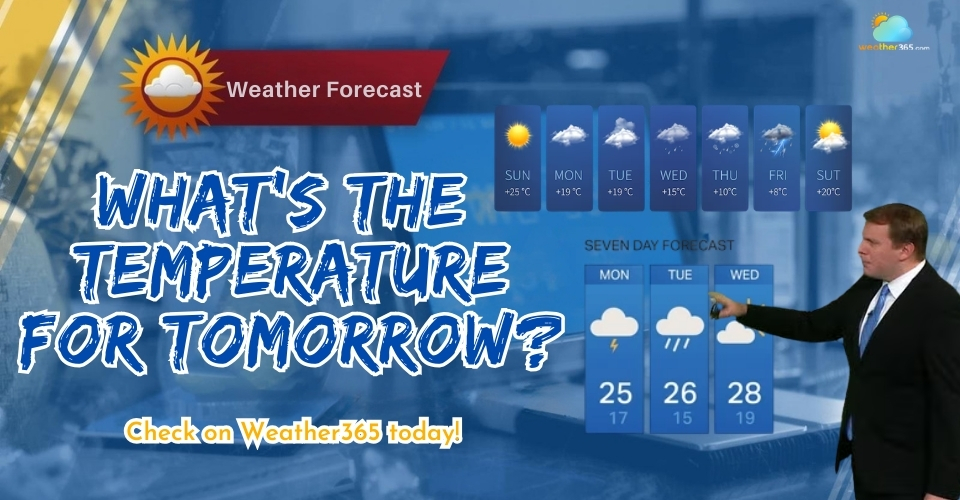
What’s the temperature for tomorrow?
- What’s The “Temperature For Tomorrow”?
- How To Check the Temperature for Tomorrow?
- Using Weather Forecast Websites
- Checking Weather Apps on Your Phone
- Watching Local Weather Reports
- Factors That Affect Tomorrow’s Temperature
- Meteorological factors
- Geographical and local factors
- Atmospheric compositions and solar factors
- Climate patterns
- How Accurate Is Tomorrow’s Temperature Forecast?
What’s The “Temperature For Tomorrow”?
“Tomorrow’s temperature” forecast is an estimate of how the air temperature will change over the next 24 hours at a specific location.
It typically includes two key values: the expected high (the warmest point during the day) and the expected low (the coolest point, usually at night or early morning).
These numbers help you quickly understand what kind of day you’re heading into.
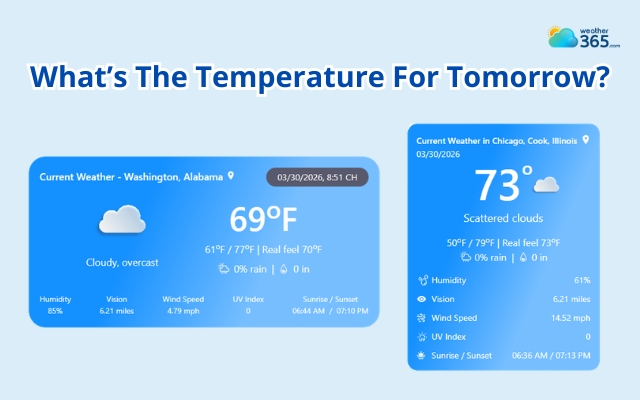
Temperature for tomorrow is a forecast of weather change in the next 24 hours
How do meteorologists predict the temperature for tomorrow?
But have you ever wondered how these numbers are actually predicted?
Meteorologists use a mix of satellite data, weather stations, and advanced computer models to estimate future conditions.
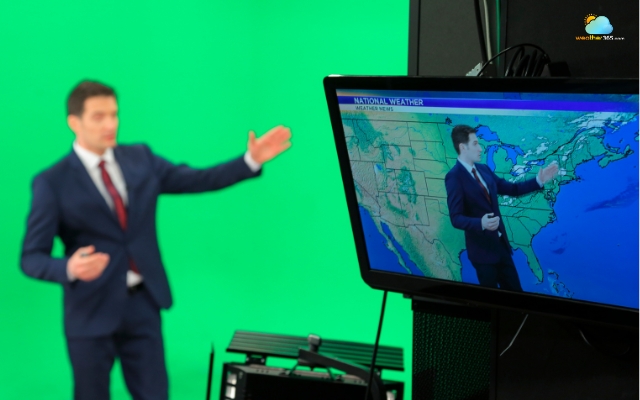
Meteorologists use a mix of satellite data to calculate the weather
Data is collected from satellites orbiting Earth, weather stations on land, ocean buoys, and even aircraft.
All of this information feeds into forecasting systems that simulate how the atmosphere will behave in the coming hours.
These models analyze patterns like air pressure changes, wind movement, humidity levels, and cloud formation.
For example, if a cold air mass is moving into your area overnight, tomorrow’s temperature will likely drop.
On the other hand, clear skies and strong sunlight can push temperatures higher during the day.
However, it’s important to understand that “temperature for tomorrow” isn’t always a fixed value.
You might see slight variations depending on the source, the time of update, or even the exact location within a city.
Urban areas, for instance, can be a bit warmer than surrounding rural zones due to heat retention from buildings and roads.
Discover how do meteologists get weather data from the Doppler weather radar here!
How does checking the weather for tomorrow benefit people?
Checking tomorrow’s temperature helps you choose appropriate clothing, plan outdoor activities, prepare for travel, or even anticipate energy use at home.
A quick look at the forecast can make your day smoother and more predictable.

Check the temperature for tomorrow for smooth planning
How To Check the Temperature for Tomorrow?
To check the temperature for tomorrow, you can use weather forecast websites, check weather apps on your phone, or watch local weather reports.
Using Weather Forecast Websites
Weather forecast websites are one of the most detailed and trustworthy ways to check tomorrow’s temperature.
Platforms like Weather.com, AccuWeather, or Weather365 don’t just show a single number, but they break it down into hourly updates, “feels like” temperatures, and even radar maps.
You may also like
What makes these websites especially useful is context. Instead of only seeing that tomorrow will be, say, 28°C, you can understand why, whether it’s due to sunshine, cloud cover, or incoming rain.
Many sites also update frequently throughout the day, so you’re not relying on outdated information.
If you’re planning something important like travel or outdoor activities, this level of detail can make a big difference.
For instance, planning daily outdoor events requires accurate updates from the US weather forecast tomorrow page to avoid unexpected changes.
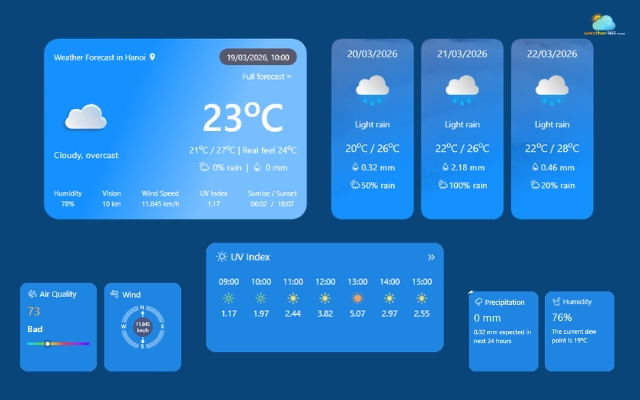
Check the temperature for tomorrow on Weather365
Checking Weather Apps on Your Phone
For everyday use, weather apps are probably the most convenient option.
Most smartphones already come with a built-in weather app that automatically tracks your location and updates forecasts in real time.
You can also install popular apps like AccuWeather or The Weather Channel for more advanced features.
The biggest advantage here is speed and personalization. You don’t have to search manually, just open the app, and the forecast is already there.
Many apps also send alerts if there are sudden changes, such as a drop in temperature or unexpected rain.
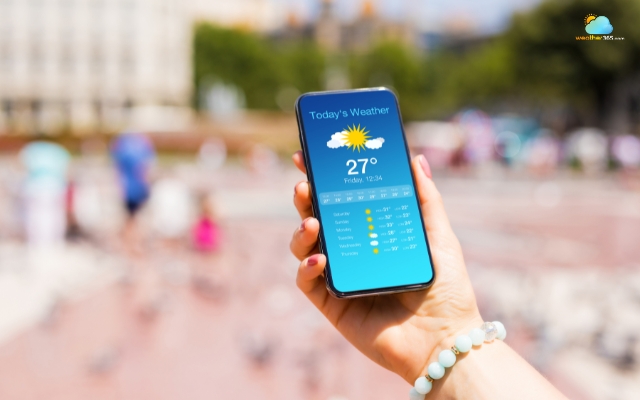
Weather apps are the most convenient option
Watching Local Weather Reports
Even in the digital age, local weather reports on TV or online broadcasts remain surprisingly valuable.
Unlike apps or websites that rely mostly on automated data, these reports are often presented by meteorologists who explain upcoming weather patterns in a more human, easy-to-understand way.
They can highlight things you might overlook, like a cold front moving in overnight or humidity making the temperature feel hotter than it actually is.
This added explanation helps you not only know tomorrow’s temperature but also understand what to expect overall.
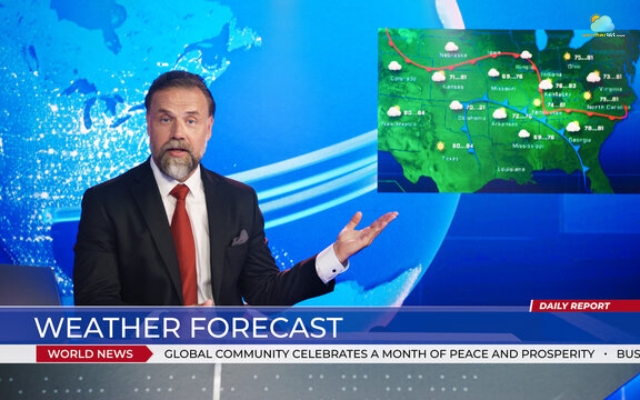
Check the temperature for tomorrow on the weather report
Factors That Affect Tomorrow’s Temperature
Temperature is the result of many different forces working together. It is influenced by everything, from daily weather conditions to large-scale climate systems.
Meteorological factors
The most immediate influence on tomorrow’s temperature comes from current weather conditions. Weather elements like wind, cloud cover, humidity, and air pressure all play a role.
For example, wind direction can quickly change how warm or cold it feels. Air coming from oceans usually brings cooler, more stable temperatures, while air from inland or desert regions tends to be hotter.
Clouds also have a dual effect. During the day, they can block sunlight and keep temperatures lower.
At night, however, clouds act like a blanket, trapping heat and preventing temperatures from dropping too much.
Humidity adds another layer. Moist air can hold and release heat differently than dry air, which is why humid days often feel warmer and nights feel less cool.

Weather elements play a role in tomorrow’s temperature
Geographical and local factors
Your location has a huge impact on temperature, sometimes even more than the weather itself.
Altitude is a clear example. The higher you go, the colder it gets because the air becomes thinner and holds less heat.
On average, temperature drops about 6.5°C for every 1,000 meters of elevation.
Distance from the sea also matters. Coastal areas tend to have milder temperatures because water heats up and cools down more slowly than land.
Inland regions, on the other hand, often experience more extreme heat during the day and colder nights.
Even within the same city, local features like buildings, roads, or green spaces can create noticeable differences.
Urban areas often stay warmer due to the “heat island” effect, where concrete and asphalt trap heat.

Geographical factors significantly influence the temperature tomorrow
Atmospheric compositions and solar factors
At the core of all temperature changes is the sun. The amount of solar energy reaching the Earth’s surface directly determines how warm it gets.
However, not all sunlight reaches the ground in the same way. The angle of the sun (which changes by time of day and season) affects how intense the heating is.
Regions closer to the equator receive more direct sunlight, while higher latitudes get less concentrated energy.
The composition of the atmosphere also matters.
Gases like carbon dioxide and water vapor trap heat, creating a warming effect.
Meanwhile, particles or clouds can reflect sunlight back into space, reducing surface temperatures.
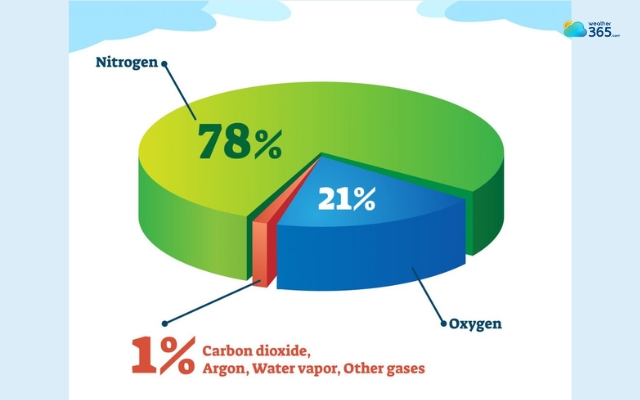
Gases like carbon dioxide can create a warming effect
Climate patterns
Besides daily weather, larger climate patterns shape temperature trends over time. These include seasonal cycles, ocean currents, and global systems like El Niño or La Niña.
For instance, ocean currents can carry warm or cold water across vast distances, influencing nearby land temperatures.
Warm currents can make coastal regions milder, while cold currents can cool them down.
Seasonal changes also play a role.
In summer, longer daylight hours and stronger sunlight lead to higher temperatures. In winter, shorter days and lower sun angles result in cooler conditions.
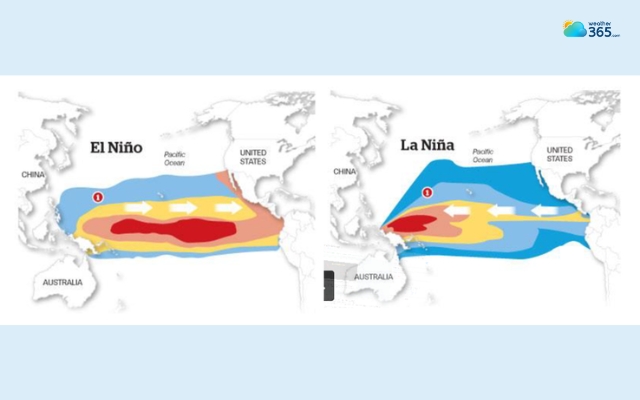
El Niño or La Niña shapes temperature trends
How Accurate Is Tomorrow’s Temperature Forecast?
The good news is: Forecasts for the next day are usually highly accurate, typically around 96-98%.
This is thanks to advanced weather models and real-time data from satellites, sensors, and monitoring stations.
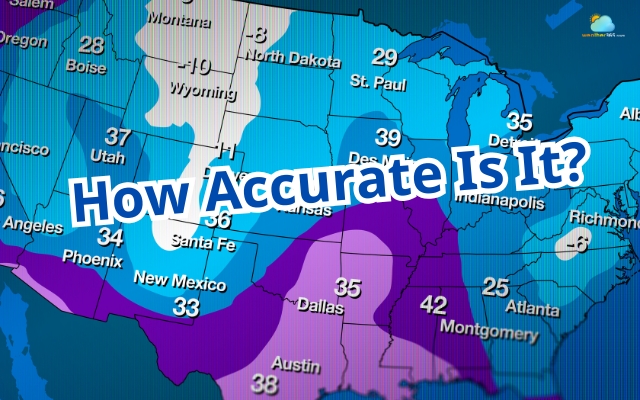
Is the temperature for tomorrow 100% accurate?
That said, forecasts are still predictions, not guarantees. Small changes in wind direction, cloud cover, or humidity can slightly shift the actual temperature.
For example, a sudden increase in cloud cover might keep the day cooler than expected, while clearer skies could make it warmer.
Another thing to keep in mind is that accuracy can vary depending on location.
Urban areas, coastal regions, or places with complex terrain may experience microclimates, meaning the real temperature could differ slightly from the forecast.
Overall, for next-day planning, you can trust the forecast with a high level of confidence.
If you want to go deeper into which platforms provide the most reliable data, check out our guide on the most accurate weather forecast to compare sources.
Final Thought
If you are wondering “What’s the temperature for tomorrow?”, just pick up your phone or open your laptop, and you will immediately get the answer. With the right tools and a basic understanding of how forecasts work, you can plan your day with confidence and avoid unexpected weather surprises.
Frequently Asked Questions (FAQs)
Related post
What Is Air Temperature? Definition, Measurement, and Key Factors
 431
431
 8
8
 4.8
4.8
 18/08/2026
What Is 0 Degrees Celsius In Fahrenheit? An Accurate Answer
249
8
4.7
18/08/2026
How Does Temperature Affect The Weather? Simply Explained
231
8
4.6
18/08/2026

8 Comment
Hudson Carter
I like that the focus is on tomorrow rather than a long-range forecast. Short-term information is usually what I actually need for everyday plans.
Wesley Mills
Sometimes the forecast says one temperature but it feels completely different outside. The “feels like” temperature is definitely worth checking too.
Theo Smith
How accurate is tomorrow’s temperature forecast?
weather365
Short-term forecasts are generally more reliable than forecasts farther into the future, although conditions can still change.
Marshall Brown
Can tomorrow’s temperature forecast change?
weather365
Yes. Forecasts are updated as new weather observations and model data become available, so it’s worth checking the latest update.
Jonathan Douglas
Should I check the high or low temperature for tomorrow?
weather365
Ideally, check both. The high gives you an idea of the warmest part of the day, while the low helps with early morning or nighttime conditions.
Leave a comment
Your email address will not be published. Required fields are marked *