




Weather Advisory Meaning: A Simple 2-Minute Safety Guide


Weather advisory meaning can sometimes be confusing - does it signal danger or just a heads-up about changing weather? If you’ve ever seen this alert in a forecast and wondered what it really means, this guide will explain clearly so you know when to stay cautious and why it matters.
What does a weather advisory meaning?
- What Is The Weather Advisory Meaning?
- Common Types of Weather Advisories
- Winter weather advisory
- Cold Weather Advisory
- Dense fog advisory
- Freezing Fog Advisory
- Dense Smoke Advisory
- Small Craft Advisory
- Coastal Flood Advisory
- Heat Advisory
- Air Stagnation Advisory
- Ashfall Advisory
- Avalanche Advisory
- Blowing Dust Advisory
- Blowing Snow Advisory
- Brisk Wind Advisory
- Freezing Drizzle Advisory
- Freezing Rain Advisory
- Freezing Spray Advisory
- Frost Advisory
- Heavy Surf/ High Surf Advisory
- Lake Effect Snow Advisory
- Lake Wind Advisory
- Low Water Advisory
- Snow Advisory
- Tropical Advisory
- Tsunami Advisory
- Urban and Small Stream Flood Advisory
- Wind Advisory
- Weather Advisory vs Watch vs Warning: What Is The Difference?
- Weather Watch
- Weather Warning
- What Are The Differences?
- What Should You Do During a Weather Advisory?
What Is The Weather Advisory Meaning?
The weather advisory meaning refers to an official notice from meteorological authorities that weather conditions may cause inconvenience or minor hazards, but they are not severe enough to require a warning.
However, they are not severe enough to require a warning.
These advisories are often based on key weather elements, such as temperature, precipitation, wind, and visibility, which can affect safety and daily activities.
What Does A Weather Advisory Mean?
Weather advisories are issued by national forecasting agencies such as the National Weather Service in the United States, Met Éireann in Ireland, or Environment and Climate Change Canada.
These organizations continuously analyze weather data from satellites, weather radar systems, weather stations, and forecasting models ( Read more: Types of weather radar).
When they detect atmospheric conditions that might lead to localized risks or disruptions, they may release an advisory to inform the public in advance.
For example, a weather advisory means hazardous conditions are occurring or imminent, as posted on a Texas severe weather advisory.
Typically, an advisory is issued when weather conditions could create difficulties but are not extreme.
For example, moderate snowfall might make roads slippery, dense fog could reduce visibility for drivers, or strong winds might affect outdoor activities.
These situations are not necessarily dangerous enough to trigger a warning, but they still require attention because they can increase the chance of accidents or inconvenience if people are unprepared.
Common Types of Weather Advisories
Weather agencies issue different types of advisories depending on the specific atmospheric conditions involved.
While the list may vary by country, many meteorological organizations, including the National Weather Service, use similar advisory categories.
Here are some of the most common ones:
Winter weather advisory
Issued when snow, sleet, or freezing rain is expected to cause travel difficulties but not severe enough for a winter storm warning.
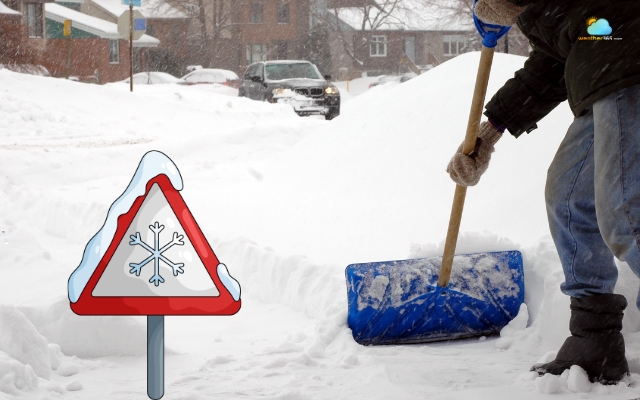
Snow may cause travel difficulties
Cold Weather Advisory
Alert for dangerously low temperatures that may increase the risk of frostbite or hypothermia.
Dense fog advisory
Issued when visibility drops significantly, usually below about 1/4 mile, making driving hazardous.

Fog can reduce driving visibility
Freezing Fog Advisory
Occur when fog droplets freeze upon contact with surfaces, creating icy roads, trees, and power lines.
Dense Smoke Advisory
Issued when smoke from wildfires or industrial sources significantly reduces visibility and affects air quality.
Small Craft Advisory
Common in marine forecasts, this advisory warns that wind or wave conditions could be dangerous for small boats.

A small craft advisory often appears on marine forecasts
Coastal Flood Advisory
Indicates minor coastal flooding caused by tides, storm surge, or persistent winds.
Heat Advisory
Issued when high temperatures combined with humidity may create dangerous heat conditions for outdoor activities.
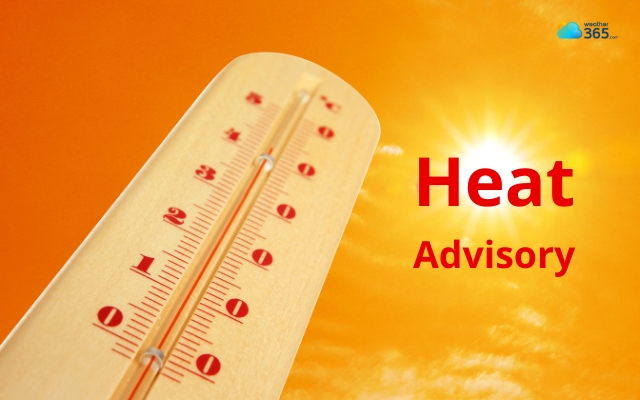
High temperatures may endanger some outdoor activities
Air Stagnation Advisory
Occurs when air circulation becomes very limited, allowing pollution to accumulate and potentially impact health.
Ashfall Advisory
Issued in regions near active volcanoes where volcanic ash may fall and reduce air quality or visibility.
Avalanche Advisory
Warns of conditions that increase the risk of avalanches, especially in mountainous areas.
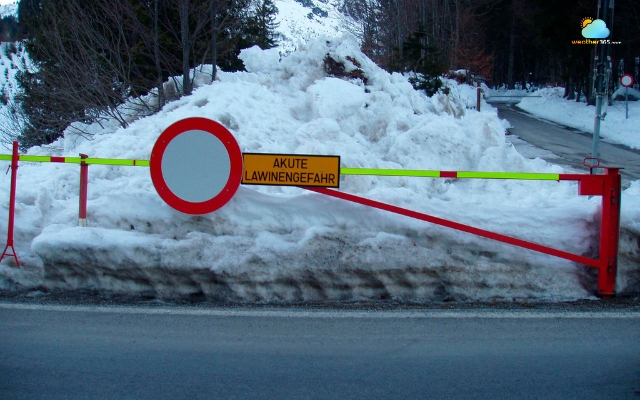
An avalanche often occurs in mountainous terrains
Blowing Dust Advisory
Issued when strong winds lift dust into the air, significantly reducing visibility.
Blowing Snow Advisory
Occurs when wind picks up existing snow and blows it across roads, making travel dangerous.
Brisk Wind Advisory
Alerts the public to strong winds that may cause minor disruptions, such as difficult driving conditions.
Freezing Drizzle Advisory
Issued when light drizzle freezes upon contact, potentially creating slick road surfaces.
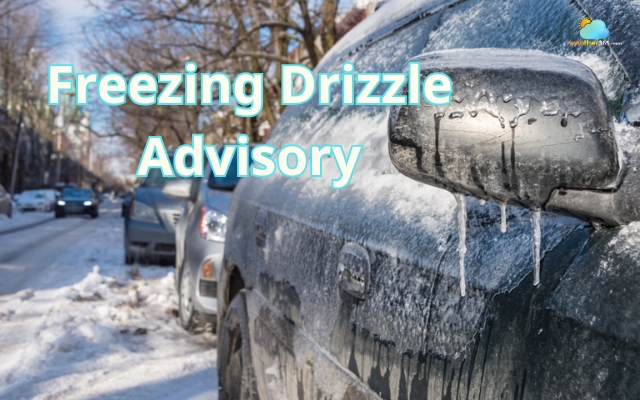
Freezing drizzle may cause severe accidents
Freezing Rain Advisory
Warns that rain may freeze instantly, forming dangerous ice layers on roads and sidewalks.
Freezing Spray Advisory
Typically used in marine environments when freezing seawater spray accumulates on ships, increasing weight and hazard.
Frost Advisory
Issued when temperatures drop low enough to damage crops and plants.
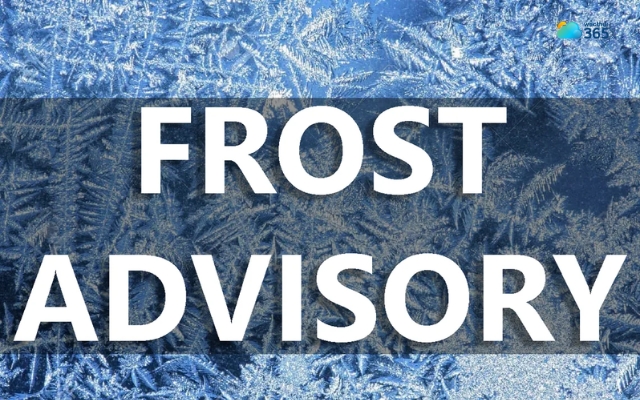
Frost can damage crops and plants
Heavy Surf/ High Surf Advisory
Warns of large and powerful waves that can pose risks to swimmers, surfers, and coastal areas.
Lake Effect Snow Advisory
Occurs when cold air moves across warmer lake waters, producing localized but significant snowfall.
Lake Wind Advisory
Issued when the wind across the lake becomes strong enough to affect small boats and shoreline areas.
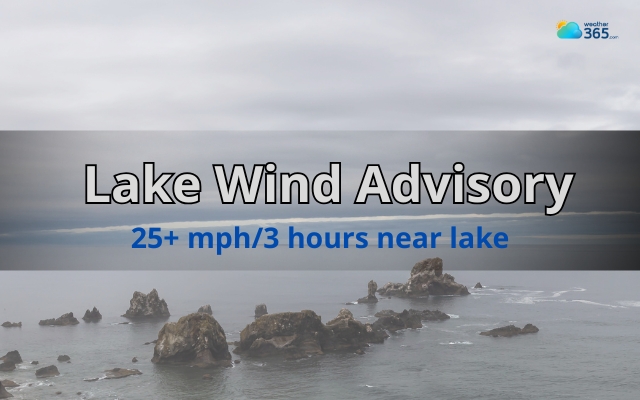
Lake wind can affect boats’ routes
Low Water Advisory
Alerts boat operators that water levels are unusually low, which could impact navigation.
Snow Advisory
Issued when snowfall could affect travel, but is not severe enough to be classified as a winter storm.
Tropical Advisory
Used to communicate conditions related to tropical systems that may affect an area without reaching warning levels.
Tsunami Advisory
Indicates a tsunami capable of producing strong currents or waves, but widespread flooding is not expected.
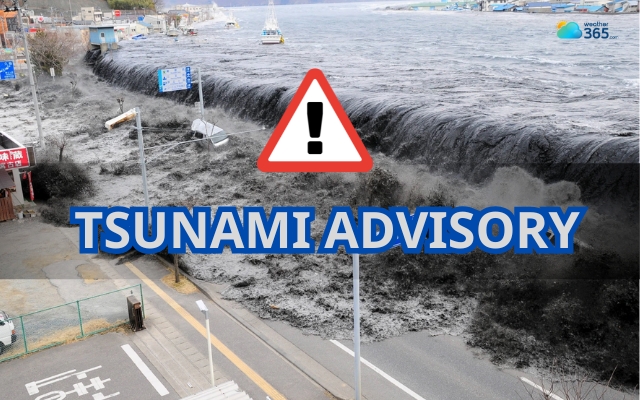
Be careful when a tsunami advisory is issued
Urban and Small Stream Flood Advisory
Issued when minor flooding may occur in urban areas or small waterways.
Wind Advisory
Warns that strong winds may cause travel difficulties, minor structural damage, or fallen branches.
Discover more on High wind alerts!
Weather Advisory vs Watch vs Warning: What Is The Difference?
When reading weather alerts, you’ll often see three common terms: advisory, watch, and warning.
They may look similar at first, but each one represents a different level of risk and urgency.
Weather Watch
While the weather advisory is issued when weather conditions could cause minor hazards or inconvenience, a weather watch signals that conditions are favorable for severe weather to develop.
This does not mean the event is happening yet.
Instead, forecasters are seeing atmospheric patterns that could lead to dangerous weather later.
Think of a watch as a reminder to stay alert and keep checking updates, especially if you live in an area that might be affected.
Is a weather watch more dangerous than a weather advisory?
Weather Warning
The most serious level is a weather warning.
This alert is issued when hazardous weather is already occurring or is about to occur very soon.
At this point, the threat is no longer just possible; it is real and may pose risks to life or property.
Warnings are designed to prompt immediate action, such as seeking shelter, avoiding travel, or following instructions from local authorities.
A weather warning is the most serious level
A simple way to remember the difference is this:
Advisory means “be aware,” watch means “be prepared,” and warning means “take action.”
What Are The Differences?
Now let’s look at the info below to see how these terms differ from each other!
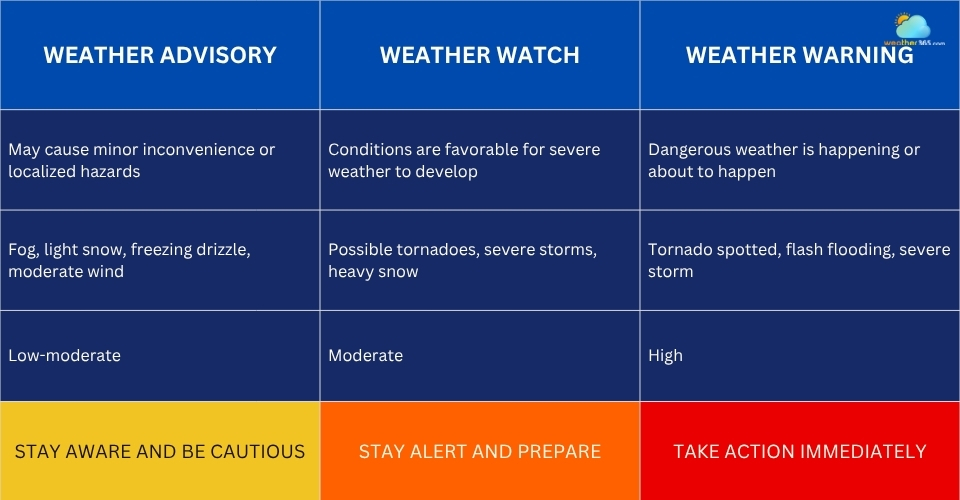
Difference among Weather advisory, Weather watch, and Weather warning
What Should You Do During a Weather Advisory?
When a weather advisory is issued, it doesn’t usually mean a dangerous disaster is about to happen.
However, it does signal that weather conditions could still create inconveniences or minor safety risks.
The best response is not panic, but awareness and a few practical adjustments to your routine.
Stay updated with official forecasts
Adjust your plans if necessary
Prepare for minor disruptions
Pay attention to local guidance and safety advice

Stay aware during a weather advisory
Final Thought
Understanding the weather advisory meaning helps you respond calmly and safely when weather alerts appear. While advisories signal less severe conditions than warnings, they still highlight weather situations that could disrupt daily life. Staying informed and taking simple precautions can help reduce risks and keep you prepared for changing weather conditions.
Frequently Asked Questions (FAQs)
Related post
Weather Elements Explained: The Essential Components of Our Climate
 5685
5685
 8
8
 4.8
4.8
 11/09/2026
Which is The Most Accurate Weather Forecast? A Complete Guide
2348
8
4.8
18/08/2026
Symbols On Weather Explained: Master The Weather Maps Like a Pro
1489
8
4.9
18/08/2026

8 Comment
Noel Perez
I used to see “weather advisory” and assume it meant something serious was about to happen. This helped me understand the difference between a warning and a heads-up.
Wesley Meyer
A small word on a weather app can make a big difference if you know how to interpret it. Definitely a useful thing to learn.
Grayson Moore
Why are weather advisories issued?
weather365
They help people prepare for potentially hazardous conditions and make safer decisions before or during an event.
Max Gross
Should I change my plans when there’s a weather advisory?
weather365
It depends on the type of advisory and your planned activity. Checking the details and latest conditions is the best way to decide.
Adam Barrett
Is a weather advisory the same as a weather warning?
weather365
Not exactly. An advisory generally means conditions may cause inconvenience or some hazards, while a warning usually indicates a more immediate or serious threat.
Leave a comment
Your email address will not be published. Required fields are marked *