




Dangers of Lightning: Understanding Its Hazards and Key Safety Practices to Survive


Lightning strikes millions of times each year, yet its destructive power is often overlooked. The dangers of lightning extend far beyond burns or shocks; it can destroy property, disrupt ecosystems, and cause instant fatalities. Knowing its risks and how to protect yourself is key to staying safe during storms.
What is the most dangerous type of lightning?
- How Lightning Forms?
- Dangers of Lightning To People and Animals
- Immediate Effects
- Non-direct effects
- Dangers of Lightning To Property
- Direct Strikes and Fire
- Electrical Surges
- Structural Damage
- Damage to Trees and Landscape
- Dangers of Lightning To the Environment
- Wildfires
- Ecosystems Impacts
- How to Stay Safe from Lightning
- Indoors
- Outdoors
How Lightning Forms?
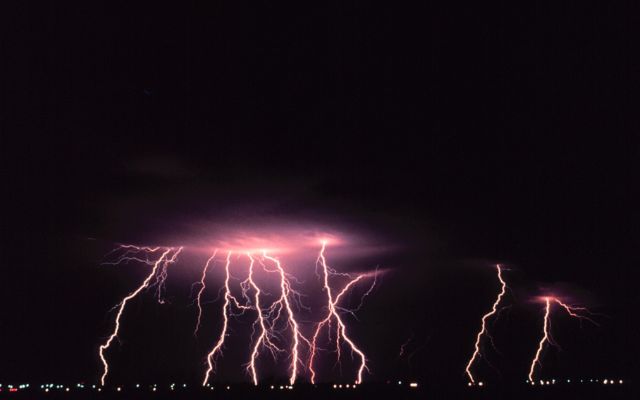
Lightning forms when storm clouds accumulate large amounts of electrical charge.
As the difference between positive and negative charges grows, it eventually releases a massive surge of energy: a bright flash of lightning.
How does Lightning Forms?
You can explore more about this process in our article on the difference between thunder and lightning for a deeper breakdown.
Now that we have covered its origins, let’s look at the real-world dangers of lightning and thunder to humans, animals, property, and the environment.
Dangers of Lightning To People and Animals
The human body and animals are especially vulnerable to lightning strikes. Each year, lightning is responsible for dozens of deaths and hundreds of injuries in the US alone.
The National Weather Service estimates that the chance of being struck in a lifetime is roughly 1 in 15,300. While many people recover, some may experience long-term health effects such as seizures, nerve damage, or memory issues.
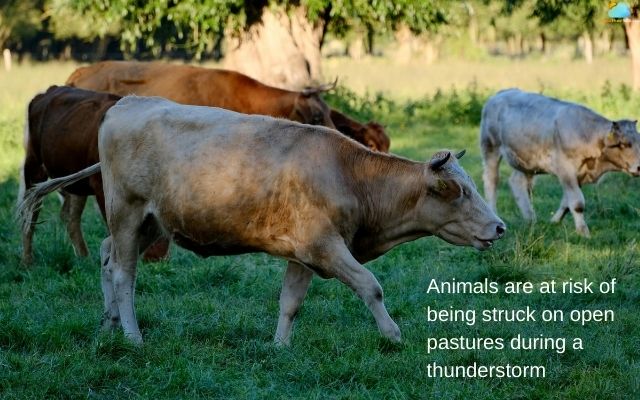
Animals, especially livestock, are also at risk because large animals standing on open pastures can be exposed to electrical currents traveling outward from a strike.
Dangers of Lightning Strikes To People and Animals
Immediate Effects
When a person or animal is struck directly by lightning, the consequences are often immediate and life-threatening. The electrical energy and accompanying shockwave can impact many body systems in serious ways.
Cardiac Arrest
Lightning often causes sudden cardiac arrest. The surge of electricity can disrupt the heart’s rhythm quickly, sometimes stopping it entirely. Many victims collapse instantly, and without quick medical help, survival is unlikely.

Lightning strikes can cause cardiac arrest
Burns
Lightning can superheat the air and potentially ignite clothing very rapidly. Victims may suffer deep external burns, while internal tissues also absorb the heat.
In animals, these signs may be visible as singed fur or damaged hides.
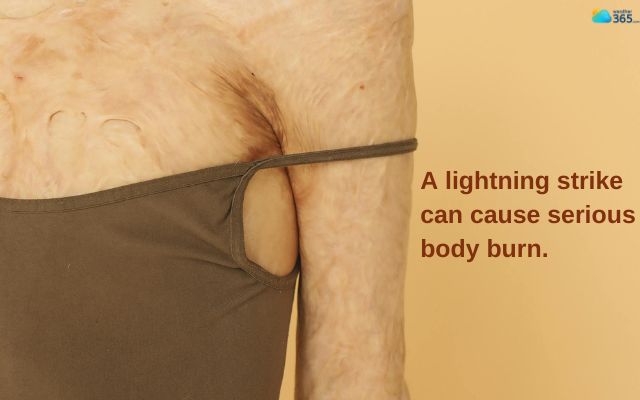
Body burn due to a lightning strike
Nervous System Damage
The brain, spinal cord, and nerves are especially vulnerable to electricity. Survivors of a lightning strike may face seizures, memory loss, confusion, or partial paralysis.
In severe cases, long-term effects can remain, preventing full recovery of mobility or cognitive ability.
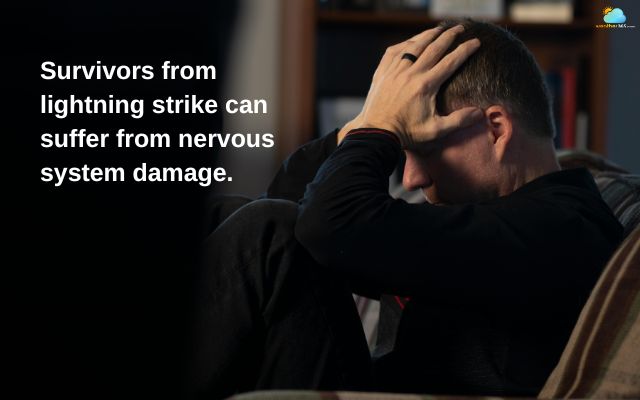
A lightning strike can result in nervous system damage
Blunt Trauma
Beyond electrical injury, lightning’s explosive force can physically hurl victims to the ground.
This can lead to broken bones, ruptured eardrums, or internal bleeding.
Eyewitness accounts often describe people being thrown several feet from where the strike occurred.
Keraunoparalysis
This is a temporary paralysis of the limbs that often alarms victims.
The affected arms or legs may feel numb, appear pale or bluish, and lose movement for several hours before slowly returning to normal function.
Even temporary effects, like sudden paralysis, can still be deeply frightening.
Lichtenberg Figures
Some survivors display striking, branch-like red patterns on their skin known as Lichtenberg figures.
These are not burns, but rather marks left behind as electricity travels across the skin’s surface.
While harmless and fading within days, they are a unique and unmistakable signature of a lightning strike.

Lichtenberg figures due to lightning strikes
Non-direct effects
Many injuries happen not from a direct hit but from electricity spreading nearby. These indirect effects are often underestimated but account for most lightning-related casualties:
Ground Current
Ground current is the most frequent cause of injuries and deaths.
When a bolt hits the ground, its energy spreads outward in all directions. If a person or animal is standing nearby, the current can enter through one leg and exit through the other.
Ground current from lightning causes serious damage
This is why cattle and horses are particularly vulnerable - the distance between their legs makes them more likely to receive a dangerous current.
Side Flash
Sometimes, a nearby tall object such as a tree or pole is struck, and part of the current can “jump” to someone standing nearby - a phenomenon known as side flash.
Campers seeking shelter under trees are often victims of this.
Contact Injuries
When someone touches a metal fence, water pipe, or shed that is struck, the current travels directly into their body.
Farmers working near wire fences or people inside homes touching plumbing have suffered serious injuries this way.
Fires and Explosions
Beyond physical injury, lightning can ignite flammable materials in barns, sheds, or fields. Explosions are especially dangerous if stored fuel or chemicals are nearby, threatening both humans and animals.
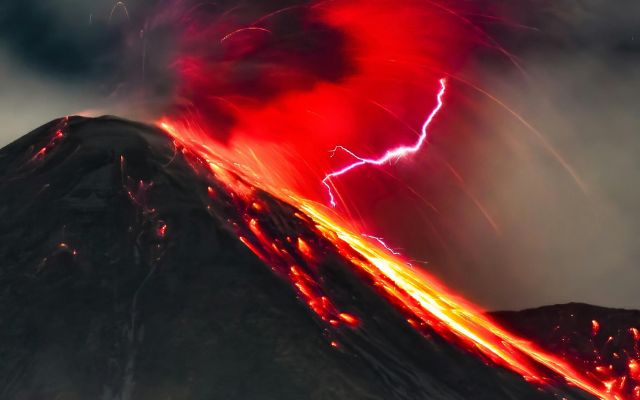
Lightning ignites fire in nearby areas
Dangers of Lightning To Property
Lightning does not just threaten people and animals; it can also cause severe damage to homes, businesses, and landscapes.
A single discharge holds enough power to fry electronics, damage buildings, or ignite fires.
Property losses from lightning are among the most expensive storm-related claims every year.
Here are the main ways lightning can affect property.
Direct Strikes and Fire
When lightning directly hits a building, the extreme heat - up to 50,000°F (27,700°C) can instantly ignite flammable materials like wood or insulation.
Roofs, attics, and chimneys are particularly vulnerable. Even sturdy metal components can warp or melt under such temperatures.
Fires started this way often spread quickly through hidden spaces such as walls or roof cavities, making them difficult to contain.
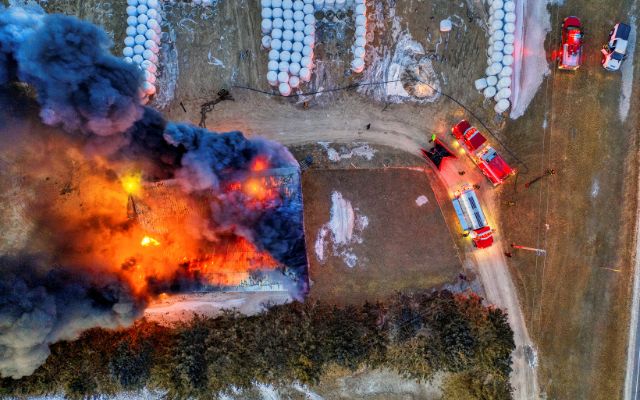
Dangers of lightning to property
Electrical Surges
Lightning often enters a property through its electrical wiring, phone lines, or plumbing systems.

Electrical surge due to lightning strikes
The surge of energy can overwhelm the circuits, destroying appliances, routers, televisions, and computers within seconds. Standard surge protectors are usually not strong enough to handle this level of power.
In some cases, the surge can travel through water pipes, damaging heaters, washing machines, or dishwashers.
Structural Damage
The explosive force of a lightning strike can compromise a building’s structure. The sudden expansion of air and moisture creates shock waves strong enough to:
Shatter glass windows
Crack concrete foundations
Blow bricks or stones out of the walls
Even if the damage looks minor from the outside, hidden structural issues may develop over time, leading to costly repairs.
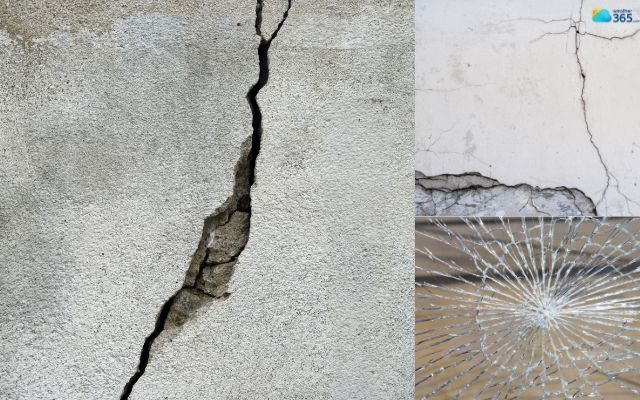
Shock waves from lightning cause concrete and glass cracks
Damage to Trees and Landscape
Lightning strikes on trees are common and destructive.
When lightning strikes a tree, it heats the sap inside and can force the bark to burst outward. This can split a tree in half or send heavy branches crashing down on nearby roofs, fences, or vehicles.
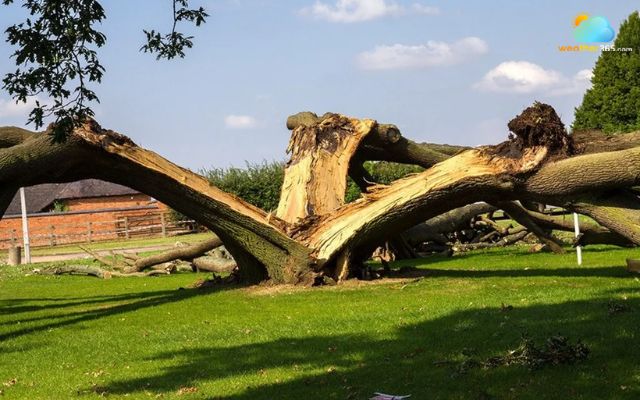
The trunk was split due to lightning strikes
Dangers of Lightning To the Environment
While most people associate lightning with personal injury or property loss, it also plays a powerful role in shaping the natural environment.
Strikes can spark destructive wildfires, alter ecosystems, and even influence the chemistry of the atmosphere.
These impacts show that lightning is not only a short-term hazard but also a force that shapes landscapes and climate over time.
Wildfires
One of the most destructive environmental consequences of lightning is its ability to ignite wildfires.
In dry, arid regions like the western United States, Australia, or parts of Africa, a single strike can set off a blaze that spreads uncontrollably.
Unlike human-caused fires, which are often linked to negligence, lightning-sparked wildfires are entirely natural yet equally devastating. (Also read: What causes wildfires?)
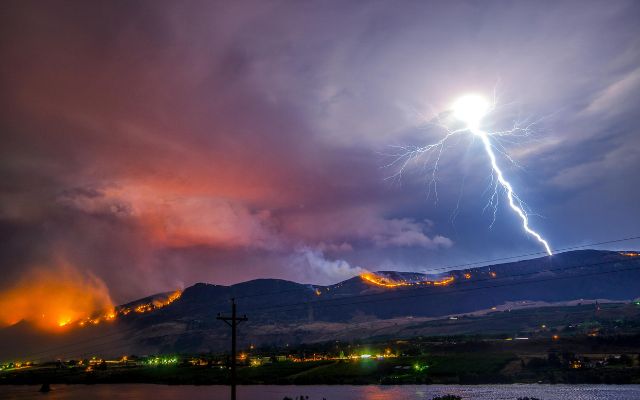
Lightning strikes caused a wildfire in Wenatchee, Washington, US in 2015
These fires can burn through thousands of acres in a matter of days, destroying forests, grasslands, and animal habitats. For instance, studies in the US show that nearly half of wildfires in remote areas are triggered by lightning.
Beyond property losses, the smoke released can worsen air quality, affect nearby communities, and contribute to greenhouse gas emissions.
Ecosystems Impacts
Lightning also changes ecosystems in subtle but lasting ways.
When a large tree is struck, it may die or split apart, creating a gap in the forest canopy.
This allows more sunlight to reach the ground, giving smaller plants a chance to grow while also changing the balance of species in the area.
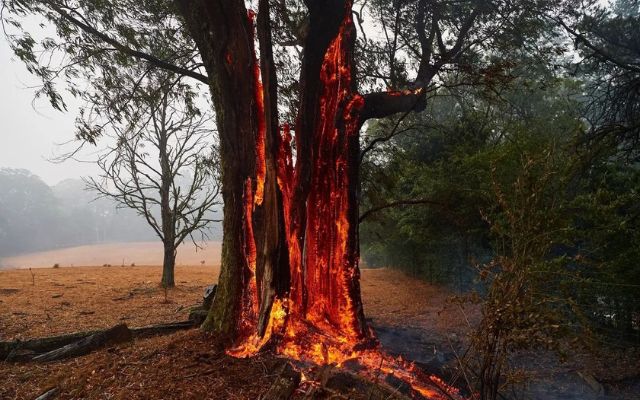
Trees got struck by lightning
Animals are indirectly affected as well. Birds and insects that depended on the old tree for nesting or food may be forced to relocate, while new species might move in.
Over time, repeated lightning strikes can shape the overall structure of a forest, influencing which plants and animals thrive.
In grassland regions, frequent strikes may maintain open landscapes by burning patches of vegetation, preventing forests from taking over.
This is one reason why lightning is considered both a destructive and a balancing force in nature.
How to Stay Safe from Lightning
According to the National Lightning Safety Council, it is estimated that lightning causes around 21 deaths annually over the past decade in the US alone.
Although it is not always the case, lightning is most likely to be carried by the thunderstorm. Learning how to survive a thunderstorm is the critical step to staying safe from lightning.
Indoors
Avoid using corded phones, plugged-in electronics, or anything directly connected to power.
Do not shower, wash dishes, or touch faucets since water pipes can conduct electricity.
Protect items like TVs, computers, and routers from power surges.
Stay at least a few feet away from windows, doors, and reinforced concrete walls that may contain metal bars.
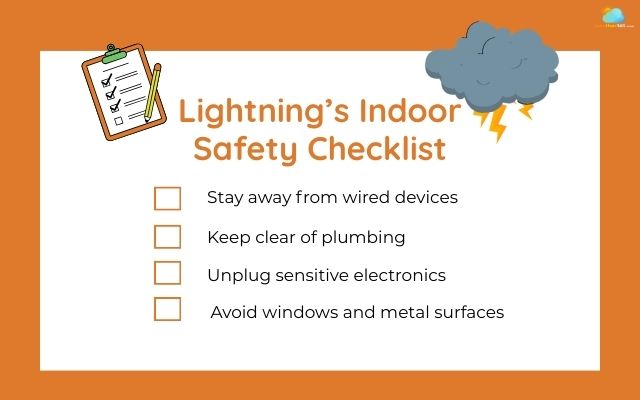
How to Stay Safe from Lightning Indoors
Outdoors
Do not shelter under tall trees or near power poles
Avoid metal objects: golf clubs, umbrellas, bicycles, fences
Seek shelter in a fully enclosed building or vehicle
Use the "Flash-to-Bang" method: count seconds between lightning and thunder, divide by 5 to estimate distance in miles.
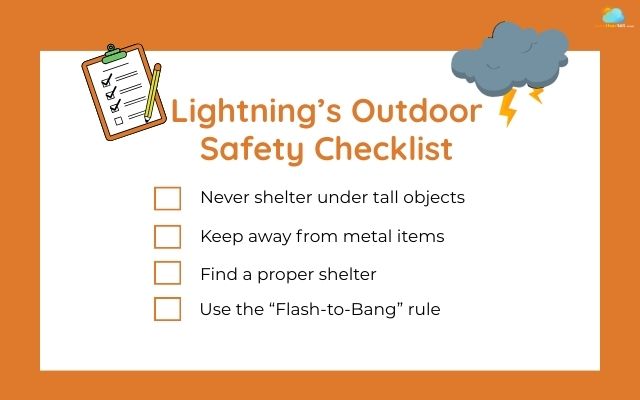
How to Stay Safe from Lightning Outdoors
Conclusion
Dangers of lightning are real and far-reaching, affecting people, animals, property, and even the environment. While its power is impossible to control, understanding how it strikes and knowing safety measures can greatly reduce risks. Staying alert during storms, protecting your home, and avoiding unsafe behaviors outdoors are simple yet effective ways to stay safe.
Frequently Asked Questions (FAQs)
Related post
What Happens If Lightning Strikes A Car? Real Dangers, Myths & What to Do Next
 1557
1557
 0
0
 4.9
4.9
 01/04/2026
Can Lightning Strike Through A Window? Scientific Facts & Life-Saving Tips
1445
0
4.8
13/04/2026
What Happens When Lightning Strikes Sand? Unveil the Rare Glass’s Formation
1441
0
4.7
01/04/2026

0 Comment
Leave a comment
Your email address will not be published. Required fields are marked *