




Top 5 The Coldest States in the US - 50-State Lowest Temperature History


Have you ever wondered what are the coldest states in the US? While many people think of winter as just snow and chilly mornings, some states experience temperatures so extreme that daily life becomes a real challenge. Now let’s explore the top 5 coldest states, what makes these states so cold, and look at the lowest temperatures ever recorded across all 50 states.
Coldest states in the US
What Determines the Coldest States in the US?
Coldest states in the US are determined by the latitude, altitude, proximity to large bodies of water, air mass influence, mountain barriers, wind patterns, geographical position, and the snow cover.
Latitude
One of the biggest factors is latitude, or how far a place is from the equator.
The farther north you go, the less direct sunlight you receive, especially in winter.
This means less heat reaches the ground, so temperatures stay lower for longer periods.
Alaska, North Dakota, and Minnesota often feature severe northern extremes on any Alaska cold weather forecast compared to southern states.
Confused between latitude and longitude? Learn here!
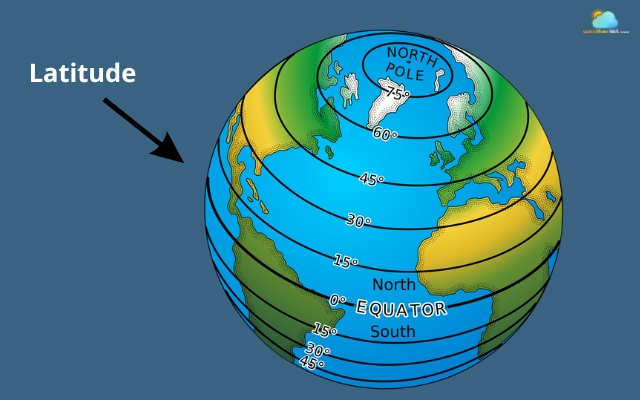
Latitude plays a key role in determining how cold a location can be
Altitude
Closely related to the cold is altitude. Higher places are colder because the air becomes thinner and holds less heat as you go up.
In fact, temperature drops steadily with elevation, which is why mountainous states can feel freezing even if they’re not the farthest north.
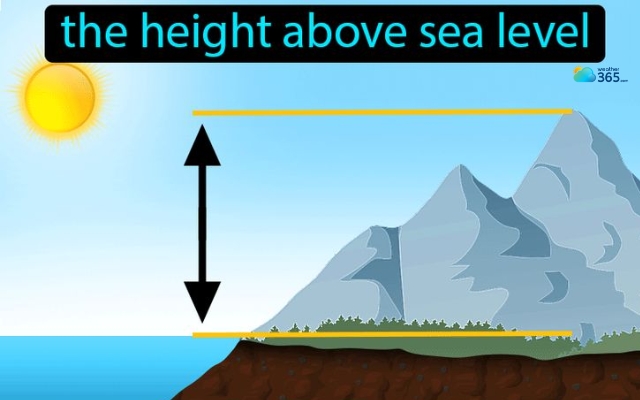
Higher places are usually colder
Proximity to Large Bodies of Water
Another important piece is proximity to large bodies of water. Water heats up and cools down more slowly than land.
So, areas near oceans or large lakes tend to have more stable temperatures.
Inland states, on the other hand, don’t have that buffer, so they heat up quickly in summer and lose heat just as fast in winter, leading to more extreme cold.
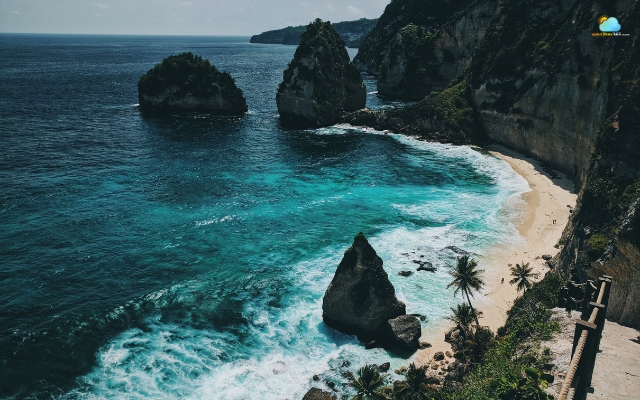
Areas near oceans have more stable temperatures
Air Mass influence
Then there’s the role of air masses, especially cold ones coming from the Arctic.
During winter, these icy air masses can move south and bring sudden, dramatic drops in temperature.
States located in open plains or without natural barriers are more exposed to these cold outbreaks.
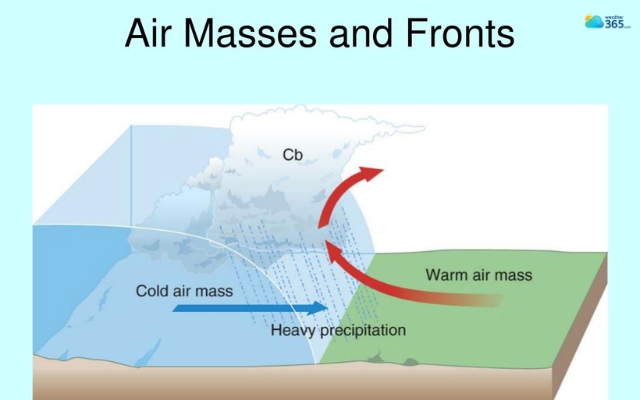
Air masses moving south bring dramatic drops in temperature
Mountain barriers
This connects directly to mountain barriers. Mountains can act like walls that either block or trap air.
In some cases, they prevent warmer air from reaching certain regions.
In others, they trap cold air in valleys, allowing it to build up and stay there longer, making those areas even colder.
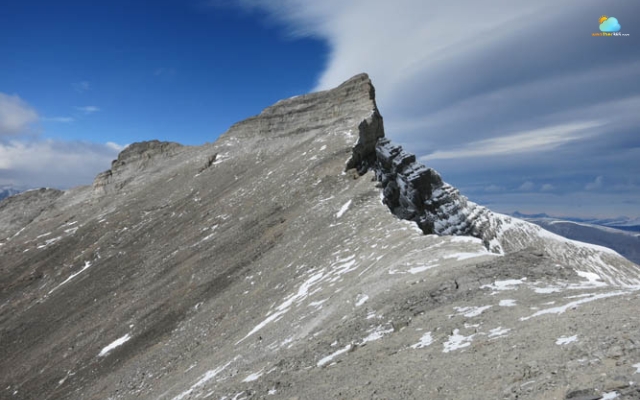
Mountains can block or trap air
Wind patterns
At the same time, wind patterns play a major role. Winds physically transport cold air from one region to another.
In the US, winter wind systems often push Arctic air deep into the country, especially across the central and northern states.
Do you know that you can feel much colder than the actual temperature due to the wind?
That’s exactly what wind chill means! Discover more here!
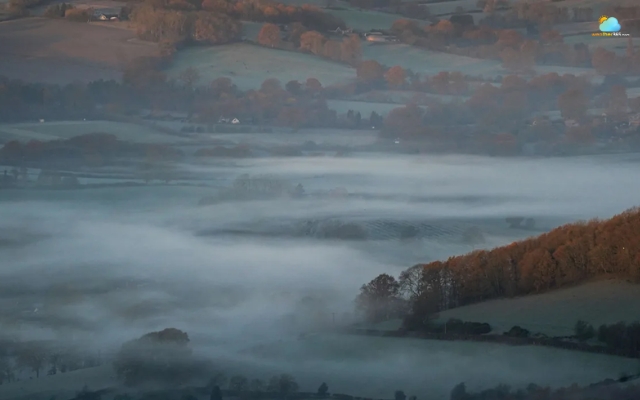
Winds carry cold air from one region to another
Geographical positioning
Another factor people often overlook is geographical positioning.
States located in open, flat regions like the Great Plains don’t have natural barriers to stop cold air.
This allows freezing air to move freely across large distances, intensifying winter conditions.
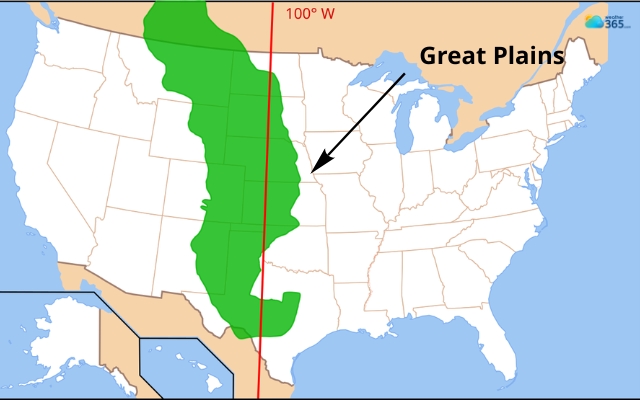
States located near the Great Plains are usually colder
Snow cover
Snow cover also helps keep temperatures low.
Snow reflects sunlight instead of absorbing it, which reduces warming during the day.
It also acts like an insulating layer that traps cold air near the surface, preventing temperatures from rising quickly.
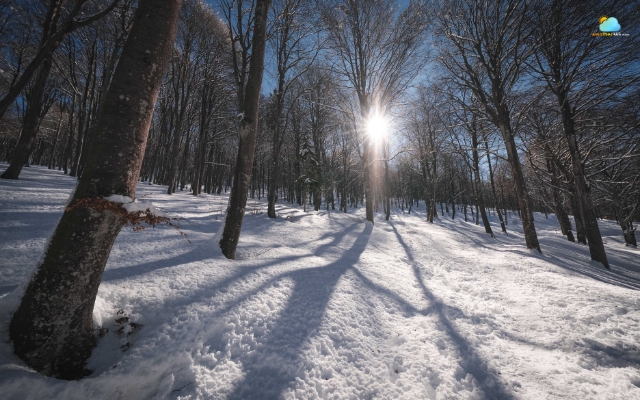
Snow prevents temperatures from rising
TOP 5 Coldest States In The US
When people talk about the coldest states in the US, they’re usually referring to places with long, intense, and sometimes extreme cold.
While rankings can shift slightly from year to year depending on weather patterns, some states consistently appear at the top.
Alaska
Alaska’s northern location means it receives very little sunlight during winter, and large parts of the state sit close to the Arctic Circle.
Winters here are not only freezing but also incredibly long, with some regions staying below 0°F for extended periods.
Is 0°F = 0°C? Unveil the relationship here!
What makes Alaska unique is the contrast within the state itself: coastal areas can be milder, but the interior sees some of the most extreme cold in North America.
It’s also home to the lowest temperature ever recorded in the US, which says a lot about just how cold it can get.
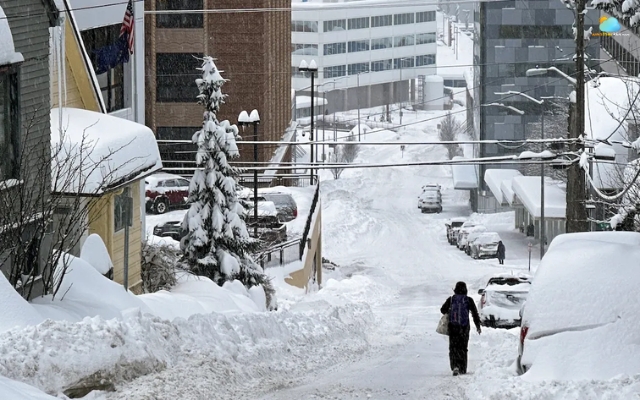
Alaska receives very little sunlight during winter
North Dakota
Moving down to the lower 48 states, North Dakota is often considered the coldest.
Its position in the northern Great Plains leaves it fully exposed to Arctic air masses that sweep down from Canada.
There are a few natural barriers to block these cold winds, so when temperatures drop, they drop fast.
Winters here are known for their consistency - long stretches of freezing weather combined with strong winds, making conditions feel even harsher.
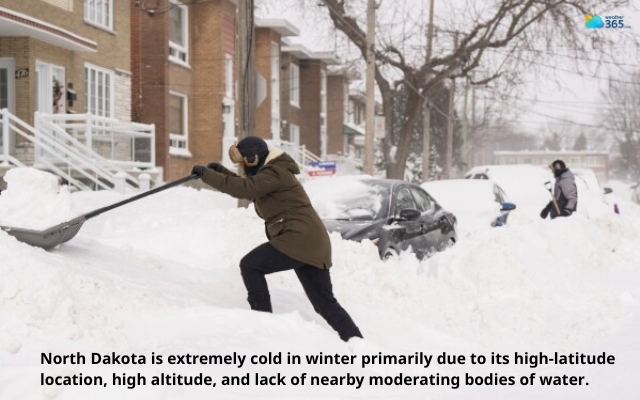
North Dakota is located in a high-latitude area
Maine
Next is Maine, representing the northeastern United States.
While it’s not as far north as Alaska, Maine’s climate is heavily influenced by both latitude and regional weather patterns.
Cold air from Canada frequently moves into the area, and snow cover tends to last for long periods, helping the temperature stay low.
Northern Maine, in particular, experiences deep winter conditions that can rival parts of the Midwest.
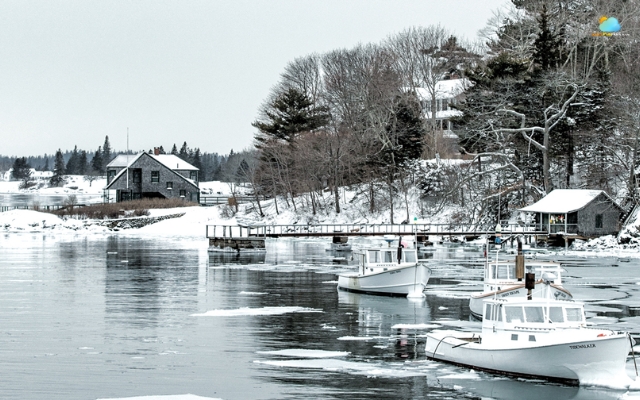
Regional weather patterns heavily influence Maine’s climate
Montana
Then comes Montana, a state known for its dramatic weather swings.
On some days, temperatures can feel manageable, but sudden cold snaps are a defining feature here.
This is partly due to its geography: high elevation combined with open land allows cold air to move in quickly.
Montana is also known for holding some of the lowest temperature records in the contiguous US, which highlights how extreme conditions can get.
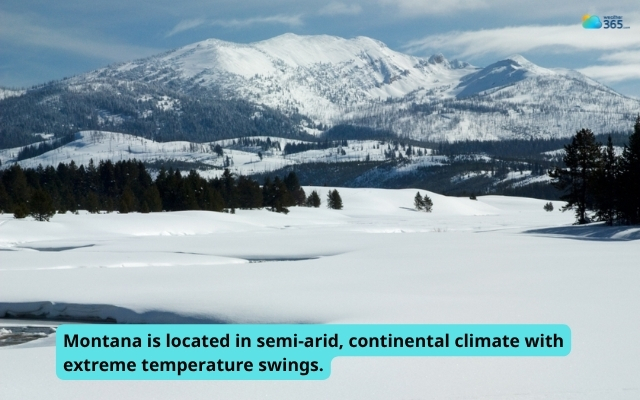
Montana is known for its dramatic weather swings
Wyoming
Like Montana, Wyoming has a mix of high elevation and wide-open spaces.
The mountainous terrain means thinner, colder air, while the lack of barriers allows wind to move freely across the state.
Winters in Wyoming are often windy and dry, which can make the cold feel even more intense than the actual temperature suggests.
While the exact order of these states can change each year slightly depending on climate trends, they consistently rank among the coldest states in the US.
And no matter how the rankings shift, Alaska remains firmly at the top year after year.
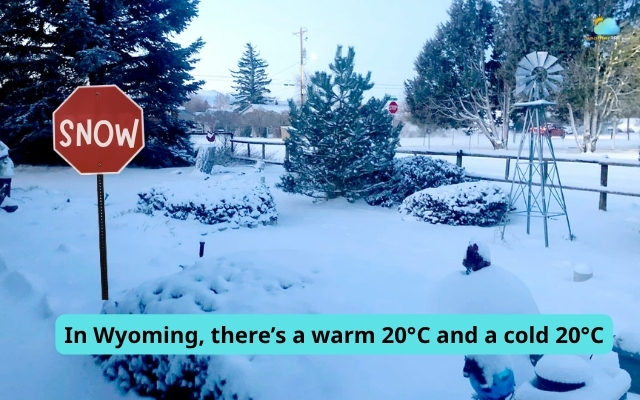
Wyoming consistently ranks among the coldest states in the US
What US State Has The Coldest Temperature Ever Recorded?
If you’re wondering how extreme winter can get in the United States, one record stands far above the rest, and it belongs to Alaska.
The coldest temperature ever recorded in US history happened on January 23, 1971 - when the temperature dropped to -80°F (-62.2°C) at Prospect Creek, a remote location in interior Alaska.
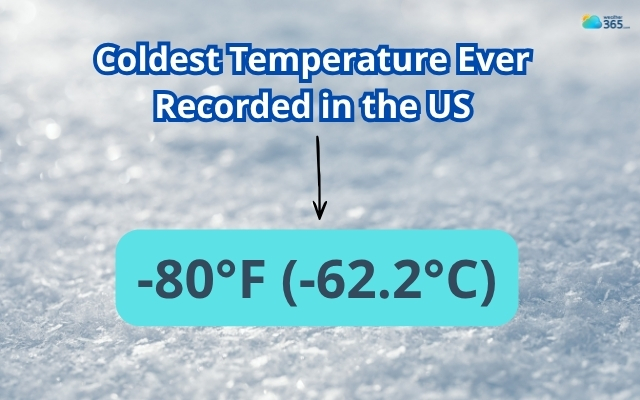
The lowest temperature is recorded in Alaska
This record has stood for more than 50 years and remains unmatched today.
Prospect Creek is located far from the ocean, deep in Alaska’s interior.
Unlike coastal areas, which benefit from the moderating effect of nearby water, inland regions can lose heat very quickly.
Combine that with long winter nights and snow-covered ground, and you get the perfect setup for extreme cold.
Another key factor is the landscape.
The coldest temperatures are often recorded in valleys, where dense cold air sinks and becomes trapped.
Over time, this air continues to cool, creating conditions that can push temperatures to dangerous extremes.
This Alaska record is far colder than anything ever recorded in the contiguous United States.
The lowest temperature in the lower 48 states is around -70°F, which is still incredibly cold, but notably warmer than Alaska’s all-time record.
Are you curious what the lowest temperature ever recorded on Earth? We have the answer here!
How Cold Have All 50 States Been In History
If you think only northern states experience extreme cold, the full picture might surprise you!
Every US state has its own record-breaking low temperature, and when you look at them together, you start to see just how wide the country’s climate range really is.
In fact, data shows that nearly every state has recorded temperatures below 0°F at some point in history, with Hawaii being the only exception.
These records are typically set during unusual weather patterns, such as Arctic outbreaks or historic cold waves.
Some of the most extreme temperatures happened decades ago, often in the 20th century, when powerful cold air systems swept across large parts of the country.
To better understand how cold it can really get, here’s a complete table of the lowest temperatures ever recorded in all 50 states.
State | Coldest Temperature (°F) |
Alabama | -27 |
Alaska | -80 |
Arizona | -40 |
Arkansas | -29 |
California | -45 |
Colorado | -61 |
Connecticut | -32 |
Delaware | -17 |
Florida | -2 |
Georgia | -17 |
Hawaii | 12 |
Idaho | -60 |
Illinois | -38 |
Indiana | -36 |
Iowa | -47 |
Kansas | -40 |
Kentucky | -37 |
Louisiana | -16 |
Maine | -50 |
Maryland | -40 |
Massachusetts | -40 |
Michigan | -51 |
Minnesota | -60 |
Mississippi | -19 |
Missouri | -40 |
Montana | -70 |
Nebraska | -47 |
Nevada | -50 |
New Hampshire | -50 |
New Jersey | -34 |
New Mexico | -50 |
New York | -52 |
North Carolina | -34 |
North Dakota | -60 |
Ohio | -39 |
Oklahoma | -31 |
Oregon | -54 |
Pennsylvania | -42 |
Rhode Island | -28 |
South Carolina | -22 |
South Dakota | -58 |
Tennessee | -32 |
Texas | -23 |
Utah | -69 |
Vermont | -50 |
Virginia | -30 |
Washington | -48 |
West Virginia | -37 |
Wisconsin | -55 |
Wyoming | -66 |
Conclusion
Coldest states in the US reveal how geography and climate shape extreme winter conditions. While rankings may shift slightly over time, Alaska consistently remains the coldest, with record-breaking lows that define winter extremes across the country.
Frequently Asked Questions (FAQs)
Related post
What is the ideal temperature for a house in winter? Tips to stay warm
 1576
1576
 8
8
 4.8
4.8
 24/07/2026
What Is The Highest Recorded Temperature In The World? Shocking Event Revealed
456
8
4.8
18/08/2026
How To Measure Air Temperature? Step-by-Step Guide To Accurate Measurement
307
7
4.9
18/08/2026

8 Comment
Jonathan Douglas
The temperature differences are wild. A trip across the country could basically feel like moving between different seasons.
Victoria Ruiz
After reading this, “cold outside” feels like a very relative statement. There’s cold, and then there’s coldest-state-in-America cold. 🥶
Ainsley Garcia
Is Alaska always the coldest place in the U.S.?
weather365
Alaska has some of the country’s most extreme cold, but other states can also experience exceptionally low winter temperatures.
Nyla Briggs
Why are some U.S. states much colder than others?
weather365
Latitude, elevation, distance from oceans, and local geography all play a role in shaping a state’s climate.
Winter Floyd
Which U.S. states are generally considered the coldest?
weather365
States such as Alaska, North Dakota, Minnesota, Maine, and Wyoming are among those known for particularly cold climates.
Leave a comment
Your email address will not be published. Required fields are marked *