




What Are Sensitive Groups For Air Quality? Health Risks And Protection


What are sensitive groups for air quality? These are people who face higher health risks when air pollution levels rise, including millions of children, older adults, and individuals with chronic conditions. Wondering who is most at risk and how to stay protected? Read on to discover the key facts and practical tips!
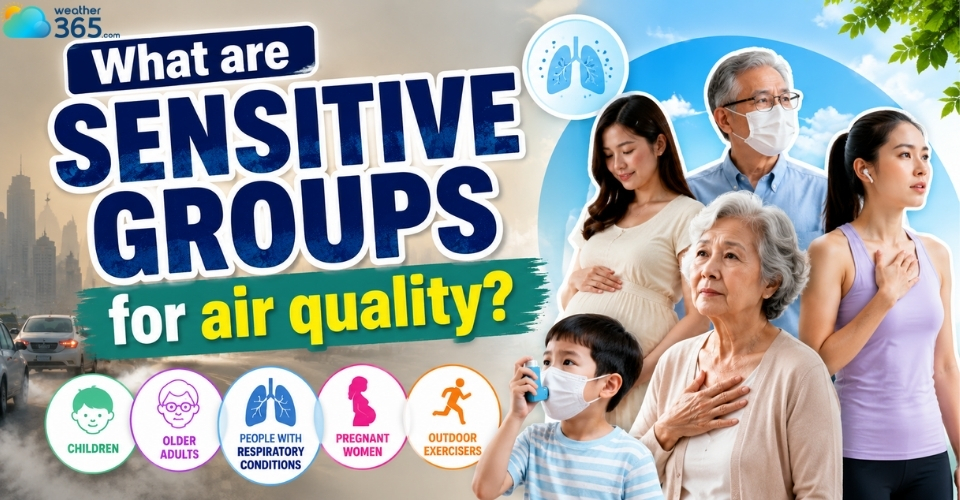
What are sensitive groups for air quality
- What is unhealthy air quality?
- What are sensitive groups for air quality?
- Children
- The Elderly
- Pregnant People
- People With Cardiac And Pulmonary Diseases
- Outdoor workers & low-income community
- Why are these groups more sensitive to air pollution?
- Health effects of air pollution
- How to protect yourself from unhealthy air?
What is unhealthy air quality?
Unhealthy air quality refers to air pollution levels that are high enough to pose health risks to everyone, not just sensitive groups.
According to the Air Quality Index (AQI), air is considered unhealthy when the AQI reaches 151–200.
At this level, everyone may begin to experience adverse health effects, while sensitive groups face an even greater risk.
Exposure to unhealthy air can cause symptoms such as coughing, throat irritation, shortness of breath, and eye irritation. It can also worsen asthma, heart disease, and other chronic conditions.
The longer the exposure and the higher the pollution level, the greater the potential impact on health.
If you're interested in learning more about where these air pollutants come from, check out our guide on What causes air pollution!
What are sensitive groups for air quality?
Sensitive groups for air quality are people who are more likely to be affected by polluted air, even when pollution levels are considered acceptable for the general population.
Air pollution impacts people differently depending on age, health status, and physical condition.
While a healthy adult may not notice immediate effects, some groups are more vulnerable because their bodies are either still developing or already weakened.
Children
Children are highly sensitive to air pollution because their bodies are still in the process of growing, especially their lungs and immune system.
When they breathe polluted air, their developing respiratory system can become irritated more easily than that of adults.
In addition, children tend to breathe faster and take in more air relative to their body weight, which increases their exposure to harmful particles and gases.
Since they also spend more time playing outdoors, they often cannot avoid polluted environments.
If you are planning family outings, remember to check Chicago Air Quality or your local city to ensure outdoor conditions are safe for playtime.
Over time, repeated exposure may not only cause short-term symptoms like coughing or wheezing but can also affect long-term lung development.
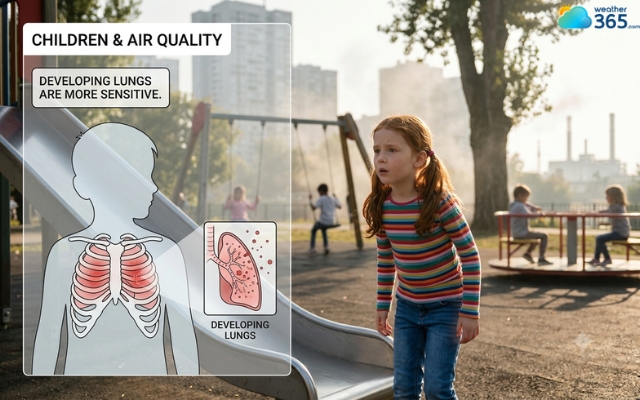
Children are highly sensitive to air pollution
The Elderly
Older adults are more vulnerable to air pollution due to the natural aging process.
As the body ages, lung capacity gradually decreases and the immune system becomes less efficient at fighting off environmental stressors.
Many elderly individuals also live with chronic conditions such as heart disease or respiratory illnesses, which makes them even more sensitive to polluted air.
When air quality drops, they may experience worsening breathing problems, fatigue, or complications that require medical attention.
In more serious cases, exposure to high pollution levels can increase the risk of cardiovascular or respiratory emergencies.
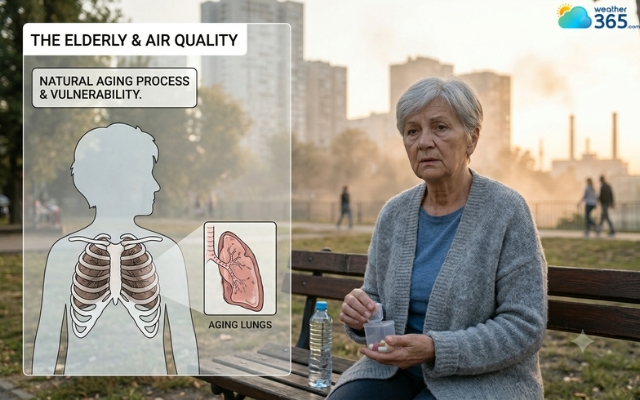
Older adults are more vulnerable to air pollution
Pregnant People
Pregnant individuals are considered a sensitive group because their bodies are supporting both maternal health and fetal development at the same time.
During pregnancy, the body requires more oxygen, and any reduction in air quality can place additional stress on both the mother and the developing baby.
Pollutants in the air may contribute to inflammation and reduced oxygen exchange efficiency, which can affect pregnancy outcomes.
Although the level of impact varies from case to case, studies have shown associations between poor air quality and risks such as low birth weight or premature delivery.
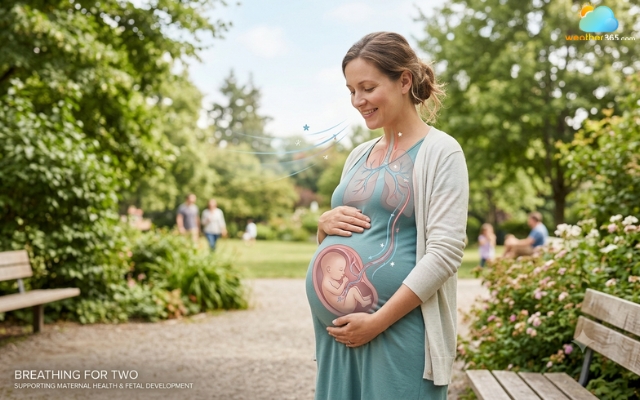
Pregnant people are considered a sensitive group
People With Cardiac And Pulmonary Diseases
People who already suffer from heart or lung conditions are among the most affected when air quality becomes unhealthy.
Their bodies are already managing underlying health challenges, so exposure to pollutants can easily worsen their condition.
For example, individuals with asthma or COPD may experience tighter airways and increased breathing difficulty, while those with heart disease may face added strain on the cardiovascular system.
In polluted conditions, even short-term exposure can trigger symptoms, increase inflammation, and in severe cases, lead to hospital visits due to complications such as asthma attacks or cardiac events.
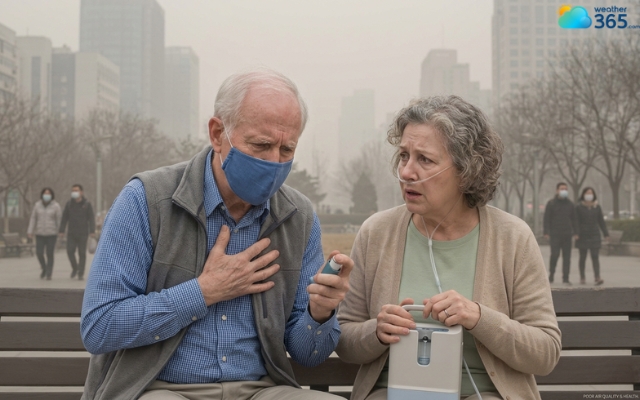
People with existing health conditions are vulnerable to air pollution
Outdoor workers & low-income community
Outdoor workers and low-income communities may also be more vulnerable to poor air quality because they often face greater exposure to air pollution.
Outdoor workers, such as construction workers, farmers, and delivery drivers, spend long hours outside, increasing their exposure to pollutants.
Before starting a long shift on-site, it is vital to track real-time Derby weather conditions to anticipate heat, humidity, and smog risks throughout the day.
This can lead to coughing, breathing difficulties, and worsening respiratory conditions during high pollution events.
Low-income communities are more likely to live near busy roads or industrial areas and may have limited access to healthcare or clean indoor air.
These factors can increase both exposure to pollution and the risk of related health problems.
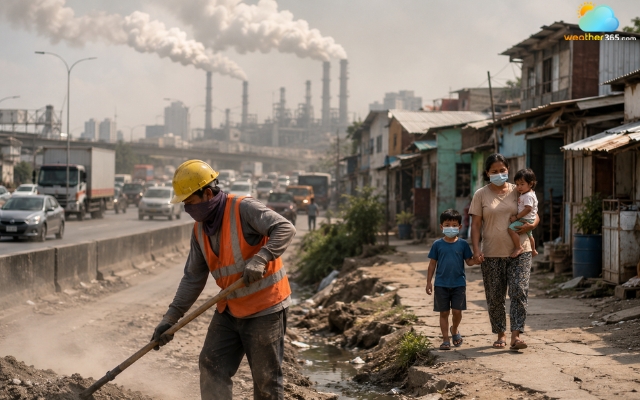
Outdoor workers are vulnerable to air pollution
Why are these groups more sensitive to air pollution?
These groups are more sensitive to air pollution because their bodies are either still developing, already weakened, affected by existing health conditions, or exposed to polluted air more often than others.
Sensitivity to air pollution comes from a combination of biological and environmental factors.
Children have developing lungs and immune systems, making them more vulnerable to harmful pollutants.
Older adults and people with chronic heart or lung diseases have a reduced ability to cope with pollution, so even moderate exposure can trigger symptoms or worsen existing conditions.
Pregnant people are also at greater risk because air pollution can affect both maternal health and fetal development.
Meanwhile, outdoor workers experience higher exposure simply because they spend many hours outside, especially on days with poor air quality.
Low-income communities may also face greater risks due to living closer to major pollution sources, having fewer resources to reduce exposure, and limited access to healthcare or clean indoor environments.
In some cases, the effects can be long-lasting.
For example, repeated exposure during childhood may reduce lung development, while ongoing exposure in adults can increase the risk of chronic respiratory and cardiovascular diseases.
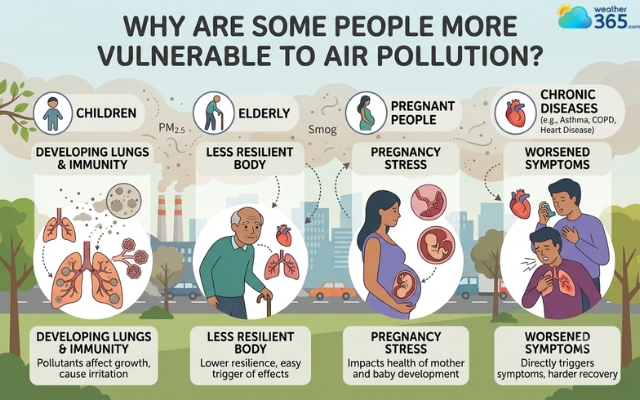
Some groups are more vulnerable to air pollution than others
Health effects of air pollution
Air pollution can harm health by affecting the lungs, heart, and overall body function, especially in vulnerable groups.
When polluted air is inhaled, tiny particles and harmful gases can enter the respiratory system and spread throughout the body.
The impact is not the same for everyone, but sensitive groups such as children, the elderly, pregnant people, and those with existing diseases often experience stronger and faster effects.
The children
In children, air pollution can lead to frequent coughing, wheezing, and asthma flare-ups because their lungs are still developing.
Long-term exposure may also reduce lung growth, increasing the risk of respiratory problems later in life.
This means the effects are not only immediate but can also influence future health.
Older adults
For older adults, polluted air often worsens age-related health issues. Breathing becomes more difficult, and existing conditions like chronic bronchitis or heart disease can become more severe.
In many cases, poor air quality increases the risk of hospital visits due to respiratory or cardiovascular complications.
Pregnant people
Pregnant people may also be affected, as air pollution can increase stress on the body and reduce oxygen efficiency.
This may contribute to pregnancy complications such as low birth weight or premature birth, depending on exposure levels and overall health conditions.
People with heart or lung diseases
People with heart or lung diseases are especially at risk because pollution directly aggravates their conditions.
It can trigger asthma attacks, reduce lung function, and place extra strain on the cardiovascular system, sometimes leading to serious events like heart attacks or emergency hospitalization.
Outdoor workers
Outdoor workers face greater health risks because they are exposed to polluted air for long periods each day.
During high pollution events, they may experience coughing, eye and throat irritation, shortness of breath, reduced lung function, and increased fatigue.
Repeated exposure over time can also raise the risk of chronic respiratory and cardiovascular diseases.
Low-income communities
People in low-income communities are often exposed to higher pollution levels because they are more likely to live near busy roads, factories, or other emission sources.
Combined with limited access to healthcare and clean indoor spaces, this can lead to higher rates of asthma, respiratory infections, heart disease, and other pollution-related health problems.
Long-term exposure may also contribute to ongoing health disparities within these communities.
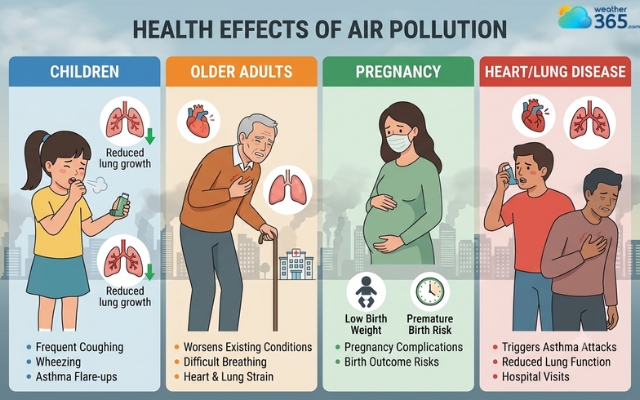
Air pollution can cause serious health effects
How to protect yourself from unhealthy air?
You can protect yourself from unhealthy air by reducing exposure, improving indoor air quality, and using proper protection when pollution levels rise.
When air quality drops, small daily actions can significantly reduce the amount of pollution you breathe in.
The key is to stay informed and adjust your habits based on the Air Quality Index (AQI) and current environmental conditions.
Check the AQI before going outside: Always monitor air quality updates so you know when pollution levels become unsafe. (Read more: What AQI is unhealthy?)
Before planning daily routines or workouts, you can view the Las Vegas air quality report to adjust your schedule according to real-time atmospheric shifts.
Limit outdoor activities during high pollution hours: Air pollution is often worse during rush hours or hot, sunny afternoons. Try to avoid outdoor exercise or long exposure when AQI levels are elevated.
Wear a mask when necessary: In areas with poor air quality, especially when PM2.5 levels are high, wearing a properly fitted mask can reduce inhalation of harmful particles.
You can also check our article on what air quality should you wear a mask to know the exact conditions when masks become necessary.
Improve indoor air quality: Keep windows closed on high-pollution days and use air purifiers if possible. Avoid smoking indoors and reduce activities that create indoor pollutants, such as burning incense or using strong chemical sprays.
Create a cleaner breathing environment at home: Regular cleaning, using wet mopping instead of dry dusting, and maintaining ventilation systems can help reduce dust and pollutant buildup indoors.
Follow health advice if you are in a sensitive group: People with asthma, heart disease, or other chronic conditions should carry medication, follow medical guidance, and avoid unnecessary exposure during pollution peaks.
By combining these habits, you can significantly reduce the health risks caused by polluted air and better protect yourself and your family on days when air quality becomes unhealthy.
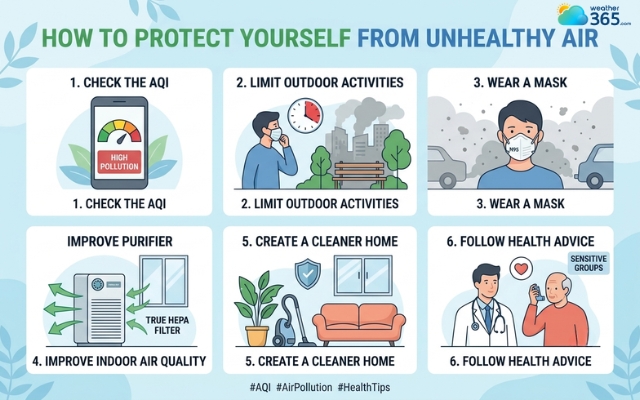
Reducing polluted air exposure to protect yourself
Conclusion
To conclude, what are sensitive groups for air quality? They include children, older adults, pregnant people, and individuals with heart or lung diseases. Because air pollution can cause serious short- and long-term health effects, understanding your risk and taking preventive measures can help protect your health whenever air quality declines.
Frequently Asked Questions (FAQs)
Related post
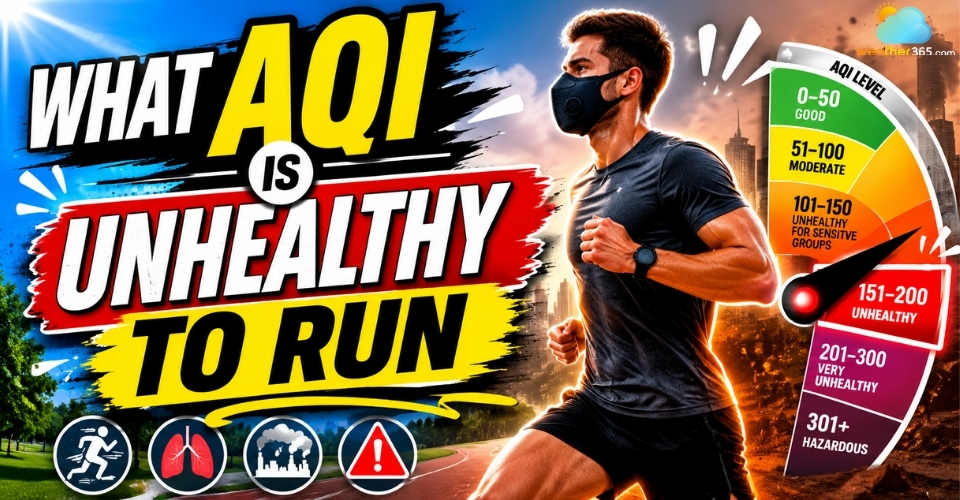
What AQI Is Unhealthy to Run In? Understanding Air Quality Risks
 32
32
 0
0
 4.6
4.6
 14/09/2026
Symptoms of Poor Air Quality and Their Impact on Your Health
31
0
4.6
14/09/2026
Air Quality and Exercise: How Pollution Affects Physical Activity
11
0
4.9
17/09/2026

0 Comment
Leave a comment
Your email address will not be published. Required fields are marked *