




Symptoms of Poor Air Quality and Their Impact on Your Health


Common symptoms of poor air quality include coughing, headaches, wheezing, fatigue, and shortness of breath. Whether caused by outdoor pollution, wildfire smoke, or indoor contaminants, poor air quality can trigger a wide range of health problems. Recognizing the warning signs early can help you reduce exposure and protect your health.
Common symptoms of air pollution
- Symptoms of poor air quality
- Symptoms of Poor Air Quality Due to Smoke
- Signs of poor air quality
- How poor air quality affects human health
- Respiratory Health Effects
- Heart Disease and Air Quality
- Effects on Overall Health
- Take steps to protect your health
- Monitor Air Quality Daily
- Limit Outdoor Exposure
- Understand Air Quality and Exercise
- Improve Indoor Air Quality
- Wear a Mask When Needed
- Reduce Pollution at Home
Symptoms of poor air quality
Air pollution can affect people differently depending on age, health status, and the level of exposure. Some symptoms appear immediately, while others develop after repeated exposure.
Common symptoms of breathing poor air quality include:
Dry or irritated eyes
Runny or stuffy nose
Sore throat
Skin irritation
Headaches
Fatigue or unusual tiredness
Coughing and sneezing
Shortness of breath
Dizziness
Nausea
Sinus congestion
Worsening allergy symptoms
Increased asthma attacks
If you notice these symptoms, especially when indoors, they may be related to poor air quality in your home or workplace.
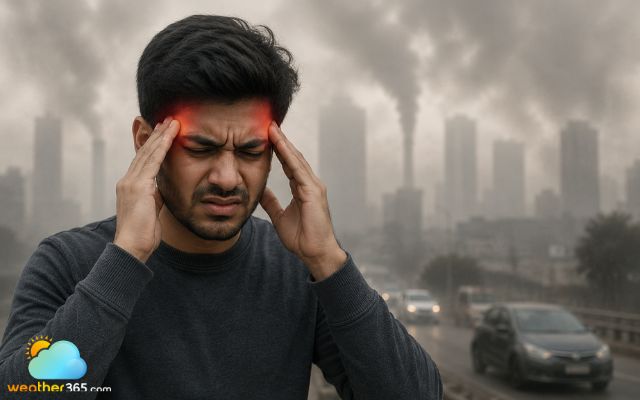
People often experience headaches when breathing poor air quality for a long time
Symptoms of Poor Air Quality Due to Smoke
Smoke from wildfires, wood-burning stoves, or other fires can worsen symptoms.
Common symptoms of poor air quality due to smoke include:
Burning or watery eyes
Scratchy throat
Increased coughing
Wheezing
Trouble breathing deeply
Chest pain or tightness
During wildfire seasons, cities like San Francisco and Portland have seen AQI levels above 200, leading to widespread reports of these symptoms.
If you reside in wildfire-prone areas, be sure to check the San Francisco live weather updates before stepping outside.
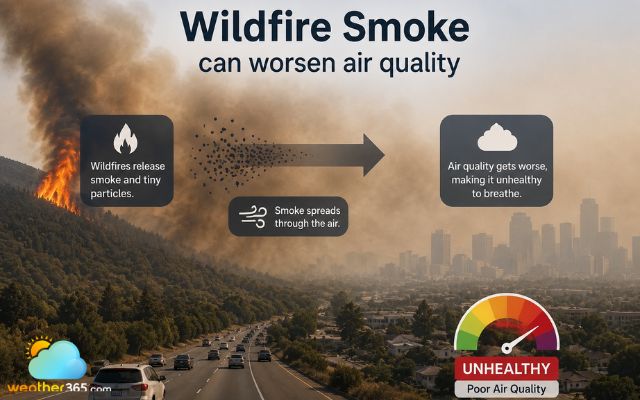
Wildfire smoke can worse air quality
If you think your symptoms are related to your home or work environment, talk to your doctor or local health department.
You may also consult a board-certified allergist or occupational medicine specialist for personal and environmental testing.
Signs of poor air quality
In addition to tracking symptoms, you can spot poor air quality by looking at your environment and daily life.
In general, the following signs of poor air quality are often linked to exposure:
Unusual, foul, or noticeable odors
Stale, musty, or stuffy air
A distinguishable lack of air movement
Damaged flue pipes and chimneys
Unvented combustion air sources (gas heaters, furnaces, charcoal grills, gas ranges, kerosene heaters, wood stoves)
Excessive moisture and humidity
Water-damaged walls, ceilings, and carpets
Active molds and mildew
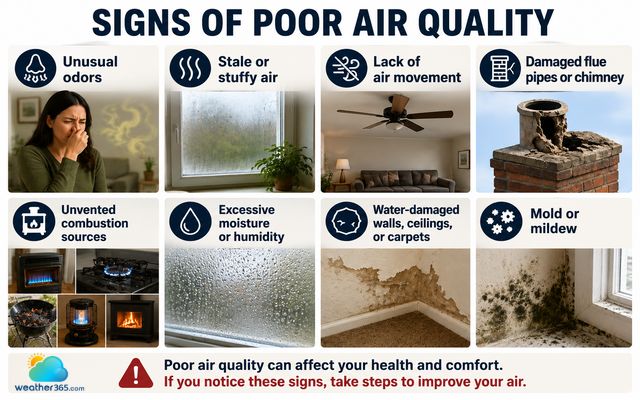
Signs of poor air quality
Best way to detect indoor odors:
Step outside for a few minutes, then re-enter your home. If you notice odors right away, poor air quality may be present.
Signs of Inadequate Ventilation
Look for these signs as an indication of poor ventilation:
Moisture condensation on windows or walls
Dirty central heating and air cooling equipment
Deferred HVAC maintenance
Moldy books, footwear, cupboards, or other items
If too little outdoor air enters an indoor space, pollutants can build up to levels that cause health, safety, and comfort problems.
How poor air quality affects human health
Poor air quality can affect nearly every system in the body, especially the respiratory and cardiovascular systems.
Exposure to pollutants such as fine particulate matter (PM2.5), ground-level ozone, nitrogen dioxide, and wildfire smoke can lead to both short-term discomfort and long-term health problems.
Respiratory Health Effects
The lungs are particularly vulnerable to air pollution because harmful particles and gases are inhaled directly into the respiratory system.
Short-term exposure may cause:
Coughing and sneezing
Irritated airways
Chest tightness
Shortness of breath
Increased asthma symptoms
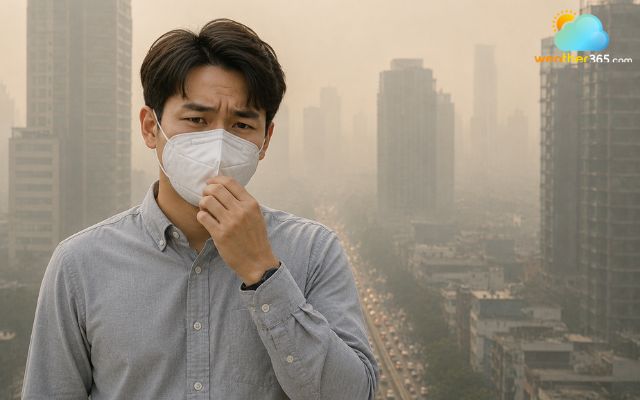
Poor air quality reduces respiratory health
Children, older adults, and people with asthma or chronic obstructive pulmonary disease (COPD) are often the most affected.
During high-pollution days, emergency room visits for respiratory problems frequently increase.
Long-term exposure can contribute to:
Chronic bronchitis
Reduced lung function
More frequent respiratory infections
Increased risk of chronic lung disease
Heart Disease and Air Quality
The relationship between heart disease and air quality is stronger than many people realize.
When pollutants such as PM2.5 are inhaled, these microscopic particles can penetrate deep into the lungs and even enter the bloodstream.
Once inside the body, they may trigger inflammation, damage blood vessels, and place additional strain on the heart and circulatory system.
Over time, repeated exposure to polluted air has been associated with an increased risk of serious cardiovascular conditions, including high blood pressure, irregular heart rhythms, heart attacks, strokes, and worsening heart failure.
Even short-term spikes in air pollution can increase the likelihood of cardiovascular events among vulnerable individuals.
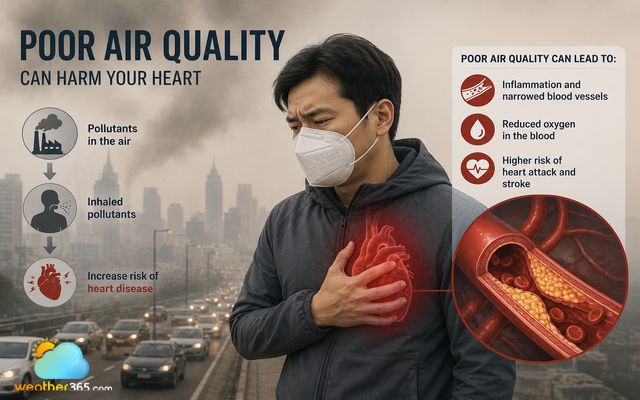
Poor air quality can harm your heart
Health experts consider air pollution one of the leading environmental threats to heart health.
According to the World Health Organization (WHO), air pollution contributes to millions of premature deaths worldwide every year, with a significant portion linked to cardiovascular disease.
Effects on Overall Health
Poor air quality can also affect daily well-being. Many people experience fatigue, dizziness, headaches, or difficulty concentrating during pollution events.
Individuals with allergies may notice worsening symptoms when pollution levels rise.
Over time, repeated exposure to polluted air can increase the risk of serious health conditions and reduce overall quality of life.
Monitoring local air quality reports and taking protective measures during high-pollution days can help reduce exposure and lower health risks.
Local humidity, heat, and wind heavily influence smog levels, so checking your California AQI can help you plan outdoor tasks around cleaner hours.
Take steps to protect your health
Protecting yourself from poor air quality is simple and effective.
Apart from recognizing early symptoms of poor air qualit, you can reduce health risks by monitoring air quality, limiting exposure, and improving indoor air.
These steps help you stay safe during pollution events.
Monitor Air Quality Daily
Check air quality forecasts before planning outdoor activities. Use trusted tools like:
AirNow.gov (EPA)
Weather365.com
IQAir
PurpleAir
These tools show real-time AQI data by city or zip code. They also provide health recommendations for each AQI level.

Check AQI regularly at weather365.com
Limit Outdoor Exposure
When AQI is unhealthy (151+), stay indoors as much as possible.
This is especially important for sensitive groups like children, older adults, and people with lung or heart disease.
Understand Air Quality and Exercise
Exercise increases breathing rate, which pulls more pollutants into your lungs.
For more on air quality and exercise, the American Lung Association recommends:
Avoid outdoor workouts when AQI is above 100
Choose indoor exercise on high-ozone or high-particle days
Reduce intensity if you must exercise outside on moderate days
During the 2020 California wildfire season, many gyms and sports leagues moved activities indoors when AQI exceeded 200.
Before scheduling your daily run, make it a habit to check the New York AQI report to protect your respiratory health.
Improve Indoor Air Quality
Keep your home clean and well-ventilated:
Close windows and doors on bad air days
Use HEPA air purifiers to remove fine particles
Avoid wood-burning stoves and fireplaces
Clean dust and mold regularly
Use low-VOC cleaning products
Wear a Mask When Needed
N95 or KN95 masks can filter harmful particles during severe pollution events. Use them when:
AQI is above 200
Wildfire smoke is nearby
You must outdoor during smog episodes
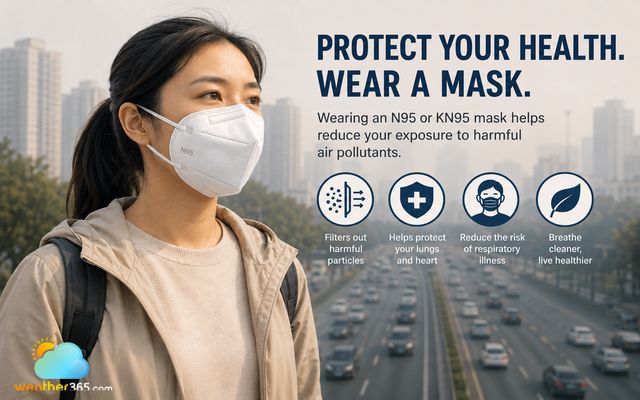
Wearing an N95 or KN95 mask
Reduce Pollution at Home
You can help improve air quality by:
Driving less
Using public transportation
Conserving energy
Avoiding unnecessary burning
Maintaining vehicles properly
Small actions can lead to cleaner air over time.
By monitoring AQI, limiting exposure, and improving indoor air, you can protect your health from poor air quality. These steps reduce risk and help you stay safer during pollution events.
Conclusion
Air pollution can affect your health in many ways, from mild irritation and fatigue to serious respiratory and cardiovascular problems. Recognizing the warning signs early and taking steps to reduce exposure can help protect both your short-term and long-term well-being. Understanding the symptoms of poor air quality is an important step toward making healthier decisions for yourself and your family.
Frequently Asked Questions (FAQs)
Related post
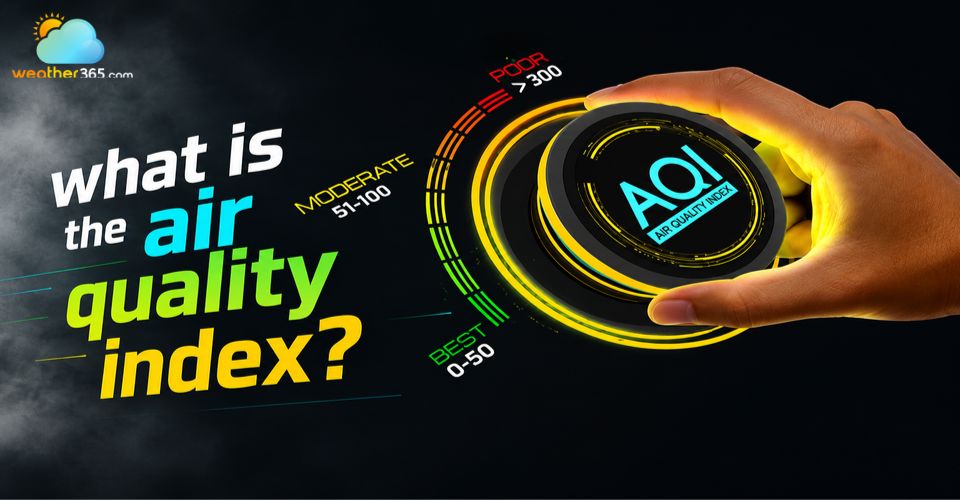
What Is the Air Quality Index? Understanding AQI Levels and Health Risks
 220
220
 8
8
 4.9
4.9
 09/09/2026
What Is an Air Quality Alert? A Complete Guide to AQI Warnings
56
8
4.8
17/09/2026
How is air quality measured? Reduction tips you should know
48
8
4.9
09/09/2026

8 Comment
Stella Fleming
I usually associate poor air quality with coughing or obvious breathing problems, but some symptoms can be much less noticeable at first. That makes checking the AQI more useful than simply waiting until you feel something.
Journee Martin
It’s interesting how quickly the body can react to changes in air quality. Sometimes what feels like an ordinary bad-weather day could actually be related to what’s in the air.
Annabelle Patterson
Why might symptoms become worse during exercise on a day with poor air quality?
weather365
Exercise increases breathing rate and the amount of air inhaled, which can increase exposure to airborne pollutants.
Remington Barnes
Can symptoms from poor air quality appear after spending only a short time outdoors?
weather365
They can. The response depends on the pollutant concentration, duration of exposure, and individual sensitivity, so some people may notice effects sooner than others.
Katherine Meyer
Can poor air quality cause symptoms even if you have no underlying health problems?
weather365
Yes. Exposure to elevated levels of air pollutants can cause temporary irritation or discomfort in otherwise healthy people, especially with prolonged exposure.
Leave a comment
Your email address will not be published. Required fields are marked *