




Air Quality and Exercise: How Pollution Affects Physical Activity


Air quality and exercise are closely connected, yet many people overlook this relationship during their daily workouts. Studies show that polluted air can affect breathing, endurance, and overall health. Diving in to learn how air quality impacts outdoor activity and what you can do to protect yourself.
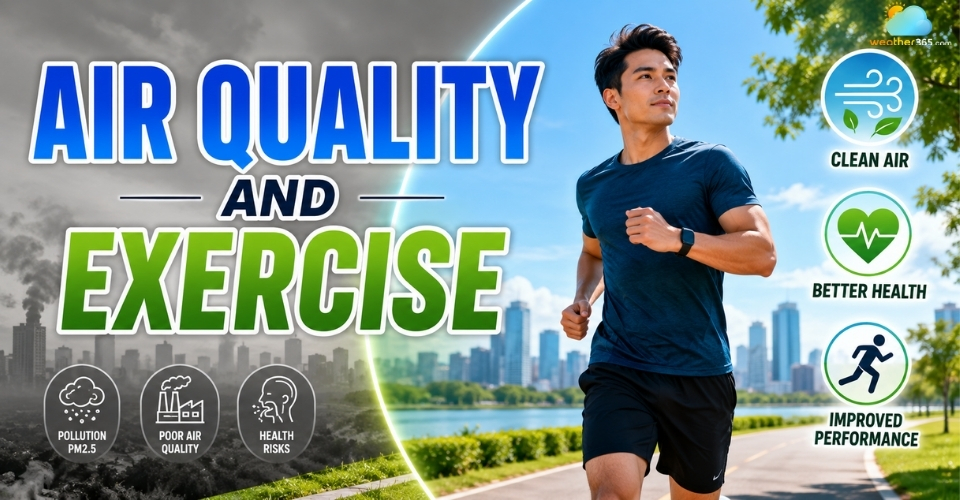
Air quality and exercise
Why should you consider the air quality level?
Because air quality can directly affect your health, exercise performance, and daily activities, even when the effects aren't immediately noticeable.
According to the American Lung Association, air pollution can harm people of all ages, increasing the risk of respiratory and cardiovascular problems.
Monitoring air quality levels allows you to reduce exposure and make healthier decisions throughout the day.
Protect Vulnerable Groups
Some people are more sensitive to air pollution than others.
Children, older adults, pregnant women, and individuals with asthma, COPD, heart disease, or diabetes face a greater risk of health complications when pollution levels rise.
In fact, the American Lung Association reports that millions of people belong to these higher-risk groups, making air quality awareness especially important for protecting long-term health.
Minimizing Health Symptoms
Poor air quality can trigger symptoms within hours of exposure. Common effects include coughing, wheezing, throat irritation, chest discomfort, and shortness of breath.
Fine particles such as PM2.5 are particularly concerning because they are so small that they can bypass the body's natural defenses and penetrate deep into the lungs.
Research also links air pollution to an increased risk of respiratory infections and asthma attacks.
Optimizing Outdoor Activities
Checking the Air Quality Index (AQI) before spending time outdoors can help you choose safer times for exercise, sports, or recreational activities.
The AQI categorizes pollution levels on a scale from 0 to 500, with values above 100 considered unhealthy for sensitive groups.
During periods of elevated pollution, adjusting your workout schedule or reducing exercise intensity can help limit the amount of pollutants inhaled.
Home and Travel Planning
Air quality information isn't just useful for workouts. It can also help you decide when to open windows, use air purifiers, or plan outdoor events.
This becomes increasingly important as air pollution remains a widespread issue.
According to the American Lung Association's 2026 State of the Air report, more than 150 million Americans live in areas with unhealthy levels of air pollution, highlighting why checking air quality forecasts should be as routine as checking the weather.
If you are heading out or traveling along the West Coast, remember to check Los Angeles air conditions to plan your outdoor itinerary safely.
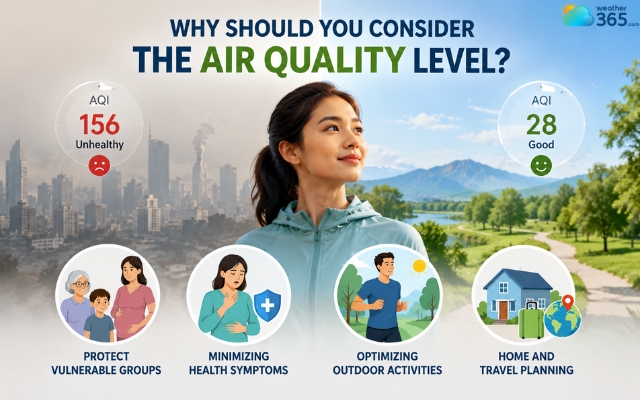
Air quality can directly affect your health
How does air pollution affect the lungs?
Air pollution affects the lungs by irritating the airways, reducing lung function, and increasing the risk of both short-term and long-term respiratory diseases.
Because we breathe thousands of times each day, pollutants can continuously enter the respiratory system and gradually damage lung tissues over time.
Short-Term Effects
Even brief exposure to polluted air can trigger noticeable respiratory symptoms, especially during outdoor activities or exercise.
Airway irritation, causing you to cough or wheeze
When pollutants such as ozone, nitrogen dioxide, and fine particulate matter (PM2.5) enter the airways, they can cause inflammation and irritation.
As a result, you may experience coughing, wheezing, or a scratchy throat.
These symptoms are often more noticeable on days with poor air quality.
Shortness of breath and chest tightness
Air pollution can make it harder for the lungs to deliver oxygen efficiently.
Some people may feel breathless more quickly than usual or experience chest tightness, especially when exercising or performing strenuous activities.
Worsened symptoms for those with existing conditions like asthma
People living with asthma or other chronic lung conditions are particularly vulnerable.
Polluted air can trigger asthma attacks, increase the need for medication, and make existing symptoms more severe.
According to respiratory health experts, air pollution is one of the most common environmental triggers for asthma flare-ups.
Increased susceptibility to respiratory infections
The lungs have natural defense mechanisms that help remove harmful particles and germs.
However, air pollution can weaken these defenses, making it easier for viruses and bacteria to cause infections such as bronchitis or pneumonia.
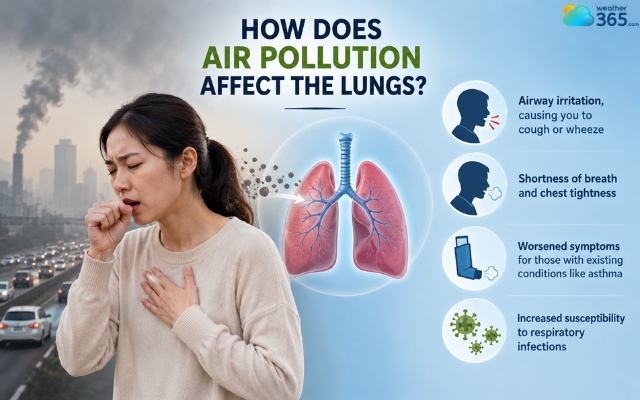
Exposure to polluted air can trigger noticeable respiratory symptoms
Long-Term Effects
Repeated exposure to polluted air over months or years can have lasting consequences for respiratory health.
Decreased lung function
Research has shown that long-term exposure to air pollution can reduce how well the lungs work.
In children, it may affect normal lung development, while in adults it can gradually decrease lung capacity and endurance.
Chronic obstructive pulmonary disease (COPD)
Continuous exposure to airborne pollutants can contribute to chronic inflammation in the lungs, increasing the risk of COPD.
This condition causes persistent breathing difficulties and can significantly affect quality of life.
Asthma development
Air pollution doesn't just worsen existing asthma, it may also increase the likelihood of developing the condition.
Studies suggest that long-term exposure to traffic-related pollution and fine particles is associated with higher asthma rates, particularly among children.
Lung cancer
Some air pollutants contain carcinogenic substances that can damage cells in the respiratory system.
The World Health Organization has classified outdoor air pollution and particulate matter as cancer-causing agents, linking long-term exposure to an increased risk of lung cancer, even among non-smokers.
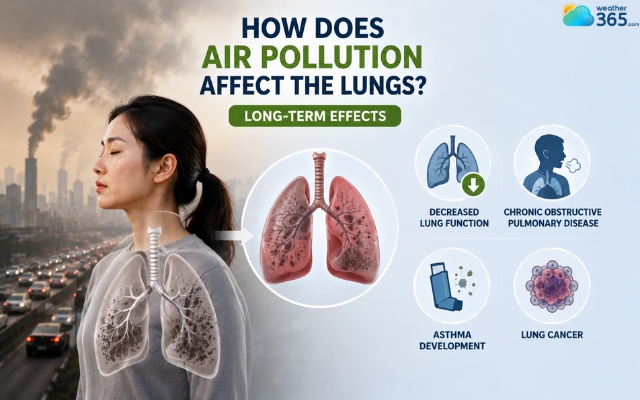
Long exposure to polluted air leads to serious health problems
Air pollution risks while exercising
Air pollution can increase health risks during exercise because you breathe faster and deeper, allowing more pollutants to enter your body.
In fact, ventilation can increase by up to 10–20 times during vigorous activity, significantly raising your exposure compared to when you're resting.
Health Risks
Respiratory irritation
During exercise, pollutants such as ozone and fine particles can reach deeper into the airways.
This may cause coughing, throat irritation, wheezing, or breathing discomfort, especially when air quality is poor.
Cardiovascular strain
Air pollution can also affect the heart and blood vessels.
The World Health Organization estimates that air pollution contributes to approximately 6.7 million premature deaths globally each year, many of them linked to cardiovascular diseases.
When combined with physical exertion, polluted air may place additional stress on the cardiovascular system.
Reduced performance
Even healthy individuals may notice reduced endurance and increased fatigue when exercising in polluted environments.
Because pollutants can interfere with oxygen delivery and utilization, workouts may feel harder and recovery may take longer.
Get the latest Chicago weather updates and AQI alerts to ensure optimal running conditions.
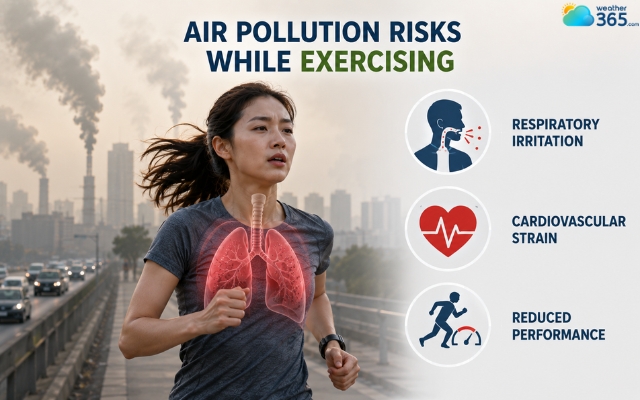
Air pollution exposure can cause health risks
Who Is Most Vulnerable?
Individuals with pre-existing heart or lung disease
People with asthma, COPD, or cardiovascular conditions are often more sensitive to air pollution and may experience symptoms more quickly during outdoor exercise.
Children and adults over the age of 65
Children's lungs are still developing, while older adults may have reduced respiratory and cardiovascular function. Both groups are more vulnerable to the effects of polluted air.
Pregnant women and individuals with diabetes or obesity
These individuals may face a higher risk because air pollution can increase inflammation and place additional stress on the body.
For them, checking air quality before exercising outdoors is particularly important.
The good news is that exercise remains beneficial for overall health.
The key is to adjust your workout location or schedule when pollution levels are high so you can stay active while reducing unnecessary exposure.
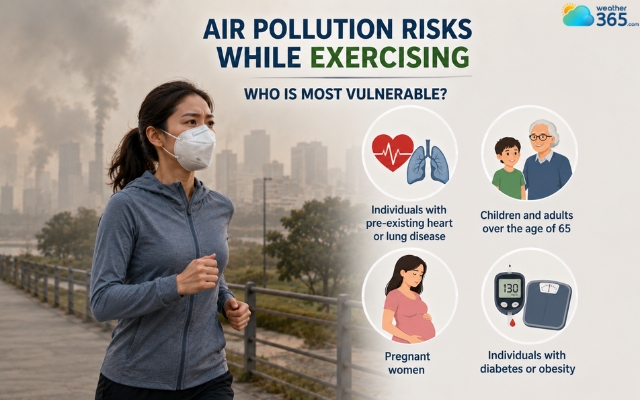
Most vulnerable groups to air pollution exposure
Air quality and exercise: top tips
The best way to exercise safely in polluted environments is to reduce your exposure while staying physically active.
You don't need to skip workouts entirely when air quality isn't perfect, but a few smart adjustments can help protect your lungs and maximize the benefits of exercise.
Check the Air Quality Index (AQI) before exercising
Just as you check the weather forecast, it's a good idea to check the AQI before heading outdoors.
Air quality can change throughout the day, and high pollution levels may increase health risks during exercise.
If the AQI is elevated, look up what AQI is unhealthy to run or consider modifying your workout plans.
Choose the right time and location
Pollution levels are often highest near busy roads and during peak traffic hours.
Whenever possible, exercise in parks, green spaces, or residential areas away from heavy traffic.
Early mornings may also offer cleaner air in many locations, though local conditions can vary.
Adjust exercise intensity when air quality is poor
On days with moderate to poor air quality, reducing the intensity or duration of your workout can help limit the amount of pollutants you inhale.
A brisk walk or light jog may be a safer option than a high-intensity training session.
Move workouts indoors when necessary
If pollution levels become unhealthy, exercising indoors may be the better choice.
Gyms, fitness studios, or home workouts can help you maintain your routine while minimizing exposure to outdoor pollutants.
Pay attention to your body
If you experience unusual symptoms such as persistent coughing, wheezing, chest discomfort, or shortness of breath during exercise, stop and move to a cleaner environment.
These may be signs that air quality is affecting your body more than expected.
Be extra cautious if you’re in a high-risk group
People with asthma, heart disease, COPD, diabetes, as well as children, older adults, and pregnant women should take additional precautions when air pollution levels rise.
For these groups, checking air quality before outdoor exercise is especially important.
Ultimately, regular exercise remains one of the most effective ways to support long-term health.
By combining physical activity with good air quality awareness, you can enjoy the benefits of exercise while reducing unnecessary health risks.
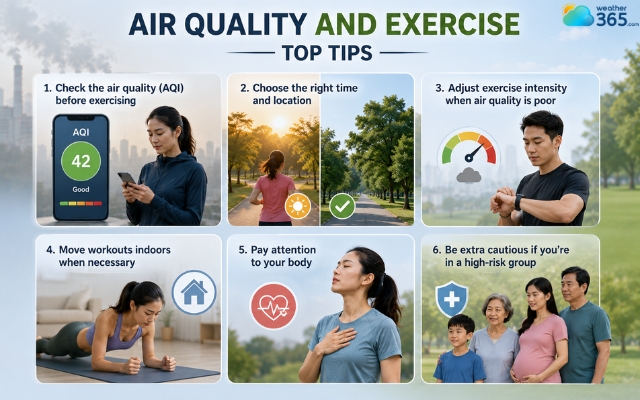
Reduce exposure to air pollution
In conclusion
Air quality and exercise are closely linked, influencing everything from workout performance to long-term health. By checking air quality levels, choosing the right time and place to exercise, and taking extra precautions on high-pollution days, you can stay active while reducing unnecessary risks to your lungs and heart.
Frequently Asked Questions (FAQs)
Related post
Symptoms of Poor Air Quality and Their Impact on Your Health
 29
29
 0
0
 4.6
4.6
 14/09/2026

0 Comment
Leave a comment
Your email address will not be published. Required fields are marked *