




What Is an Air Quality Alert? A Complete Guide to AQI Warnings


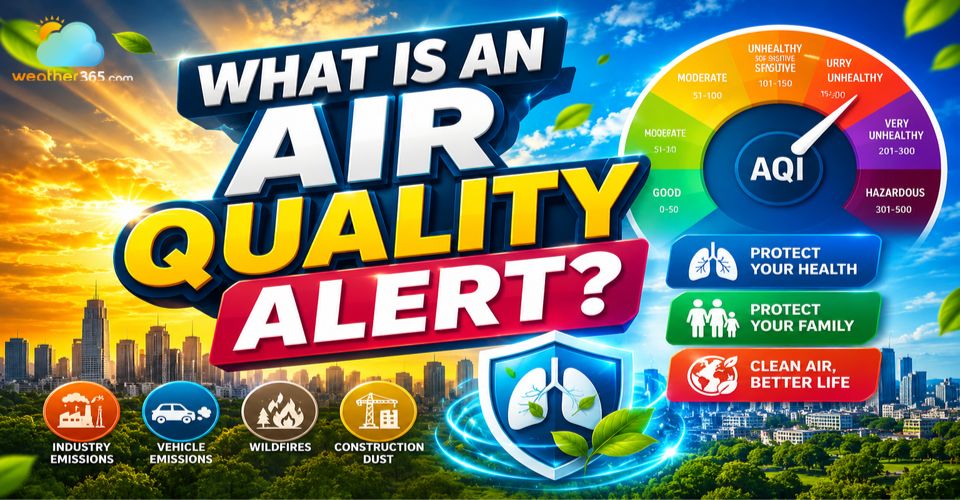
What is an air quality alert? It is a public warning issued when air pollution reaches levels that may harm human health. These alerts help people take precautions and reduce exposure to dangerous pollutants. Knowing how to respond can protect you and your family during poor air quality events.
Understanding air quality alerts
- What is air quality index?
- What is air quality alert?
- Most common causes of air pollution
- Vehicle Emissions
- Industrial Activities
- Wildfires
- Construction and Dust
- Household Sources
- Agricultural Activities
- Weather Conditions
- Health effects of air pollution
- Who Is Most at Risk?
- Short-Term Health Effects
- Long-Term Health Effects
- Tips to protect your health
What is air quality index?
Before understanding air quality alerts, it is important to know what the Air Quality Index (AQI) is.
The Air Quality Index is a tool used to measure and report daily air pollution levels. It shows how clean or polluted the air is and what health effects may occur.
The AQI is commonly based on five major pollutants:
Ground-level ozone
Particulate matter (PM2.5 and PM10)
Carbon monoxide
Sulfur dioxide
Nitrogen dioxide
AQI values typically range from 0 to 500.
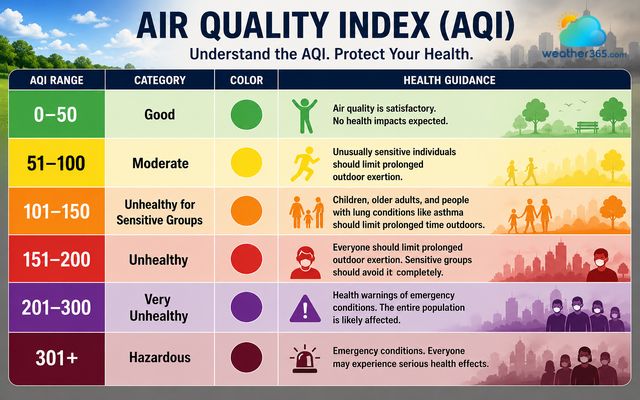
Air Quality Index ( AQI scale)
Government agencies and environmental organizations use AQI data to determine when air quality alerts should be issued.
What is current air quality in Kansas? Check here!
What is air quality alert?
So, what is an air quality alert exactly?
An air quality alert is an official warning issued by government agencies when air pollution reaches unhealthy or hazardous levels.
The purpose is to inform the public about potential health risks and encourage protective actions.
According to Dr. Spahr:
"An orange or red alert means sensitive groups like children, older adults and people with conditions like asthma, allergies or chronic obstructive pulmonary disease will be most affected. But when a purple or maroon air quality alert is issued, that's something everyone should pay attention to."
Air quality alerts often appear through:
Weather apps
Government websites
Local news stations
Mobile notifications
Environmental monitoring services
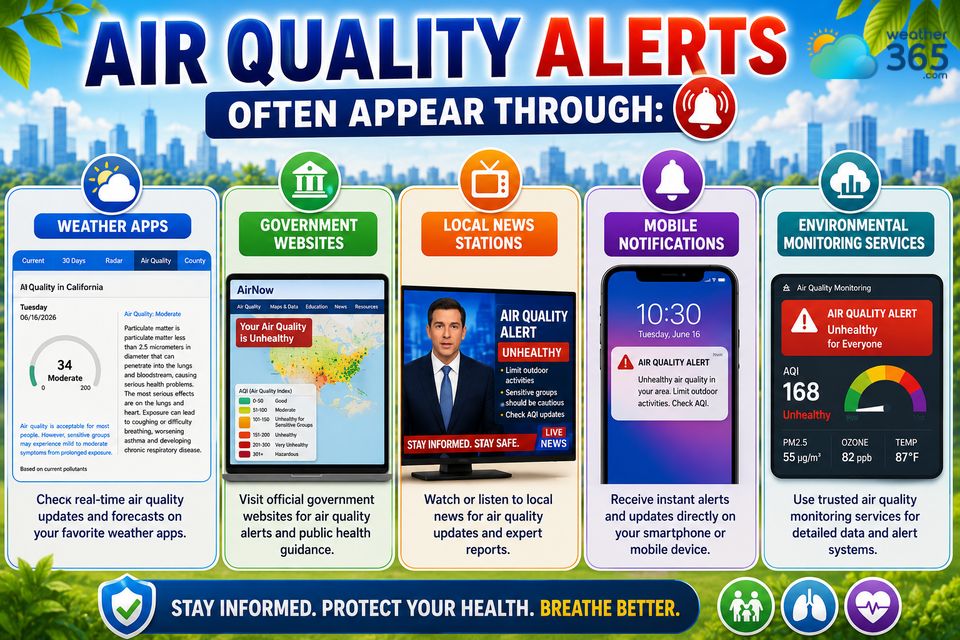
Air quality alerts platforms
In the United States, residents can check current conditions and forecasts through the AirNow monitoring system. Similar services are available in many countries worldwide.
Monitoring local air quality can help people plan outdoor activities and avoid unnecessary exposure during pollution events.
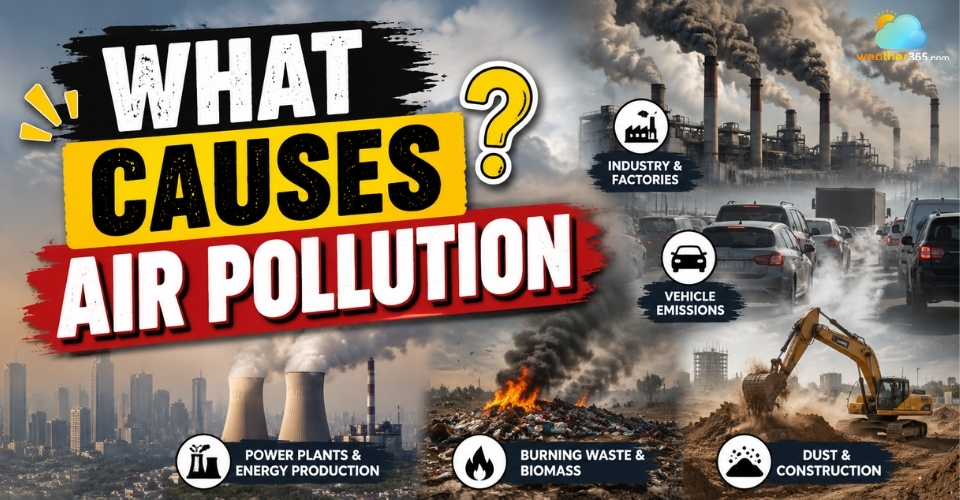
Most common causes of air pollution
Many people wonder what causes air pollution and why alerts are becoming more common.
Air pollution comes from both human activities and natural sources.
Understanding the major sources can help communities reduce emissions and protect public health.
Vehicle Emissions
Cars, trucks, buses, and motorcycles release pollutants such as:
Nitrogen oxides (NOx)
Carbon monoxide (CO)
Fine particulate matter (PM2.5)
Volatile organic compounds (VOCs)
These pollutants contribute to smog formation and ground-level ozone, which can irritate the lungs and worsen respiratory conditions.
In heavily populated urban areas, traffic congestion can significantly increase pollution levels, especially during rush hours.
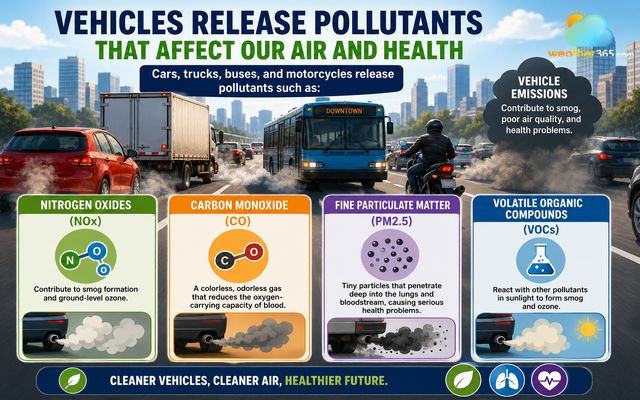
Main pollutants vehicles release
Industrial Activities
Factories, power plants, refineries, and manufacturing facilities are major sources of air pollution.
Many industrial processes burn fossil fuels such as coal, oil, and natural gas to generate energy.
Industrial emissions often include:
Sulfur dioxide (SO₂)
Nitrogen dioxide (NO₂)
Carbon dioxide (CO₂)
Volatile organic compounds (VOCs)
Fine particulate matter
These pollutants can react in the atmosphere to form smog and acid rain.
Industrial pollution is often concentrated near urban and industrial regions, where large populations may be exposed to poor air quality.
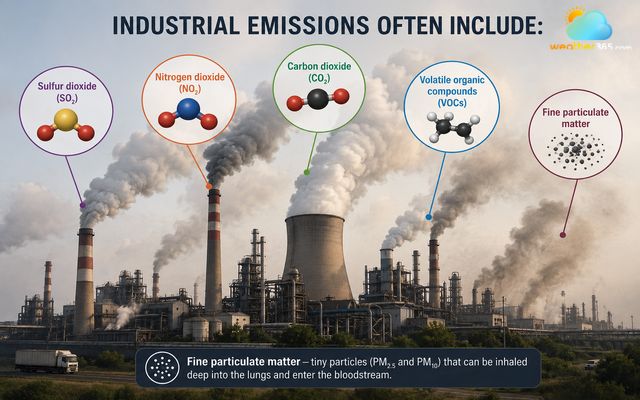
Pollutant emissions from industrial activities
Wildfires
Wildfires have become an increasingly important source of air pollution due to rising temperatures and prolonged droughts in many parts of the world.
Large wildfires release massive amounts of smoke into the atmosphere.
Wildfire smoke contains:
Fine particulate matter (PM2.5)
Carbon monoxide
Nitrogen oxides
Toxic organic compounds
One of the biggest concerns is that smoke can travel long distances.
In some cases, wildfire pollution has affected air quality hundreds or even thousands of miles away from the fire itself.
During major wildfire events, air quality alerts are often issued across entire regions.
For instance, windblown smoke has repeatedly caused the air quality in Seattle to plummet to hazardous levels, turning its normally clean skies into a dense, orange haze.
Don't let wildfire smoke catch you off guard - easily track the live air quality in California before planning your outdoor activities
Construction and Dust
Construction activities can generate significant amounts of airborne dust and particles.
Demolition work, excavation, road construction, and material transportation all contribute to particulate pollution.
Common sources include: Cement dust, soil particles, sand and gravel, vehicle movement on construction site,...
Natural dust storms can also reduce air quality, especially in dry and windy regions.
Strong winds may carry dust into cities and residential areas, creating unhealthy breathing conditions.
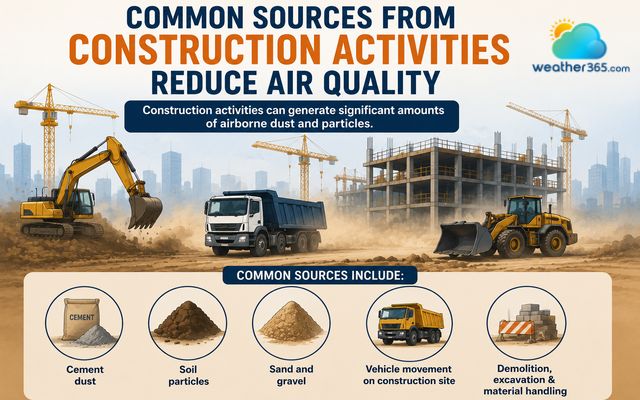
Common sources from construction activities
Household Sources
Many people are surprised to learn that everyday household activities can contribute to air pollution.
Both indoor and outdoor sources can release harmful pollutants.
Examples include:
Wood-burning stoves
Fireplaces
Charcoal grills
Cooking fumes
Paints and solvents
Chemical cleaning products
Aerosol sprays
These sources can release particulate matter and VOCs that affect indoor air quality and contribute to outdoor pollution.
Poor ventilation can make indoor pollution levels even higher than outdoor levels in some homes.
Agricultural Activities
Agriculture is another significant contributor to air pollution.
Farming operations release pollutants through livestock production, fertilizer use, and crop burning.
Key pollutants include:
Ammonia
Methane
Dust particles
Smoke from agricultural fires
Ammonia can combine with other pollutants in the atmosphere to form fine particulate matter, which is harmful to human health.
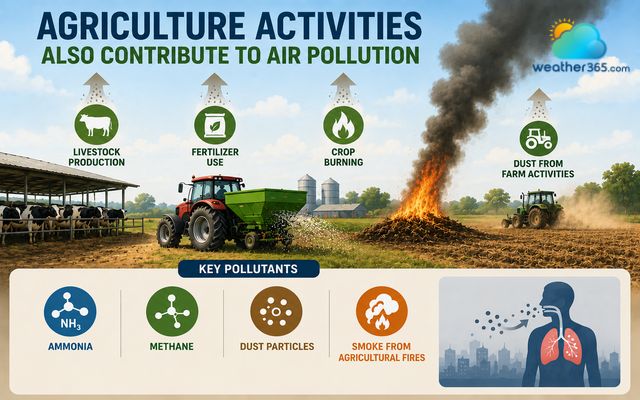
Agricultural activities also contribute to air pollution
Weather Conditions
Weather itself does not create pollution, but it can influence how pollutants accumulate and spread. Certain weather patterns can trap pollution near the ground and increase health risks.
Examples include:
Temperature inversions
Low wind speeds
Extended heat waves
High-pressure systems
During a temperature inversion, a layer of warm air traps cooler air near the surface, preventing pollutants from dispersing.
Heat waves can also accelerate the formation of ground-level ozone, one of the most common pollutants associated with summer air quality alerts.
A prime example of this is how extreme summer heat waves consistently degrade the air quality in Sedgwick, pushing ozone levels well into the unhealthy warning threshold.
As cities grow, traffic increases, and climate conditions become more extreme, these pollution sources can combine to create unhealthy air.
This is one reason why air quality alerts have become more common in many regions around the world.
Health effects of air pollution
Air pollution affects millions of people every year.
According to the World Health Organization, air pollution contributes to millions of premature deaths globally and is linked to numerous respiratory and cardiovascular diseases.
Who Is Most at Risk?
Some groups are more vulnerable to poor air quality than others.
High-risk groups include:
Children
Older adults
Pregnant women
People with asthma
People with chronic obstructive pulmonary disease (COPD)
Individuals with heart disease
Outdoor workers
Athletes who exercise outdoors
These individuals may experience symptoms even when pollution levels are only moderately elevated.
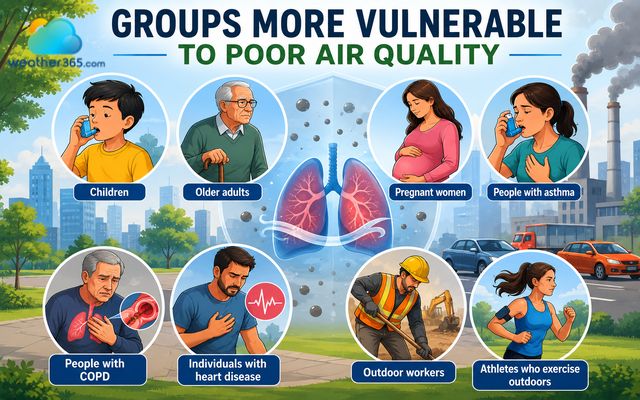
Groups are more vulnerable to poor air quality
Short-Term Health Effects
Short-term exposure to polluted air can cause immediate symptoms.
Common effects include:
Eye irritation
Nose irritation
Throat irritation
Coughing
Wheezing
Shortness of breath
Headaches
Fatigue
People with asthma may notice increased attacks during air quality alerts.
Even healthy individuals can experience discomfort during periods of very poor air quality.
Long-Term Health Effects
Long-term exposure to air pollution can lead to more serious health problems.
Potential impacts include:
Chronic respiratory disease
Reduced lung function
Heart disease
Stroke
Lung cancer
Increased risk of premature death
Research has shown that prolonged exposure to fine particulate matter (PM2.5) can significantly increase the risk of cardiovascular complications.
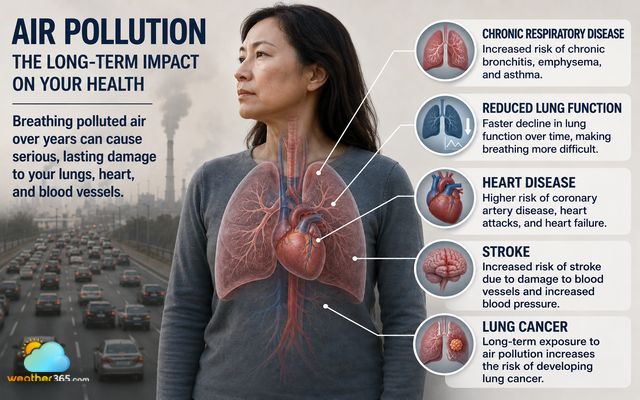
Long term health effect of air pollution
Tips to protect your health
When an air quality alert is issued, taking simple precautions can significantly reduce your exposure to harmful pollutants.
Here are some practical steps you can take:
Check the Air Quality Index (AQI) daily at weather365.com. If AQI levels reach the "Unhealthy" range (151 or higher), consider limiting outdoor activities, especially strenuous exercise.
Stay indoors when pollution levels are high. Keep windows and doors closed to prevent outdoor pollutants from entering your home.
Use an air purifier. A HEPA air purifier can help remove fine particulate matter (PM2.5), one of the most harmful air pollutants.
Wear a high-quality mask. N95 or KN95 masks can filter many harmful particles during wildfire smoke events or severe pollution episodes.
Avoid outdoor exercise during alerts. Running or cycling outdoors increases the amount of polluted air you breathe into your lungs.
Reduce indoor pollution sources. Avoid smoking indoors, limit the use of candles, and ensure proper ventilation when cooking.
Stay hydrated and maintain a healthy diet. Drinking enough water and eating antioxidant-rich foods such as berries, leafy greens, and citrus fruits may help support your body's natural defenses against pollution-related stress.
In addition to protecting yourself, you can also contribute to cleaner air by driving less, using public transportation, conserving energy, and supporting environmentally friendly practices.
These actions not only help improve personal health but also play a role in how to reduce air pollution in your community over the long term.
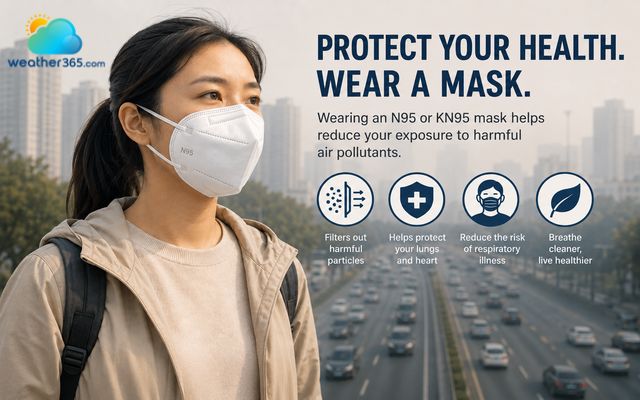
Wearing N95 or KN95 mask to protect your health
Bottom line
Air quality alerts are important warnings that help people respond before pollution causes serious health problems. By checking AQI levels and following simple safety steps, you can lower your exposure and protect your family’s health. Knowing what is an air quality alert makes it easier to stay prepared and make safer choices when air pollution rises.
Frequently Asked Questions (FAQs)
Related post
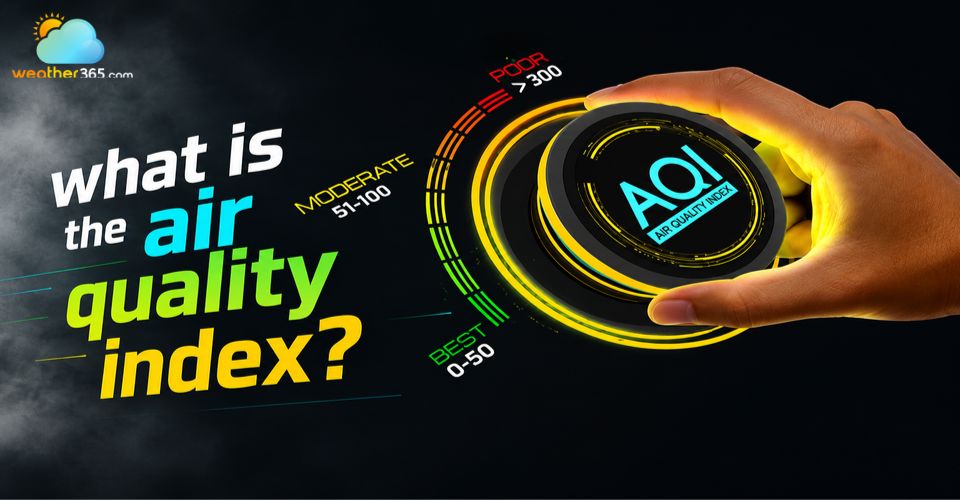
What Is the Air Quality Index? Understanding AQI Levels and Health Risks
 219
219
 8
8
 4.9
4.9
 09/09/2026
What is ground level ozone? Understanding ozone pollution and your health
185
8
4.8
17/09/2026
What Causes Air Pollution? Major Emission Sources You Should Know
65
8
5.0
08/09/2026

8 Comment
Aaron King
An air quality alert is a good reminder that outdoor conditions aren’t only about rain, wind, or temperature. Sometimes the biggest concern is something we can’t see at all.
Charlie Thomas
I’ve definitely checked the forecast before going for a walk but never thought to check the air quality at the same time. This makes that extra step seem pretty worthwhile.
Erick Hoffman
Does everyone need to take the same precautions during an air quality alert?
weather365
Not necessarily. The appropriate precautions can depend on the pollution level and individual sensitivity, with some people being more vulnerable to poor air quality.
Carter Taylor
Why might an air quality alert last for several hours or even days?
weather365
If pollutants continue to accumulate or atmospheric conditions prevent them from dispersing, unhealthy air can persist until conditions improve.
Dominic Ruiz
Can an air quality alert be issued even when the weather looks clear and sunny?
weather365
Yes. Air pollution can reach unhealthy levels under clear skies, especially when pollutants accumulate because of weather and atmospheric conditions.
Leave a comment
Your email address will not be published. Required fields are marked *