




How To Measure Wind Speed: Step-by-Step Guide for Accurate Measurement


How to measure wind speed accurately is essential for understanding weather conditions and ensuring safety in many outdoor activities. But what tools actually measure it, and how reliable are they? In this guide, you’ll discover the most common methods, instruments, and practical tips for measuring wind speed correctly.
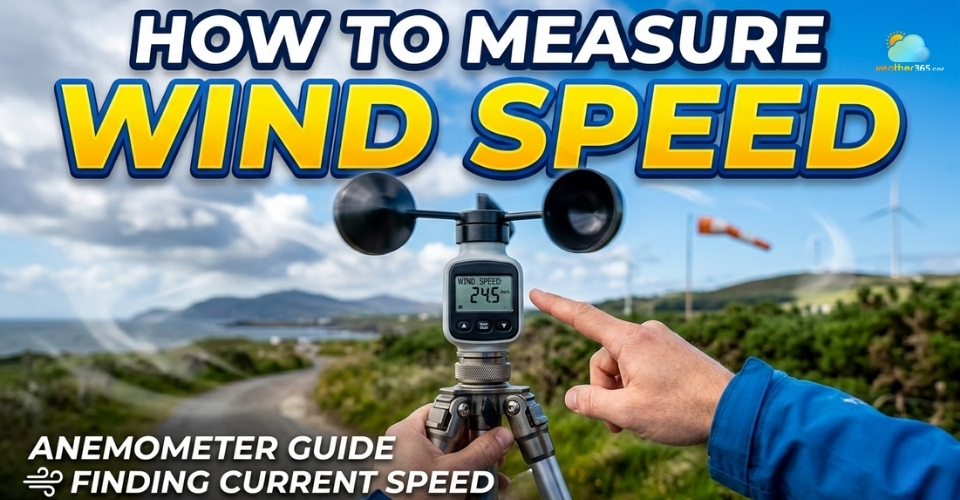
Learn how to measure wind speed
- What is Wind Speed?
- Why Wind Speed Matters?
- Aviation
- Firefighting
- Construction & crane operations
- Maritime & boating
- Athletics & outdoor events
- Drone Operation
- Factors Affecting Wind Speed
- Pressure Gradient Force (PGF)
- Frictional Force
- Coriolis Force
- Altitude
- Temperature Variations
- Local and Regional Conditions
- How to Measure Wind Speed: Different Tools and Methods
- Anemometer
- Weather Station
- Handheld Wind Meters
- Pressure Tube/Pitot Tube
- Laser Doppler Anemometer
- Common Units to Measure Wind Speed
What is Wind Speed?
Wind speed is how fast air flows across the Earth's surface in a horizontal direction through the atmosphere.
It is typically measured at a standard height of 10 meters above ground level to ensure consistency in meteorological observations.
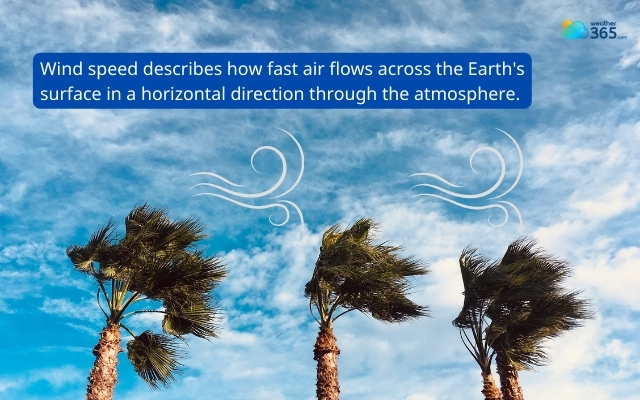
Wind speed indicates how fast the wind is moving
Wind speed is an important atmospheric parameter because it influences weather systems, climate patterns, and many human activities.
Before learning how to measure wind speed, it’s important to understand that wind has two main terms:
Wind speed: describes how fast the air is moving.
Wind direction: indicates the direction from which the wind originates or blows toward a location.
For example, a wind reported as 15 mph from the north means the wind is blowing from north to south at 15 mph.
Learn more about how to read wind direction here!
Why Wind Speed Matters?
Wind speed affects aviation, firefighting, construction, boating, outdoor events, and drone operation.
Even small changes in wind conditions can influence how equipment operates, how people move, and how risks are managed in outdoor environments.
To interpret these changes more easily, many meteorologists use the Beaufort Wind Scale, which links wind speed with visible effects in nature.
Because wind directly affects the movement of air, objects, and even fire or water, monitoring wind speed helps professionals make informed decisions and reduce potential hazards.
Aviation
Wind speed is a key factor in aircraft safety and flight performance. Pilots rely on accurate wind data when planning takeoffs, landings, and flight routes.
Strong winds, especially crosswinds, can make it difficult for an aircraft to stay aligned with the runway during landing.
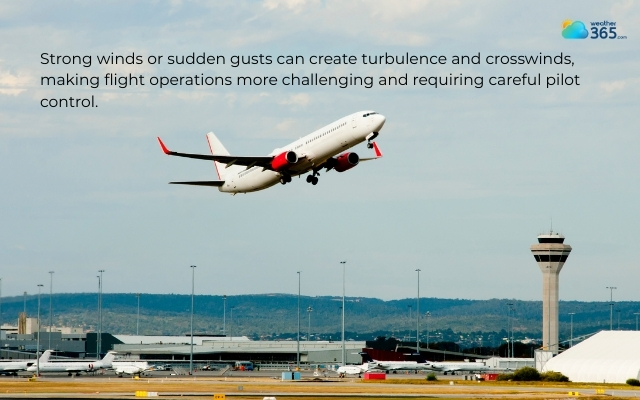
Wind speed affects aviation by influencing aircraft takeoff, landing, and stability
Firefighting
Wind speed strongly influences how quickly a fire spreads and how unpredictable it becomes.
Strong winds can push flames across vegetation or structures, carrying burning embers long distances and igniting new fires.
For firefighters, monitoring wind speed helps determine safe strategies, evacuation zones, and the best way to position crews and equipment.
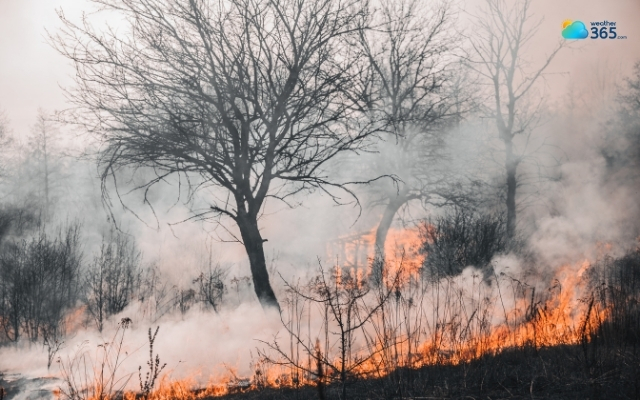
Strong winds can worsen the fire
Construction & crane operations
On construction sites, wind speed affects worker safety and equipment stability, especially when cranes or large materials are involved.
Because of these risks, many construction companies establish wind speed limits for crane operations.
If the wind exceeds these limits, lifting operations must stop until conditions become safe again.

Strong winds can cause cranes and loads to sway
Maritime & boating
Wind speed is one of the most important factors in navigation and vessel safety.
In sailing, wind provides the primary propulsion for the boat, while in other vessels, it influences wave height and overall sea conditions.
Stronger winds can generate rough seas, making navigation more difficult and potentially dangerous for smaller boats.

Wind speed directly affects boat speed
Athletics & outdoor events
In many sports and outdoor competitions, wind speed can directly affect performance, fairness, and safety.
For example, strong headwinds can slow runners and cyclists, while tailwinds can improve performance times.
Certain sports, such as archery, sailing, and golf, are particularly sensitive to wind conditions because airflow can alter the trajectory of projectiles or equipment.
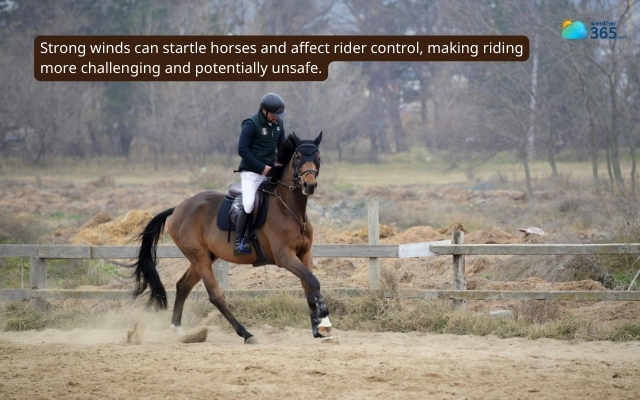
Horse riding can be affected by strong wind speed
Drone Operation
Wind speed is a critical factor for drone stability and flight control.
Small unmanned aerial vehicles are especially vulnerable to strong winds, which can push them off course or cause them to lose balance in the air.
High wind speeds can also increase battery consumption because the drone must use more power to maintain its position.
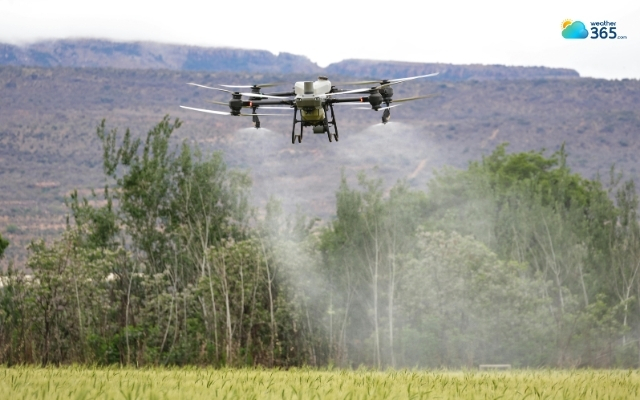
High wind speeds can reduce drone stability
Factors Affecting Wind Speed
Factors affecting wind speed include pressure gradient force, frictional force, Coriolis force, altitude, temperature variations, and local conditions.
Meteorologists often analyze these factors to understand why winds become stronger in some places and weaker in others.
Pressure Gradient Force (PGF)
The pressure gradient force is the main force that causes wind to form and move.
It forms when there is a difference in atmospheric pressure between two areas, causing air to move from regions of higher pressure toward regions of lower pressure.
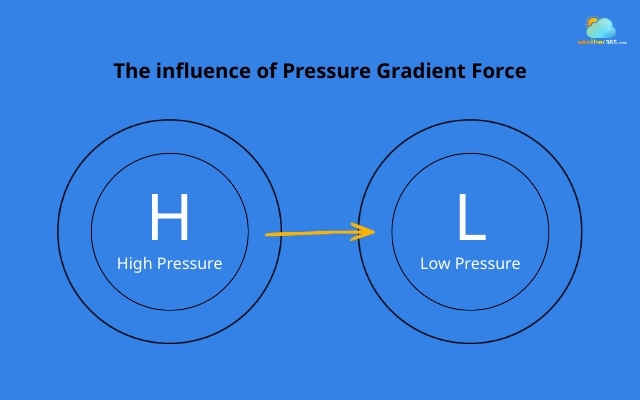
Wind blows from high pressure areas to low pressure areas
Air naturally moves from areas of high pressure toward areas of low pressure, creating wind.
The strength of this force depends on how quickly pressure changes over distance.
When pressure differences are large, the pressure gradient becomes stronger, and the wind speed increases.
Frictional Force
Surface friction slows down the wind near the ground.
As moving air passes over buildings, trees, mountains, and other obstacles, resistance is created that reduces wind speed.
Friction mainly affects the lowest layer of the atmosphere, typically within the first one to three kilometers above the Earth’s surface.
Because of this, wind speeds are generally slower near the ground but increase at higher elevations where friction is weaker.
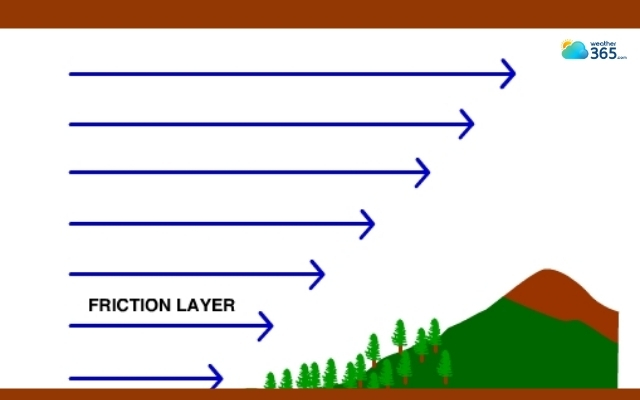
Surface friction slows down the wind near the ground
Coriolis Force
The Coriolis force is caused by the Earth’s rotation, which influences the direction of moving air and other objects across the planet.
As air begins to move due to pressure differences, Earth’s rotation causes that motion to be deflected from its original path.
In the Northern Hemisphere, moving air tends to curve to the right of its path, while in the Southern Hemisphere it bends toward the left.
This effect becomes stronger as wind speed increases and as you move toward higher latitudes away from the equator.
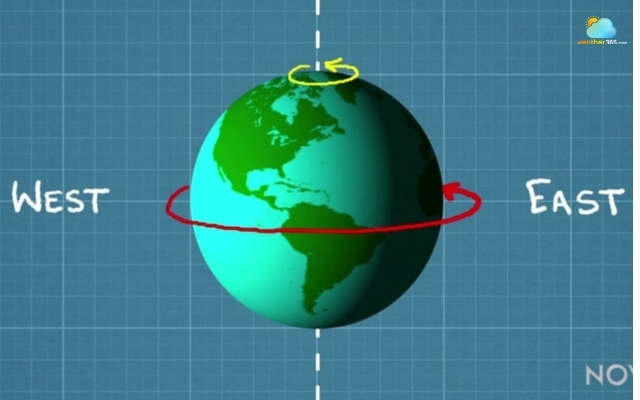
The Coriolis force is an inertial force caused by the Earth's rotation
Altitude
Wind speed often increases with altitude.
Near the Earth’s surface, friction slows the wind, but as you move higher into the atmosphere, the effect of friction becomes weaker and air can move more freely.
This is why strong winds are commonly found in the upper atmosphere, such as jet streams that flow several kilometers above the ground.
These high-altitude winds can move at extremely high speeds because there are fewer obstacles and less surface drag.
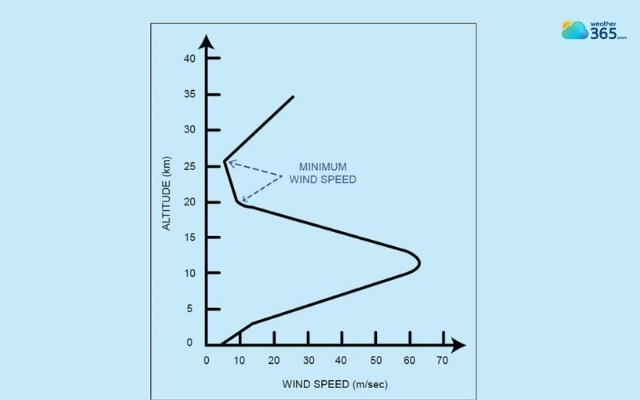
Relationship between altitude and wind speed by chart
Temperature Variations
Temperature differences across the Earth’s surface can significantly affect wind speed.
When one area becomes warmer than another, the air there expands and becomes less dense, creating lower pressure.
Cooler areas, on the other hand, often have higher pressure.
These pressure differences generate wind as air flows from high-pressure regions to low-pressure regions. Larger temperature contrasts can produce stronger winds.
A common example is the sea breeze, where cooler air from the ocean moves toward warmer land during the daytime, creating noticeable coastal winds.
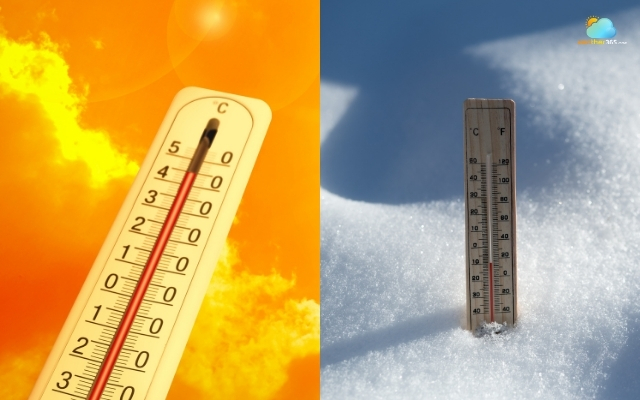
Substantial temperature differences across areas can result in strong winds
Local and Regional Conditions
Local geography and environmental conditions can also influence wind speed. Features such as mountains, valleys, coastlines, and urban areas change how air flows through a region.
For example:
Mountains can block or redirect wind, sometimes creating strong downslope winds.
Valleys may channel wind, causing it to accelerate like air through a tunnel.
Urban areas with tall buildings can slow wind or create turbulent air currents.
Because of these local effects, wind speed measured in one location may be very different from nearby areas even under the same weather system.

Wind speed in one location may be very different from nearby areas
How to Measure Wind Speed: Different Tools and Methods
Measuring wind speed can use several tools like anemometers, weather stations, handheld wind meters, pressure tubes, and laser Doppler anemometers.
Anemometer
The anemometer is the most widely used instrument for measuring wind speed in meteorology and environmental monitoring.
The device works by converting the movement of air into a measurable signal, which can then be displayed as wind speed in units such as meters per second or miles per hour.
There are several types of anemometers, each designed for different situations:
Cup anemometers use three or four cups attached to rotating arms. When the wind blows, the cups spin, and the rotation speed is converted into wind speed.
Vane anemometers combine a small propeller with a tail vane, allowing them to measure both wind speed and wind direction.
Hot-wire anemometers detect wind speed by measuring how airflow cools a heated wire. The faster the air moves, the more heat it removes from the wire.
Ultrasonic anemometers use sound waves to measure how long it takes signals to travel between sensors. Changes in travel time reveal wind speed and direction.
Tip: For accurate results, anemometers are usually installed about 10 meters above ground level in open areas, away from buildings or trees that could disturb airflow.
Anemometers measure velocity at standard ten-meter heights, crucial for Chicago Illinois windy weather.
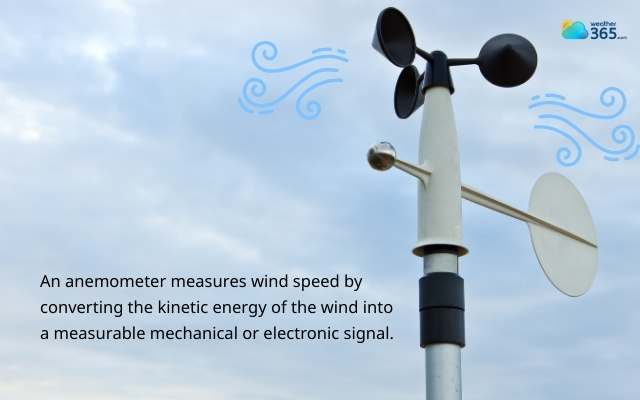
The anemometer is the most widely used instrument for measuring wind
Weather Station
A weather station is a complete monitoring system that measures several atmospheric conditions at once, including wind speed, wind direction, temperature, humidity, and air pressure.
In most weather stations, wind speed is measured using a cup or ultrasonic anemometer mounted on a mast. The sensor continuously records wind data and sends it to a digital display or data system for analysis.
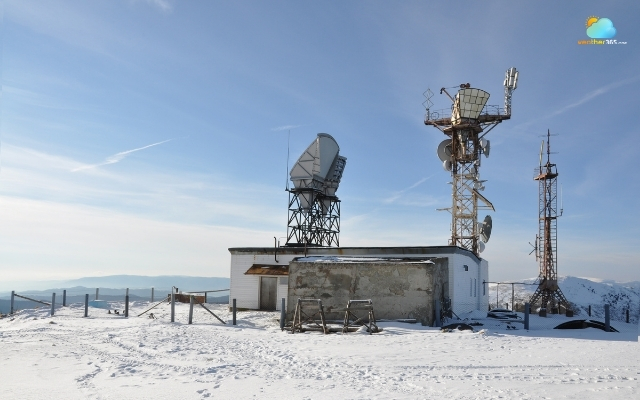
Weather station can measures several atmospheric conditions at once
Weather stations are widely used in meteorology, agriculture, environmental research, and climate monitoring.
One advantage of weather stations is that they provide continuous and long-term wind observations, which help meteorologists analyze weather patterns and detect changes over time.
These systems are often installed at standardized heights to ensure consistent measurements.
For the most reliable readings, meteorological organizations recommend installing wind sensors in open terrain with minimal obstacles so airflow is not blocked or redirected.
Handheld Wind Meters
Handheld wind meters are portable devices designed for quick and convenient wind measurements.
These tools usually contain a small rotating fan or turbine that spins when exposed to airflow. The device then converts this rotation into a wind speed reading on a digital display.
They are commonly used in situations where mobility is important, such as:
sailing and boating
drone flying
HVAC system testing
outdoor sports and field work
One advantage of handheld meters is that the user can direct the sensor toward the wind, making it easier to measure even light breezes.
Because they are portable and easy to operate, handheld wind meters are popular for field measurements and recreational activities.
Tip: Always hold the device directly facing the wind and keep it steady for several seconds to get a stable reading.
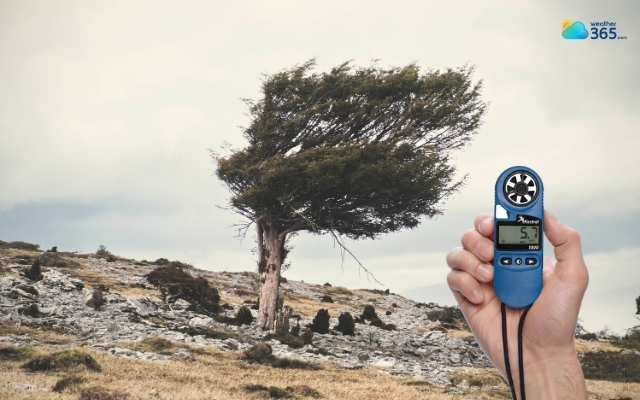
Handheld wind meters use a vane or miniature cups to capture the wind
Pressure Tube/Pitot Tube
The Pitot tube, also known as a pressure tube, measures wind speed using a completely different principle: air pressure differences.
Instead of relying on rotating parts, this device measures how air pressure changes when wind flows into a tube.
The front opening of the tube faces directly into the airflow and captures what is known as stagnation pressure.
Another port measures the surrounding static air pressure. By comparing these two pressures, the system calculates the wind velocity using fluid dynamics equations.
Pitot tubes are widely used in:
Aircraft airspeed systems
Wind tunnels and aerodynamic testing
Meteorological research equipment
Because they can measure very high airflow speeds, Pitot tubes are especially useful in aviation and engineering applications where precise airflow measurements are required.
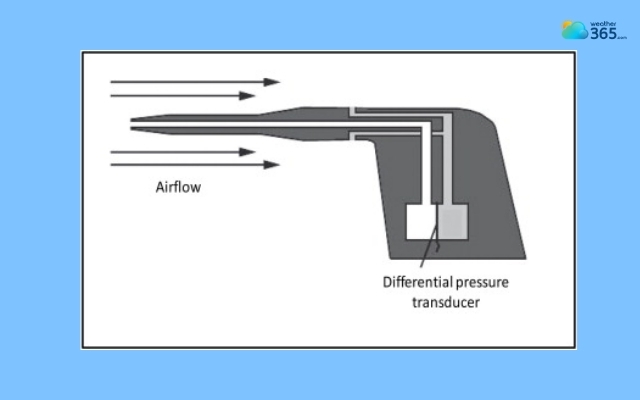
The Pitot tube measures wind by air pressure differences
Laser Doppler Anemometer
A Laser Doppler Anemometer (LDA) is a highly advanced instrument used in scientific research and aerodynamics.
Instead of relying on moving parts, it measures wind speed using laser beams and the Doppler effect.
In this method, a laser beam is directed into the airflow. Tiny particles moving with the air scatter the light back toward a detector. When these particles move, the frequency of the reflected light changes slightly.
By analyzing this frequency shift, known as the Doppler shift, the system can determine the velocity of the airflow.
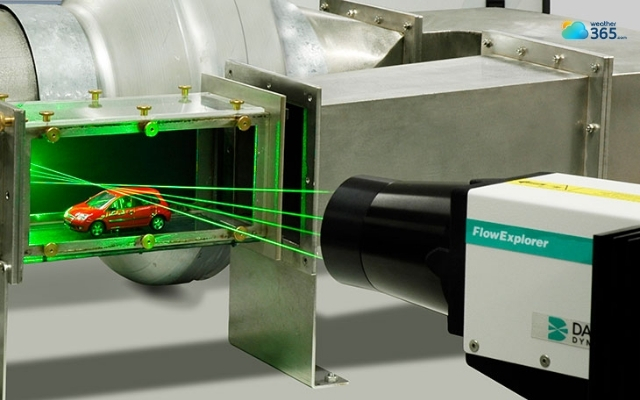
Laser doppler anemometer is often used in scientific research
It’s clear that measuring wind speed can involve anything from simple handheld tools to highly sophisticated laser systems.
However, if you simply want to know the wind conditions around you, just check Weather365!
There, you can check real-time wind speed instantly, which provides fast and reliable wind data based on meteorological observations and forecasting models.
Common Units to Measure Wind Speed
Common units to measure wind speed include miles per Hour, kilometers per hour, meters per second, and knots.
Weather reports, aviation systems, and maritime navigation often use different measurement standards, but they all describe the same thing: how fast air is moving through the atmosphere.
The four most commonly used wind speed units are:
Miles per Hour (mph): Miles per hour (mph) is one of the most familiar wind speed units, particularly in the United States and in many English-language weather reports. This unit measures how many miles air travels in one hour.
Kilometers per Hour (km/h): Kilometers per hour (km/h) is the metric equivalent of mph and is widely used in many countries around the world. It measures how many kilometers air moves in one hour.
Meters per Second (m/s): Meters per second (m/s) is the standard scientific unit for speed in the International System of Units (SI). It represents how many meters air travels in one second.
Knots (Used in Aviation and Maritime): A knot is a unit of speed equal to one nautical mile per hour, and it is widely used in aviation, maritime navigation, and meteorology.
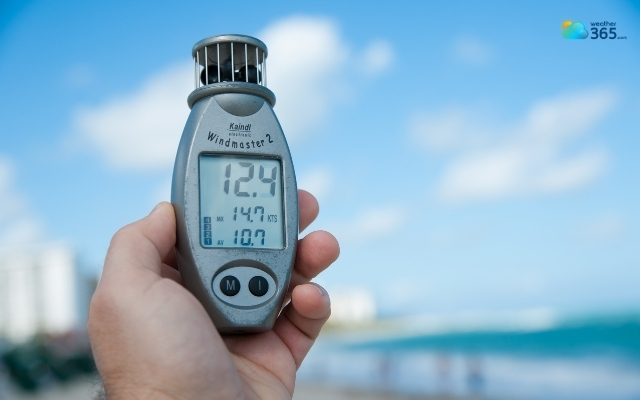
Wind speed can be expressed using several different units
Final Thought
Understanding how to measure wind speed is essential for weather monitoring, safety planning, and many professional applications. With tools ranging from simple handheld meters to advanced ultrasonic sensors, accurate wind measurement is now more accessible than ever.
Frequently Asked Questions (FAQs)
Related post
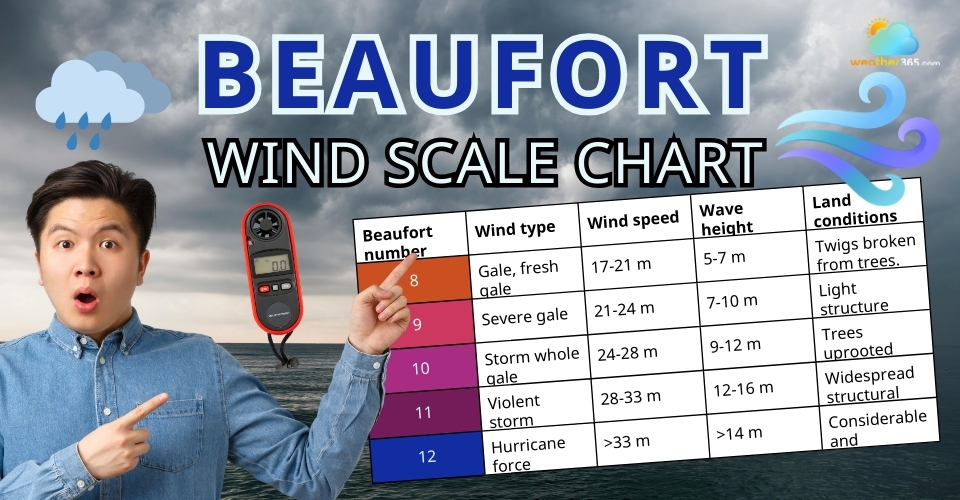
Beaufort Wind Scale Chart: Discover Wind Speed Levels and How To Read Them
 2028
2028
 8
8
 4.9
4.9
 18/08/2026

Types Of Wind: Understanding Different Wind Classifications
1642
8
4.8
18/08/2026
Wind Speed And Direction Explained: What Are They And How Are They Measured?
1619
8
5.0
18/08/2026

8 Comment
Journee Martin
Is wind speed measured the same way everywhere?
weather365
The basic measurement is the same, although wind speed can be reported in different units such as mph, km/h, knots, or m/s.
Annabelle Patterson
Why does the height of the measuring device matter?
weather365
Wind can be affected by buildings, trees, and other obstacles, so the measurement height and location can make a difference.
Remington Barnes
Can wind speed be measured without an anemometer?
weather365
Yes, there are other estimation methods, but an anemometer is a better choice when you need an actual measurement.
Katherine Meyer
What is the most common tool for measuring wind speed?
weather365
An anemometer is the standard tool, and it can give a much more accurate reading than simply estimating by how strong the wind feels.
Leave a comment
Your email address will not be published. Required fields are marked *