



How To Read Wind Direction? Step-by-Step Guide for Accurate Wind Understanding


If you’ve wondered how to read wind direction and what those symbols really mean, you’re not alone. Understanding wind direction helps you interpret weather forecasts, sailing conditions, aviation reports, and even everyday weather changes. In this guide, you’ll learn how to read wind direction accurately, with the most common tools, and places where you can see the wind direction.
Learn how to read wind direction
- What Is The Wind Direction?
- Tools for Reading Wind Direction
- Weather Vane
- Windsock
- Anemometer with Wind Vane
- Ultrasonic Wind Sensors
- Digital Weather Stations
- How To Read Wind Direction: Key Methods
- How to Read Wind Direction Arrows
- How to Read Wind Direction Symbols
- Where Can You See Wind Direction?
- Weather Apps and Online Forecasts
- Weather website
- Weather Maps and Forecast Charts
- Aviation Weather Reports
- Outdoor Instruments and Weather Stations
What Is The Wind Direction?
Wind direction describes the direction from which the wind is coming.
In weather reports, winds are always named based on their source location, not the direction they are traveling toward.
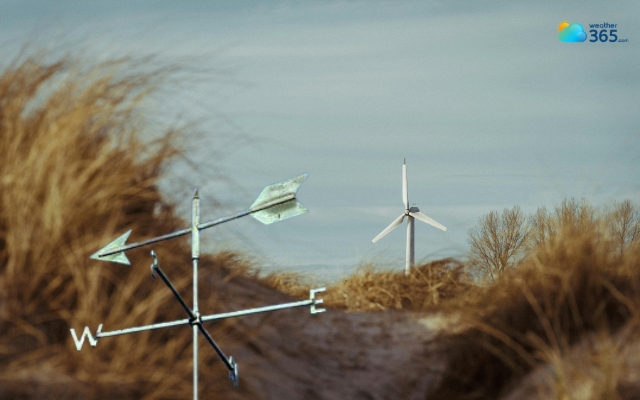
Wind direction shows from which direction the wind is coming
For example, a north wind (N) refers to air flowing from the north toward the south, while an east wind (E) travels from the east toward the west.
This naming convention may feel counterintuitive at first, but it is the international standard used in meteorology and weather forecasting.
Tools for Reading Wind Direction
To measure wind direction, meteorologists use a variety of instruments to detect where the wind is coming from and how it moves across the atmosphere:
Weather vane
Windsock
Anemometer with wind vane
Ultrasonic wind sensors
Digital weather stations
These instruments work together to provide accurate wind data used in weather forecasts and climate monitoring.
Weather Vane
A weather vane, also known as a wind vane, is one of the oldest and simplest instruments used to determine wind direction.
A weather vane usually consists of:
A rotating arrow or pointer
Direction markers (N, E, S, W)
A vertical rod that allows the arrow to spin freely
When air flows across the vane, the wider tail section catches the wind and pushes the arrow into position.
At the same time, it pushes the arrow so that the tip points toward the direction the wind is coming from.
For instance, when the arrow points toward the north, it indicates that the wind originates from that direction.
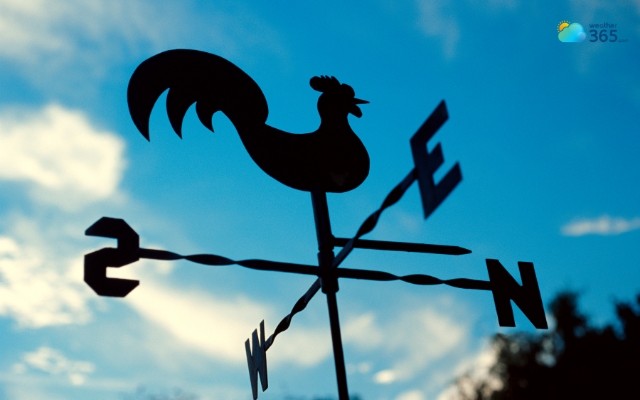
A weather vane is the simplest instrument used for wind direction
Windsock
A windsock is another visual tool used to identify wind direction. It is most commonly seen at airports, helipads, and airfields.
A windsock is basically a fabric tube attached to a pole.
When wind flows into the open end, the tube inflates and extends in the direction the wind is blowing.
This makes it easy to see both the wind direction and the wind strength at a glance.
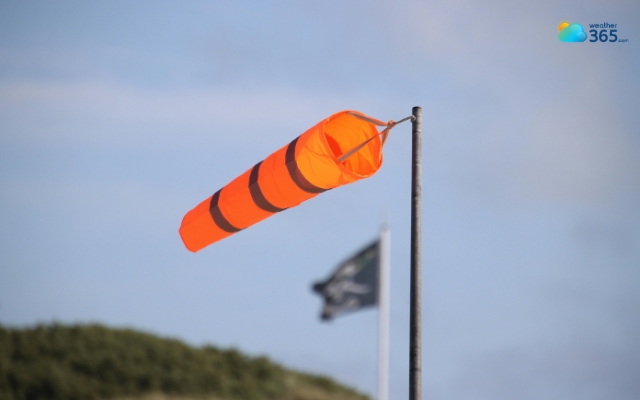
A windsock indicates wind direction and relative wind speed
Anemometer with Wind Vane
Most professional weather stations measure wind using a combination of two instruments: Anemometer for measuring wind speed, and a wind vane for measuring wind direction.
A common design is the cup anemometer, which has three or four cups mounted on rotating arms.
As the wind pushes the cups, they spin faster depending on the wind speed.
At the same time, the attached wind vane rotates to show the wind’s origin direction.
This combined setup is widely used by meteorological services, research weather stations, and home weather monitoring systems.
Because the sensors continuously rotate with the airflow, they can measure wind direction quite accurately.
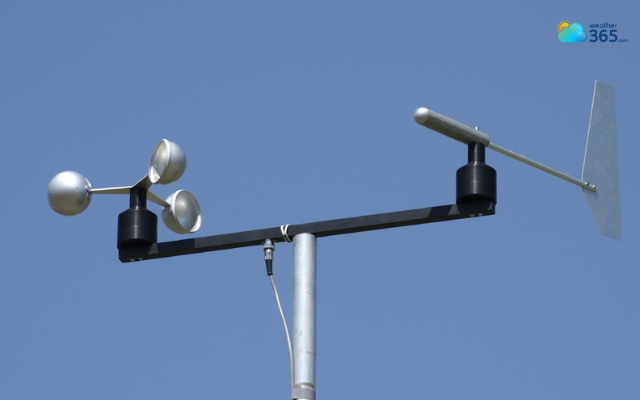
Anemometer with wind vane is usually used by meteorological services
Ultrasonic Wind Sensors
Modern weather monitoring systems sometimes use ultrasonic wind sensors, also called sonic anemometers.
Unlike traditional instruments, these devices have no moving parts.
Instead, they measure wind by sending ultrasonic sound pulses between sensors.
When wind passes through the device, it slightly changes the travel time of the sound waves.
By analyzing these time differences, the system can calculate both the wind speed and direction.
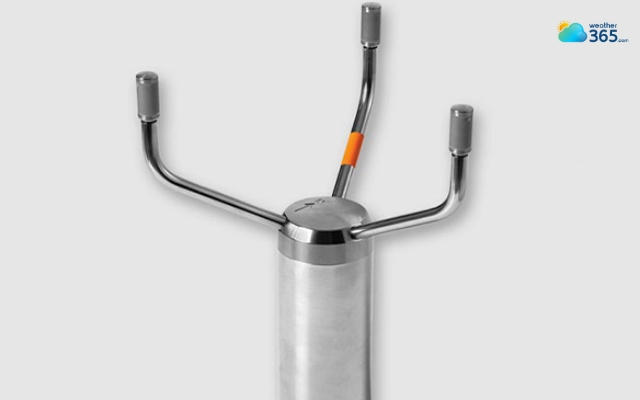
Ultrasonic wind sensors have no moving parts
Digital Weather Stations
Today, many people read the wind direction using digital weather stations or weather apps connected to outdoor sensors.
These systems collect wind data from instruments such as wind vanes, anemometers, and ultrasonic sensors.
On many weather platforms, wind direction may also appear as wind barbs or arrows, which visually represent where the wind originates and where it moves.
Wind direction indicates where the wind is blowing from, a key metric on Texas live wind weather feeds.
Digital systems make it easier for users to monitor wind conditions in real time without needing to interpret mechanical instruments.
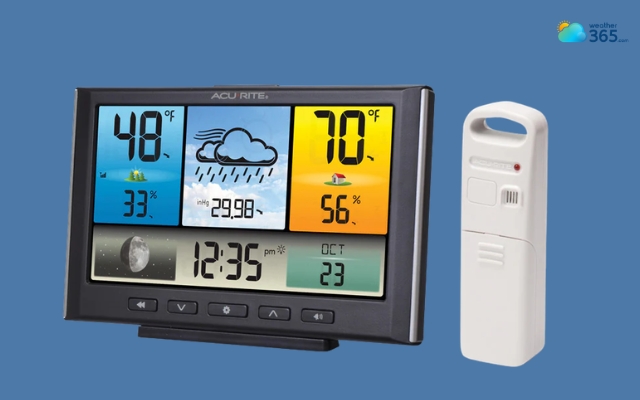
Digital systems make it easier for users to monitor wind conditions
How To Read Wind Direction: Key Methods
Reading wind maps is simple once you understand the two main methods: arrows and wind symbols (wind barbs).
If you're wondering how do you read wind direction on a wind map, arrows show the direction the wind is moving, while wind barbs use a line with feathers to indicate both the wind's direction and its speed.
How to Read Wind Direction Arrows
Wind direction arrows are one of the most common visual indicators on weather maps and forecast apps.
These arrows help people quickly see how air is moving across a region.
When learning how to read wind direction arrows, remember that arrows usually show the direction the wind is moving toward, not where it originates.
To determine the actual wind direction, you need to look at the opposite side of the arrow.
For example:
An arrow pointing east means the wind is moving toward the east, so it comes from the west.
An arrow pointing south means the wind is blowing toward the south, so it comes from the north.
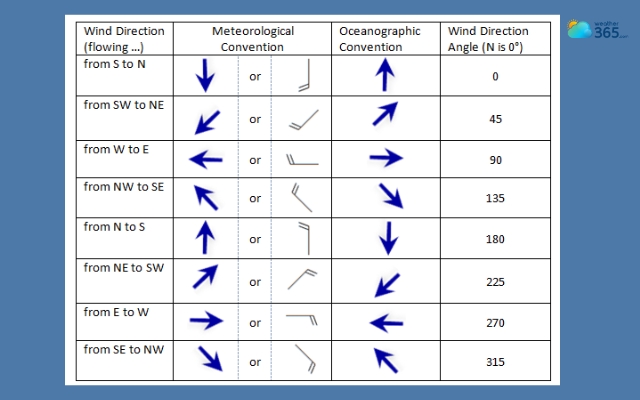
Arrows usually show the direction the wind is moving toward
Easily check wind direction in Los Angeles without reading sophisticated symbols!
How to Read Wind Direction Symbols
Weather maps sometimes use specialized wind direction symbols instead of simple arrows.
These symbols allow meteorologists to display both wind direction and wind speed in a compact format.
One of the most common examples is the wind barb, which is frequently used in professional weather charts.
A wind barb typically includes:
A straight line (shaft) showing the direction the wind is coming from
Small lines or flags (barbs) indicating wind speed
For example, if the shaft extends toward the north, the wind originates from the north.
Or, if the shaft extends toward the southwest, the wind is coming from the southwest.
The smaller lines attached to the shaft represent wind speed, but the orientation of the shaft itself tells you the wind direction.
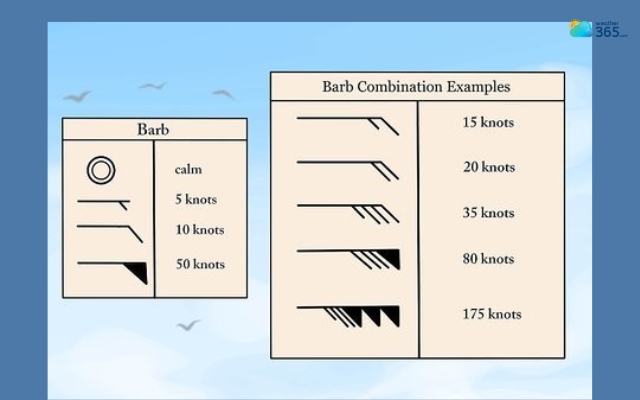
The wind barb is a specialized wind direction symbol
>>> Easily check wind direction in Los Angeles without reading sophisticated symbols! <<<
Where Can You See Wind Direction?
You may wonder Where can I actually find this information?
Today, wind direction data is widely available.
Meteorologists measure it constantly, and many platforms display it in ways that are easy for the public to understand.
You can see wind direction in weather apps, professional forecasts, aviation reports, and even outdoor instruments.
Below are some of the most common places where wind direction is shown.
Weather Apps and Online Forecasts
One of the easiest ways to check wind direction today is through weather apps and online forecasts.
Most modern weather platforms show wind information clearly so users can quickly understand local conditions.
Typically, wind direction may appear in several forms like compass directions, moving arrows showing wind flow, or animated wind maps,...
Some weather platforms also display wind direction through animated particles or lines, which helps users see how air flows across a larger area.

Check weather apps to see wind direction
Weather website
In addition to mobile apps, many people check wind direction on weather websites that provide detailed forecasts and atmospheric data.
One example is Weather365, a website that provides weather information, including wind speed and wind direction for different locations.
By checking a website like Weather365, users can quickly see how wind conditions may change during the day or over the next few days.
This can be useful for planning outdoor activities, travel, or work that depends on weather conditions.
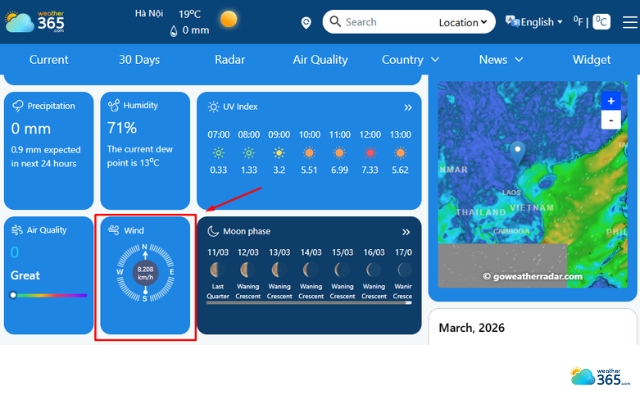
Easily checking the wind direction on the weather website
>>> Checking the wind direction in New York for your daily commute or monitoring! <<<
Weather Maps and Forecast Charts
Meteorologists frequently use weather maps to show atmospheric conditions across large regions.
These maps are designed to display data such as pressure systems, temperature patterns, and wind direction.
On weather maps, wind direction may appear as arrows showing airflow, or wind barbs indicating both direction and speed.
For everyday readers, weather maps help explain why certain weather conditions are developing, such as incoming cold fronts or strong winds.
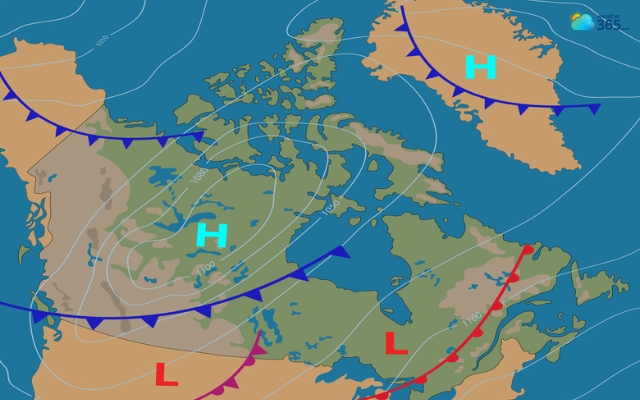
Wind direction can be rapidly tracked on weather maps
Aviation Weather Reports
Wind direction is extremely important in aviation, where aircraft performance depends heavily on wind conditions.
Pilots must know wind direction before takeoff and landing because it affects aircraft stability and runway choice.
Airports publish aviation weather reports including wind direction in degrees, wind speed measurements,...
For example, a report might show:
Wind: 270° at 12 knots
This means the wind is coming from the west (270 degrees) and blowing at a speed of 12 knots.
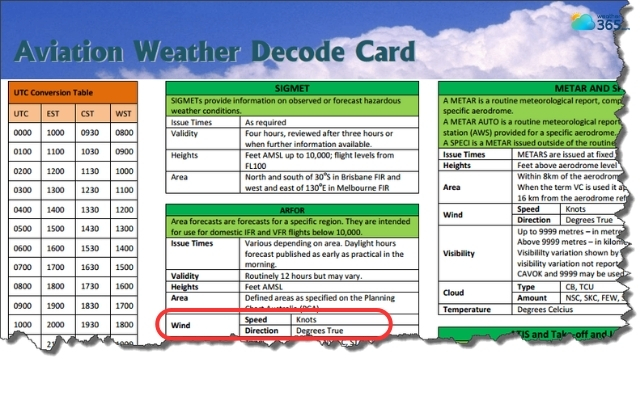
Check the wind direction on the aviation weather report
Outdoor Instruments and Weather Stations
Finally, wind direction can be observed directly using outdoor instruments.
Many homes, farms, and research stations install small weather monitoring systems that track local atmospheric conditions.
Some instruments that are most used are weather vanes, windsocks, digital weather stations,....
For example, a weather vane mounted on a rooftop rotates with the wind and points toward the direction the wind is coming from.
Digital weather stations often display wind direction on screens using compass directions or numerical degrees.
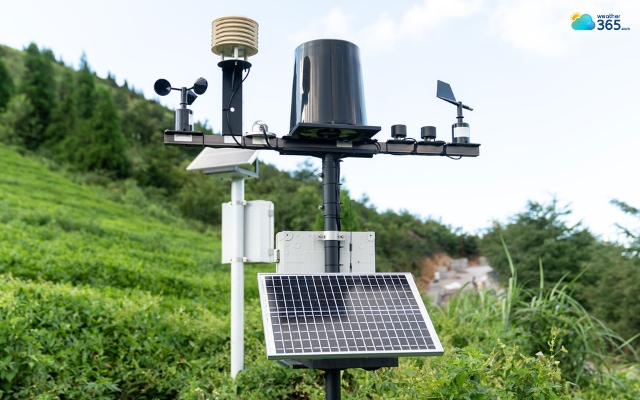
Check the outdoor instrument to see the wind direction
Final Thought
How to read wind direction may seem confusing at first, but once you know the basics, it becomes surprisingly simple. By understanding wind arrows, symbols, and tools like weather vanes or weather websites, you can quickly interpret what the wind is doing. With a bit of practice, reading wind direction will feel natural whenever you check the forecast.
Frequently Asked Questions (FAQs)
Related post
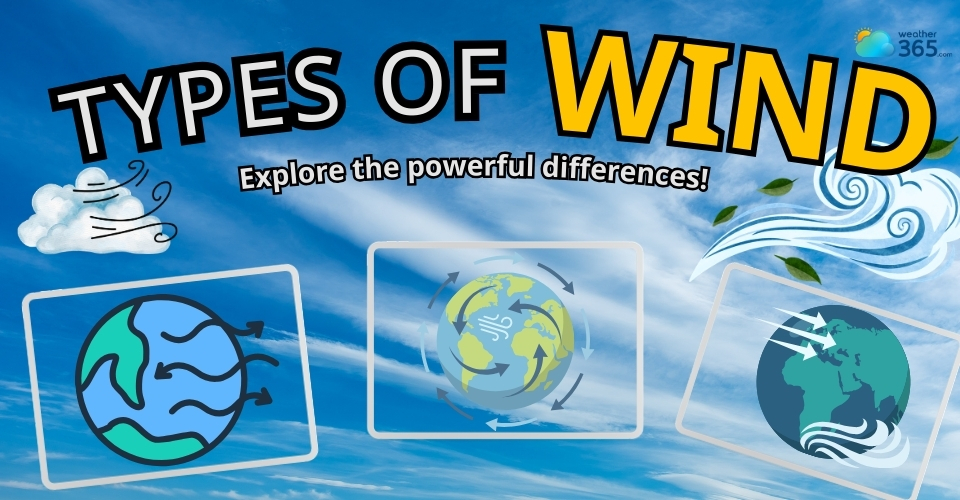
Types Of Wind: Understanding Different Wind Classifications
 1508
1508
 0
0
 4.8
4.8
 17/08/2026
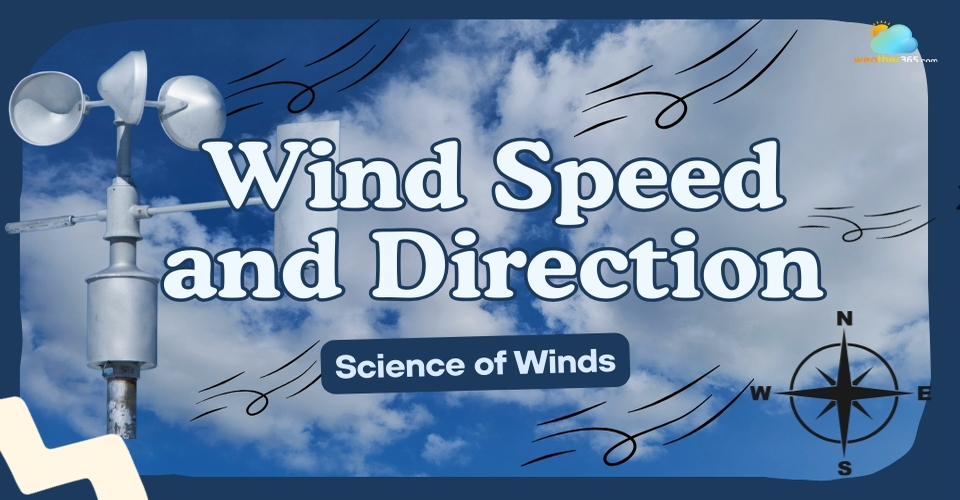
Wind Speed And Direction Explained: What Are They And How Are They Measured?
1493
0
5.0
17/08/2026
How To Measure Wind Speed: Step-by-Step Guide for Accurate Measurement
1466
0
4.7
17/08/2026

0 Comment
Leave a comment
Your email address will not be published. Required fields are marked *