☀️ Santa Clara, CA Today Weather & Silicon Valley Outlook
Over the next 24 hours, Santa Clara is experiencing overall Clear Sky conditions, with current temperatures hovering near 71°F (feeling like similar). Located at the southern tip of San Francisco Bay in the heart of Silicon Valley, Santa Clara’s weather is heavily influenced by coastal marine layers, dry thermal valleys, and shifting breezes across major suburban nodes including San Jose, Sunnyvale, Cupertino, and Mountain View.
🌡️ Temperature Bounds: Daytime highs will reach 71°F with overnight lows dipping to 49°F.
🌧️ Precipitation Outlook: Current rain probability stands at 0%, with expected total accumulation near [0 in.
💨 Wind & Marine Layer: Winds are blowing from the North West at 8 mph. Morning coastal fog (marine layer) typically dissipates by mid-morning, yielding clear afternoon skies.
🚗 Commute & Travel Impact: Favorable travel conditions along major Silicon Valley transit corridors including US-101, I-880, CA-85, and SR-237.
💡 Silicon Valley Micro-Climate Note: Low-lying zones near the Guadalupe River Basin and San Tomas Expressway may experience cooler morning temperatures and lingering haze compared to foothill areas near the Santa Cruz Mountains.
In Santa Clara, hourly rain chances are heavily shaped by coastal moisture moving past the Santa Cruz Mountains and inland air movement across San Francisco Bay. Tracking hourly timing ensures smoother commutes along US-101 and SR-237 and better planning around outdoor venues like Levi's Stadium.
⏱️ Hourly Rain & Accumulation Highlights
☔ Peak Precipitation Window: Highest rain probability reaches 0% around 14:00, with baseline hourly chances starting near 0%.
💧 Forecast Accumulation: Expected hourly rainfall volume ranges up to 0 in during active shower passes.
🌫️ Marine Layer & Travel Impact: Early morning marine overcast can cause slick road surfaces along Central Expressway before clearing toward midday.
Planning ahead for Silicon Valley's coming week requires tracking multi-day pressure systems and air mass transitions. The 7-day outlook highlights broader temperature shifts between weekday work schedules and upcoming weekend outdoor activities across Santa Clara County.
⏱️ Weekly Climate & Weather Outlook
🌡️ 7-Day Thermal Range: Expect daily high temperatures to peak near 71°F, with overnight lows dipping to 49°F. Mid-week atmospheric shifts may bring noticeable day-to-day temperature variance.
🌧️ Weekly Rain Horizon: Daily precipitation probability fluctuates between 0% and 0%, with the highest likelihood of measurable rainfall concentrated around Friday
💧 Weekly Moisture Accumulation: Total anticipated precipitation across active storm windows could reach up to 0 in, accompanied by shifting coastal cloud cover and seasonal Pacific wind flows.
Air Quality in Santa Clara, California
The air quality in Santa Clara, California is currently rated Good, with an AQI of 22. The AQI indicates the level of air pollution and potential health concerns, helping you decide when outdoor activities may be more suitable.
Peak solar radiation across Santa Clara requires active sun protection, especially during midday outdoor recreation and commutes across Silicon Valley.
⏱️ Current Radiation Levels & Outdoor Impact
🕶️ Peak UV Status: The maximum UV Index in Santa Clara today is 8, High.
🧴 Protection Window: Broad-spectrum SPF 30+ sunscreen, sunglasses, and UV-blocking apparel are strongly advised between 10:00 AM and 4:00 PM.
📍 Sun Safety Area Note: Direct exposure is highest during midday open-air events at Levi's Stadium, California's Great America, and unshaded areas of Central Park.
🌤️ Santa Clara Micro-Climate & Regional Terrain Drivers
Situated in the heart of Silicon Valley between the Santa Cruz Mountains and San Francisco Bay, Santa Clara, CA features a modified Mediterranean climate with strong coastal influences.
Local conditions are heavily moderated by marine airflow, creating mild year-round temperatures across major tech campuses and residential districts.
⏱️ Key Geographic Weather Drivers
🌫️ Marine Layer & Fog Dissipation: Cool Pacific air moving through the Bay Channel frequently brings early morning low clouds and mist, keeping morning commutes cool before clearing by mid-morning.
⛰️ Santa Cruz Mountain Rain Shadow: To the west, the Santa Cruz range acts as a natural barrier against incoming Pacific storm fronts, resulting in lower annual precipitation and sunnier conditions compared to coastal Santa Cruz County.
🍃 Afternoon Bay Breezes: Mid-to-late afternoon thermal onshore winds sweep across San Tomas Expressway and Central Park, naturally cooling ambient temperatures during peak summer heat.
🌡️ Suburban Thermal Trapping: High concentrations of commercial development and paving along the US-101 and CA-85 technology corridors retain daytime heat, resulting in slightly elevated evening temperatures compared to surrounding foothills.
👉 Explore nearby cities & local weather in Santa Clara, check the list below!
Santa Clara, CA: Urban Geography, Local Infrastructure & Climate
Positioned in the heart of Silicon Valley within the southern San Francisco Bay Area, Santa Clara, California serves as a vital economic, commercial, and transit nexus for Santa Clara County. Spanning 18.28 square miles on the valley floor, the city shares seamless municipal borders with San Jose, Sunnyvale, and Cupertino, while maintaining close regional connectivity to northern county hubs like Palo Alto and Mountain View, eastern corridors like Milpitas, and southern valley communities including Campbell, Los Gatos, Morgan Hill, and Gilroy.
Local weather and micro-climatic shifts shape daily transit, corporate commutes, and outdoor operations for over 133,000 local residents and hundreds of thousands of daily commuters across the entire South Bay.
🏙️ Urban Infrastructure & Living Conditions
🏢 Silicon Valley Tech & Corporate Corridor: Home to major global technology headquarters along Great America Parkway and San Tomas Expressway, high commercial paving density retains afternoon thermal energy, impacting localized micro-climates across adjacent campus corridors in Sunnyvale, Mountain View, and Palo Alto.
🏈 Regional Entertainment & Event Venues: Weather patterns directly influence outdoor operations at major regional landmarks, including Levi’s Stadium and California's Great America in Santa Clara, as well as high-traffic recreation nodes like Central Park and nearby foothill parks in Los Gatos and Saratoga.
🚗 Inter-County Transit Arteries: Major transit corridors—including US-101, I-880, CA-85, I-280, and SR-237—experience localized visibility shifts during early morning winter fog and thermal contrast between northern Bay-adjacent areas (Milpitas, Alviso) and warmer southern valley passes (Morgan Hill, Gilroy).
Frequently Asked Questions
What is the climate like in Santa Clara?
Santa Clara generally has warm, dry summers and cool, wetter winters.
Average temperatures typically range from the low 40s°F in winter to around 80°F during the warmest summer months.
Does it rain a lot in Santa Clara?
Santa Clara has a Mediterranean climate, with most rainfall occurring during the cooler months. Summers are typically warm and very dry, while winter brings more frequent rain.
What is the AQI in Santa Clara today?
The current Air Quality Index (AQI) in Santa Clara is 22, rated Good with little or no pollution risk. Check the latest air-quality reading before spending extended time outdoors.
Will it rain in Santa Clara today?
The chance of rain in Santa Clara, California ranges from 0% to 0% today, with the highest probability around 14:00.
What type of climate does Santa Clara have?
Santa Clara features a mild Mediterranean climate characterized by warm, dry summers and cool, wet winters. Average temperatures typically range from winter lows in the mid-40s°F to summer highs in the low 80s°F.
When is the rainy season in Santa Clara?
The rainy season runs from November through April, accounting for nearly all of the city's 15-inch average annual precipitation. Summers are virtually rain-free with consistent sunshine.
Top Stories
Discover the most-read weather articles from weather phenomena and changing conditions to practical safety tips. Explore these stories to better understand and prepare for today's forecast.
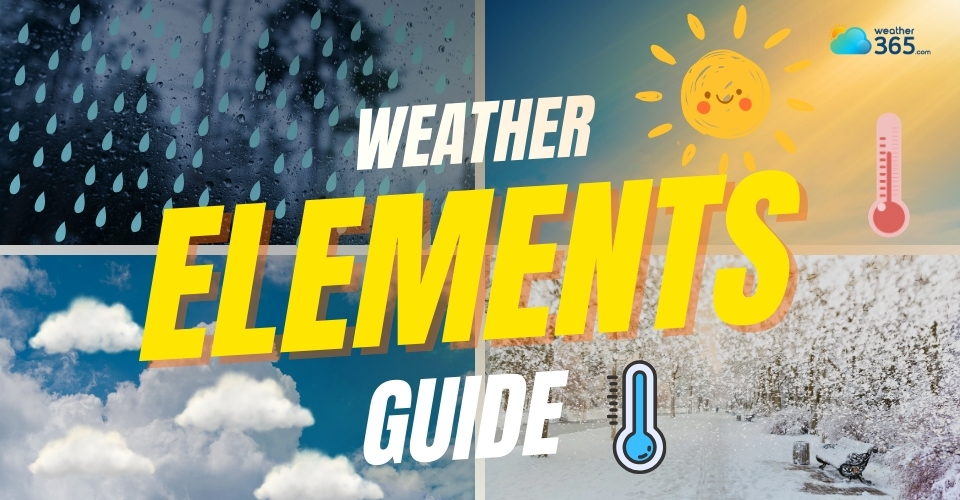
Learn about the main weather elements, including temperature, humidity, air pressure, wind, precipitation, UV index, and how they influence weather conditions.
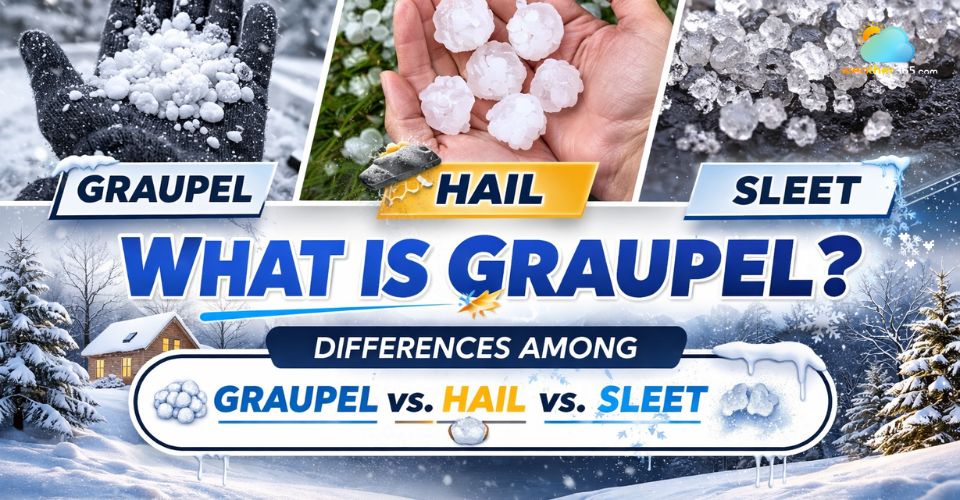
Learn what is graupel and how to tell it apart from hail , snow, and sleet. Explore the science behind this winter weather phenomenon. Read the post now!
Discover what is a Nor'easter, its characteristics, typical formation areas, and how it affects weather across the Northeast and Mid-Atlantic. Learn safety tips.