




How To Survive a Thunderstorm: Essential Survival Tips for Your Safety


Wondering how to survive a thunderstorm safely? Whether you’re indoors, outdoors, or in your car, this ultimate guide shows you exactly what to do before, during, and after the storm so you stay safe no matter what.
How To Survive a Severe Thunderstorm?
- When Do Thunderstorms Usually Occur?
- Why You Should Take Thunderstorms Seriously?
- How To Survive a Thunderstorm: Prepare in Advance
- Build an Emergency Kit
- Make a Family Safety Plan
- Secure Your Home
- When the Storm Hits: What to Do Immediately
- If You’re Indoors
- If You’re Outdoors
- If You’re in a Vehicle
- After the Storm: Stay Vigilant
- Watch for Immediate Hazards
- Helping Others
- Keep Monitoring Conditions
- 5 Common Mistakes to Avoid
- Going Near Downed Power Lines
- Not Taking Photos for Insurance
- Using Electronics Before Power Checks
- Not Checking for Structural Damage
- Leaving Pets Outdoors
When Do Thunderstorms Usually Occur?
Thunderstorms are most likely to happen in warmer seasons and at certain times of the day, depending on whether they form over land or water.
Here are the most frequent times that thunderstorms happen:
Summer peak: Hot and humid air makes storms more frequent during this season.
Spring and fall: Less common, but can be triggered by fast-moving cold fronts.
Over land: Most likely in the afternoon or evening when the ground is warmest.
Over oceans: Often appear in the early morning hours, before sunrise.
See our full guide on What Causes Thunderstorms for a deeper understanding
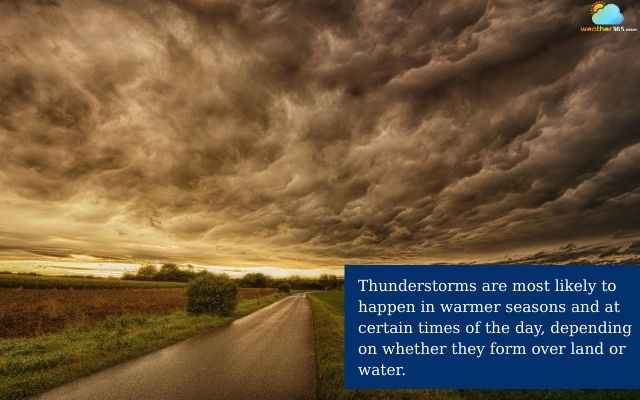
When Do Thunderstorms Usually Occur?
Why You Should Take Thunderstorms Seriously?
Did you know lightning can heat the air around it to five times hotter than the surface of the sun? That’s why knowing how to survive a thunderstorm could save your life.
Thunderstorms may seem like brief bursts of bad weather, but they can quickly escalate in severity.
Apart from heavy rain, they can also bring lightning, flash floods, strong winds, and even hail - all of which can cause serious injuries and damage.

Why You Should Take Thunderstorms Seriously?
Here are some notable statistics proving the danger of thunderstorms:
About 16 million thunderstorms occur worldwide each year, with nearly 2,000 happening at any given moment.
In the US, roughly 100,000 thunderstorms form annually, and around 10% are classified as severe.
The US sees about 40 million ground lightning strikes per year, while globally there are around 1.4 billion flashes annually, averaging 44 strikes every second.
Globally, lightning is estimated to impact around 240,000 people each year, with about 24,000 lives lost. In the U.S., the long-term average is roughly 21 lightning-related fatalities annually, though recent data shows an improvement: 14 in 2024 and only 6 cases recorded so far in 2025.
Nearly 90% of lightning strike victims survive, but many suffer long-term health effects.
That is why thunderstorms should never be underestimated.
However, the good news is that, with preparation, many of these risks can be completely avoided.
How To Survive a Thunderstorm: Prepare in Advance
Not all types of thunderstorms are life-threatening, but preparation remains essential as the most effective way to reduce risks before they strike.
By taking a few simple steps ahead of time, you can protect yourself, your loved ones, and your property from potential harm.
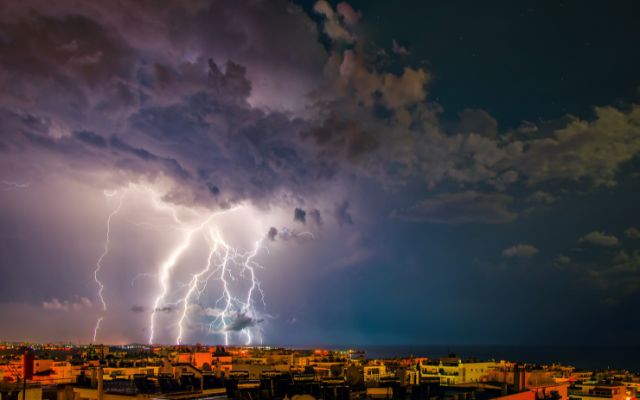
How To Survive a Thunderstorm?
Build an Emergency Kit
Having supplies ready makes it easier to handle power outages or being stuck indoors. Your kit should include:
Flashlights with extra batteries.
First aid supplies and necessary medications.
Keep a supply of bottled water and long-lasting food that will last at least three days.
Cash in small denominations, kept securely in your kit.
Basic tools, including a manual can opener and wrench or pliers.
Personal hygiene items and spare clothing, including sturdy shoes.
Supplies for infants, older adults, or pets, if applicable.
A portable phone charger or power bank.
Important documents are stored in a waterproof bag.
Blankets, sleeping bags, or comfort items like books and small games.
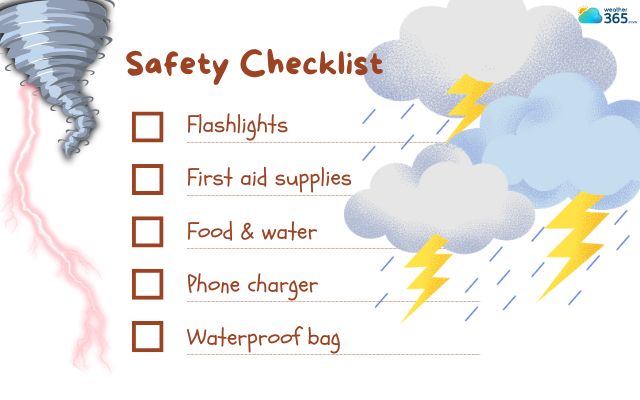
Safety Checklist
Make a Family Safety Plan
Every member of your family should be aware of what to do in severe weather. A clear plan helps prevent panic:
Pick a room in your house that is safe and away from windows.
Set up an emergency contact outside your area.
Practice how to evacuate quickly, especially for children and elderly family members.
Plan for pets, decide where they will stay during the storm.

Make a Family Safety Plan
Secure Your Home
Protecting your property before the storm reduces the chance of damage:
Bring in outdoor furniture, grills, and lightweight objects that could blow away.
Trim weak branches and trees near your home.
Unplug electronics to prevent power surge damage.
Check that your doors, windows, and roof are secure and in good condition.
Taking these steps in advance makes a big difference when the sky turns dark.

Unplug electronics and check the doors
When the Storm Hits: What to Do Immediately
Once a thunderstorm begins, quick and careful decisions are critical.
Staying calm and knowing where to go can make the difference between safety and danger.
Whether you’re dealing with a thunderstorm in California, Alabama, or another part of the U.S., knowing the safest place to shelter is essential.
Remember the golden rule: “When thunder roars, go indoors.”
If You’re Indoors
Being inside a sturdy building is the safest place during a thunderstorm, but you still need to take precautions:
Stay away from windows, doors, and concrete walls. (Also read: Can lightning strike through a window)
Avoid using corded electronics such as TVs, desktop computers, or landline phones.
Don’t use plumbing: showers, sinks, and bathtubs can conduct electricity.
Keep flashlights ready in case of a power outage.
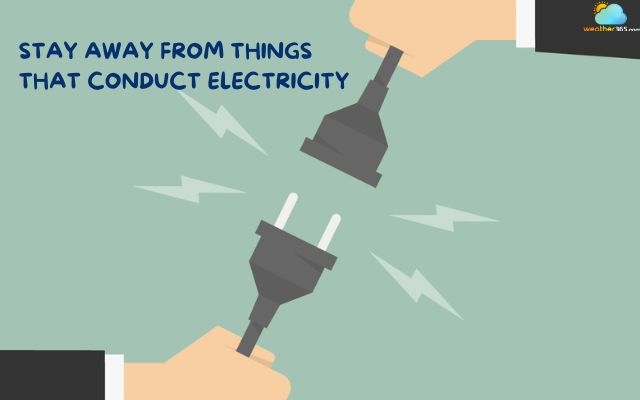
Turn off the power during a thunderstorm
If You’re Outdoors
If you’re caught outside, move to a safe shelter as quickly as possible:
Find a sturdy building or a fully enclosed vehicle.
Never stand beneath a tent, an open pavilion, or a lone tree.
Avoid open fields, hilltops, and bodies of water.
If no shelter is available, crouch low with your feet together.
Do not lie flat on the ground.
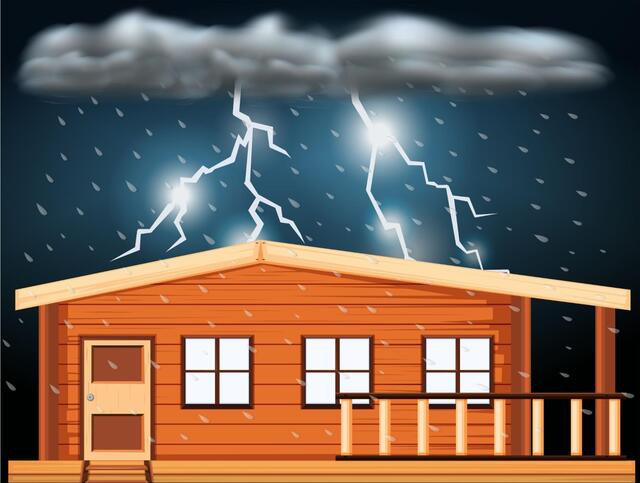
Find a sturdy building if you are outdoors during a thunderstorm
If You’re in a Vehicle
Cars and trucks can provide good protection during lightning, but only if you take the right steps:
Pull over safely and stay inside with windows closed.
Do not touch metal parts or electronic devices inside the car, because they can conduct electricity if lightning strikes.
Avoid stopping near tall trees, power lines, or flood-prone areas. These increase the risk of falling debris, electrical hazards, or sudden flooding.
Wait until the storm passes by staying in the vehicle for at least 30 minutes after the last thunderclap.
Use a weather app or radio for real-time updates on the storm’s progress.
In case your car is struck:
Do not leave the vehicle immediately.
Wait for the electrical current to dissipate (usually seconds) before getting out carefully.
Check for fires or damage before continuing to drive.
Knowing how to respond during the storm greatly reduces your risk. When the thunder fades, however, some risks may remain.

Do not touch metal parts inside the car
After the Storm: Stay Vigilant
The end of thunder and lightning does not always mean the danger is gone.
Hazards often remain after a storm passes, and staying alert helps protect both you and those around you.
Watch for Immediate Hazards
Even after the storm seems over, dangerous conditions may still exist around you. To stay safe, you should:
Stay indoors until authorities confirm it’s safe.
Avoid downed power lines, broken branches, and flooded roads as they can still carry hidden dangers such as live electricity, sharp debris, or fast-moving water.
Never drive or walk through floodwaters - it only takes a few inches of moving water to sweep you away.
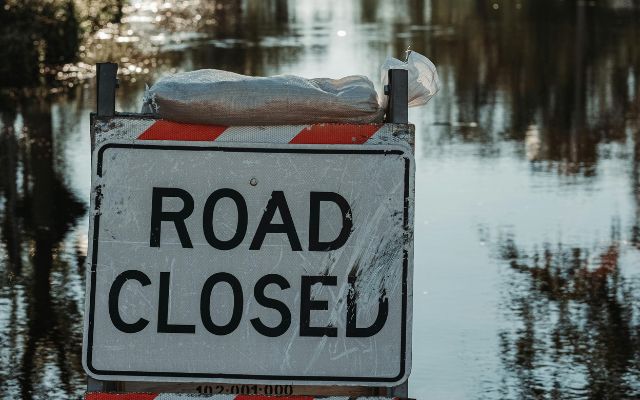
Stay indoors until authorities confirm it’s safe
Helping Others
After ensuring your own safety, it is worth looking out for others in need.
Below are some situations you might encounter:
If someone has been struck by lightning, call emergency services (911) immediately.
Begin CPR if the person is unresponsive. Lightning victims do not carry an electrical charge and are safe to touch.
Check on neighbors, especially the elderly or those with disabilities, who may need extra assistance.

Call 911 if someone has been struck by lightning
Keep Monitoring Conditions
Even when the storm appears to have passed, you had better follow these guides to lower your risk:
Thunderstorms often come in clusters, so stay alert for secondary storms.
Follow local weather alerts through radio, apps, or official emergency channels.
Wait at least 30 minutes after the last thunder before resuming outdoor activities.
Follow local weather alerts even after the thunderstorm
5 Common Mistakes to Avoid
Even after a thunderstorm has passed, certain actions can put you and your household at unnecessary risk.
Here are five common mistakes to steer clear of:
Going Near Downed Power Lines
Stay at least 30 feet away from any fallen wires. They may still carry electricity, which can spread through the ground or nearby objects. Always call utility services instead of trying to handle the situation yourself.
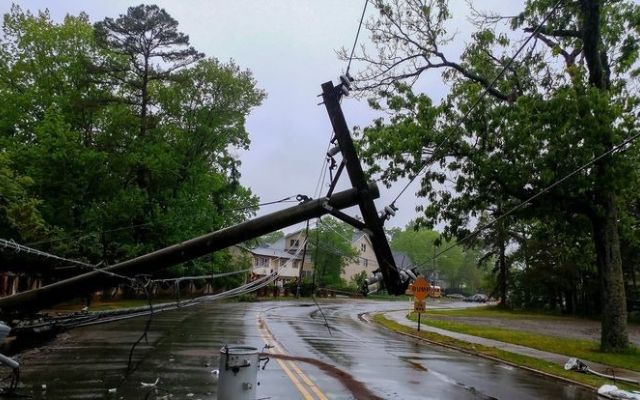
Do not go near downed power lines after the storm
Not Taking Photos for Insurance
If your home or car suffers damage, failing to document it can delay or reduce insurance claims.
Take clear photos or videos before starting any clean-up to make the process smoother.
Using Electronics Before Power Checks
Do not plug in or use electronics until you are sure the electrical system is safe. Power surges or hidden wiring damage can spark further hazards.
Wait for confirmation from utility providers or an electrician.
Not Checking for Structural Damage
After strong winds or lightning, roofs, windows, and walls may be weakened. A quick inspection helps catch cracks, leaks, or unstable parts that could worsen over time.
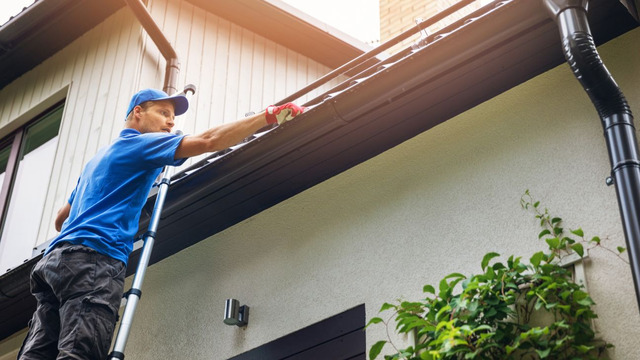
Check structural damage after a thunderstorm
Leaving Pets Outdoors
Animals are also vulnerable after storms. Flooded yards, sharp debris, or unstable fences may harm them. Keep pets indoors until your surroundings are safe again.
Conclusion
Thunderstorms are powerful, unpredictable, and sometimes potentially hazardous, but knowing how to survive a thunderstorm makes all the difference. By preparing in advance, making safe choices during the storm, and staying cautious afterward, you can greatly reduce risks to yourself and those around you. Stay alert, follow safety guidelines, and remember: The best protection is always preparation.
Frequently Asked Questions (FAQs)
◉ Stay away from wired electronics or telephones - corded devices can carry electrical surges.
◉ Do not shelter under trees or open structures like gazebos, tents, or pavilions - these offer little protection and may even increase risk.
◉ Stop any activity immediately and move to safety, such as a building or a hard-top vehicle.
◉ If you can not reach shelter, crouch low with your feet together, head tucked, and hands over your ears.
Related post

Exploring Types of Thunderstorms and Their Unpredictable Impacts
 1687
1687
 8
8
 4.7
4.7
 15/09/2026
What Causes Thunderstorms? Explore the Science Behind Intense Events
1644
8
4.8
15/09/2026

Difference Between Thunder and Lightning: What Truly Tells Them Apart?
1510
8
4.8
15/09/2026

8 Comment
Daniella Ross
These are practical tips that everyone should know. Thunderstorms can develop quickly, so being prepared really matters.
Alivia Holmes
How long should you wait after hearing thunder?
weather365
A common guideline is to wait at least 30 minutes after the last thunder before going outside.
Gwendolyn Schultz
Can you stay safe inside a car during a thunderstorm?
weather365
Yes, a fully enclosed vehicle can provide good protection from lightning.
Londyn Gibson
What’s the safest place during a thunderstorm?
weather365
A sturdy enclosed building is usually the safest option.
Harley Wood
I didn’t realize you should wait before going back outside after a storm. That’s definitely useful to remember.
Leave a comment
Your email address will not be published. Required fields are marked *