




How Do Factories Cause Air Pollution? Sources, Impacts, and Safety Tips


How do factories cause air pollution? Every year, industrial activities release millions of tons of pollutants into the atmosphere, affecting air quality worldwide. Understanding where these emissions come from and how they impact health can help communities make informed decisions. Diving in to discover the key sources, environmental consequences, and practical safety tips.
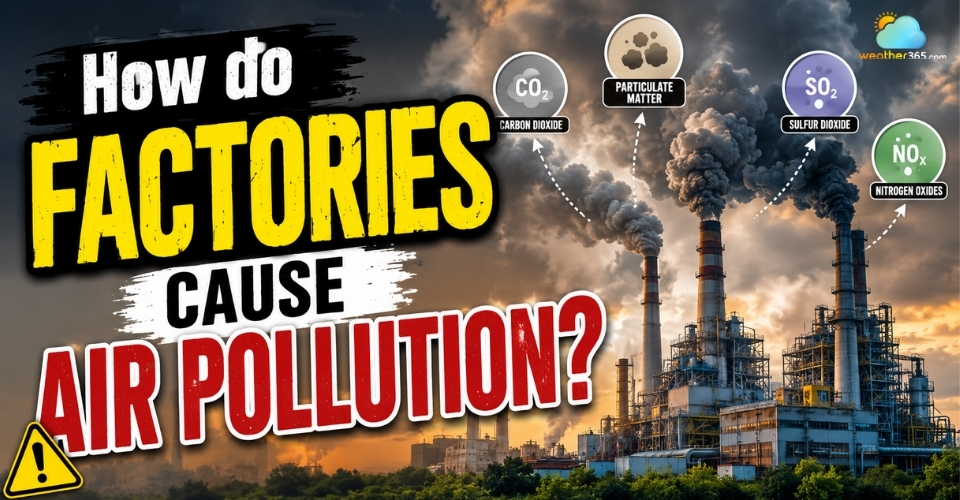
How do factories cause air pollution
Overview of factory pollution
Factory pollution is the contamination of the environment caused by industrial activities and manufacturing processes.
Factories play an important role in producing the goods we use every day, from food and clothing to electronics and construction materials.
However, these operations often consume large amounts of energy and raw materials, generating pollutants that can be released into the air, water, and soil.
When factories burn fossil fuels, process chemicals, or operate heavy machinery, they can emit harmful substances such as particulate matter, sulfur dioxide, nitrogen oxides, and volatile organic compounds (VOCs).
These pollutants can reduce air quality, contribute to smog formation, and create health risks for nearby communities.
If you live near dense manufacturing hubs, make sure to check local air quality in Houston, Texas before planning long outdoor workouts.
The scale of factory pollution varies depending on the industry, technology used, and environmental controls in place.
Modern facilities often employ emission-reduction systems, but industrial activities remain one of the major sources of pollution worldwide.
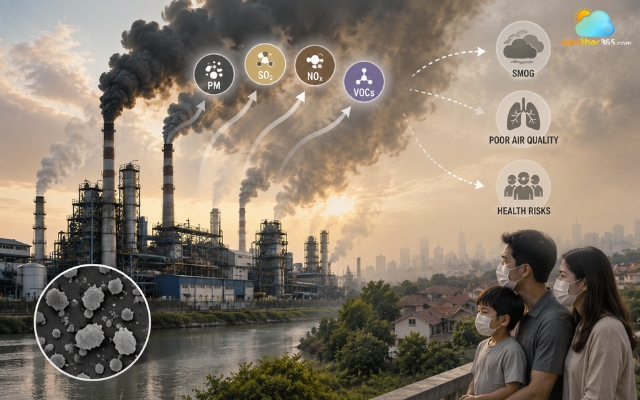
Factory pollution is caused by industrial activities
How do factories cause air pollution?
Factories cause air pollution by releasing gases, particles, and chemical pollutants into the atmosphere during manufacturing, energy production, and waste disposal activities.
Industrial facilities rely on machinery, fuel combustion, and chemical processes to produce goods.
While these operations support economic growth, they also generate emissions that can reduce air quality and affect both human health and the environment.
Below are some of the main ways factories contribute to air pollution.
Industrial Air Emissions
One of the biggest sources of industrial air pollution is the release of emissions from smokestacks, boilers, furnaces, and manufacturing equipment.
As factories operate, they emit pollutants such as carbon dioxide (CO₂), sulfur dioxide (SO₂), nitrogen oxides (NOₓ), and carbon monoxide (CO).
Many production processes also generate fine particulate matter and dust.
These tiny particles can remain suspended in the air for long periods and may travel considerable distances.
Once inhaled, they can irritate the respiratory system and contribute to poor air quality in surrounding communities.
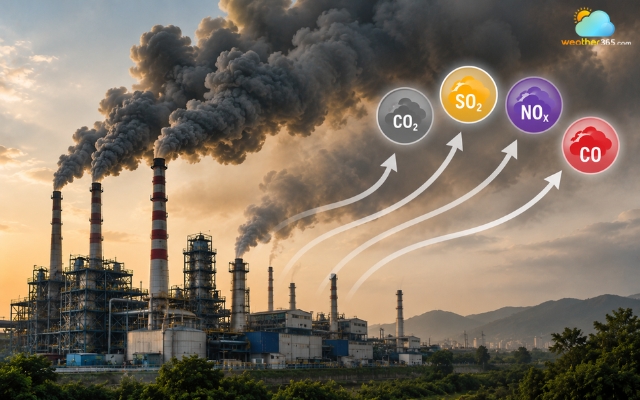
Release from industrial areas causes air pollution
Rain can also affect air quality by helping clear pollutants and fine particles from the atmosphere. To learn more, read our guide on Does Rain Improve Air Quality?.
High Fossil Fuel Consumption
Most factories require large amounts of energy to run machinery, maintain high temperatures, and support continuous production.
To meet these energy demands, many industrial facilities burn coal, oil, or natural gas.
The combustion of fossil fuels releases greenhouse gases and other harmful pollutants into the atmosphere.
The more energy-intensive the manufacturing process, the greater the potential for emissions.
This is why heavy industries such as steel, cement, and chemical manufacturing are often significant contributors to air pollution and climate change.
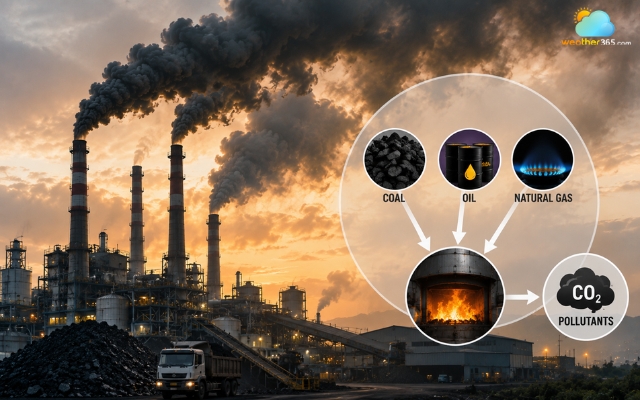
Fossil fuel consumption releases harmful pollutants to the air
Chemical Waste
Factories frequently use chemicals during production, cleaning, and material processing.
If chemical waste is not handled properly, harmful substances can evaporate into the air or react with other pollutants.
Some industrial wastes release volatile organic compounds (VOCs), which can contribute to smog formation and ground-level ozone pollution.
In addition, accidental leaks, improper storage, or inadequate waste treatment can increase the amount of toxic pollutants entering the environment.
Effective waste management is therefore essential for reducing industrial air pollution.
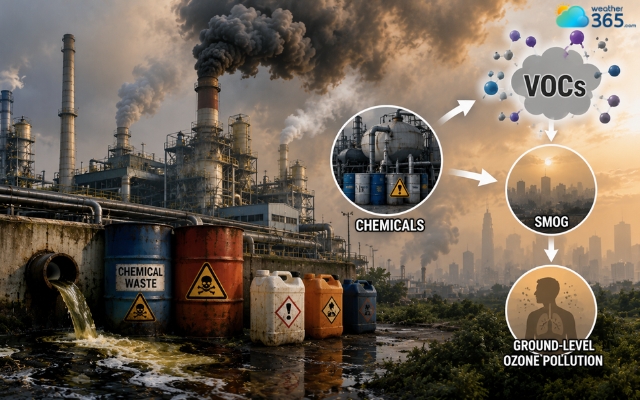
Harmful substances from chemical waste can evaporate to the air
Besides factories, what else can cause air pollution? Drop by What causes air pollution to learn!
Impacts of industrial air pollution
Industrial air pollution has serious consequences that affect people’s health, damage the environment, and create long-term social and economic challenges.
Human Health Consequences
Respiratory illnesses: Fine particles like PM2.5 and smog can trigger asthma, bronchitis, coughing, and long-term breathing problems.
Sensitive individuals should consistently track the daily Los Angeles weather forecast and smog reports during peak traffic and factory operation hours.
Cardiovascular damage: Airborne pollutants increase the risk of heart disease, high blood pressure, and stroke.
Birth defects: Exposure to toxic industrial chemicals during pregnancy may affect fetal development and increase long-term health risks.
Cancer risks: Certain industrial pollutants, such as benzene and formaldehyde, are linked to a higher risk of cancer with long-term exposure.
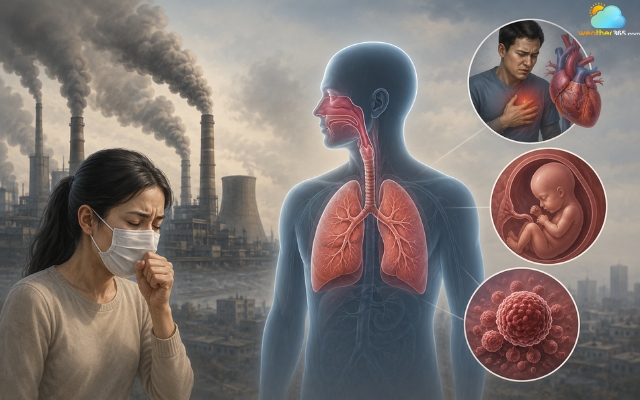
Industrial air pollution causes many health consequences
Environmental Degradation
Water contamination: Industrial wastewater can pollute rivers, lakes, and groundwater, harming aquatic life and drinking water sources.
Soil toxicity: Heavy metals and chemical residues reduce soil fertility and damage beneficial microorganisms.
Biodiversity loss: Pollution disrupts ecosystems, damages habitats, and threatens plant and animal species.
Climate acceleration: Greenhouse gas emissions from factories contribute to global warming and climate change.
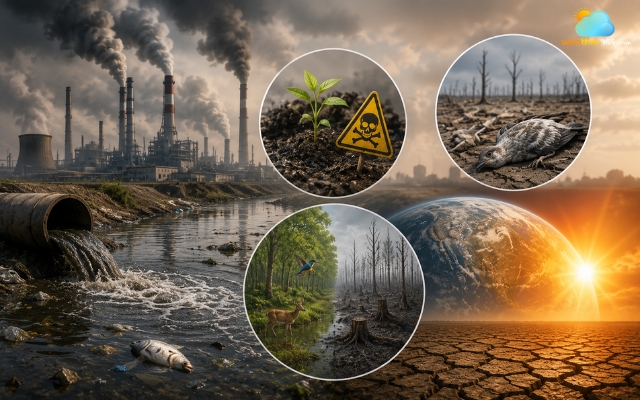
Industrial air pollution causes environmental degradation
Socioeconomic Impact
Economic burden: Increased healthcare costs and reduced worker productivity place financial pressure on families and governments.
Environmental injustice: Communities near industrial zones often face higher pollution exposure and greater health risks.
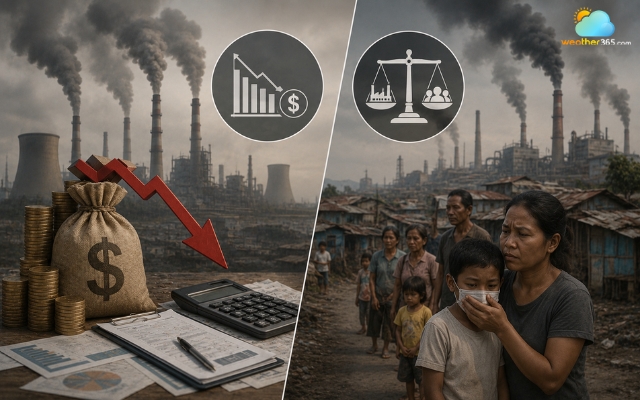
Industrial air pollution can create an economic burden
Steps to limit industrial air pollution
Industrial air pollution can be reduced effectively by applying cleaner technologies and improving how factories operate and manage waste.
Switch to cleaner energy sources: Use renewable energy like solar or wind, or cleaner fuels to reduce harmful emissions from fossil fuel combustion.
Improve energy efficiency: Upgrade equipment and optimize production processes to reduce overall energy use and pollutant output.
Install pollution control systems: Use filters, scrubbers, and other technologies to capture harmful gases and dust before they are released into the air.
Strengthen waste management: Treat and dispose of industrial waste properly to prevent toxic substances from leaking into the environment.
Monitor emissions regularly: Track air quality and factory emissions to ensure compliance with environmental standards and detect issues early.
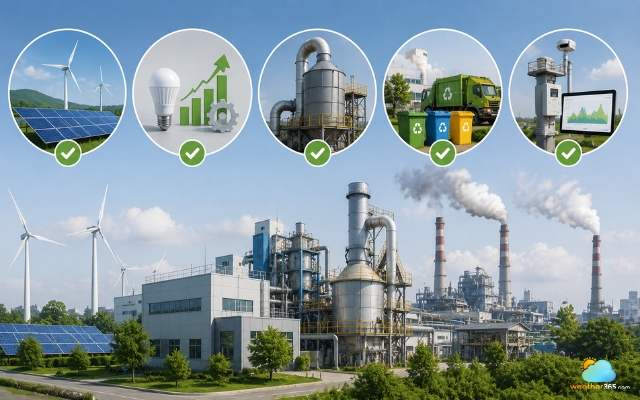
How to reduce industrial air pollution
Closing thoughts
How do factories cause air pollution? This issue mainly comes from industrial emissions, fossil fuel use, and chemical waste released during production. These pollutants seriously affect health, the environment, and society. By adopting cleaner energy, better technology, and stricter controls, industrial air pollution can be significantly reduced for a healthier and more sustainable future.
Frequently Asked Questions (FAQs)
Related post
Symptoms of Poor Air Quality and Their Impact on Your Health
 28
28
 0
0
 4.6
4.6
 06/09/2026
How is air quality measured? Reduction tips you should know
23
0
4.9
09/09/2026
What Causes Air Pollution? Major Emission Sources You Should Know
23
0
5.0
07/09/2026

0 Comment
Leave a comment
Your email address will not be published. Required fields are marked *