




Early Spring Severe Weather Season Sees Reduced Tornado Deaths


The 2026 severe weather season has officially moved past its spring peak, and while numerous storms swept across parts of the United States, the number of tornado-related fatalities remained significantly lower than in recent years.
According to data from the Storm Prediction Center (SPC), only 12 tornado deaths were recorded nationwide between January and May 2026. The figure stands in sharp contrast to the same period in 2025, when at least 61 people had lost their lives to tornadoes by June 1.
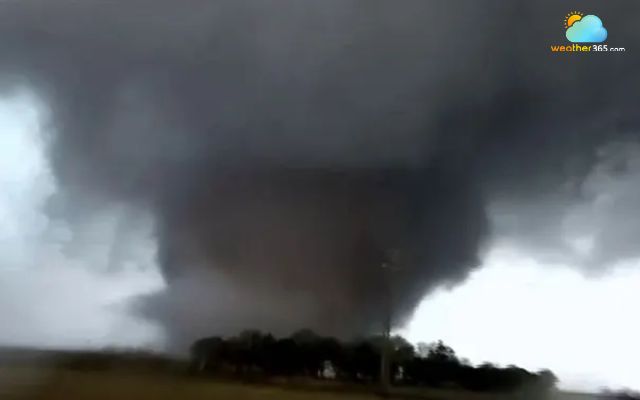
A huge tornado across the landscape near Lake City
Meteorologists say the relatively low death toll highlights both favorable weather patterns and continued improvements in forecasting technology and public awareness. While severe storms still affected many communities, the most dangerous tornado outbreaks were less frequent than in some previous years.
SPC Warning Coordination Meteorologist Evan Bentley noted that historical records show similar fluctuations in tornado activity from year to year.
"When you look back through the data, there have been plenty of busier years," Bentley explained. "Generally, every three or four years or so we end up with a much quieter May."
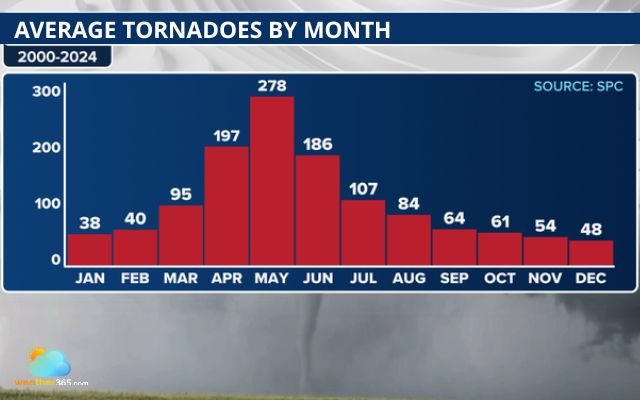
Average tornadoes by month
Over the past decade, the average number of tornado fatalities from January through May has been approximately 37. This year's total of 12 deaths is therefore well below normal for the first half of the severe weather season.
Most of the fatalities occurred during the first five days of March, while only one tornado-related death was reported during April. No tornado fatalities were recorded in May, an outcome that meteorologists describe as highly unusual.
The SPC data also revealed a familiar pattern regarding where tornado deaths occurred. Of the 12 fatalities reported this year, nine involved residents of manufactured homes, two occurred in vehicles, and one happened in a conventional house.
Bentley said these statistics are consistent with long-term trends. Tornadoes are most dangerous for people who are outside, traveling, or sheltering in structures that offer limited protection against extreme winds.
At the same time, advances in forecasting have dramatically improved emergency preparedness. Meteorologists can now identify potentially dangerous storm systems days before they develop, giving emergency managers and the public more time to prepare.
"It's very rare to be surprised by a severe weather outbreak today," Bentley said, noting that both forecasting accuracy and public awareness continue to improve.
An Exceptionally Quiet May
One of the most notable aspects of the 2026 severe weather season was the unusually calm month of May.
Despite being one of the most active months for tornadoes historically, May produced no tornado fatalities nationwide. According to Bentley, the last time such an outcome occurred was in 2021.
The quieter conditions were largely linked to atmospheric patterns that failed to support widespread tornado development. While thunderstorms still occurred, the ingredients necessary for producing large numbers of strong tornadoes were often missing.
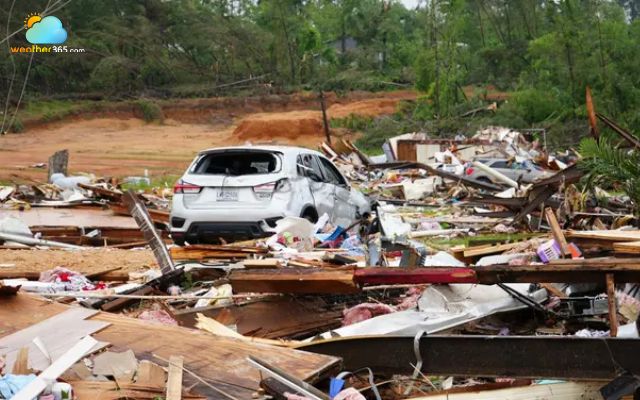
Heavy tornado damage in Bogue Chitto, Mississippi, Thursday
Across the country, only two EF-3 tornadoes and one EF-2 tornado were confirmed during May. Strong tornadoes rated EF-3 or higher are typically responsible for the majority of tornado-related deaths.
Bentley noted that approximately 80% of tornado fatalities occur during EF-3 or stronger tornadoes. Because relatively few powerful tornadoes formed this May, the risk to life was significantly reduced.
Meteorologists emphasize that occasional quiet years are a normal part of long-term weather variability. Similar lulls in tornado activity occur every few years when large-scale atmospheric conditions are less favorable for severe storm development.
Oklahoma Saw an Active Start to Spring
Although May was relatively quiet, the early portion of the severe weather season remained active, particularly across parts of Tornado Alley.
Oklahoma, a state that frequently experiences significant severe weather between March and May, recorded 34 tornadoes during March and April combined. That total ranked among the highest in the nation.
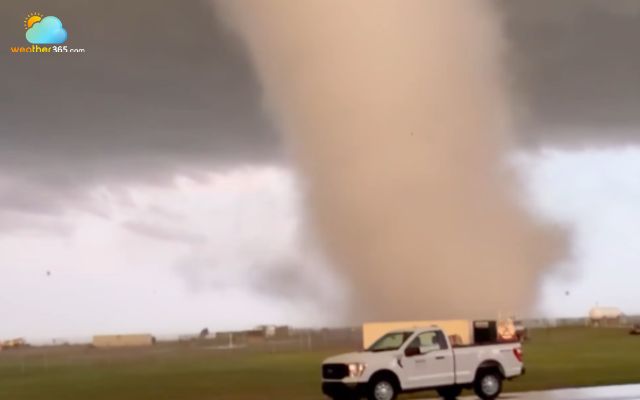
Tornado across Vance Air Force Base in Enid, Oklahoma in April, 2026
"The fourth-most of anywhere in the United States," Bentley said.
Interestingly, much of Oklahoma's tornado activity occurred earlier than normal. While the state often experiences its most active period later in spring, several significant storm systems developed during March and early April.
The early-season activity served as a reminder that tornado threats can emerge well before the traditional peak months and that residents should remain prepared throughout the spring.
What June Could Bring
As the calendar shifts into June, meteorologists are not expecting severe weather to disappear. Instead, the nature of the threat often changes during the summer months.
June typically marks the peak month for severe weather reports submitted to the SPC. Storms become more widespread geographically, stretching from Texas and the Plains into the Upper Midwest, Great Lakes region, and even parts of the East Coast.
While tornadoes remain possible, the overall threat often becomes less concentrated. Instead of major outbreaks affecting a few states, severe thunderstorms can impact large portions of the country simultaneously.
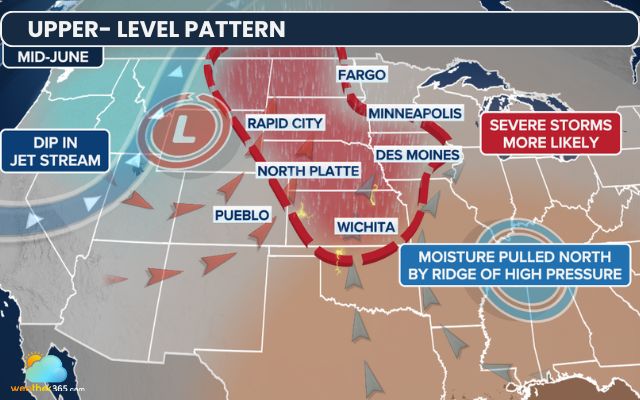
Mid-June weather set up
Bentley explained that although tornado intensity often decreases compared to spring outbreaks, more people may experience damaging winds, hail, and severe thunderstorms during June and July.
"It's less intense, usually on the impact scale, most days, on the tornado threat," he said. "But the number of people that see severe storms actually is much greater in June and July."
Current forecasts suggest June 2026 will be near average for severe weather activity. Forecasters are particularly monitoring the northern Plains and Upper Midwest, where favorable conditions for strong thunderstorms are expected to develop during the middle of the month.
While the spring severe weather season ended with fewer fatalities than usual, experts continue to encourage residents across the country to stay alert, monitor forecasts, and maintain severe weather safety plans as summer storm season unfolds.
Related post
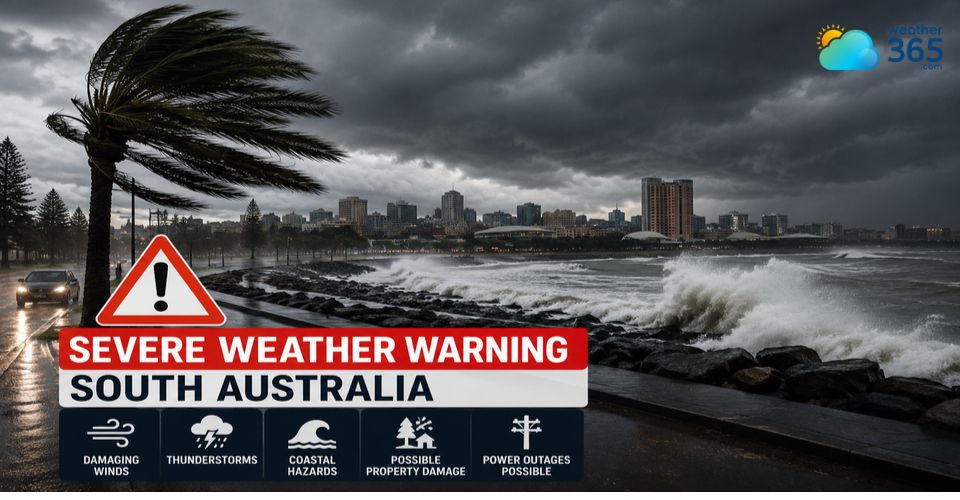
Severe Weather Warning South Australia Brings Power Outage Risk
 200
200
 0
0
 4.8
4.8
 01/06/2026
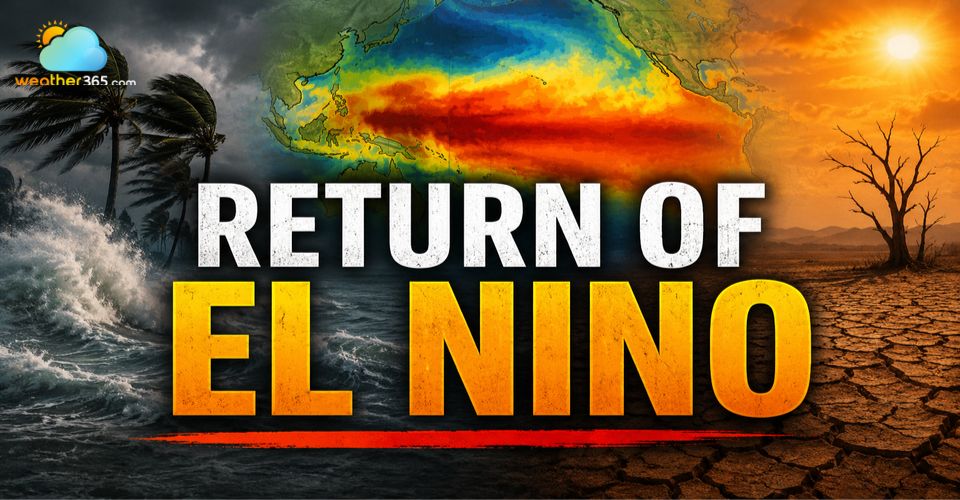
Return of El Nino Could Trigger Record Heat and Climate Extremes
149
0
4.6
02/06/2026
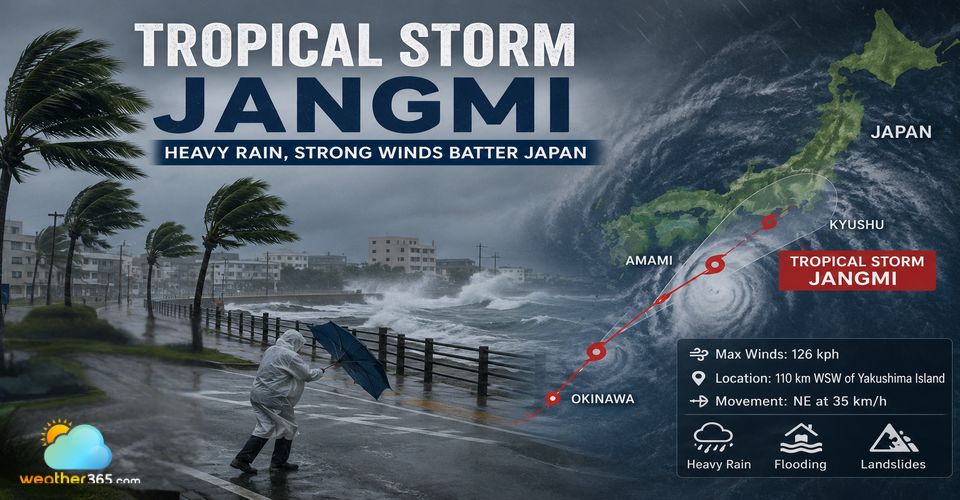
Tropical Storm Jangmi Batters Japan, Cancels Hundreds of Flights
146
0
4.7
02/06/2026

0 Comment
Leave a comment
Your email address will not be published. Required fields are marked *