




Return of El Nino Could Trigger Record Heat and Climate Extremes


The United Nations is urging governments and communities worldwide to prepare for the return of El Nino, a climate pattern that could intensify extreme weather events and push global temperatures even higher in the coming years.
According to the World Meteorological Organization (WMO), there is an 80% likelihood that El Nino conditions will develop before September and a 90% chance that they will emerge by November.
Forecast models suggest the event will be at least moderate in strength, although some projections indicate it could become a powerful episode with far-reaching consequences.
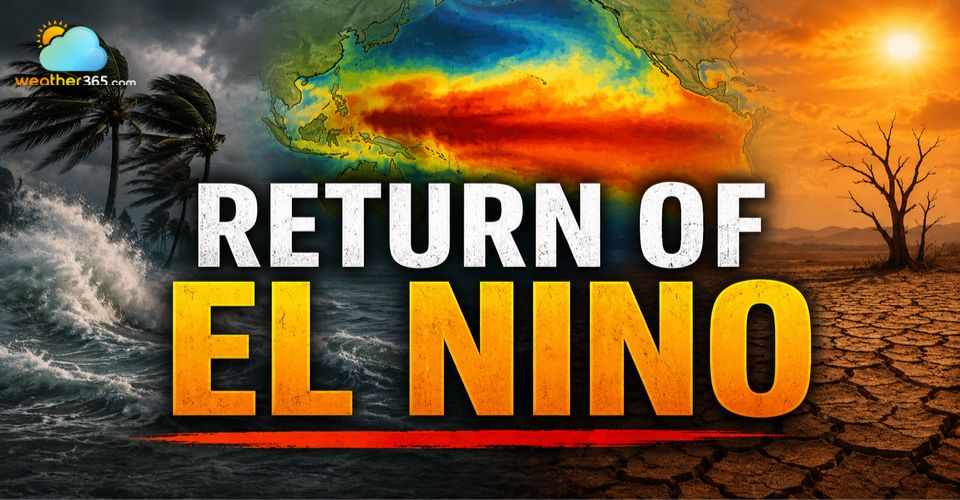
Return of El Nino could trigger extreme weather
The return of El Nino comes at a time when the planet is already experiencing unprecedented warmth due to human-driven climate change.
UN Secretary-General António Guterres warned that the phenomenon could amplify existing climate risks, increasing the severity of heatwaves, floods, droughts, and storms around the world.
“El Nino will add to the challenges posed by a warming climate,” Guterres said, emphasizing the need for urgent climate action and stronger disaster preparedness measures.
He noted that weather-related impacts could spread rapidly across borders, affecting millions of people and placing additional pressure on vulnerable communities.
The last El Nino event, which occurred during 2023 and 2024, ranked among the five strongest ever recorded. It contributed to record-breaking global temperatures and fueled extreme weather conditions across multiple continents.
Meteorologists now fear that another significant event could make upcoming years even hotter.
While scientists continue to monitor forecasts, WMO Secretary-General Celeste Saulo cautioned that uncertainty remains regarding the intensity of the next El Nino.
Some climate models indicate a strong event, while others suggest a more moderate development. Nevertheless, experts agree that conditions are increasingly favorable for its formation.
El Nino develops when surface waters in the central and eastern Pacific Ocean become unusually warm. This shift alters atmospheric circulation patterns and influences weather systems worldwide.
The phenomenon typically occurs every few years and can last between nine and twelve months.
Historically, El Nino has been associated with above-average rainfall in regions such as parts of South America, the southern United States, the Horn of Africa, and Central Asia.
At the same time, it often brings drier conditions to Australia, Indonesia, Central America, the Caribbean, and portions of South Asia. These shifts can significantly affect agriculture, water supplies, and public health.
The WMO also warned that global temperatures are expected to remain unusually high over the next several months, increasing the likelihood of severe weather events.
Warmer ocean waters linked to El Nino can strengthen hurricane activity in the eastern and central Pacific while suppressing storm formation in the Atlantic basin.
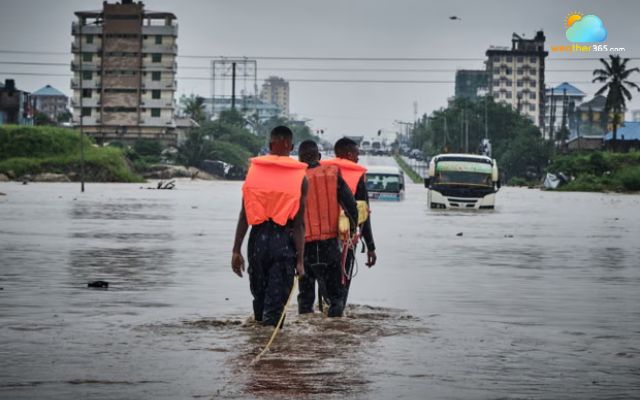
Torrential rains in April 2024 caused flooding and landslides in Tanzania
Climate experts are particularly concerned about the impact on global food production. Farmers in many regions are already facing challenges from prolonged droughts, floods, and other climate-related disruptions.
Additional weather extremes driven by the return of El Nino could further threaten crop yields and food security.
As risks grow, the UN continues to stress the importance of investing in early-warning systems. These systems provide critical alerts before disasters strike, allowing communities to evacuate or take protective measures.
However, funding remains a challenge, especially as some major donor nations have reduced international aid budgets in recent years.
The UN argues that strengthening resilience, expanding renewable energy, and reducing dependence on fossil fuels are essential steps in addressing both climate change and the dangers associated with the return of El Nino.
With forecasts pointing toward its likely arrival later this year, experts say preparation now could help reduce the human and economic toll of the weather extremes that may follow.
Related post
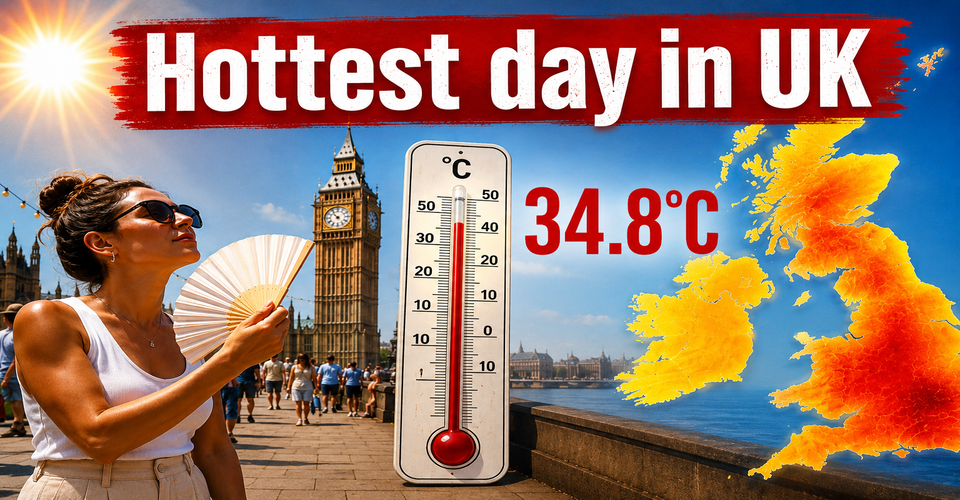
Hottest Day in UK on May record as temperatures pass 34°C
 245
245
 0
0
 4.8
4.8
 25/05/2026
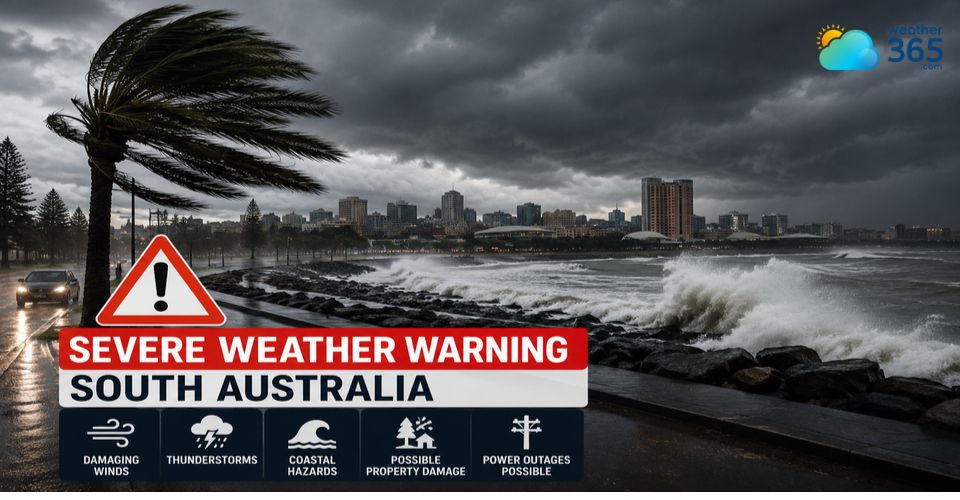
Severe Weather Warning South Australia Brings Power Outage Risk
200
0
4.8
01/06/2026
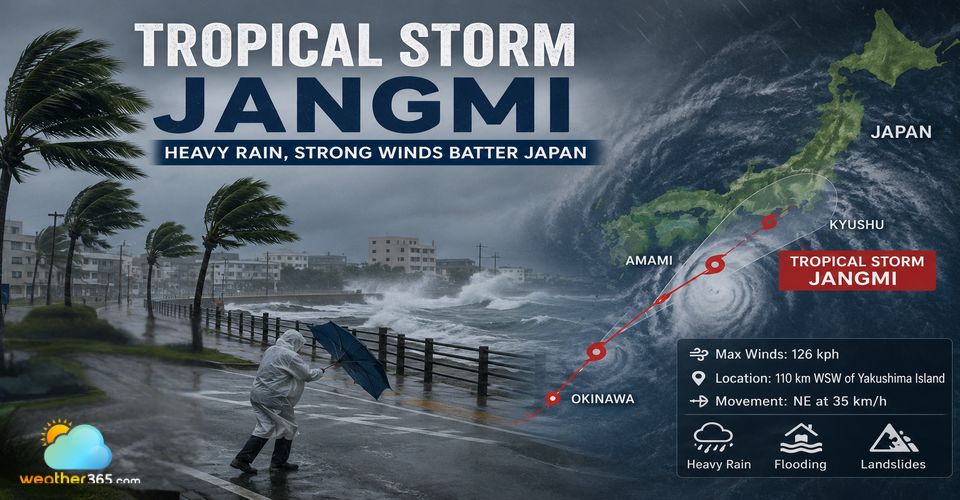
Tropical Storm Jangmi Batters Japan, Cancels Hundreds of Flights
146
0
4.7
02/06/2026

0 Comment
Leave a comment
Your email address will not be published. Required fields are marked *