



What is 100% humidity? Meaning, Misconceptions, and Science


Wondering what is 100% humidity? Many people assume it means rain is about to fall, but that's not always true. Explore the facts behind 100% humidity, clear up common misconceptions, and learn how it affects everyday life.
What is 100% humidity
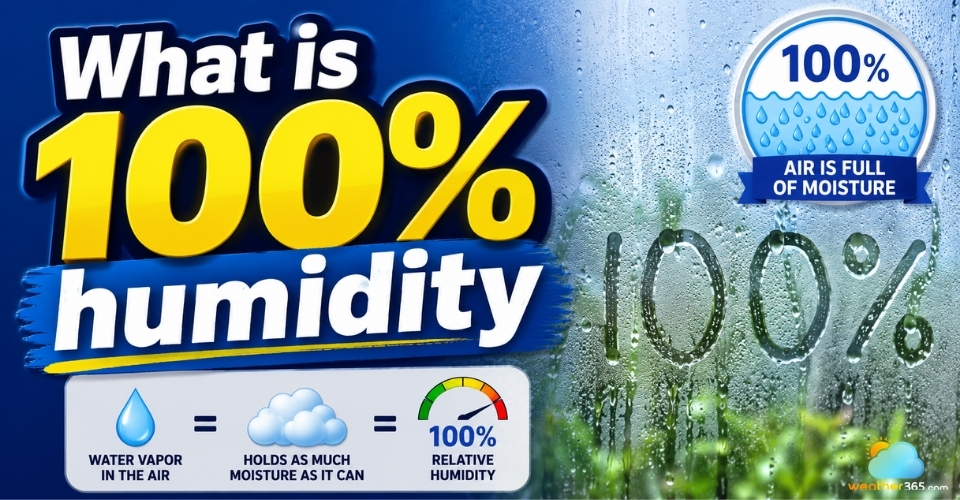
What is 100% humidity?
100% humidity means the air is completely saturated with water vapor at its current temperature.
In other words, the air cannot hold any additional moisture unless the temperature changes.
This often causes confusion because many people assume 100% humidity means the air has turned into water or that rain is guaranteed.
In reality, neither is true. The air still contains water in the form of invisible vapor, and precipitation requires additional atmospheric processes before rain can develop.
The "Sponge" Analogy
A simple way to understand 100% humidity is to think of the atmosphere as a sponge.
A dry sponge can absorb plenty of water.
A damp sponge can absorb less.
A fully soaked sponge cannot hold any more water.
When relative humidity reaches 100%, the atmospheric "sponge" is full. It has reached its moisture-holding limit at that temperature.
Any further cooling may cause some of that moisture to condense into fog, dew, clouds, or other forms of liquid water.
Does 100% Humidity Mean It's Definitely Raining?
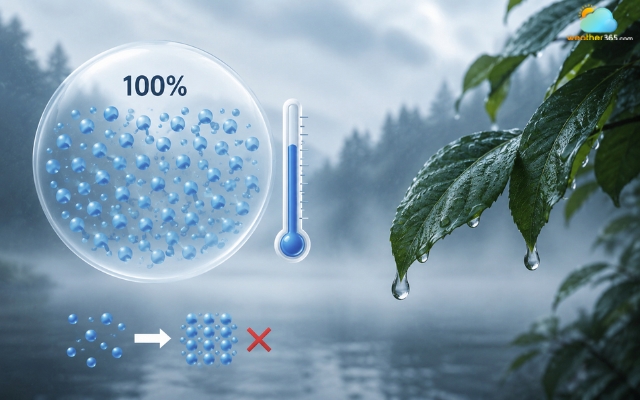
No, 100% humidity does not automatically mean it is raining.
It simply means the air is holding as much water vapor as possible at its current temperature.
In many cases, saturated air produces fog, mist, dew, and low clouds, rather than rainfall.
100% humidity does not necessarily mean raining
What Happens at 100% Humidity?
At 100% humidity, the air is fully saturated with water vapor and cannot hold any more moisture at its current temperature.
The impact varies by region, but the main issue is the same: the air is already holding as much moisture as it can.
This leaves little room for more water vapor.
Outdoors
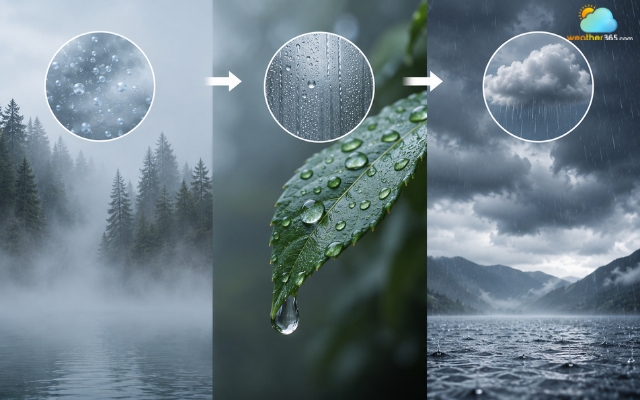
When outdoor humidity reaches 100%, the atmosphere is at its moisture-holding limit.
Small changes in temperature can quickly trigger condensation.
Fog and Mist
One of the most common effects is the formation of fog or mist.
When air cools to its dew point, water vapor begins changing into tiny liquid droplets suspended in the air.
These droplets are what create fog near the ground and mist in humid conditions.
Saturation occurs when air reaches full moisture capacity, frequently causing low visibility on Oregon humidity and fog forecast.
Condensation
At 100% humidity, moisture can easily collect on cooler surfaces.
For example, a cold drink, a car windshield, or even a rock can cool the surrounding air enough to force water vapor to condense.
This leaves visible droplets of water, often called dew or condensation.
Rain Formation
Although 100% humidity at ground level does not guarantee rain, saturation is an important step in the precipitation process.
Clouds form when water vapor condenses into tiny droplets high in the atmosphere.
As these droplets combine and grow larger, they may eventually become heavy enough to fall as rain, snow, or other forms of precipitation.
100% humidity outdoors is at its moisture-holding limit
Indoors
When indoor humidity reaches 100%, the air becomes completely saturated and cannot absorb any additional water vapor.
This creates a range of comfort, health, and property-related problems.
Severe Condensation
Moisture begins collecting on windows, mirrors, walls, pipes, and other cool surfaces. In extreme cases, water droplets may continuously form and run down surfaces.
Mold and Mildew Growth
Warm, damp conditions provide an ideal environment for mold and mildew.
If high humidity persists, mold can spread on walls, ceilings, furniture, carpets, and other household materials, potentially affecting indoor air quality.
Property Damage
Excess moisture can gradually damage building materials and household items.
Common issues include peeling paint, warped wood, damaged drywall, or even rust on metal surfaces.
Air Stagnancy
A home with extremely high humidity often feels stuffy, damp, and uncomfortable.
Because sweat evaporates less efficiently, people may feel warmer than the actual room temperature, making indoor spaces feel unpleasant even when the thermostat is set to a reasonable level.
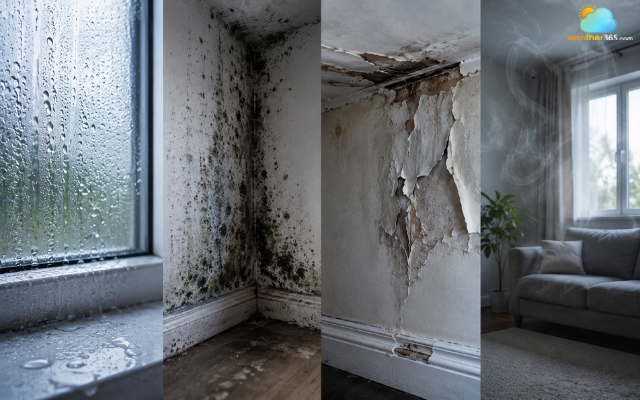
100% humidity indoors means completely saturated air
How Does 100% Humidity Feel on the Human Body?
100% humidity often makes the body feel less comfortable because the air is already saturated with moisture.
As a result, the body's natural ability to regulate temperature becomes less effective, making hot weather feel hotter and cold weather feel colder.
In Hot Weather
When temperatures are high, 100% humidity can turn an already warm day into an exhausting and potentially dangerous one.
The body relies on sweat evaporation to stay cool. Normally, sweat evaporates from the skin and carries excess heat away.
But when the air is completely saturated with water vapor, evaporation slows dramatically because there is little room for additional moisture in the atmosphere.
This means sweat tends to remain on the skin instead of evaporating. Even though the body continues producing sweat, it cannot cool itself as efficiently.
As a result, you may feel sticky, overheated, and far warmer than the actual air temperature suggests.
For example, 35°C (95°F) combined with 100% humidity can place significant stress on the body's cooling system.
Prolonged exposure may increase the risk of heat exhaustion and, in severe cases, heat stroke.
Coastal regions in the southern United States frequently face these exact oppressive, high-moisture conditions during peak summer months.
To see how this affects daily comfort in real life, you can monitor the current humidity in Miami to track real-time saturation levels.
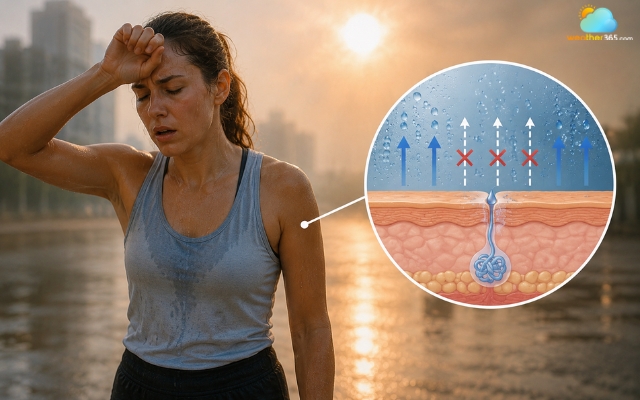
100% humidity in hot weather can feel very overheated
In Cold Weather
High humidity can also make winter weather feel more uncomfortable. (Read more: What is considered high humidity!)
While some cities experience bone-chilling damp cold, arid desert locations tend to stay crisp and dry even when winter temperatures drop.
Check out the real-time humidity in Las Vegas to view current atmospheric moisture levels.
Although cold air naturally holds less moisture than warm air, humid conditions can still influence how we perceive temperature.
Water vapor transfers heat more effectively than dry air, allowing body heat to escape faster into the surrounding environment.
This is why a cold, damp day often feels more penetrating than a cold, dry one.
Moisture in the air can create a clammy sensation on the skin and reduce the insulating effect of clothing, making it harder to stay warm.
As a result, many people find that humid winter conditions feel colder than the thermometer reading alone would suggest.
The actual temperature may not be extremely low, but the added moisture can make the air feel raw, damp, and noticeably less comfortable.
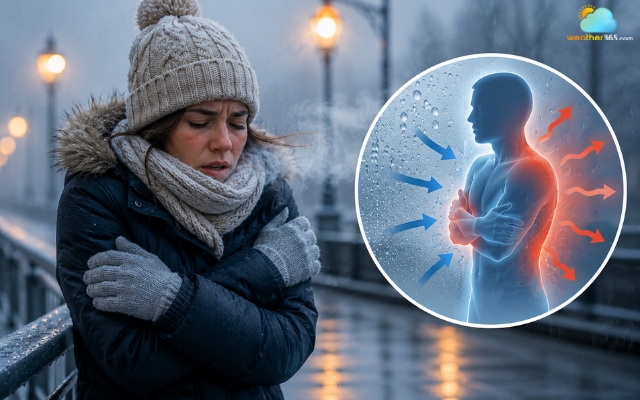
100% humidity in cold weather can feel uncomfortable
How To Control Indoor Humidity?
The easiest way to control indoor humidity is to keep it between 30% and 50%.
This helps prevent condensation, mold growth, and moisture damage.
Here are some simple ways to reduce excess humidity:
Use a dehumidifier to remove excess moisture from the air.
Improve ventilation by using exhaust fans and opening windows when possible.
Fix leaks quickly to prevent extra moisture from building up indoors.
Use air conditioning during humid weather to help remove moisture.
Dry wet areas promptly, especially in bathrooms, kitchens, and basements.
Monitor humidity levels with a hygrometer so you can spot problems early.
Keeping indoor humidity at a healthy level can make your home more comfortable and reduce the risk of mold, mildew, and property damage.
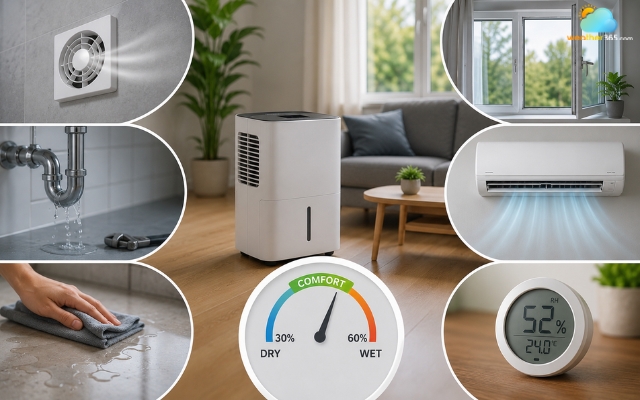
Keep indoor humidity between 30% and 50%
Sum up
What is 100% humidity? It means the air is fully saturated with water vapor at its current temperature, not that rain is guaranteed. By knowing how humidity affects the environment and your body, you'll be better prepared for both humid summer days and damp winter conditions.
Frequently Asked Questions (FAQs)
Related post
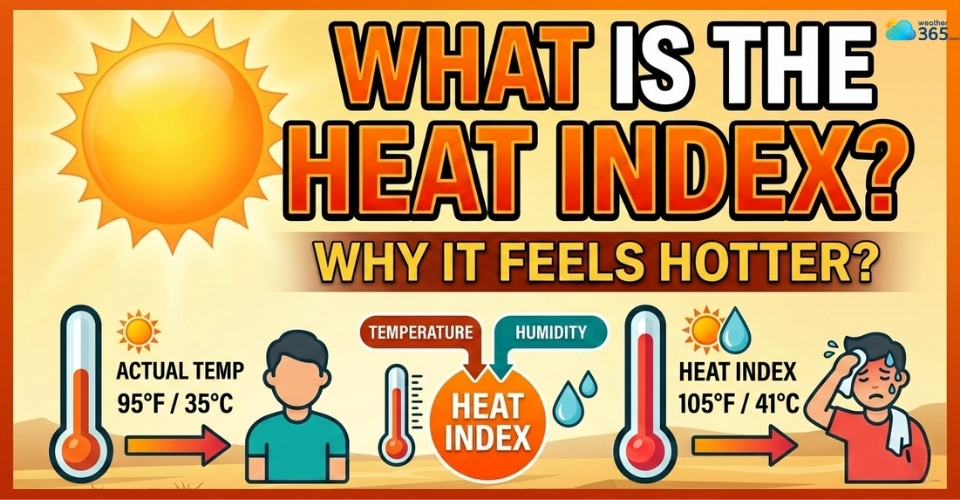
What Is the Heat Index and Why Does Humidity Make Heat Feel Worse?
 1536
1536
 8
8
 4.9
4.9
 18/08/2026
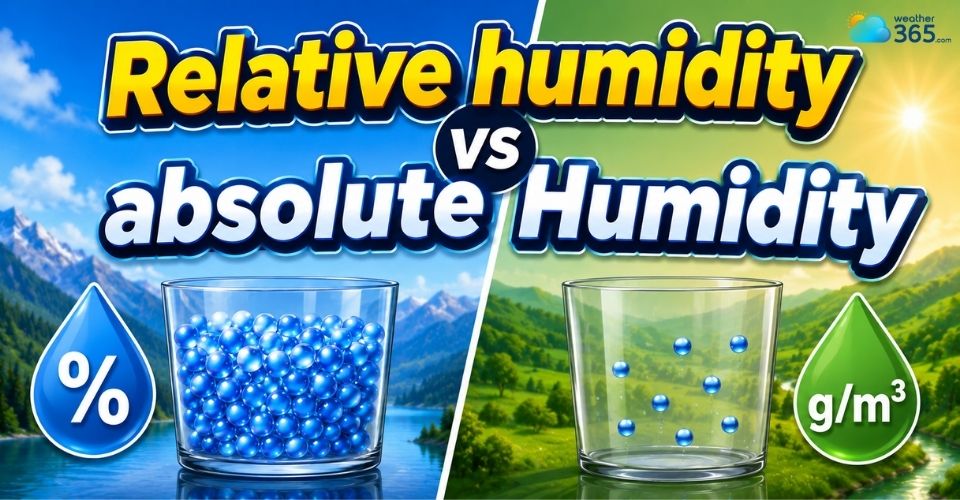
Relative Humidity vs Absolute Humidity: What is the Difference?
104
0
5.0
07/09/2026
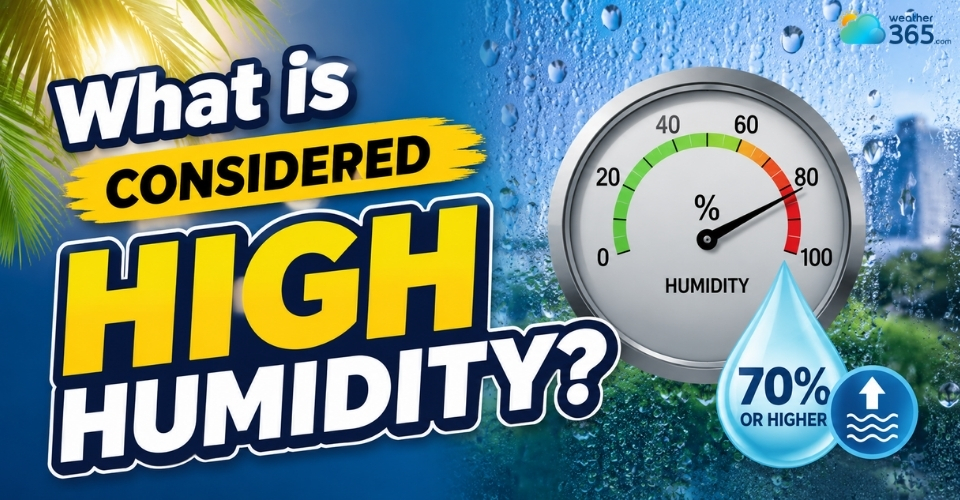
What Is Considered High Humidity? Steps To Manage Ideal Humidity Level
85
0
4.9
22/08/2026

0 Comment
Leave a comment
Your email address will not be published. Required fields are marked *