




Foggiest Places on Earth: What are the Top 10 Areas with the Densest Fog?


Have you ever seen places where fog never seems to lift? The foggiest places on earth are home to stunning landscapes living under a blanket of mist. Let’s uncover the top 10 spots where fog happens almost every day!
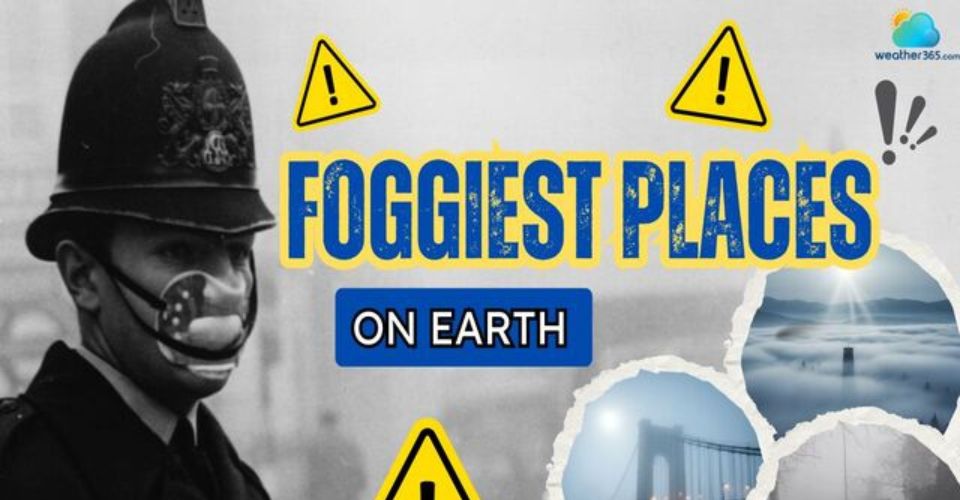
What is the foggiest place on earth?
- How does fog form?
- 10 Foggiest Places on Earth
- Grand Banks - Newfoundland
- Atacam Coast, Chile
- Po Valley, Italy
- Swiss Plateau, Switzerland
- Namib Desert, Africa
- Mistake Island, Maine
- San Francisco, California
- Cape Disappointment, Washington
- Point Reyes, California
- Hamilton, New Zealand
- The thickest fog ever recorded in the world
- Why fog happened?
- Impact
How does fog form?
Fog forms when warm, moist air near the ground cools enough for water vapor to condense into tiny droplets.
After sunset, the Earth loses heat, cooling the air directly above it - a process called radiative cooling. When this air reaches its dew point, condensation starts. The water vapor then turns into fine droplets that cling to tiny particles like dust or salt, creating a thick mist close to the surface.
Drop by What is fog to learn details about fog formation!
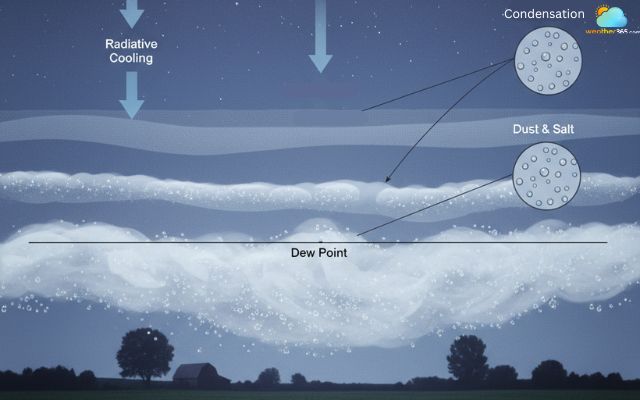
Freezing fog forms through 3 stages
Unlike clouds, fog stays near the ground, reducing visibility as light scatters through the suspended droplets.
Once the sun warms the surface, the air can hold more moisture again, and the fog slowly fades away.
Fog does not occur everywhere with the same frequency.
Some places experience it only occasionally, while others are enveloped in mist hundreds of days a year due to their unique climate and geography.
10 Foggiest Places on Earth
Have you ever noticed how some places seem to be wrapped in fog almost all the time?
Certain regions, due to their geography and climate, experience thick mist for much of the year.
Let’s take a closer look at the 10 foggiest places on Earth and uncover why fog is so common there.
Grand Banks - Newfoundland
The Grand Banks lie off the southeast coast of Newfoundland, where two major ocean currents meet (the cold Labrador Current flowing south from the Arctic and the warm Gulf Stream moving north from the tropics).
This sharp temperature contrast creates a perfect environment for advection fog. On average, Grand Banks experiences around 200 foggy days each year.
When warm, moist air from the Gulf Stream passes over the colder surface waters of the Labrador Current, the air rapidly cools to its dew point, causing water vapor to condense into thick fog.
The region’s shallow banks and persistent oceanic winds trap this moisture close to the surface, making the Grand Banks one of the foggiest places on Earth.
Grand Banks is one of the foggiest places on Earth
Atacam Coast, Chile
Stretching along northern Chile, the Atacama Coast borders the cold Humboldt Current, which flows northward along the Pacific Ocean.
Although the Atacama Desert is among the driest regions on Earth, its coast experiences frequent coastal fog known as camanchaca.
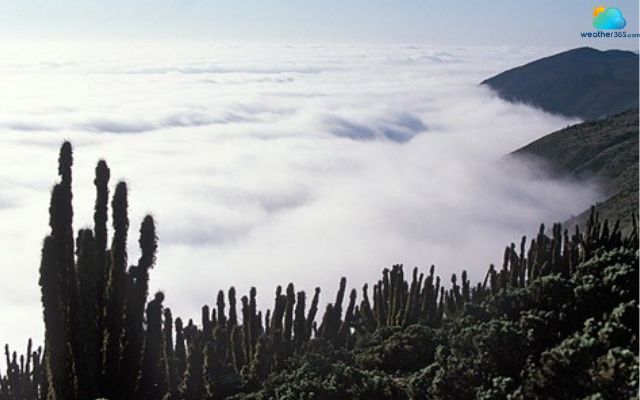
The Atacama Coast experiences frequent coastal fog
Fog here forms when moist marine air moves inland over the desert’s cool surface, causing rapid condensation.
Temperature inversions, warm air above a cooler surface layer, prevent vertical mixing, keeping fog close to the ground. Strong winds from the ocean also push this fog inland, bringing essential moisture to the otherwise barren desert.
In some coastal valleys, fog appears over 100 days a year, so much that locals use fog nets to capture water droplets for drinking and irrigation.
Po Valley, Italy
The Po Valley lies in northern Italy, enclosed by the Alps to the north and the Apennines to the south.
This basin-like geography traps cool, humid air, especially during the calm, windless nights of winter.
As the ground cools through radiative loss, the air near the surface quickly reaches its dew point, forming radiation fog that can persist for days.
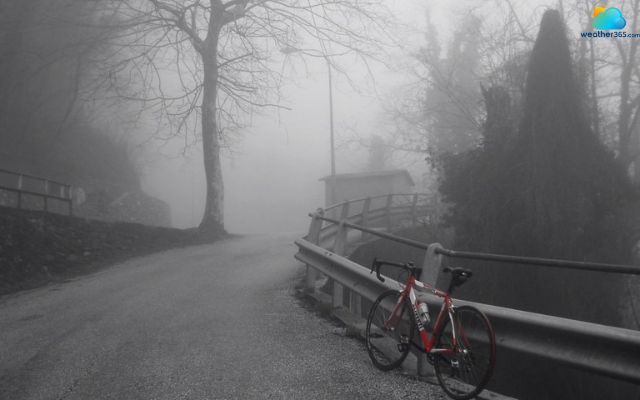
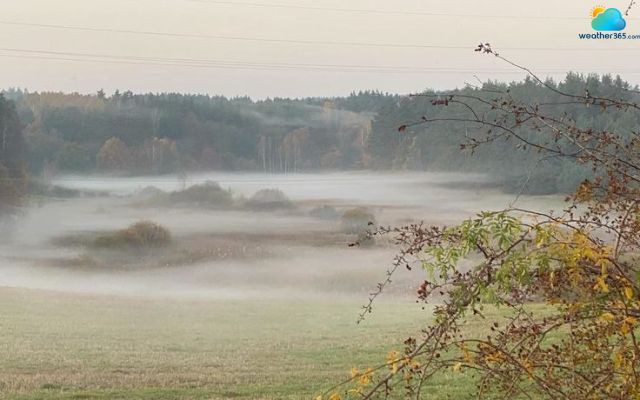
Fog comes suddenly at dawn in the Po Valley, Italy
The valley’s industrial emissions and water bodies further enhance condensation by supplying abundant particles. Because the surrounding mountains prevent air circulation, fog accumulates and thickens.
Major cities like Milan and Bologna can experience foggy conditions 60–90 days a year, making the Po Valley one of Europe’s most persistent fog zones.
Swiss Plateau, Switzerland
Located between the Jura Mountains and the Alps, the Swiss Plateau is a low-lying basin where fog frequently develops, especially in autumn and winter.
During high-pressure weather systems, temperature inversions form: warm air above traps cold, moist air near the ground.
Without wind to disperse it, the air becomes saturated, creating thick fog or low stratus clouds that can last several consecutive weeks.
Moisture from nearby lakes and rivers feeds the process, while surrounding mountains block fresh air from circulating.
This is why cities like Zurich or Bern often stay covered in fog for days, even while mountaintops above enjoy bright sunshine.
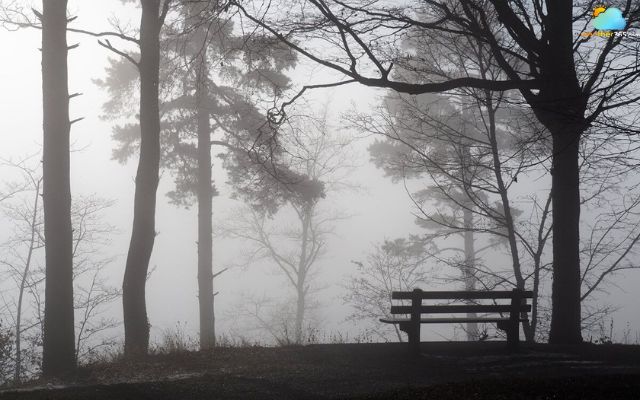
The Swiss Plateau is often covered in fog
Namib Desert, Africa
The Namib Desert - one of the foggiest places on earth - lies along Namibia’s Atlantic coast.
In this region, the cold Benguela Current collides with warm air from the land, producing fog around 100-200 days each year.
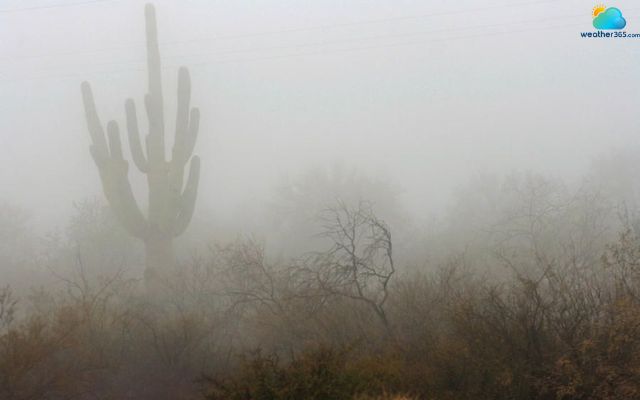
The Namib Desert witnesses around 100-200 days in fog annually
The temperature difference between the chilly ocean and the hot inland desert drives advection fog inland each morning.
As moist air from the Atlantic moves over the cold water surface, it cools rapidly, and the vapor condenses into fog. Ocean breezes push this mist tens of kilometers inland, providing vital moisture to desert ecosystems.
Many plants and insects, like the fog-basking beetle, have evolved to collect water directly from fog droplets.
This is an extraordinary adaptation to one of Earth’s harshest environments.
Mistake Island, Maine
Mistake Island sits off the coast of Maine, exposed directly to the cold waters of the Gulf of Maine.
The mixing of cold coastal waters and warmer maritime air produces frequent advection fog, especially in late spring and summer.
Here, persistent fog occurs over 150 days a year on average.
Calm mornings allow fog to settle and linger around the island, sometimes reducing visibility to a few meters.
Its position along the Atlantic shipping routes historically made navigation even more hazardous, which is why the island earned its cautionary name.
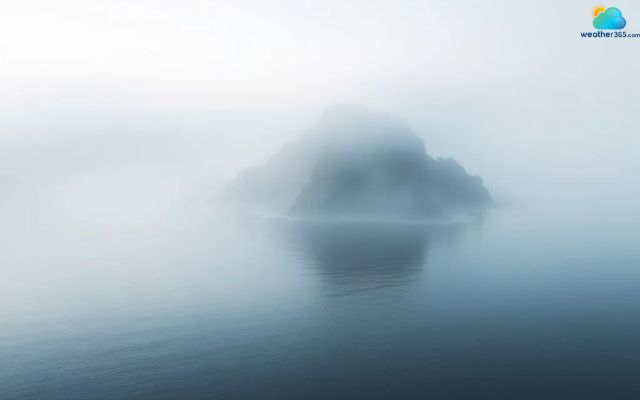
Mistake Island experiences over 150 foggy days annually
San Francisco, California
San Francisco is world-famous for its coastal fog, locally nicknamed Karl the Fog. The city experiences fog on roughly 100-150 days annually, giving its skyline a mystical, cloud-wrapped appearance.
This fog develops when cool Pacific air moves over the warm inland valleys of California, creating a strong temperature gradient.
The iconic Golden Gate acts as a funnel, drawing the dense marine layer into the city. Most summer mornings see fog rolling in, often lifting by afternoon as inland areas heat up.
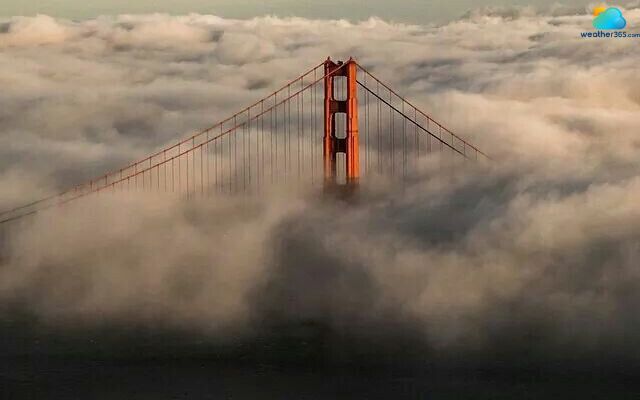
The “Karl the Fog” experiences around 100-150 foggy days annually
Cape Disappointment, Washington
Cape Disappointment lies at the mouth of the Columbia River along Washington’s Pacific coast.
Cold ocean currents meet moist, warm air masses from the Pacific, producing dense and persistent fog. Mountain ridges inland block air movement, trapping the fog near the coast.
The cape records over 104 foggy days annually, making it one of the foggiest cities in the US.
Its thick mist has historically complicated navigation, requiring the construction of lighthouses and foghorns for safety.
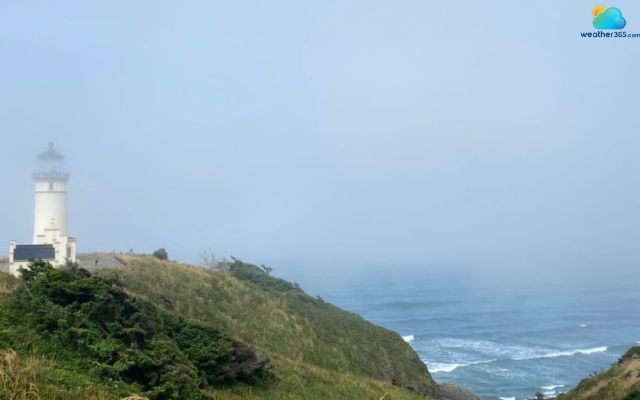
Cape Disappointment records over 2,500 hours of fog annually
Point Reyes, California
Just north of San Francisco, Point Reyes juts into the Pacific Ocean, creating a natural channel for marine fog. This region experiences fog roughly 100 days a year, shaping both the climate and the unique coastal ecosystem.
The fog forms when cool ocean air encounters warmer coastal land, often during summer mornings.
Topography, including cliffs and valleys, enhances fog accumulation and persistence.
Fog often makes visibility here drop drastically, with it arrives in dense banks that move inland gradually.
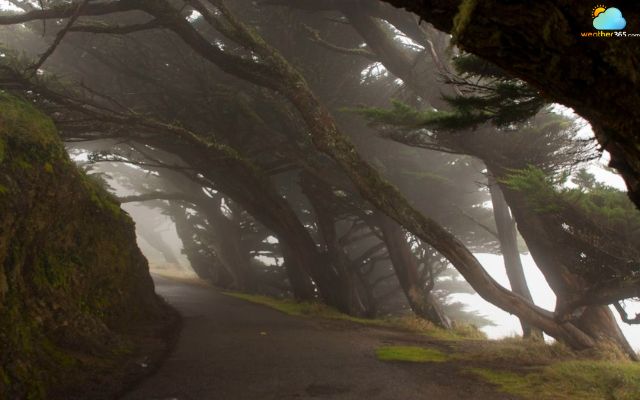
Fog in the Point Reyes National Seashore
Hamilton, New Zealand
Hamilton sits in the Waikato region of New Zealand, in a low-lying river valley surrounded by hills.
Here, radiation fog is common in autumn and winter when clear nights allow the ground to cool rapidly.
Moisture from the Waikato River and nearby lakes saturates the air, creating fog that can linger through the morning.
Temperature inversions trap cold air close to the ground, preventing dispersal.
As a result, Hamilton sees frequent foggy mornings, often reducing visibility to near zero and influencing transport and daily life.
Hamilton usually sees frequent fog in the morning
The thickest fog ever recorded in the world
The Great Smog of London in December 1952 stands as one of the most severe air pollution events in history.
Lasting from December 5 to December 9, this dense, toxic fog enveloped London, leading to widespread health crises and significant mortality.
The event was characterized by exceptionally low visibility, with some areas experiencing conditions so thick that pedestrians could not see their own feet.
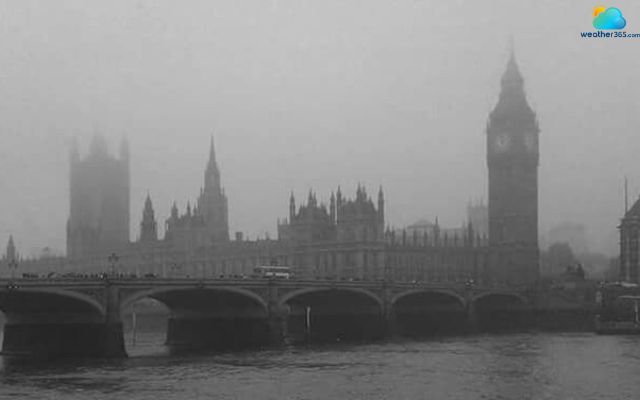
The 1952 Great Smog of London is one of history’s worst air pollution events
Why fog happened?
The smog developed due to a combination of unusual weather conditions and heavy air pollution.
A temperature inversion occurred when a high-pressure system trapped cold air near the ground beneath a layer of warmer air above.
This prevented pollutants from dispersing upward, causing them to accumulate at street level.
At the same time, the widespread burning of low-quality, sulfur-rich coal for heating released massive amounts of smoke and sulfur dioxide into the atmosphere.
Calm winds meant the polluted air could not move away, and moisture in the air combined with smoke particles to create a dense, yellowish fog that lingered for days.
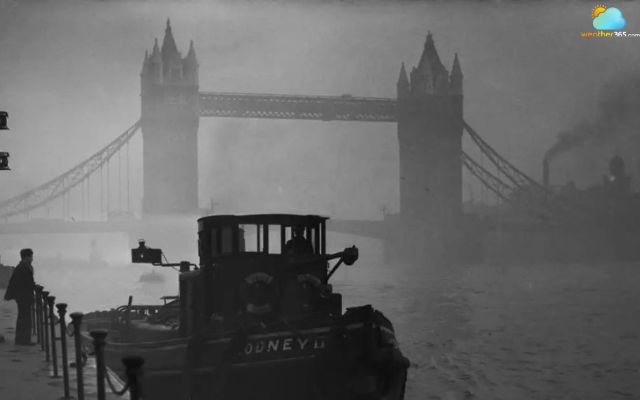
The Great Smog developed due to unusual weather conditions, heavy air pollution
Impact
The effects of the Great Smog on health and daily life were devastating.
The immediate fatality toll was officially around 4,000 people, though later studies suggest the number may have reached as high as 12,000.
Many residents suffered from respiratory illnesses, including bronchitis and pneumonia, and vulnerable populations such as the elderly were especially affected.
Visibility was drastically reduced, halting transportation, canceling public events, and making simple daily tasks hazardous.
The smog even penetrated indoor spaces, forcing people to stay inside and disrupting normal city life for several days.
Moreover, the Great Smog prompted significant changes in environmental policy and public awareness.
In 1956, the UK government passed the Clean Air Act, which promoted the use of smokeless fuels and regulated industrial emissions to prevent similar disasters.
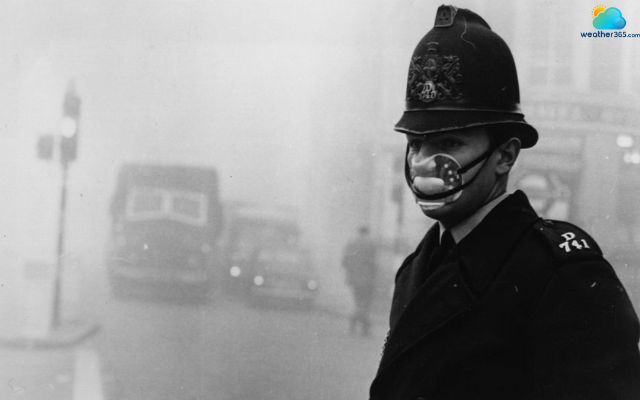
The Great Smog in London caused serious impact on people’s health
Conclusion
Now you know the top 10 foggiest places on Earth, where dense fog is a daily companion. From coastal cities to inland valleys, the mist affects everything from ecosystems to human activities. These areas remind us how geography and climate work together to create unique, often mysterious landscapes worth discovering.
Frequently Asked Questions (FAQs)
Related post

13 Interesting Fact about Fog: You Will Be Surprised At The Last One
 223
223
 0
0
 4.9
4.9
 13/04/2026
Foggiest Places on Earth: What are the Top 10 Areas with the Densest Fog?
215
0
5.0
06/04/2026

How to Drive in Fog: A Complete Guide to Handling Reduced Visibility
184
0
4.9
06/04/2026

0 Comment
Leave a comment
Your email address will not be published. Required fields are marked *