




Boating in Fog: How to Navigate a Boat in Foggy Conditions and Stay Safe


Boating in fog is scary due to visibility drops, landmarks disappearing, and even sound getting distorted. But don’t worry! Scrolling down, and we will walk you through everything you need to know about boating in fog - how to prepare, what to do on the water, and how to stay safe if you lose your bearings.
Boating in Fog
Dangers of boating in fog
Fog is one of the most dangerous weather conditions you can face when driving or boating.
When visibility drops suddenly, detecting obstacles, judging distances, or even determining direction becomes hard.
In fact, different types of fog pose varying levels of danger for boaters.
For instance, sea fog can form quickly over cold ocean currents, while radiation fog often develops overnight near the coast.
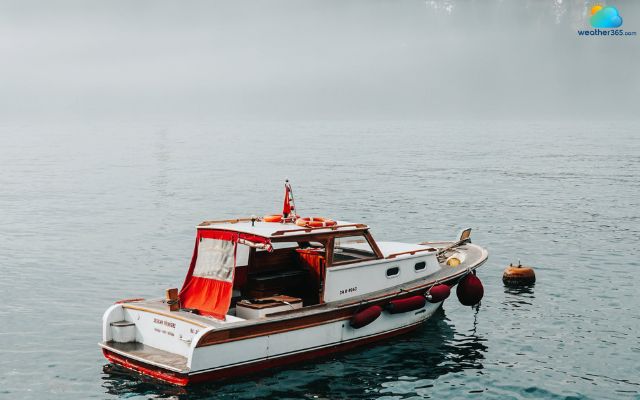
Boating in fog can be hazardous without preparing
According to the US Coast Guard’s 2023 Recreational Boating Statistics, over 3,800 boating accidents occurred nationwide, resulting in 564 fatalities with improper lookout listed among the top causes.
The US National Weather Service defines fog as visibility less than 1 kilometer (0.6 miles). For marine navigation, fog is categorized into four visibility levels based on international standards:
Very poor visibility: less than 0.45 nautical miles
Poor visibility: between 0.5 and 2 nautical miles
Moderate visibility: between 2 and 5 nautical miles
Good visibility: over 5 nautical miles
When visibility drops below 2 nautical miles, normal navigation becomes extremely difficult, especially in busy waterways or coastal zones.
Even radar and GPS can sometimes struggle to interpret close-range objects like buoys, floating debris, or smaller boats.
Safety Tips for Boating in Fog
Foggy conditions demand extra caution and sharper skills.
Whether you’re a beginner or an experienced captain, these boating in fog safety tips will help you stay calm, make smart decisions, and keep control of your vessel.
Before you go
Checking the forecast before heading out is your first line of defense. Always get updates from a VHF NOAA Weather Radio or a trusted weather forecast site like Weather365.
Fog is most likely to develop after a rainshower followed by calm winds and clear skies, which allow moisture to linger near the surface. On clear nights, the ground cools rapidly, causing the air above it to reach its dew point and form fog.
In coastal areas, fog can appear when winds blow moist air inland from the sea, or when warm, humid air passes over a cooler body of water, leading to rapid condensation.
Stay tuned with the weather forecast is not enough, to ensure safety on the boat, you should also:
Fuel up your boat completely.
Check your navigation lights, horn, and radio to ensure they’re in perfect working condition.
If the fog is too thick, consider delaying your trip.
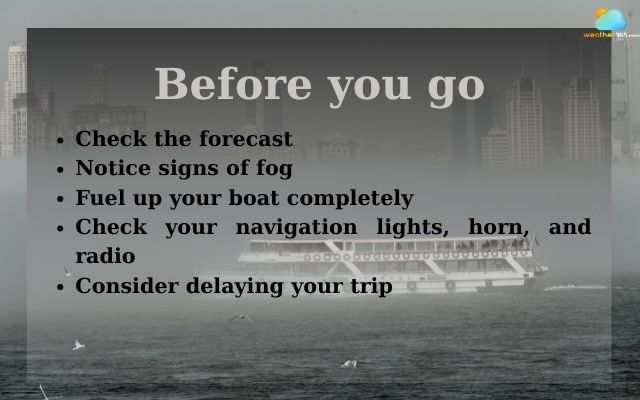
Prepare carefully before boating in fog
During your trip
If you encounter fog while you’re already on the water, the key is to stay calm and methodical.
Here’s what to do:
Reduce speed
Slow your boat down to a pace where you can safely react and stop within the visible distance ahead.
Moving too fast can cause you to collide with unseen obstacles or other vessels.
Turn on the running lights
Switch on your navigation lights, even during the day.
They make your presence visible to nearby boats and help prevent collisions.
Post a lookout
Assign someone as a lookout at the bow to watch for other boats, buoys, or floating objects.
A second pair of eyes (and ears) is invaluable in low visibility.
Use instruments
Your onboard tools, such as GPS, radar, and depth sounders — are your best friends in foggy conditions.
Use GPS to track your position and maintain a safe course.
Use radar to detect other vessels or large structures nearby.
Use depth sounders to ensure you’re not drifting into shallow areas.
Listen for sound signals
Sound behaves differently in fog - it can bend, echo, or travel farther than usual.
Listen carefully for horns or bells from nearby boats or buoys.
These sounds help you determine direction and distance even when visibility fails.
Stay informed
If you don’t have advanced navigation instruments, rely on your compass and nautical charts.
Note landmarks, headings, and changes in depth to keep track of your position.
Continuous awareness of where you are can prevent panic.
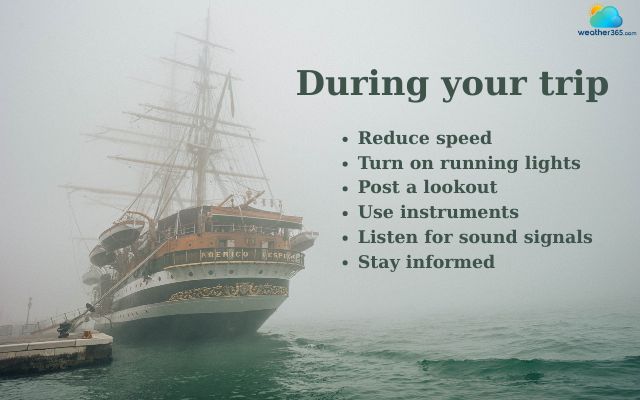
Safety tips while boating in fog
If you’re lost
If fog becomes too thick and you can’t determine your bearings, do not panic.
Here’s what you should do:
Anchor safely: Drop anchor in a safe area away from shipping lanes or heavy traffic zones.
Turn off engines if necessary: This helps you listen for approaching boats or foghorns.
Use your horn or whistle: Sound your position using standardized fog signals so others can detect you.
Monitor your radio: Contact the nearest coast guard or marina if you feel disoriented.
Taking these steps helps you have time and safety until the fog begins to clear or rescue assistance arrives.
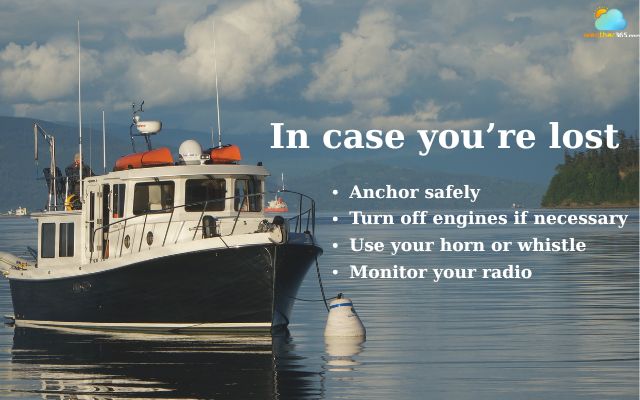
What to do if you get lost while boating in fog?
Also read: How to drive in fog?
Do boats let off horns in fog?
Absolutely. According to international maritime regulations, all boats are required to use sound signals when navigating in restricted visibility, including fog, heavy rain, or snow.
The foghorn is the most important of these tools.
It helps other vessels determine your position, direction, and movement when visual contact is impossible.
Here’s how the signals work:
Power-driven vessels underway: one prolonged blast every two minutes.
Sailing vessels underway: one prolonged blast followed by two short blasts every two minutes.
Vessels at anchor: ring a bell for about five seconds every minute.
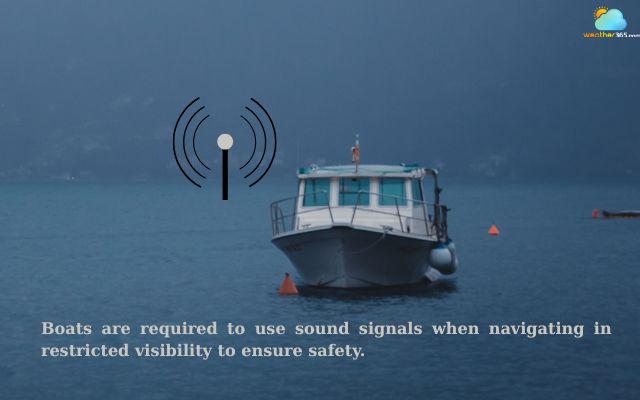
Fog horn must be used in fog conditions
Conclusion
Boating in fog requires patience, preparation, and calm decision-making. The best strategy is prevention: know the forecast, check your equipment, and delay your trip if visibility looks uncertain.
Frequently Asked Questions (FAQs)
Related post

7 Common Types of Fog and What Makes Each One Unique
 324
324
 8
8
 4.7
4.7
 13/04/2026
How to Drive in Fog: A Complete Guide to Handling Reduced Visibility
245
8
4.9
07/04/2026
What is Freezing Fog: Understand Its Formation and Hazards Clearly
241
8
4.8
13/04/2026

8 Comment
Willa Wright
Why is reducing speed so important in fog?
weather365
Because you need enough time to react and stop within the distance you can actually see.
Maeve Wright
What should you do if you suddenly lose your bearings in thick fog?
weather365
Stay calm, slow down or stop, and anchor somewhere safe if possible. You can also use your radio to contact the coast guard or marina.
Dahlia Perez
Can GPS and radar completely replace having someone watching for obstacles?
weather365
Not really. The article points out that even these instruments can have trouble with small boats, buoys, or floating debris, so a lookout is still important.
Quinn Moore
Should you always turn on navigation lights when boating in fog, even during the daytime?
weather365
Yes. Use running lights so other boats can see you more easily in low visibility.
Leave a comment
Your email address will not be published. Required fields are marked *