




Earthquake Safety Tips: What To Do Before, During, and After An Earthquake


Ever wondered which earthquake safety tips could truly save your life when the ground starts shaking? While earthquakes strike without warning, knowing the right steps before, during, and after can make all the difference. In this guide, we will provide you with practical strategies to keep you and your loved ones safe.
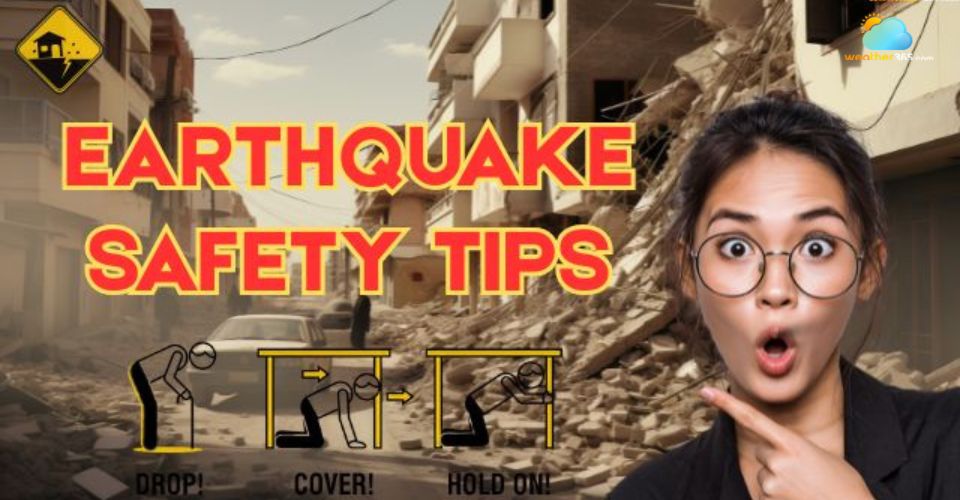
Earthquake Safety Tips
Earthquake Safety Tips: BEFORE
If there are signs of earthquake coming, be prepared and get everything ready!
Preparation is the most important step you can take to reduce risks during an earthquake.
Here are the essential earthquake safety tips to follow before an earthquake happens:
Make a plan and practice
Having an emergency plan ensures everyone knows what to do in the middle of chaos.
Choose safe meeting spots and decide how to communicate if networks are down.
Practice the “Drop, Cover, and Hold On” drill at home, at work, and at school until it becomes instinctive.
These drills are especially important for residents of California, Alaska, and Washington, where earthquakes occur more frequently than in most parts of North America.
You can explore more details in our guide on earthquake preparedness.
Prepare an emergency kit
Keep a ready-to-grab emergency kit with at least three days’ supply of food, water, flashlight, radio, spare batteries, and first aid.
Include personal medications, important documents, phone chargers, and supplies for pets.
A small but complete kit can make the critical difference in the first days after a quake.
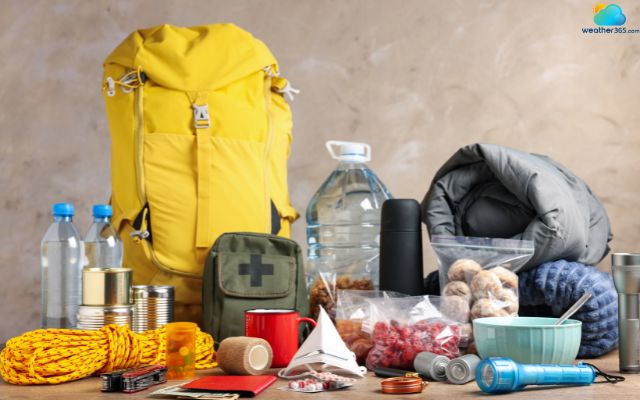
Do not forget a emergency kit
Secure your home
Your home can turn dangerous if furniture and objects are not anchored.
Fasten shelves, cabinets, and water heaters. To avoid falling, store heavy goods on lower shelves.
If your house has weak structures, reinforce them before it is too late.
If your house has weak structures, reinforce them before it is too late.
This is particularly important in earthquake-prone regions such as Utah and Hawaii, where seismic activity can damage poorly secured homes.
Learn basic skills
Knowing first aid, and how to shut off electricity, gas, and water could save lives.
Learn the earthquake safety rules at your workplace or school so you can act quickly when danger strikes.
Special considerations
If you live in a high-rise, identify sturdy furniture to shelter under and avoid elevators.
People with mobility challenges should plan ahead and practice protective moves. Also prepare a pet emergency kit, since animals need safety too.
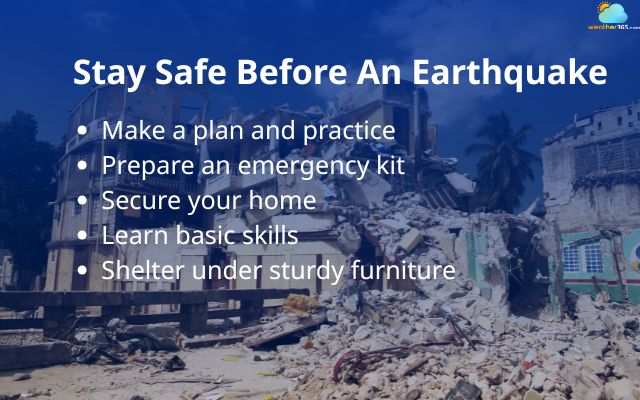
5 safety tips for earthquakes
Earthquake Safety Tips: DURING
Earthquakes strike without warning, and the first seconds are often the most dangerous. Staying calm and knowing exactly how to react can save lives.
The golden rule is simple: “Drop, Cover, and Hold On.” But your actions will also depend on where you are when the shaking starts.
If You Are Indoors
Drop, Cover, and Hold On
Get down on your hands and knees to prevent being knocked over.
Take cover under a sturdy desk or table, and hold on tightly until the shaking stops.
If no shelter is nearby, crouch near an interior wall and protect your head and neck with your arms.
Stay put
Do not run outside during the shaking. Many injuries occur when people rush for exits and are struck by falling glass, bricks, or debris. It is usually safer to remain inside until the tremors end.
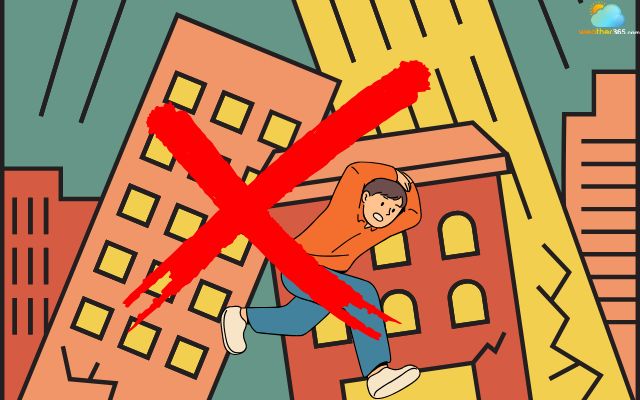
Do not run outside during the shaking
Avoid dangerous items
Stay away from windows, mirrors, and tall furniture that may tip over. Glass and heavy objects can become deadly projectiles in seconds.
In Bed
If you are in bed, stay there. Protect your head with a pillow and wait until the shaking ends. Only move if you are directly under something that could fall.
In a Wheelchair
Lock the wheels, bend forward, and cover your head and neck. Try to position yourself away from windows and overhead hazards.
In a High-Rise
Move away from windows and exterior walls. If possible, take cover under a substantial piece of furniture.
Since structural shaking intensity varies based on the energy levels defined by the Earthquake Magnitude Scale, do not use elevators, as they may fail or trap you inside.
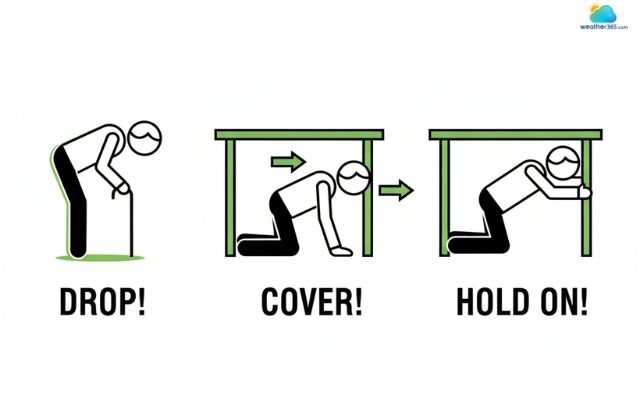
How to stay safe during an earthquake?
If You Are Outdoors
Move to an open area: If you are outside, quickly move away from buildings, trees, streetlights, or utility wires. Historically, during some of the largest earthquakes in the world, the majority of outdoor injuries were caused by collapsing structural facades rather than the ground opening up.
Drop to the ground: Once in the open, drop down and stay low. This will help you maintain balance and protect you from being knocked over.
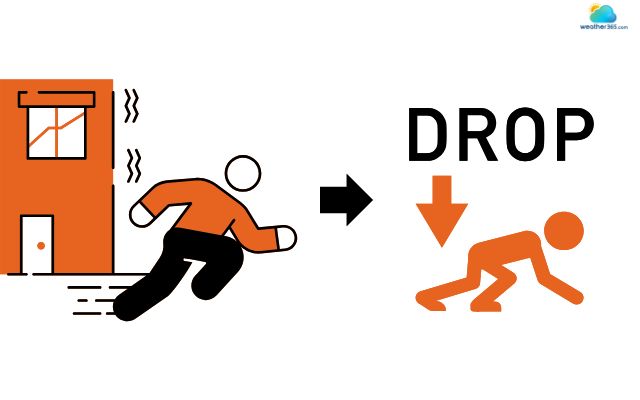
Move away from buildings during an earthquake
If You Are in a Vehicle
Pull over safely: Stop your vehicle as quickly and safely as possible. Park away from overpasses, bridges, tunnels, or power lines.
Stay in your vehicle: Keep your seatbelt fastened and remain inside until the shaking stops. Vehicles provide protection from falling debris.
Proceed with caution: Once the tremors end, drive slowly. Be alert for cracks in the road, fallen rocks, broken glass, or damaged infrastructure.
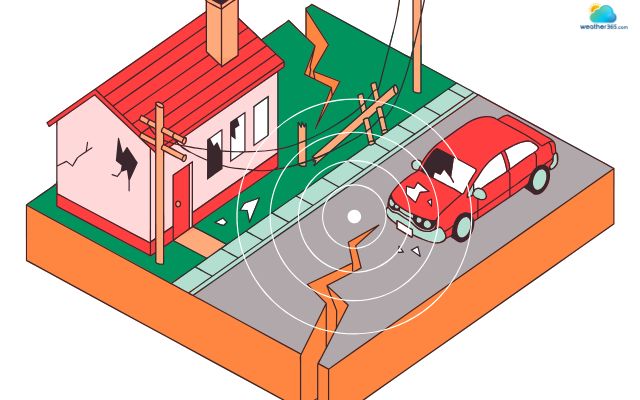
Stay inside your vehicle until the shaking stops
Earthquake Safety Tips: AFTER
Surviving the initial quake is only the beginning.
Many accidents and injuries occur after the ground stops shaking. Knowing how to act in the hours and days following is crucial.
These earthquake safety tips will help you stay safe, protect your home, and support your community.
Be aware of aftershocks
Earthquakes often come with aftershocks, which can be nearly as strong as the first quake.
Stay aware and prepare to "Drop, Cover, and Hold On" again.
Understanding the difference between earthquake and tremor helps you realize that even if the initial big jolt has passed, subsequent minor shakes or full-scale aftershocks can still throw you off balance.
Check for safety first
Look after yourself and those around you.
Treat injuries immediately before focusing on property. Wear sturdy shoes and gloves to protect against sharp debris, nails, or broken glass.
Prioritize health and safety over possessions.
Inspect your surroundings
Check your home for gas leaks, damaged water pipes, or exposed electrical wires.
If you smell gas, hear a hissing sound, or see broken lines, shut off the utilities right away and leave the area.
Fires and flooding are common secondary hazards after earthquakes.
To understand why the shifting of tectonic faults triggers these secondary environmental chain reactions, you can read our deep dive into what causes an earthquake.
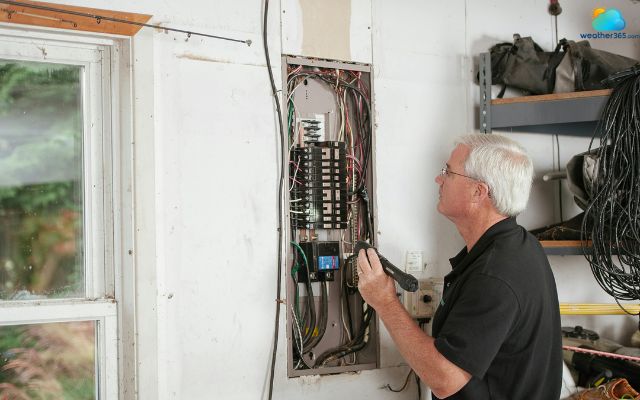
Inspect your home’s surroundings after an earthquake
Communicate wisely
Phone networks often overload after a disaster.
Use text messages or messaging apps instead of calls to save battery and keep lines open for emergencies.
Stay tuned to radios, emergency broadcasts, or official websites for reliable updates.
Cleanup and recovery
Handle debris carefully. Wear protective gear and avoid areas that look unstable.
Take photos or notes of the damage for insurance claims. Do not re-enter heavily damaged buildings until authorities confirm they are safe.
Support others and mental health
Check on your neighbors, especially the elderly, children, or people with disabilities.
Share supplies if possible and offer emotional support.
Disasters can cause stress and trauma, so caring for mental well-being is just as important as physical safety.
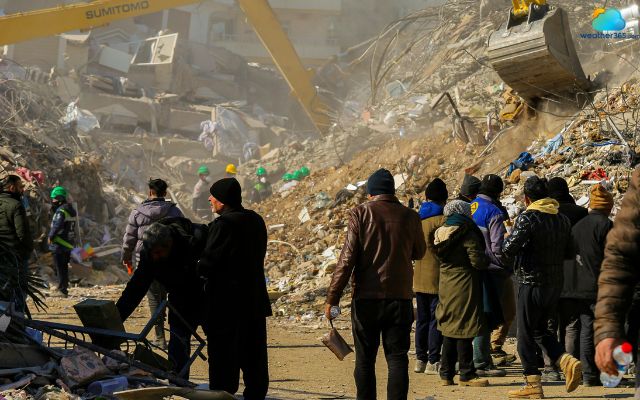
Stay alert even after the earthquake
Conclusion
Earthquake safety tips should be part of daily readiness, not just during emergencies. Being alert, practicing responses, and supporting your community will create stronger resilience. With preparation, you face quakes with confidence instead of fear, knowing you have done your best to stay safe.
Frequently Asked Questions (FAQs)
Find out more on What causes an earthquake!
Related post

Signs of Earthquake: How To Tell If Earthquakes Are Coming?
 1583
1583
 8
8
 5.0
5.0
 18/08/2026
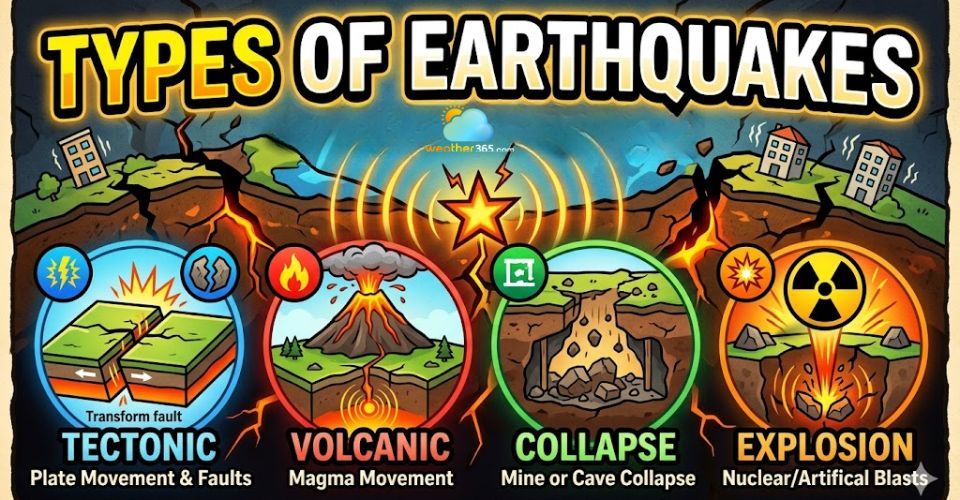
Types of Earthquake Explained: Discover How They Are Classified
1531
8
4.8
18/08/2026

Difference Between Earthquake and Tremor: How To Distinguish Them?
1508
7
4.9
18/08/2026
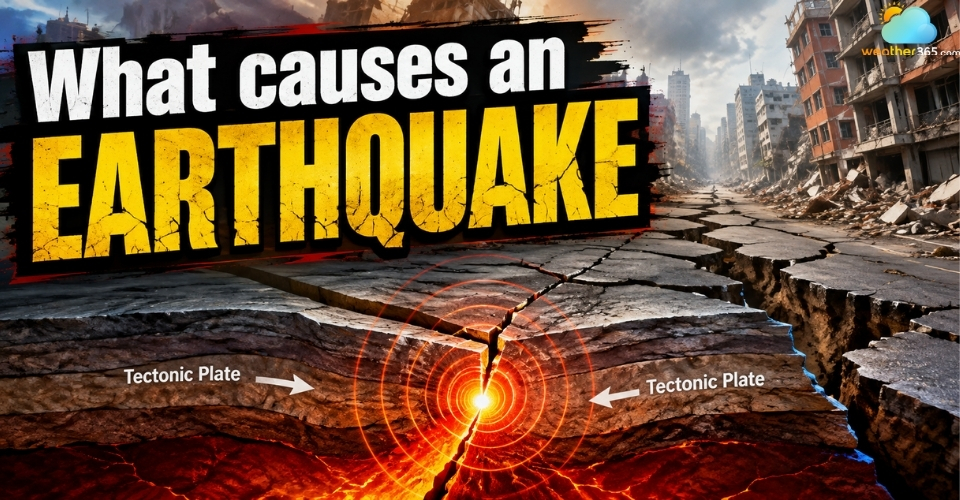
What Causes An Earthquake: Uncover the Science Behind Quakes
1382
8
4.6
18/08/2026

8 Comment
Ian Barnes
What’s the first thing you should check after the shaking stops?
weather365
Check yourself and others for injuries first, then look for hazards like gas leaks, damaged pipes, or exposed electrical wires.
Zion Morris
Is it really necessary to wear shoes after an earthquake?
weather365
Yes. Broken glass, nails, and other sharp debris can be everywhere, so sturdy shoes can help prevent injuries.
August Briggs
What should I do if Im driving when an earthquake happens?
weather365
Pull over somewhere safe, away from bridges, power lines, and other hazards, then stay inside the vehicle until the shaking stops.
Easton Carter
If I’m indoors when an earthquake starts, should I run outside or stay inside?
weather365
Stay inside and use Drop, Cover, and Hold On. Running outside during the shaking can expose you to falling glass and debris.
Leave a comment
Your email address will not be published. Required fields are marked *