




Earthquake Preparedness: Easy Steps to Minimize Risk and Stay Safe


When it comes to earthquake preparedness, most people underestimate how little time they will have to act. What should you do before the shaking begins? How can you prepare your space, your plan, and your kit? Here, we break it down into easy, actionable steps anyone can follow. Let’s explore!
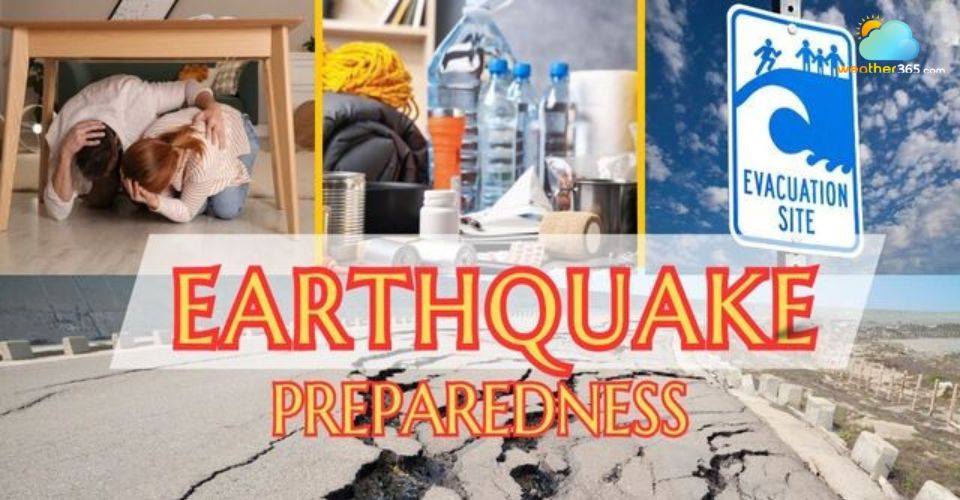
Earthquake Preparedness
Signs of an earthquake
Can earthquakes be predicted before they strike?
While there is no guaranteed way to know exactly when a quake will happen, scientists and eyewitnesses have reported several warning signs that often appear beforehand:
Animal behavior: Pets or livestock may act restlessly, anxiously, or flee without reason.
Tremors or foreshocks: Small shakes sometimes happen hours or days before the main quake.
Ground uplift: Subtle swelling, cracks, or tilting of the ground surface.
Groundwater level changes: Sudden rise or drop in well water or springs.
Gas emissions: Release of radon or unusual odors from the ground.
Unusual sky or thermal changes: Strange clouds, temperature shifts, or glowing effects.
Earthquake lights: Rare flashes or streaks of light reported before or during quakes.
Learn more in our full guide on Signs of earthquake!

Signs of an incoming earthquake
Earthquake Preparedness
Once you notice the early signs of an earthquake, knowing how to respond can save lives.
Earthquake preparedness starts before the ground shakes.
Securing your home, planning family safety, organizing emergency supplies, and minimizing financial risks all help reduce harm and ensure you can act quickly when an earthquake strikes.
Let’s discover how you can do these things!
Secure your space
Anchor heavy furniture (bookcases, cabinets) to walls to prevent tipping.
Use museum putty or non-slip pads for smaller items on shelves.
Move heavy or breakable objects to lower shelves, away from beds and seating areas.
Use latches on cabinet doors so contents do not fall out.
Strap water heaters and large cabinets to studs.
Identify “safe spots” in each room: under a sturdy table or against interior walls away from windows.
Fix structural risks (e.g. cracks, weak supports) if possible.
Looking back at the devastation caused by the largest earthquakes in the world, unreinforced masonry and structural failures were the leading causes of property loss.
Ensure windows, mirrors, and glass items are reinforced or kept away from high-traffic areas.
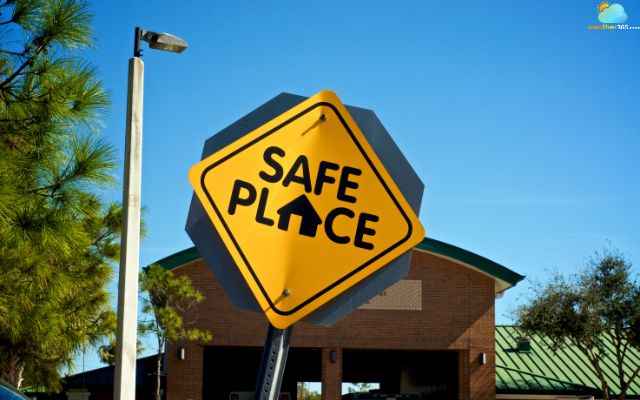
Identify a safe place before an earthquake
Plan to be safe
Create a family emergency plan: who does what, meeting places, and communication methods.
Assign roles to each family member (e.g., who grabs the emergency kit, who checks on pets).
Establish a communication plan with an out-of-area contact to relay messages if local lines are down.
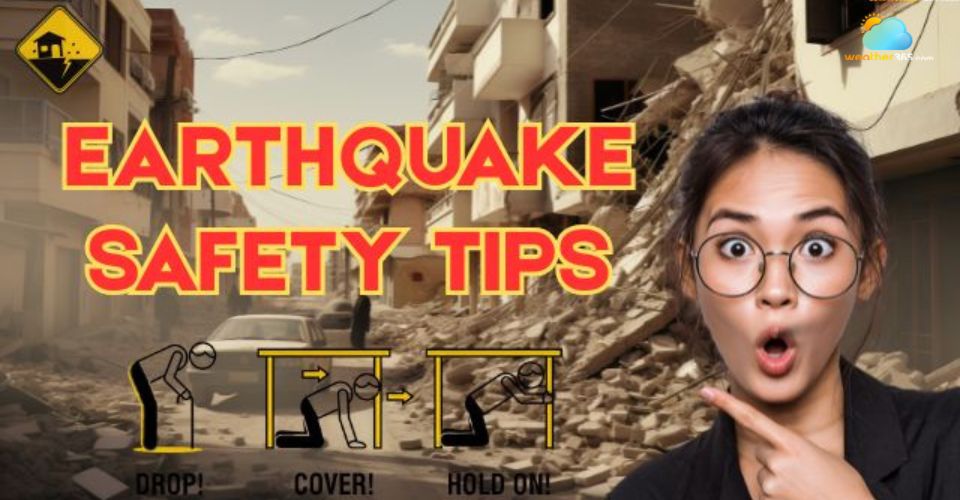
Practice “Drop, Cover, and Hold On” drills regularly so everyone knows how to act instinctively.
Remember that a quake's destructive energy expands exponentially on the Earthquake Magnitude Scale, leaving zero time for hesitation when a big one hits.
Include plans for pets, elderly family members, or anyone with special needs.
Learn to shut off utilities (gas, water, electricity) safely.
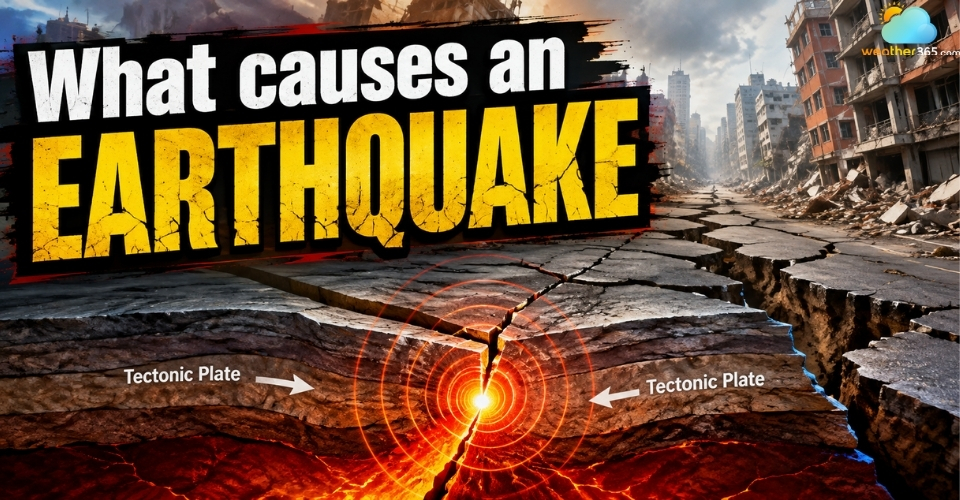
Stay informed about local seismic risk, faults, and alerts by checking our foundational guide on what causes an earthquake.
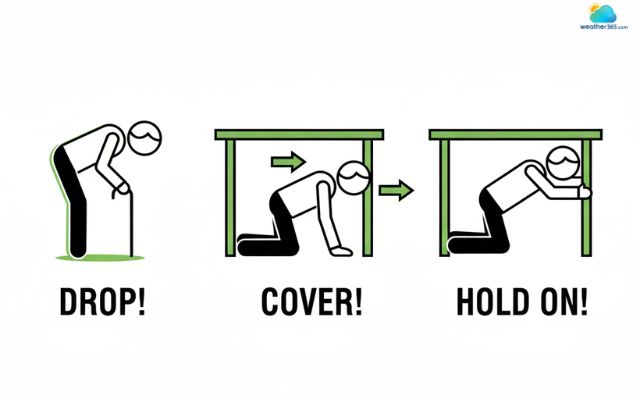
Remember “Drop, Cover, Hold on” during an earthquake
Organize emergency supplies
Prepare an earthquake kit with essentials: at least three days’ worth of water (1 gallon per person per day), non-perishable food, flashlight, batteries, first aid supplies, and medications.
If you live in earthquake-prone areas, checking the California or Alaska weather today before traveling can also help you prepare for changing outdoor conditions during emergencies.
Include items like blankets, sturdy shoes, gloves, masks, hygiene items, and important documents in waterproof containers.
Don’t forget supplies for pets, such as food, water, and carriers.
Keep supplies in a portable container so you can carry them if you need to evacuate.
Regularly check and replace expired items.
Keep a portable kit for the car or workplace for unexpected situations.
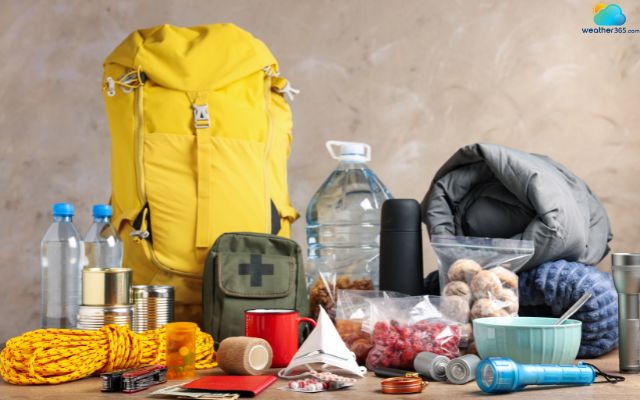
Earthquake preparedness kit
Minimize financial hardship
Keep copies of insurance policies, personal identification, and financial records in waterproof, fireproof containers.
Consider earthquake insurance or supplemental coverage not included in standard policies.
Maintain a budget for emergency funds for repairs, temporary housing, or immediate needs post-quake.
Review and update financial preparedness annually, adjusting for changes in family size or assets.
Knowing the difference between earthquake and tremor activity in your region will help you evaluate whether you need comprehensive structural insurance or just minor emergency funds.
Consider pre-arranging emergency repair services or knowing local contractors who can respond quickly after a quake.
Document valuable items with photos or videos for insurance claims.
Stay aware of local assistance programs or relief funds that may be available after disasters.
Wonder how to stay safe during and after the earthquake? Read our full guide on earthquake safety tips!

Consider damage to avoid financial hardship
Is it better to be outside or inside during an earthquake?
It is advised that staying indoors is safer than running outside, as the risk of injury increases significantly when you attempt to exit a building during shaking.
Falling debris, shattered glass, and structural hazards pose immediate threats.
Additionally, the shaking can cause you to lose balance, leading to falls and further injuries.
If you are inside, remain there until the shaking stops and it is safe to move.
Seek shelter under sturdy furniture, protect your head and neck, and stay away from windows and heavy objects that could fall.
If you are outside, move to an open area away from buildings, trees, and power lines.
Drop to the ground and cover your head until the shaking ceases.
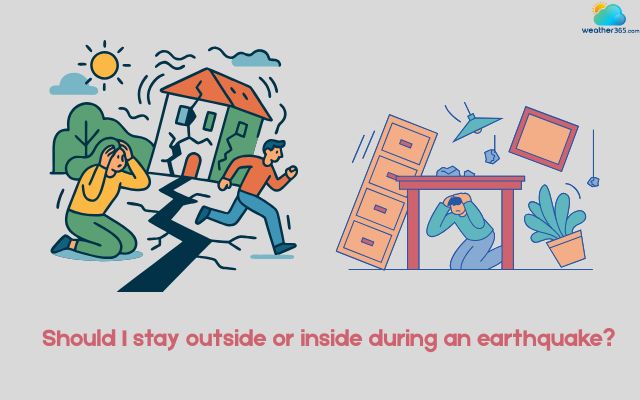
Should I stay outside or inside during an earthquake?
Conclusion
Earthquake preparedness is essential for protecting yourself, your family, and your property when the ground shakes. By understanding warning signs, securing your space, organizing emergency supplies, and having a clear plan, you can reduce risks, respond quickly, and increase your chances of staying safe during an earthquake.
Frequently Asked Questions (FAQs)
Related post

Signs of Earthquake: How To Tell If Earthquakes Are Coming?
 1583
1583
 8
8
 5.0
5.0
 18/08/2026
Earthquake Safety Tips: What To Do Before, During, and After An Earthquake
1452
8
4.7
18/08/2026
What Causes An Earthquake: Uncover the Science Behind Quakes
1382
8
4.6
18/08/2026

8 Comment
Faith Gilbert
Do you really need to replace items in an emergency kit regularly?
weather365
Yes, especially food, medication, batteries, and other items that can expire or stop working.
Destiny Sanders
Is staying inside really safer than trying to get outside during the shaking?
weather365
Yes. Running outside can expose you to falling glass, debris, and other hazards. It’s safer to stay inside until the shaking stops.
Ryker Lee
What if you have pets? Should they have their own emergency supplies?
weather365
Yes. Keep extra food, water, and a carrier for pets.
The financial preparedness part is something I rarely see in earthquake guides. Damage can obviously continue to affect you long after the shaking stops.
Otto Lindsey
How much water should you actually keep in an earthquake kit?
weather365
At least one gallon of water per person per day for three days.
Having an emergency plan for the whole family sounds obvious, but I honestly don’t think most families have one.
Leave a comment
Your email address will not be published. Required fields are marked *