




Difference Between Earthquake and Tremor: How To Distinguish Them?


Do you know the difference between earthquake and tremor? These two terms often get mixed up, but they actually describe two different seismic events. In this post, we will break these terms down to help you grasp how Earth’s crust behaves, and why some shakes are harmless while others turn destructive.
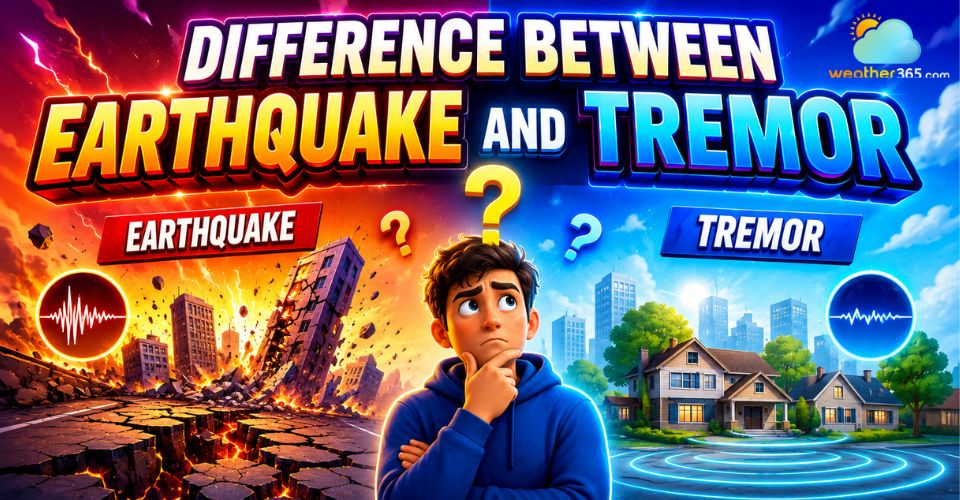
Difference Between Earthquake and a Tremor
What is an earthquake?
An earthquake is a sudden shaking of Earth’s surface, which happens when energy stored in the crust is released quickly.
That energy moves outward as seismic waves and makes the ground and anything on it vibrate.
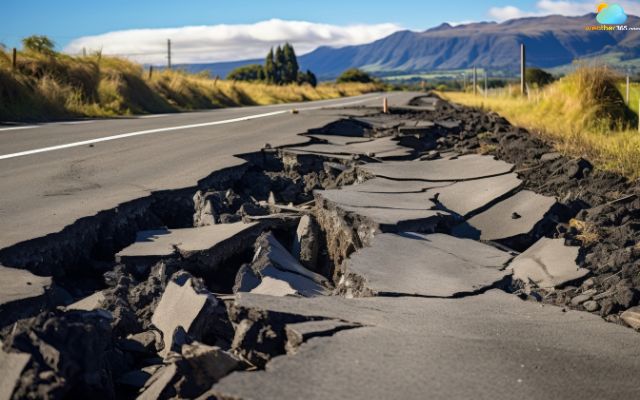
Earthquake causes large cracks on the Earth’s surface
Earthquakes happen a lot, but most are tiny. The United States Geological Survey estimates about 500,000 detectable earthquakes worldwide each year.
Of these, roughly 100,000 can be felt by people, and only about 100 per year cause significant damage.
There are different kinds of earthquakes.
Common categories are tectonic, volcanic, collapse, and explosion-related, in which tectonic quakes are the most common and often the largest earthquakes.
For a full breakdown of each type, see our article Types of Earthquakes.
What is a tremor?
A tremor, often called a microearthquake, is a minor and short-lived shaking of the ground.
It comes from the same geological forces that drive earthquakes, such as stress along faults or volcanic movement.
However, tremors release far less energy.
For readers monitoring local conditions, location-specific information such as the California weather forecast can also provide useful environmental context around an affected area.
That is why they are usually harmless and pass unnoticed.
Tremors tend to be more localized than earthquakes. They happen more often, sometimes several times in a region within a short span.
For example, people in earthquake-prone areas may also monitor conditions in locations such as Alaska, where environmental and geographic conditions can vary significantly.
While an earthquake may impact a wide area, a tremor usually affects only a small zone.
People may feel a faint vibration, but in many cases, the motion is too weak to notice without instruments.
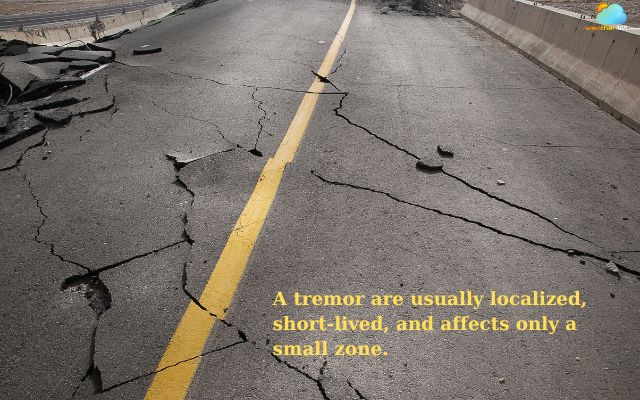
Difference between an earthquake and a tremor
Key characteristics of tremors:
Vibration is weak and subtle
Energy release is very low
Rarely cause damage or injuries
Duration lasts only a few seconds
Despite being small, tremors are still important to monitor.
They show how stress builds within the crust and sometimes provide clues about ongoing tectonic or volcanic activity.
Similar to earthquakes, there are several types of tremors:
Tectonic tremors - caused by tiny slips on fault lines.
Volcanic tremors - linked to magma movement beneath volcanoes.
Aftershocks - small quakes that follow a larger earthquakes.
Difference between Earthquake and Tremor
So, what’s the difference between a tremor and an earthquake?
While both result from seismic energy release, their causes, magnitudes, impacts, and frequency are not the same.
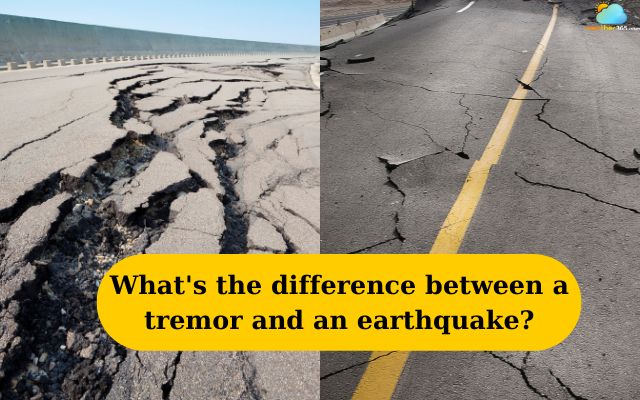
What's the difference between a tremor and an earthquake?
Causes
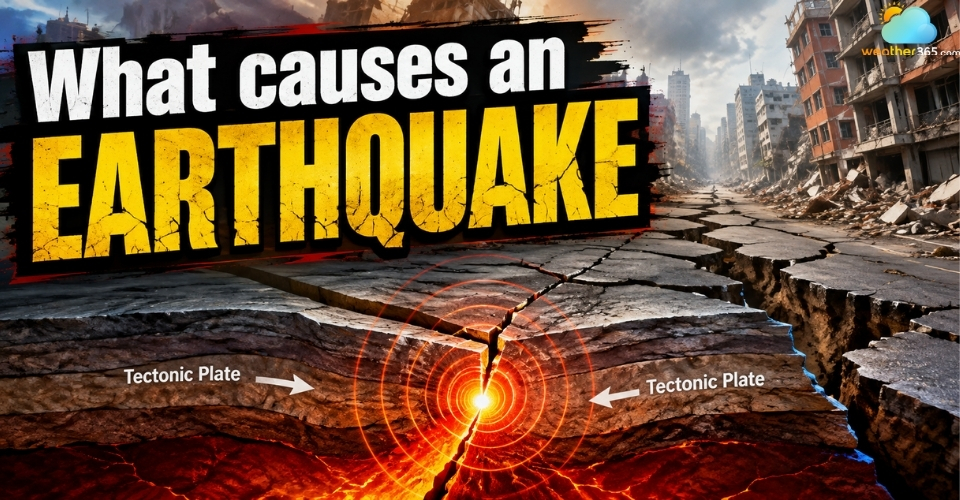
Earthquake: mainly caused by the movement of tectonic plates, fault slips, or volcanic activity. (Also read: What causes an earthquake?)
Tremor: also arises from similar geological forces but with less stress. It can result from minor fault slips, magma movement, fluid pressure underground, or small-scale fault vibrations.
Measurement
Earthquake: recorded by seismic networks. Seismographs measure wave amplitude and duration to determine the epicenter, magnitude, and location.
Tremor: can also be detected by seismographs, but the amplitude is often very small, sometimes too weak for humans to feel.
Magnitude & Scale
Earthquake: magnitude can range from very minor to extremely strong, usually measured by the Richter scale or Moment Magnitude (Mw). To understand how scientists calculate these specific numbers, you can explore the comprehensive Earthquake Magnitude Scale guide.
Tremor: generally very low in magnitude, often below human perception. If a tremor reaches a certain threshold, it may be classified as an earthquake.
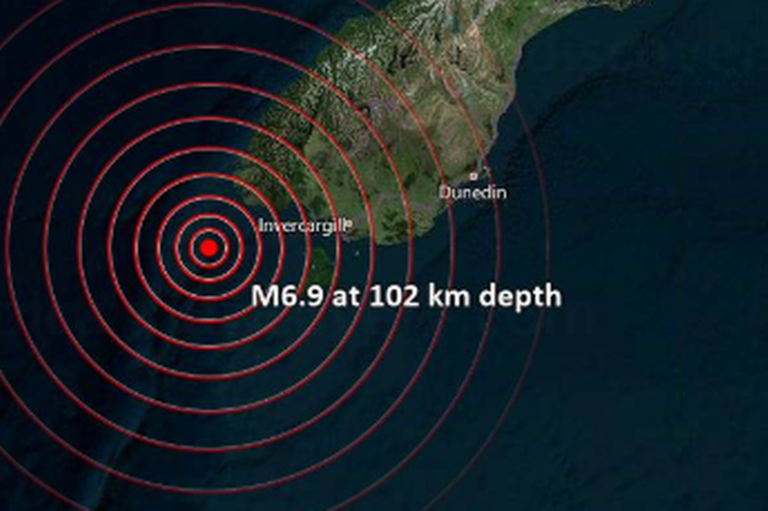
Earthquake magnitude can range from very minor to extremely strong
Duration
Earthquake: rupture and shaking can last from a few seconds to several minutes, depending on the fault size and energy released.
Tremor: very brief, usually only a few seconds or fractions of a second, due to the small energy involved.
Impacts
Earthquake: can cause severe damage to infrastructure, buildings, and roads; lead to injuries or fatalities; trigger landslides, volcanic eruptions, or tsunamis if near the sea. Given these sudden risks, knowing immediate earthquake safety tips is critical to protecting yourself when severe shaking begins.
Tremor: rarely causes damage; may cause slight vibrations or rattling of objects; most tremors go unnoticed.
Frequency
Earthquake: significant, damaging earthquakes are less frequent.
Tremor: occurs more often, with many minor tremors happening daily in seismically active regions.
Feature | Earthquake | Tremor |
Causes | Movement of tectonic plates, fault lines, volcanic activity | Small earthquakes, volcanic activity, human activities (mining, explosions) |
Measurement | Recorded by seismographs, magnitude and intensity analyzed | Often recorded by seismographs, may not have a significant magnitude |
Magnitude & Scale | Can range from minor to extremely strong; measured by Richter/Moment Magnitude Scale (See examples of the largest earthquakes in the world) | Usually weak; magnitude often very low or negligible |
Duration | Seconds to minutes | Seconds; usually very brief |
Impacts | Can cause structural damage, injuries, and fatalities | Rarely causes damage; generally minor or unnoticed |
Frequency | Less frequent; significant events | More frequent; minor shakes occur often |
Are tremors signs of an earthquake?
Tremors are often associated with earthquakes, but they are not always reliable indicators of impending seismic events.
While some scientists have explored the possibility that certain tremor patterns could precede larger earthquakes, this area of study is still developing.
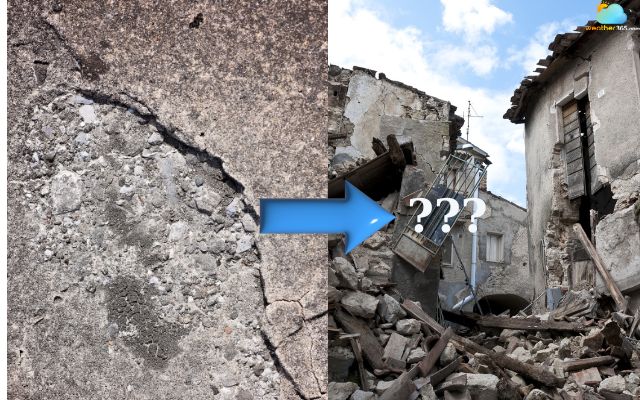
Does a tremor indicate an incoming earthquake?
Recent studies have investigated whether specific patterns in tremor activity could serve as early warning signs for larger earthquakes.
Researchers at The University of Texas at Austin have isolated a pattern of lab-made foreshock tremors, suggesting that a sequence of smaller tremors might indicate an impending larger seismic event.
However, these findings are based on controlled laboratory conditions and may not directly apply to natural seismic activity.
The complexity of geological factors involved in real-world earthquakes makes it challenging to predict them accurately based solely on tremor patterns.
Conclusion
The difference between earthquake and tremor lies mainly in scale and impact. Earthquakes are powerful seismic events capable of destruction, while tremors are minor shakes that usually pass unnoticed. Next time you feel the ground move, you’ll know whether it was likely a harmless tremor or something bigger. To monitor active seismic anomalies or check real-time weather warnings in your area, take a look at our Live Weather Radar.
Frequently Asked Questions (FAQs)
Related post
Signs of Earthquake: How To Tell If Earthquakes Are Coming?
 1583
1583
 8
8
 5.0
5.0
 18/08/2026
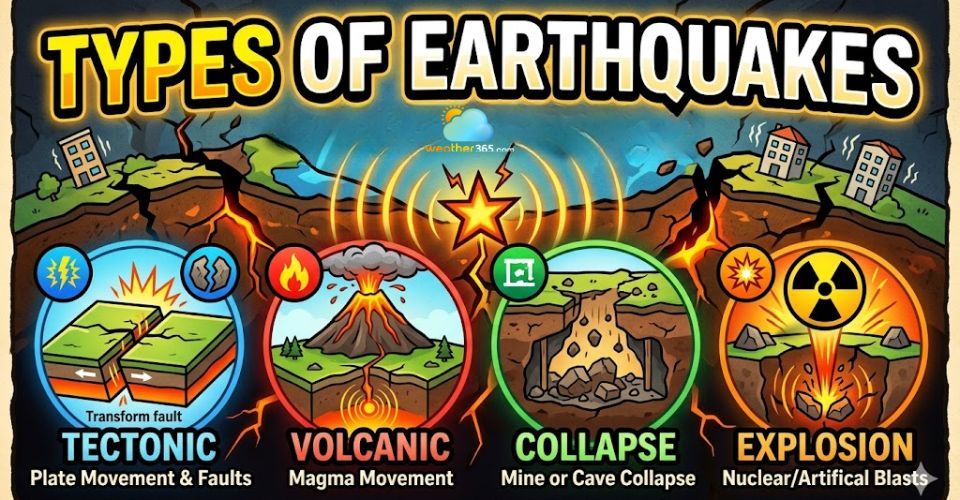
Types of Earthquake Explained: Discover How They Are Classified
1529
8
4.8
18/08/2026
What Causes An Earthquake: Uncover the Science Behind Quakes
1381
8
4.6
18/08/2026

7 Comment
Willa Wright
Are aftershocks considered tremors or earthquakes?
weather365
They can be small earthquakes that happen after a larger one. The article lists aftershocks among the smaller seismic events and notes that they can continue for days, weeks, or even months after the main quake.
Maeve Wright
Does feeling a small tremor mean a bigger earthquake is coming?
weather365
Not necessarily. The article explains that tremors aren’t a reliable predictor of a larger earthquake. Scientists are still studying whether certain patterns might provide clues, but there’s no simple way to use them to predict an earthquake
Dahlia Perez
So can a tremor actually be too small for people to feel?
weather365
Yep. Some tremors are so weak that only seismographs can pick them up. The article says they’re often very localized and may pass completely unnoticed.
Gia Meyer
I honestly thought “earthquake” and “tremor” were basically interchangeable. Turns out there’s a lot more to the distinction than I expected.
Leave a comment
Your email address will not be published. Required fields are marked *