




Venezuela Earthquake Triggers Humanitarian Crisis as Death Toll Climbs


The Venezuela earthquake disaster continues to devastate the country, with authorities confirming that at least 1,719 people have died after the powerful earthquakes that struck on June 24. Officials say more than 5,000 people have been injured, while approximately 12,000 residents have been forced to leave their homes. The number of people still missing has not yet been confirmed, raising fears that the death toll could increase in the coming days.
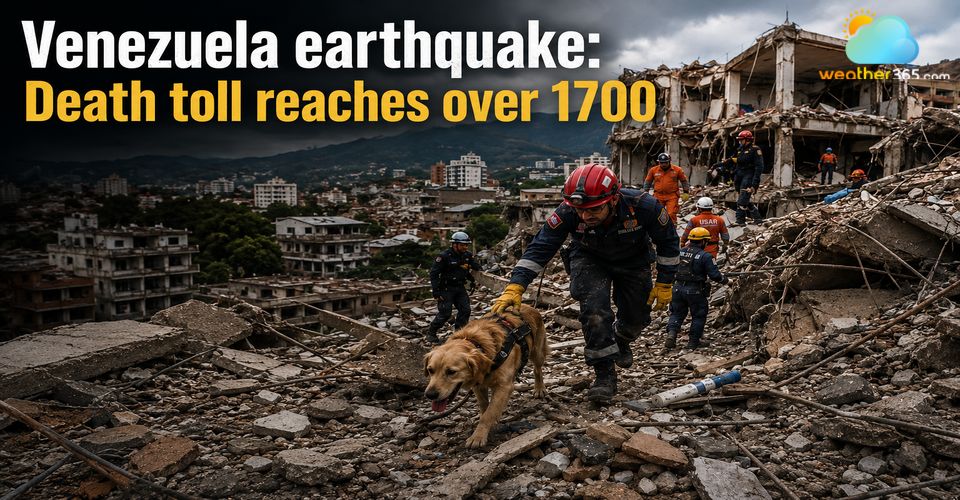
Venezuela earthquake disaster continues to devastate the country
Hope remains as survivors are pulled from the rubble
Despite several days having passed since the Venezuela earthquake, rescue teams are still finding survivors.
According to UN Resident and Humanitarian Coordinator Gianluca Rampolla, seven people were rescued alive on Sunday, giving emergency crews renewed determination to continue operations beyond the critical 72-hour rescue period.
To prepare for a possible increase in fatalities, Venezuelan authorities and the United Nations have agreed to procure 10,000 body bags.
The disaster has affected seven states, but the hardest-hit areas remain La Guaira and Caracas' Capital District, where entire neighborhoods have been devastated.
Areas hardest hit:
1,719 confirmed deaths
More than 5,000 injured
Approximately 12,000 displaced
Around 2,500 buildings damaged or destroyed
Hundreds remain missing
Aftershocks and heavy rain threaten rescue efforts
Emergency conditions remain extremely dangerous.
Since the initial Venezuela earthquake, authorities have recorded around 500 aftershocks, including a magnitude 5.2 earthquake early Monday.
Adding to the challenge, meteorologists warn that a tropical wave could bring heavy rainfall, increasing the risk of landslides and making unstable buildings even more hazardous for rescue teams.
"We continue to operate in a high-risk environment," Rampolla said.
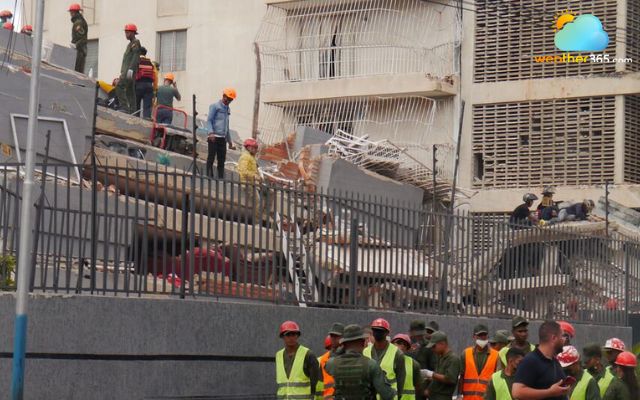
Rescue workers evaluate damage in Palos Grandes
More than 2,000 rescuers join international mission
The global response has expanded rapidly.
Today, more than 2,000 rescue workers from 27 countries, supported by over 160 search-and-rescue dogs, are working across 40 emergency response teams.
Although search missions often scale back after 72 hours, officials have extended operations after multiple survivors were located beyond that timeframe.
Humanitarian assistance includes:
Emergency medical care
Temporary shelters
Food assistance
Clean drinking water
Sanitation services
Logistics and supply distribution
Protection for vulnerable families
The United Nations is also preparing a new emergency funding appeal to strengthen relief operations across the affected regions.
Families receive shelter and emotional support
Beyond physical survival, humanitarian organizations say emotional recovery has become an urgent priority.
The UN is establishing three humanitarian assistance centers in La Guaira, where displaced families will receive:
Medical services
Food and clean water
Hygiene and sanitation support
Protection services
Mental health and psychosocial care
Aid workers say many survivors have lost not only their homes but also their sense of security.
Some families are still waiting for news of missing loved ones, while others already know relatives remain trapped beneath collapsed buildings.
As one UN official explained, many victims simply need comfort as much as supplies while they begin processing the tragedy.
Recovery from the Venezuela earthquake will take months
Humanitarian organizations are preparing three major assistance centers in La Guaira to support families whose homes were destroyed by the Venezuela earthquake.
These facilities will offer healthcare, clean water, food, sanitation services, protection programs, and psychological counseling for survivors coping with immense loss.
Aid workers say emotional recovery will be just as important as rebuilding damaged infrastructure. Many families are still waiting for news of missing relatives, while others are grieving loved ones believed to remain trapped beneath collapsed buildings.
Once rescue operations conclude, assessment teams will begin evaluating long-term recovery needs, including assistance for older adults and people with disabilities.
Authorities will then focus on clearing debris, repairing schools and hospitals, and identifying safe locations for displaced families to rebuild their lives.
Officials caution that reconstruction will require careful planning, including geological surveys before new housing sites can be approved. Humanitarian leaders believe the recovery process will extend well beyond the initial emergency phase.
The United Nations credits Venezuela's existing humanitarian coordination network—developed over recent years—for allowing relief agencies, non-governmental organizations, the Red Cross, and government authorities to mobilize quickly following the disaster. However, aid agencies continue to urge international donors and volunteers to maintain support as the country faces what is expected to be a lengthy recovery from the Venezuela earthquake.
Related post
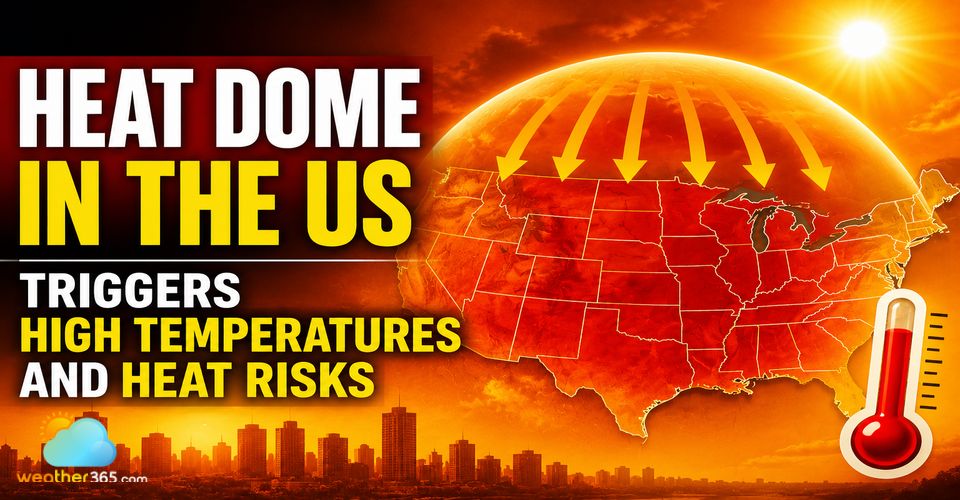
Heat Dome in the US: Millions Face High Temperatures and Heat Risks
 530
530
 0
0
 4.7
4.7
 25/06/2026

Weather for World Cup: Match-by-Match Forecast Across U.S. Host Cities
233
0
4.9
26/06/2026
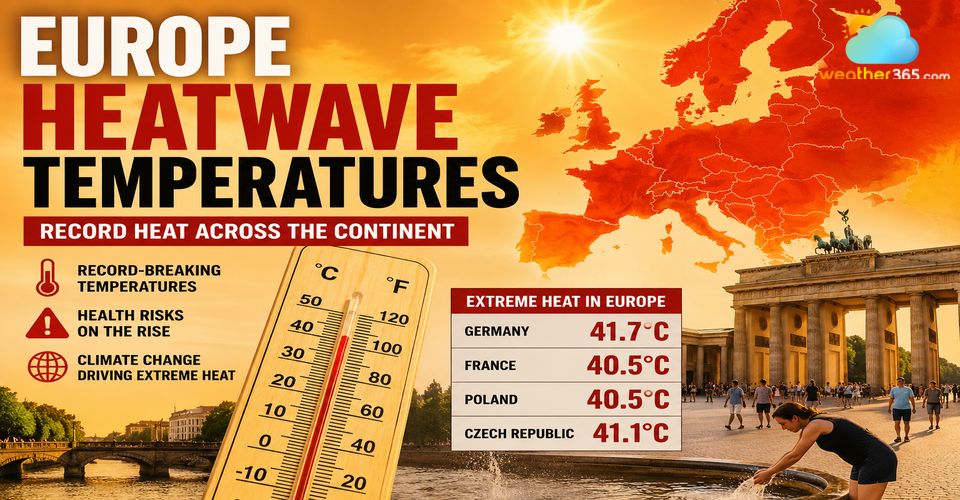
Europe Heatwave Temperatures Soar, WHO Warns of Death Toll
69
0
4.9
29/06/2026

0 Comment
Leave a comment
Your email address will not be published. Required fields are marked *