




Europe Heatwave Temperatures Soar, WHO Warns of Death Toll


Europe heatwave temperatures have climbed to unprecedented levels, prompting the World Health Organization (WHO) to warn that the continent's early summer heatwave may have contributed to hundreds of excess deaths. As scorching conditions continue to spread eastward, multiple countries have shattered long-standing temperature records, highlighting the growing health risks associated with extreme heat.
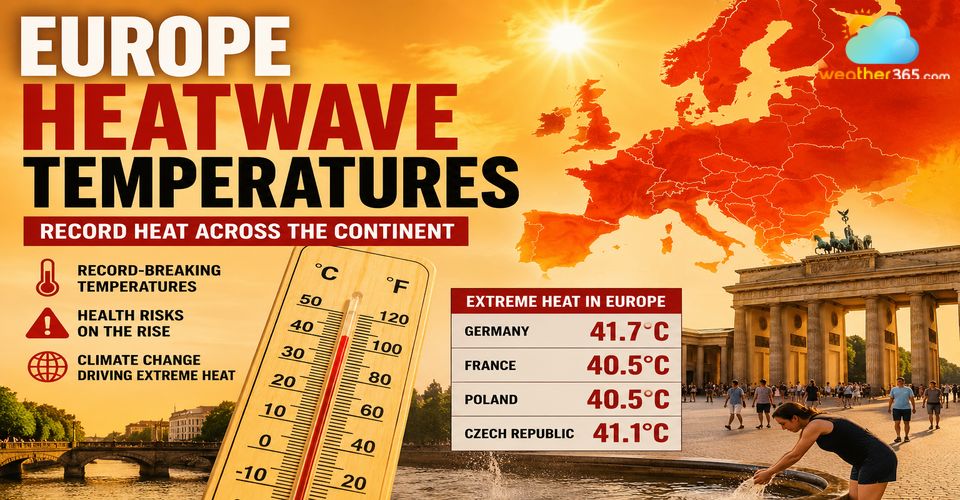
WHO warns Europe heatwave temperatures
WHO Raises Alarm Over Europe Heatwave Deaths
WHO Director-General Tedros Adhanom Ghebreyesus said in a statement on X that more than 1,300 excess deaths have been reported across Europe since June 21, with high temperatures playing a significant role.
He described heat stress as a "silent killer," noting that many homes, schools, and workplaces throughout Europe were never designed to cope with today's extreme conditions.
France has been among the hardest-hit countries. The nation's health ministry reported around 1,000 more deaths than expected since the middle of the week. Health officials said a large share of those fatalities involved adults aged 65 and older, while deaths occurring at home have risen by approximately 40%.

Crowds cool down in the fountain at Berlin Cathedral
Tedros emphasized that Europe is warming faster than any other continent, with temperatures increasing at roughly twice the global average. He warned that millions of residents are enduring dangerous heat, while schools have closed, electricity systems face growing pressure, and emergency services remain stretched.
Europe Heatwave Temperatures Break Records
The latest Europe heatwave temperatures have rewritten national weather records across several countries.
Germany registered its hottest day on record for the third consecutive day after preliminary observations showed temperatures reaching 41.7°C in eastern Brandenburg. The highest reading came from a monitoring station near the Polish border in Coschen during the afternoon.
The Czech Republic also set a new national temperature record, with a high of 41.1°C in Doksany, north of Prague. Meteorologists said the intense heat was expected to peak before thunderstorms developed across western parts of the country.
Meanwhile, Poland recorded its highest temperature ever measured, with thermometers climbing to 40.5°C in the western town of Słubice.

Poland temperature hits 40.5C on Sunday
Scientists and public health experts continue to point to climate change as a major driver behind these increasingly severe weather events. Tedros warned that heatwaves once considered rare are becoming almost annual occurrences due to global warming.
He urged governments to strengthen heat-health action plans, improve emergency preparedness, and better protect vulnerable populations from future extreme weather.
Emergency Measures Amid Extreme Heat
The extraordinary Europe heatwave temperatures have forced governments and local authorities to implement emergency measures to reduce health risks.
In the Netherlands, the popular Defqon.1 music festival was canceled after authorities issued an unprecedented red warning for extreme heat.
Paris also introduced temporary restrictions, including a ban on consuming takeaway alcohol in public and the cancellation of the city's Pride march.
Officials said the measures were designed to ease pressure on emergency responders during the hottest period. The restrictions coincided with France's World Cup match against Norway and remained in effect through the weekend.
The heatwave has also contributed to a sharp increase in water-related fatalities. According to French Interior Minister Laurent Nuñez, at least 74 people have drowned since the extreme temperatures began.
Most incidents occurred in unsupervised swimming locations such as rivers, lakes, and ponds, where many people sought relief from the intense heat.
Meteorologists attribute the record-breaking temperatures to a powerful heat dome, a weather pattern in which sinking air compresses and warms as it descends toward the surface.
The same system suppresses cloud formation, allowing uninterrupted sunshine to heat the ground even further and prolong dangerous conditions.
As climate experts warn that these prolonged heat events are becoming more frequent, governments across Europe face increasing pressure to improve public health protections, strengthen infrastructure, and adapt communities to a warming climate.
Related post
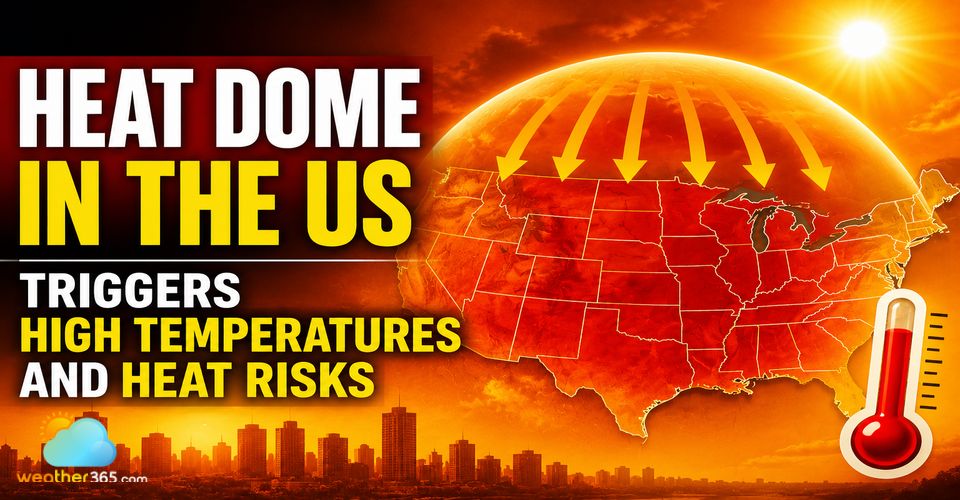
Heat Dome in the US: Millions Face High Temperatures and Heat Risks
 530
530
 0
0
 4.7
4.7
 25/06/2026

Weather for World Cup: Match-by-Match Forecast Across U.S. Host Cities
233
0
4.9
26/06/2026

Norway vs Senegal Weather Forecast: Rain, Thunderstorms, and Fog
52
0
4.8
23/06/2026

0 Comment
Leave a comment
Your email address will not be published. Required fields are marked *