




Record Low Snow in Colorado Triggers Dramatic Glacier Thinning


Record low snow in Colorado, followed by record summer heat, has accelerated glacier loss across the Rocky Mountains in 2026. Several major glaciers have lost feet of ice in a single year, raising concerns about water supplies, mountain ecosystems, and their long-term survival. Here’s what the latest findings reveal.
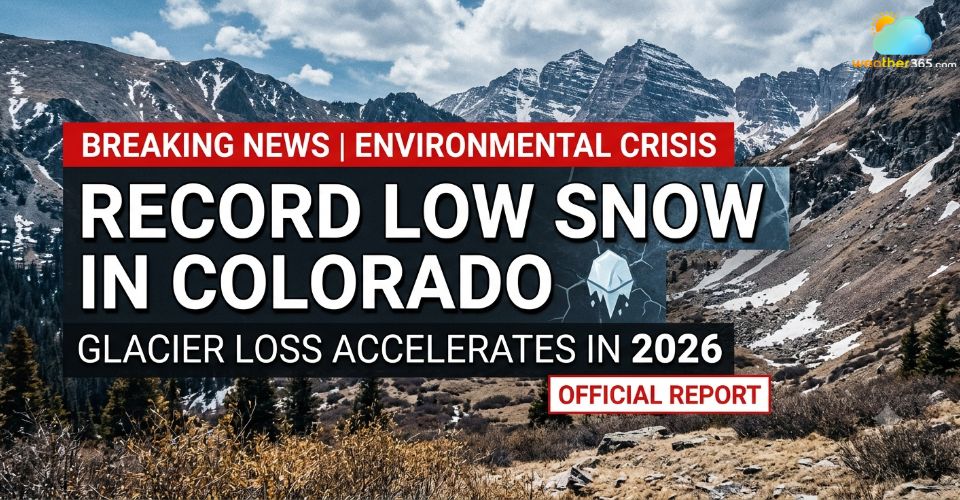
Record low snow in Colorado
How Record Low Snow in Colorado Accelerated Glacier Loss
Colorado’s major glaciers lost several feet of ice in 2026 after the state experienced its lowest mountain snowpack on record, followed by unusually warm summer temperatures.
The findings highlight how a lack of winter snow and intense summer heat can combine to accelerate glacier melt.
According to McGrath’s research, Andrews Glacier lost more than 12 feet (3.7 meters) of thickness, while Arapaho Glacier lost nearly 10 feet (3 meters).
Isabelle Glacier also thinned by about 6.5 feet (2 meters). These losses were roughly twice the glaciers’ average thinning rate over the previous five years.
Meanwhile, St. Mary’s Glacier, a popular destination for hikers and skiers, melted completely in September.
Mountain snow normally covers glaciers and helps protect their ice from summer heat. With little snow remaining, more bare ice was exposed to sunlight, speeding up melting.
12+ ft Andrews Glacier Lost more than 12 feet (3.7 meters) of ice thickness in 2026. 2× Accelerating ice loss The studied glaciers thinned at roughly twice their average rate over the previous five years. 22% Record-low snowpack Colorado’s snow water equivalent (SWE) on April 1, 2026, stood at just 22% of its average level, according to Western Water Assessment. |
Check the latest weather indicators for Colorado to follow temperature changes and precipitation conditions that can influence the region’s seasonal snow and ice.
What Record Low Snow in Colorado Means for Water Supplies
The loss of glacier ice could create additional challenges for water supplies and ecosystems across the American West.
Meltwater from high-elevation glaciers helps sustain mountain habitats and downstream environments, particularly after seasonal snow has melted.
However, Colorado’s glaciers are much smaller than its seasonal snowpack, which remains a far more significant natural water reservoir.
The record-low snowpack therefore presents a broader water concern beyond glacier loss alone.
As glaciers shrink, some areas may become more vulnerable to severe drought because less ice remains to release meltwater during dry periods.
The effects could add pressure to ecosystems already dealing with warmer temperatures and limited water availability.
Climate change is also contributing to glacier loss worldwide.
Researchers have found that rising temperatures and reduced snowfall are accelerating ice melt in mountain ranges across the western United States and other parts of the world.
Soot from wildfires and dust deposited on glacier surfaces can further increase melting by allowing the ice to absorb more sunlight.
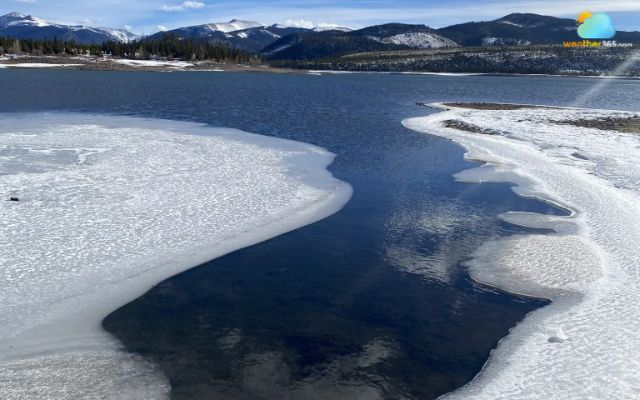
Loss of glacier ice can lower water supply
Discover more
Colorado’s remaining glaciers could disappear within the next 20 years if current melting trends continue, glaciologist Dan McGrath warned.
Andrews Glacier has already lost about half its ice since 2017.
Although snowfall varies from year to year, repeated snow shortages and warmer summers could accelerate further losses.
Rebuilding glaciers would require sustained cold conditions and centuries of favorable snowfall.
The findings highlight the long-term consequences of rising temperatures across the Rocky Mountains.
Stay ahead of changing conditions with the latest weather news and forecasts on Weather365!
References
AP News
ABC News
Related post
What Is a Snow Squall? Key Facts and Safety Advice for Drivers
 1447
 8
 4.8
 01/04/2026

Spring Snowstorm Colorado: Heavy Snowfall, Temperature Drop
228
8
4.9
06/05/2026

0 Comment
Leave a comment
Your email address will not be published. Required fields are marked *