




Imminent Kelvin Wave in Ocean Threatens California Coastal Communities


A massive underwater Kelvin wave in ocean is crawling along the California coast, threatening to raise sea levels by up to one foot. Driven by a powerful Super El Nino, this vast band of warm water swells tides from beneath the surface. As it moves north toward the San Francisco Bay Area, experts warn it could worsen coastal flooding and severe erosion throughout the winter. Here’s the latest updates!
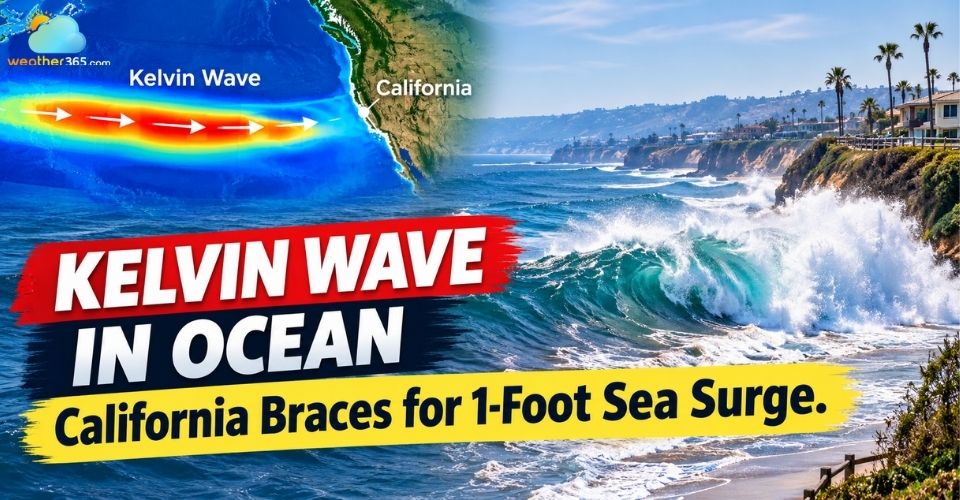
Powerful Kelvin wave in ocean is approaching California
What is a Kelvin Wave
Coastal towns across California are getting ready for a massive "Kelvin wave" moving up the Pacific Coast.
But what exactly is this phenomenon?
Unlike normal ocean waves, a Kelvin wave in ocean systems doesn't crash onto beaches or break against sea walls.
Instead, it is a huge underwater surge of warm water gliding hundreds of feet beneath the ocean surface, driven by tropical winds and the Earth's rotation.
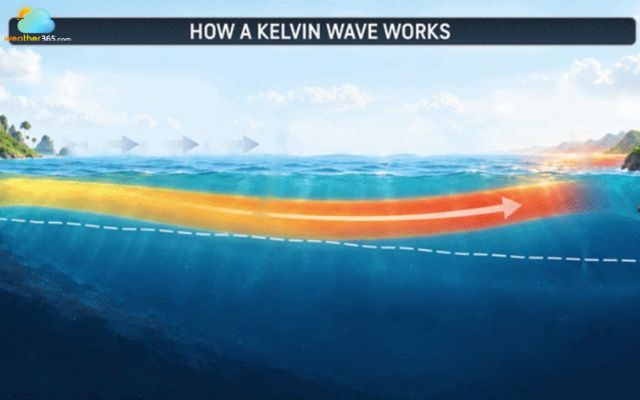
A Kelvin wave glides hundreds of feet beneath the Pacific surface
A Kelvin wave acts like an underwater bulge of warm water, elevating local sea surface heights for weeks or months.
When ocean winds weaken during El Nino, this warm water shifts across the Pacific and surges north along the West Coast.
As this deep layer of warm water sits near the coast, it blocks colder, nutrient-rich water from rising to the top.
Without those nutrients, phytoplankton growth drops, disrupting the entire marine food chain.
Kelvin Wave in Ocean Set to Raise California Sea Levels
Scientists report that this latest Kelvin wave could raise coastal sea levels by up to 1 foot (30 cm) from Southern California to the San Francisco Bay Area.
This sudden surge effectively doubles the baseline sea level rise caused by climate change over the entire past century.
The main driver behind this massive wave is an unusually powerful Super El Nino event.
Pacific ocean surface temperatures have surpassed historical thresholds, supercharging the warm-water surge moving up the Pacific Coast.
Because Kelvin waves cause higher sea levels to linger, the elevated water baseline will persist well into the winter months.
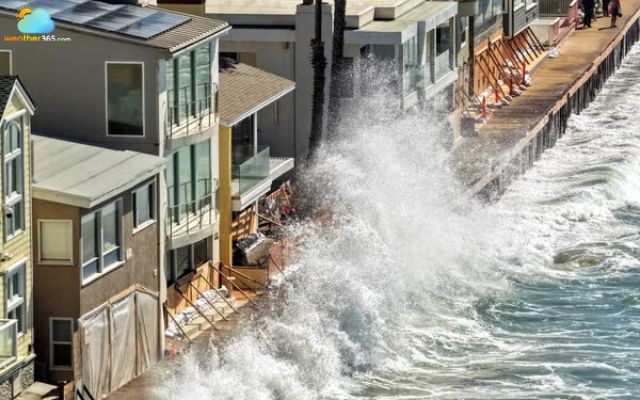
Kelvin wave is forecast to raise coastal sea levels by up to 1 foot (Photo: Mario Tama/Getty Images)
Severe Threats to Coastal Infrastructure and Communities
While a Kelvin wave alone causes elevated water levels, the primary danger arises when it aligns with other meteorological events.
Threat Factor | Peak Timing | Potential Impacts |
King Tides | November - December | Highest annual tides compound baseline sea levels. |
Winter Storms | January - March | Heavy rainstorms and large swells cause severe runoff and coastal battering |
Compound Flooding | Throughout winter | Elevated ocean levels block inland streams from draining, flooding low-lying towns. |
The elevated sea floor line threatens vital transportation arteries, including coastal Amtrak rail tracks, which have already experienced cliff erosion and closures.
Low-lying areas in the San Francisco Bay Area face extreme risks of compound flooding, where ocean surges mix with heavy urban rain runoff.
Experts compare this winter's atmospheric setup to the destructive 1997–1998 El Nino season.
That winter brought severe coastal landslides, destroyed sea walls, and led to disaster declarations across 21 California counties.
Living or commuting near the Bay Area? Monitor live weather updates on the San Francisco Bay Area now!
In response to the incoming surge, emergency teams across California are taking swift action.
Cities in Marin County and the San Francisco Bay Area are clearing drainage culverts, distributing sandbags, and deploying temporary flood barriers.
Local officials urge residents in flood-prone zones to register for emergency alerts and secure low-lying property before winter storms begin.
References
The Guardian
UA News
AOL
Fox5 San Diego
Livescience
Related post
Storm watch in California: 100 mph gusts, up to 48 inches of snow
 179
179
 8
8
 4.9
4.9
 21/04/2026

Northern California spring storm: Heavy rain, Thunderstorm, Sierra snow
162
8
4.8
10/04/2026
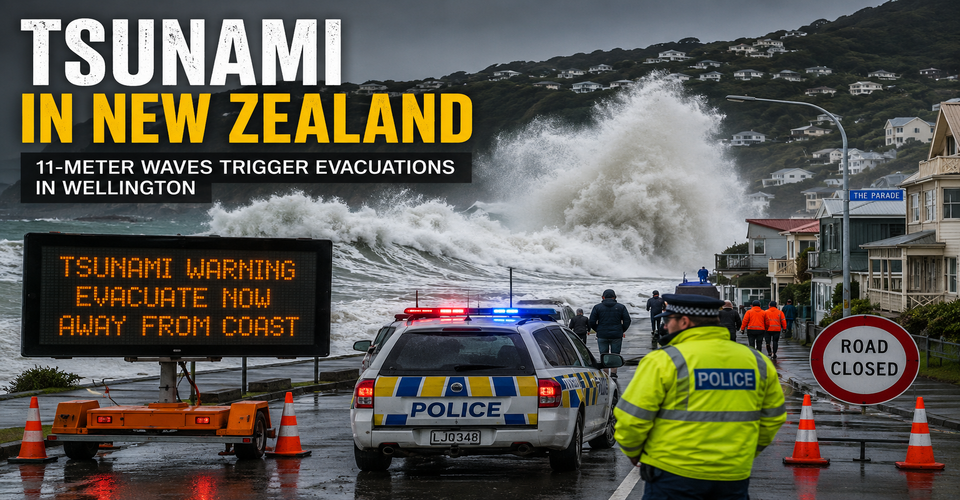
Tsunami in New Zealand: 11m waves batter Wellington coast
97
0
4.7
09/06/2026

0 Comment
Leave a comment
Your email address will not be published. Required fields are marked *