




NOAA Confirms 2026 as the Hottest US Summer on Record


NOAA data confirms America just endured the hottest US summer on record, shattering 132-year heat benchmarks. As record-breaking conditions continue into September and impact millions, here’s what the latest data shows:

Hottest US summer on record
NOAA Data Confirms the Hottest US Summer on Record
America has just endured the hottest US summer on record, with prolonged extreme heat and drought affecting large parts of the country.
From June through August, the contiguous U.S. averaged 23.6°C (74.4°F), making summer 2026 the hottest in NOAA’s 132-year climate record.
The figure was about 0.2°C (0.4°F) above the previous record, set in 1936 and tied in 2021.
The latest record adds to a recent run of exceptionally hot summers. Four of the five warmest summers on record have occurred within the past five years, with 2022 and 2024 also ranking among the top five.
NOAA also reported that August was the warmest on record, with an average temperature of 75.6°F (24.2°C) across the Lower 48.

NOAA ranks summer 2026 as the warmest on record since 1895 (Source: NOAA)
The heat has not ended with the close of August.
Parts of the Central and Southern U.S. are still experiencing temperatures close to or above 100°F as September continues.
Nearly 35 million people across the region have faced temperatures running 10 to 15 degrees above average, with extreme heat stretching from Dallas to St. Louis.
Heat alerts have remained in effect across parts of the region, including areas around Oklahoma City, Springfield, Missouri, and Dallas.
On Tuesday, Wichita, Kansas, and Oklahoma City reached daily record highs of 104°F and 103°F, respectively.
Are you living in these areas? Check the current temperature to stay alert for scorching heat!
Explore more: Hottest cities in the US
More than two dozen locations across the Plains have also reported their warmest September on record. The prolonged heat is adding pressure to already dry areas.
NOAA said precipitation across the contiguous U.S. ranked in the driest third of the historical record for both August and the June-to-August period.
By September 1, drought covered nearly 60% of the Lower 48.
The combination of high temperatures and limited rainfall is raising further concerns across the Southern Plains and Lower Mississippi Valley.
Persistent heat and increased evaporation could accelerate the development of rapid-onset drought in parts of these regions.
Scientists say the record fits a broader pattern of rising temperatures linked to human-caused climate change.
Warmer baseline temperatures can make heat waves more frequent and intense, while prolonged heat can increase demand for air conditioning and put additional strain on infrastructure and public health systems.
Another factor is El Niño. The current pattern is expected to strengthen and peak between October and December.
Scientists are watching it closely because unusually warm Pacific waters could contribute to further global heat and potentially make 2027 another exceptionally warm year.
For now, the transition into fall is offering little relief in parts of the South.
The Climate Prediction Center’s 6-to-10-day outlook points to above-average temperatures across much of the region, while drier conditions could keep drought concerns elevated.
As summer 2026 enters the record books, the ongoing September heat shows that the season’s extreme conditions are not necessarily over.
Residents in affected areas should continue monitoring local forecasts, heat alerts, and changing drought conditions.
Check the latest 3-day weather forecast for your area to track temperatures as the late-summer heat continues.
References
CNN
Aljazeera
CNA
Related post
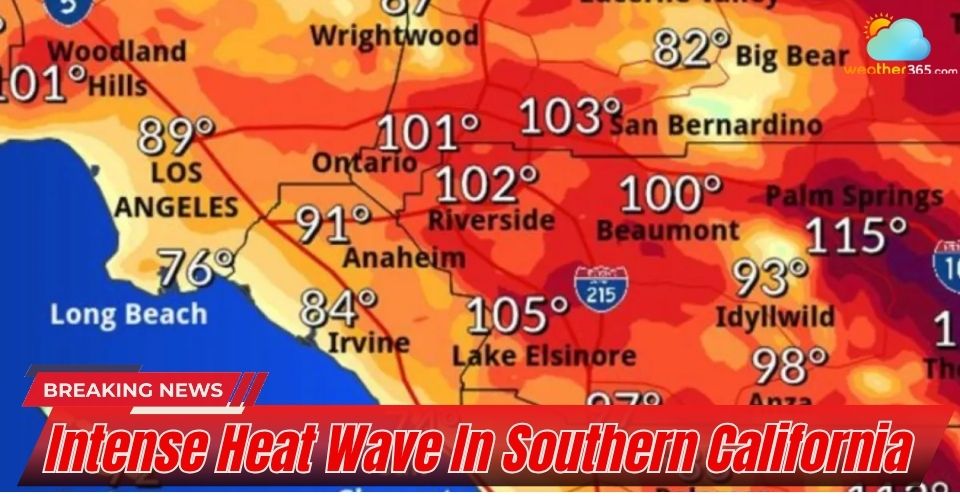
Heat wave in Southern California Sunday and Monday: How hot it will get
 118
118
 0
0
 5.0
5.0
 08/05/2026

Essential Heat Safety Tips to Stay Cool and Safe in Extreme Heat
100
8
4.7
26/08/2026

What is the Harmful Effect of Heat & Who is at Most Risk? Solved
88
9
4.6
20/05/2026

0 Comment
Leave a comment
Your email address will not be published. Required fields are marked *