




Earthquake Magnitude Scale: Different Methods of Measuring Earthquakes


What exactly does the earthquake magnitude scale tell us about the power of seismic events? You have probably heard of terms like Richter or Mercalli, but do you know what they really mean? In this post, we will break it down in a simple way so you can understand how the level of earthquakes is measured. Let’s explore!
Earthquake Magnitude Scale
- How to Measure The Magnitude Scale of an Earthquake
- Earthquake Magnitude Richter Scale
- What It Measures?
- How It’s Calculated?
- Limitations
- The Moment Magnitude Scale
- What It Measures?
- How It's Calculated
- Limitations
- The Mercalli Scale
- What It Measures
- How It's Calculated
- Limitations
- Difference among Mw, MMI, ML
How to Measure The Magnitude Scale of an Earthquake
Magnitude is a number that expresses the size or strength of an earthquake. It reflects how much energy was released during the quake.
Unlike "intensity," which tells what people feel in a certain place, magnitude is a more objective measure of the quake itself.
How Earthquake Magnitude Scale Measured?
Based on the amplitude of seismic waves
Seismometers around the world record ground motion.
Scientists look at the highest amplitude (the loudest “wiggle”) in those recordings.
They then correct for how far the station is from the earthquake, because waves lose strength over distance.
Because the scale is logarithmic, a quake that produces 10 times larger amplitude is 1 unit higher in magnitude.
(Go to our main guide to learn more about what causes an earthquake and how seismometers are used to detect these movements).
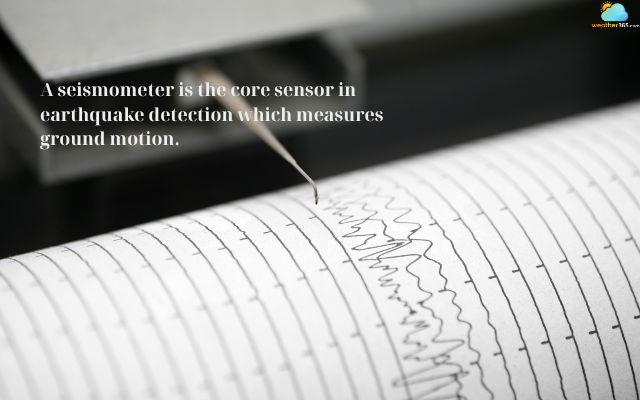
How Earthquake Magnitude Measured?
Drop by what causes an earthquake to see how seismometers are used to detect earthquakes!
Based on the physical size of the fault and slip amount
For more accuracy, especially in big earthquakes - scientists use the “seismic moment” method. They measure three things:
1. The area of the fault that slipped
2. The amount of slip (how far one side moved relative to the other)
3. The rigidity (mechanical strength) of the rock
Together, these two approaches lay the foundation for different measurement systems: the Richter Scale, the Moment Magnitude Scale, and the Mercalli Scale which each explain earthquakes in their own way.
Now let’s find out!
Earthquake Magnitude Richter Scale
The Richter Scale is an earthquake magnitude scale which was first introduced in 1935 by Charles F. Richter with Beno Gutenberg at Caltech.
They aim to create a simple, instrument-based way to compare earthquake sizes.
The Richter scale became famous because it allowed scientists to compare earthquakes worldwide.
Over time, it was used to record some of the largest earthquakes in the world.
What It Measures?
The Richter Scale is used to measure the shaking level of the earthquake, not the damage.
Therefore, distance from the earthquake, local ground conditions, and differences in instruments all affect this type of measurement.
The Richter Scale assigns a number to an earthquake based on the largest ground motion recorded by a seismograph, which is a logarithmic scale.
This means that each increase of 1 unit represents a 10 times larger wave amplitude and about 31 times more energy released.
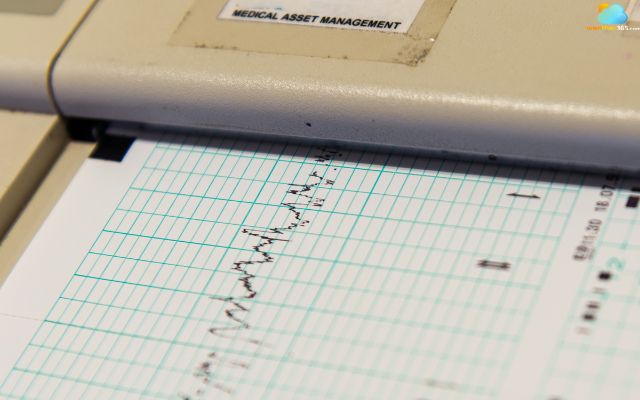
Magnitude scale of an earthquake
How It’s Calculated?
Seismologists take the highest amplitude (AAA) from a seismogram. Then they adjust it for distance using a standard function  . The formula looks like this:

Each Richter scale magnitude level indicates different earthquake effects.
For example, an earthquake with 3.0-3.9 Richter scale often causes a light shaking or rattling of windows, yet there is rarely structural damage to buildings.
Magnitude Level | Effects | Earthquakes per Year (Estimated) |
< 1.0 | Not felt, only recorded by seismographs. | > 1,000,000 |
1.0 – 1.9 | Not felt, only detected by instruments. | > 1,000,000 |
2.0 – 2.9 | Felt by a few people, usually no damage. | > 1,000,000 |
3.0 – 3.9 | Often felt, rarely causes damage. | > 100,000 |
4.0 – 4.9 | Noticeable shaking, may cause minor damage to household items. | 10,000 – 15,000 |
5.0 – 5.9 | Can cause minor damage to poorly built structures. | 1,000 – 1,500 |
6.0 – 6.9 | Can cause moderate damage in populated areas. | 100 – 200 |
7.0 – 7.9 | Can cause serious damage, may destroy large buildings. | 10 – 20 |
8.0 – 8.9 | Can cause severe destruction, may devastate communities near the epicenter. | 1 – 2 |
≥ 9.0 | Causes catastrophic damage, can destroy entire communities near the epicenter. | 1 every 10–20 years |
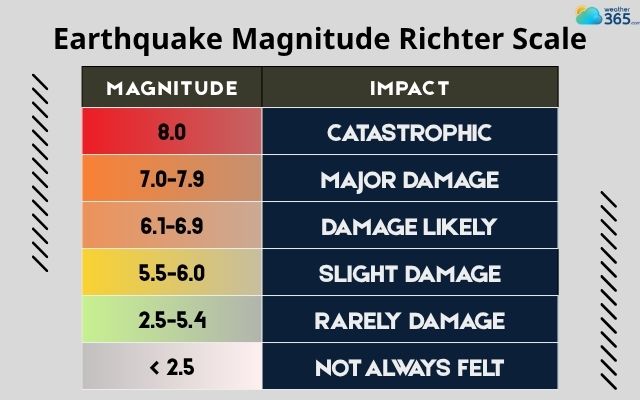
The table shows Richter Scale Magnitudes’ impacts
Limitations
One problem with the Richter Scale is that it underestimates very large earthquakes above roughly magnitude 6.5-7.
That’s why scientists now often use the Moment Magnitude Scale (Mw) for bigger quakes.
Many news reports still call earthquake magnitudes “Richter scale,” even when the value comes from the Moment Magnitude Scale.
In general, the Richter Scale remains important for understanding smaller earthquakes and as a historical reference. For instance, it can easily detect the subtle difference between earthquake and tremor when the energy released is too low to cause any structural damage.
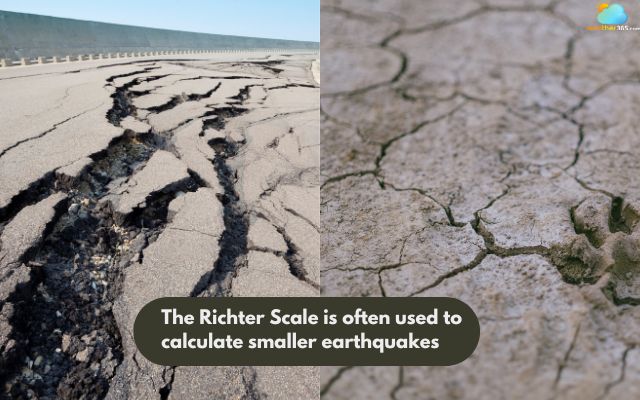
The Richter Scale is used to calculate smaller earthquakes
The Moment Magnitude Scale
The Moment Magnitude Scale (Mw) is now a standard earthquake magnitude scale.
This method was introduced in the late 1970s by seismologists Hiroo Kanamori and Thomas Hanks.
Their goal was to create a more accurate and consistent way to measure earthquake size, especially for large events.
Unlike the Richter Scale, which estimates magnitude based on wave amplitude, the Moment Magnitude Scale is grounded in physical properties of the earthquake itself.
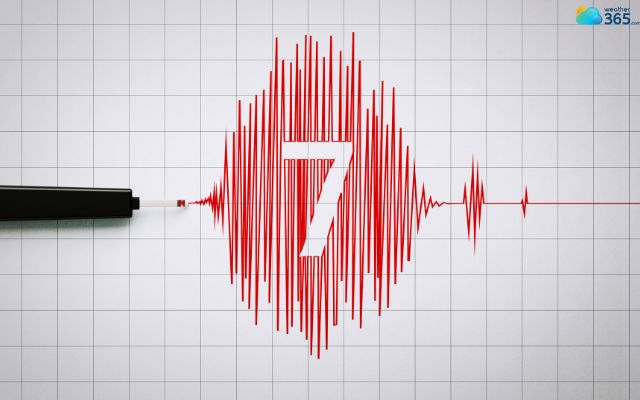
The Moment Magnitude Scale is used for large earthquakes
What It Measures?
Mw quantifies the total energy released during an earthquake by calculating the seismic moment (M₀).
Seismic moment is a measure of the force required to generate the recorded seismic waves and is calculated using the formula:
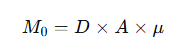
Where:
D is the average displacement (slip) along the fault,
A is the area of the fault that slipped,
μ is the rigidity (shear modulus) of the rocks involved.
This approach of the Moment Magnitude Scale provides a more direct and reliable measure of earthquake size, especially for large and distant events.
How It's Calculated
To convert seismic moment (M₀) to Moment Magnitude (Mw), the formula is:
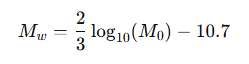
This equation ensures that the Moment Magnitude Scale aligns with earlier magnitude scales for smaller earthquakes while providing accurate measurements for larger ones.
Each Moment Magnitude (Mw) level reflects the energy released by an earthquake.
For example, an earthquake with 6.1-6.9 Mw can cause strong shaking felt over large areas.
It may damage poorly built structures, cause falling objects indoors, and sometimes cracks in walls of sturdier buildings.
Moreover, outdoor objects may shift, and minor landslides or road cracks can occur in vulnerable areas.
Magnitude Level | Effects | Earthquakes per Year (Estimated) |
< 2.0 | Usually not felt, recorded only by instruments | ~ hundreds of thousands to > 500,000 (detectable) |
2.0 – 2.9 | Felt slightly by some people, no damage | Many tens of thousands (within detectable range) |
3.0 – 3.9 | Often felt indoors, very rarely causes minor damage | > 100,000 |
4.0 – 4.9 | Noticeable shaking, possible minor damage (especially poorly constructed buildings) | 10,000 – 15,000 |
5.0 – 5.9 | Damage to weak structures, more noticeable over broad area | 1,000 – 1,500 |
6.0 – 6.9 | Can cause moderate to serious damage in populated areas | 100 - 200 |
7.0 – 7.9 | Major damage in areas near the epicenter | ~10-20 |
8.0 or greater | Catastrophic damage, widespread destruction near epicenter | ~1 per year for magnitude ≥ 8 |
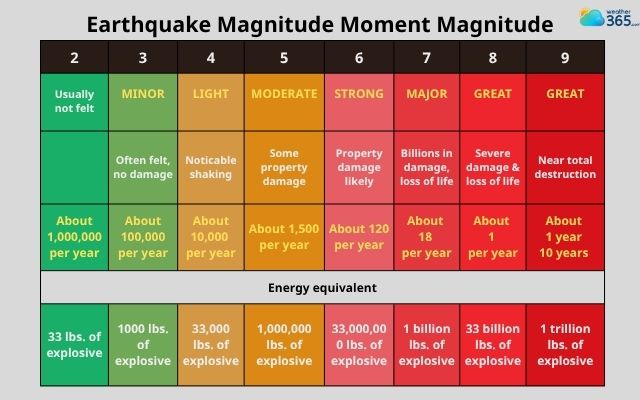
The Moment Magnitude Scale’s impact
Limitations
While the Moment Magnitude Scale is a significant advancement, it requires detailed data about the fault's characteristics, which may not always be available immediately after an earthquake.
Additionally, the calculation involves complex measurements that may not be feasible in real-time during an event.
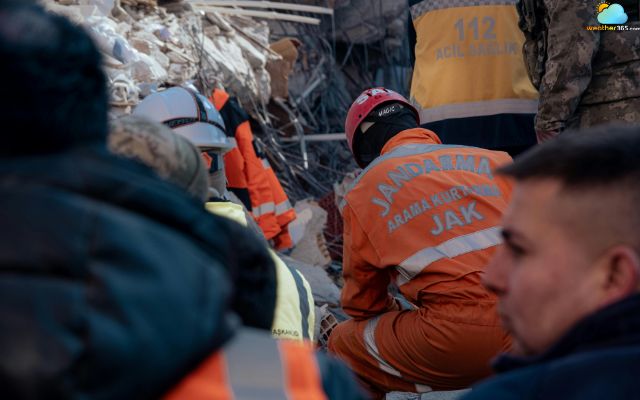
The Moment Magnitude Scale requires complex measurements
However, the Moment Magnitude Scale now is still the standard for reporting earthquake sizes.
It is widely used by seismologists and is the basis for earthquake magnitude values reported by organizations like the United States Geological Survey (USGS).
Today, magnitude scales help quantify energy release across fault zones, monitored alongside US seismic and weather data to deliver accurate hazard assessments.
The Mercalli Scale
The Mercalli Scale, developed in 1902 by Italian seismologist Giuseppe Mercalli, measures the intensity of an earthquake based on its observed effects on people, buildings, and the Earth's surface.
Unlike magnitude scales, which quantify the energy released by an earthquake, the Mercalli Scale focuses on the local impact experienced during the event.
What It Measures
The Mercalli Scale assigns a Roman numeral from I to XII to describe the severity of an earthquake's effects at specific locations.
These levels range from "Not felt" (I) to "Total destruction" (XII). The scale considers factors such as:
Human perception: How people feel the shaking.
Structural damage: The extent of damage to buildings and infrastructure.
Environmental effects: Changes to the landscape, like landslides or ground ruptures.
An earthquake with Intensity II is felt only by a few people at rest, with hanging objects possibly moving slightly, and no damage occurs.
In contrast, an earthquake of Intensity VIII produces considerable damage in ordinary buildings, with partial collapse of weak structures, cracks in walls, chimneys breaking, and the shaking is strongly felt by all people.
Intensity | Typical Damage / Effects |
I | Not felt except by very few under favorable conditions. No damage. |
II | Felt only by a few persons resting, especially on upper floors. No damage. |
III | Noticeable indoors, especially on upper floors. Hanging objects may swing. No structural damage. |
IV | Felt by many indoors, some outdoors. Windows, doors rattle; light objects move. |
V | Felt by nearly everyone. Some dishes or windows break. Unstable objects overturn. |
VI | Felt by all; many frightened. Heavy furniture may move. Some plaster falls. Slight damage to chimneys. |
VII | Slight to moderate damage to well-built structures; considerable damage to poorly built ones. Some walls or chimneys may crack or collapse. |
VIII | Considerable damage in ordinary buildings; partial collapse of weak structures. Heavy furniture overturned, walls crack, chimneys fall. (Review these urgent earthquake safety tips to stay safe during severe shaking) |
IX | Considerable damage even to well-built structures. Some buildings shift off foundations; ground cracks. |
X | Most masonry and frame structures destroyed. Ground heavily cracked. Landslides. Rails bent. |
XI | Few, if any, masonry structures remain standing. Widespread destruction, ground fissures, bridges destroyed. |
XII | Total destruction. Objects thrown into air. Ground waves form. Landscape altered. |
How It's Calculated
Unlike magnitude scales, the Mercalli Scale does not involve calculations but is based on empirical observations.
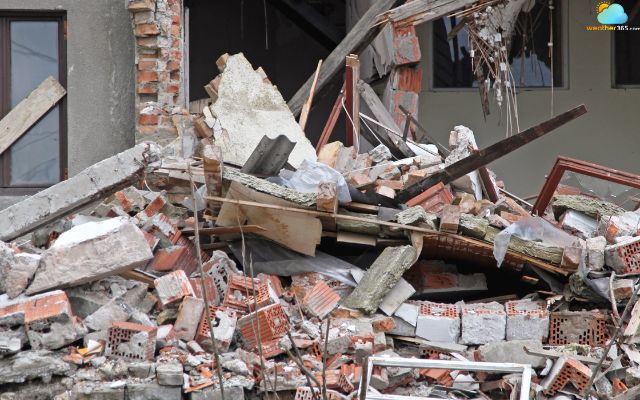
The Mercalli Scale needs observations to be calculated
The intensity is assessed through eyewitness reports, damage surveys, and field observations.
Seismologists compile this data to assign appropriate Mercalli intensity values to different areas affected by the earthquake.
This qualitative approach provides a detailed picture of the earthquake's impact on communities.
Limitations
The Mercalli Scale depends heavily on human perception and observation, which can vary between individuals and communities.
In addition, reporting delays and inconsistencies may affect accuracy.
Because it is subjective and location-specific, it is difficult to compare intensities across different earthquakes or regions, making it less suitable for scientific measurement of earthquake energy.
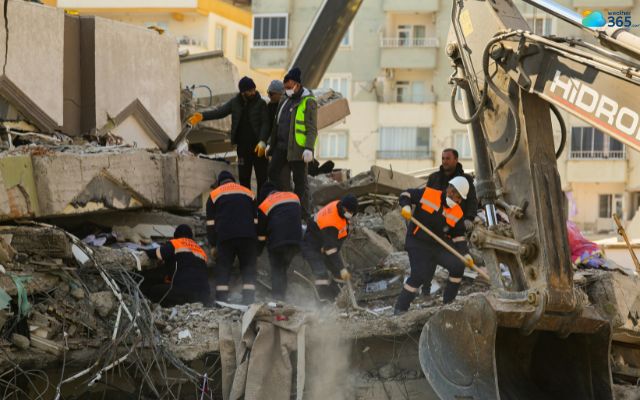
The Mercalli Scale depends heavily on observation
Difference among Mw, MMI, ML
Although all three earthquake magnitude scales are used to measure quakes, they do so in very different ways.
The main differences can be grouped by what they measure, scale type, accuracy, range of use, and focus on damage or energy.
What They Measure: Mw measures the total energy released by an earthquake. ML measures the amplitude of seismic waves. MMI measures the effects and damage felt at a location.
Scale Type: Mw and ML are logarithmic scales. MMI is an ordinal, subjective scale.
Accuracy: Mw is accurate for earthquakes of all sizes, especially large ones. ML becomes less accurate for large earthquakes due to saturation. MMI varies depending on local conditions and human observation.
Range of Use: Mw is used globally and for all magnitudes. ML is mostly historical or for smaller earthquakes. MMI is used locally to assess damage and human perception.
Focus: Mw and ML focus on physical measurements of the earthquake itself. MMI focuses on human and structural impact.
Feature | Moment Magnitude Scale (Mw) | Richter Scale (ML) | Modified Mercalli Intensity Scale (MMI) |
What It Measures | Total energy released (seismic moment) | Amplitude of seismic waves | Observed effects on people, buildings, environment |
Scale Type | Logarithmic | Logarithmic | Ordinal, subjective |
Accuracy | Accurate for all sizes, especially large quakes | Good for small–medium quakes; underestimates large ones | Variable; depends on local observation |
Range of Use | Global, all magnitudes | Mostly historical or small quakes | Local, site-specific effects |
Focus | Physical energy of earthquake | Physical wave amplitude | Human and structural impact |
Conclusion
The earthquake magnitude scale helps us make sense of quakes, from tiny shakes to big jolts. By looking at both the energy they release and the effects we actually feel, we can better understand earthquakes and stay safer when they happen. To check active seismic alerts or monitor weather conditions near you, access our Live Weather Radar.
Frequently Asked Questions (FAQs)
Related post
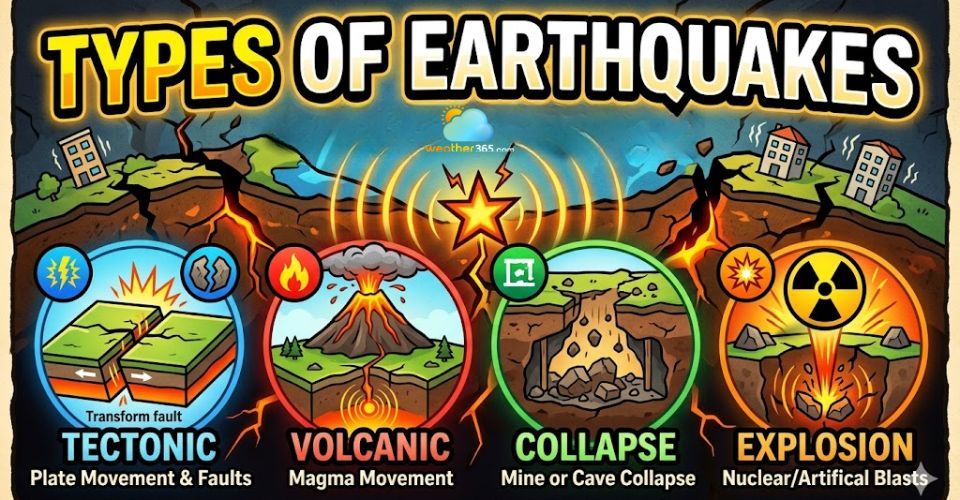
Types of Earthquake Explained: Discover How They Are Classified
 1529
1529
 8
8
 4.8
4.8
 18/08/2026

Difference Between Earthquake and Tremor: How To Distinguish Them?
1505
7
4.9
18/08/2026
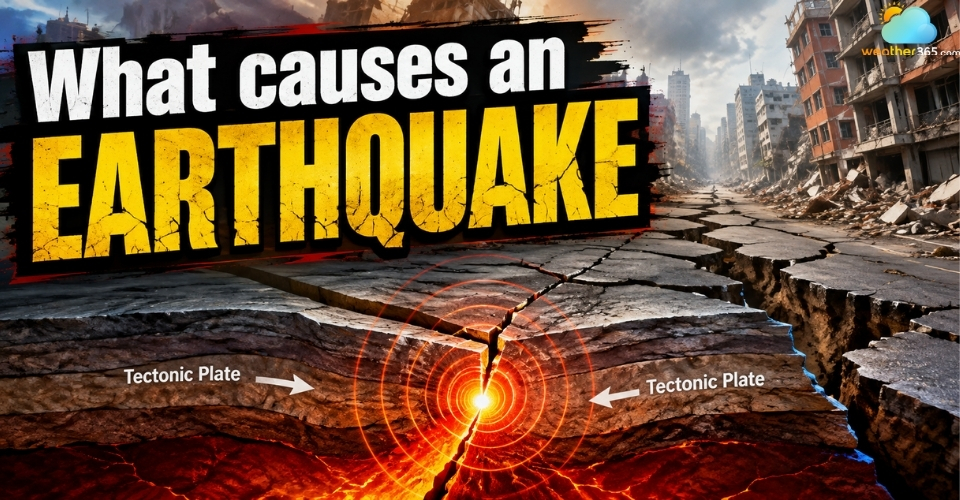
What Causes An Earthquake: Uncover the Science Behind Quakes
1381
8
4.6
18/08/2026

8 Comment
Connor Johnson
Can a magnitude 3 earthquake actually be felt?
weather365
Yes. According to the article, a magnitude 3.0 earthquake is generally noticeable, especially indoors, although it rarely causes damage. It can feel a bit like a light tremor or a truck passing by.
Benjamin Douglas
What’s the difference between magnitude and intensity? I’ve seen both mentioned in earthquake reports and always assumed they were the same thing.
weather365
Magnitude describes the size or energy released by the earthquake itself. Intensity describes how strong the shaking and damage are at a particular location, so one earthquake can have different intensity levels in different places.
Dylan Smith
So is a magnitude 6 earthquake always more destructive than a magnitude 5?
weather365
Not necessarily in terms of actual damage. Magnitude measures the earthquake itself, while the impact also depends on things like distance, local ground conditions, building quality, and where people are located.
Hugo Smith
Why do people still say “Richter scale” if scientists now use the Moment Magnitude Scale for big earthquakes?
weather365
Mostly because “Richter” became such a familiar term. The article explains that many news reports still use it casually, even when the reported value actually comes from the Moment Magnitude Scale.
Leave a comment
Your email address will not be published. Required fields are marked *