




What is A Haboob? Exploring the Science, Dangers, and Safety Measures


What is a Haboob? Have you ever wondered what it feels like when a towering wall of dust suddenly sweeps across the landscape? These powerful storms, known as haboobs, can transform daylight into darkness within minutes. In this article, we will explore how they form, where they strike, the dangers they pose, and how you can stay safe. Let’s explore!
For the broader phenomenon What is a dust storm

What is a haboob dust storm?
- What is a Haboob?
- How A Haboob Forms
- Thunderstorm Outflow
- Dust Lifting and Saltation
- Difference Between a Haboob and a Dust Storm
- Impacts of Haboobs
- Environmental Effects
- Health Risks
- Where Do Haboobs Most Likely Occur?
- Common conditions
- Common Regions/Areas
- How to Stay Safe During a Haboob
- At home
- If You’re Outdoors
- If You’re Driving
What is a Haboob?
A haboob is a large and intense dust storm that forms when powerful winds lift massive amounts of sand and soil into the atmosphere, creating a dramatic moving wall of dust.
The term haboob comes from the Arabic word “habb,” meaning “to blow,” describing the storm’s sudden and forceful nature.
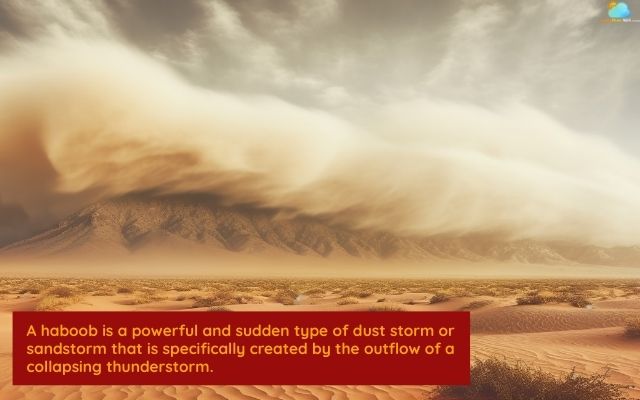
What is a haboob storm?
Key characteristics of a haboob include:
Towering height: Dust walls can rise as high as 5,000-8,000 feet (1.5-2.4 km) into the atmosphere.
Rapid movement: They often move quickly, sometimes overtaking highways or cities in minutes.
Drastic visibility drop: Visibility can fall to less than 300 feet (90 m) almost instantly, making driving extremely dangerous.
Short duration but high impact: A typical haboob lasts 10-30 minutes, but its aftermath, lingering dust and poor air quality, can persist for hours.
Widespread reach: While most common in arid regions such as the Sahara, Arabian Peninsula, and US Southwest, haboobs can strike any dry, dusty environment with thunderstorm activity.
How A Haboob Forms
Haboobs are usually triggered by the downdraft of a collapsing thunderstorm.
When rain-cooled air rushes downward and spreads across the desert floor, it picks up loose soil and launches it skyward.
This process creates an enormous wall of dust that can travel at speeds of 30-60 miles per hour (48-96 km/h) and extend for tens of miles across the landscape.
The storm wall can rise thousands of feet, moving fast enough to overtake vehicles and entire communities in minutes.
Thunderstorm Outflow
The starting point of a haboob is the outflow boundary of a thunderstorm. As rain-cooled air plunges from the storm cloud, it strikes the hot, dry ground with great force.
This downward burst, known as a downburst, spreads outward in all directions, much like water splashing when it hits a flat surface.
These winds often exceed 50-70 mph (80-113 km/h).
The force is strong enough to lift not just dust, but also lightweight debris.
The sharp temperature difference between the cool downdraft and hot desert air helps intensify the spreading winds.
This stage lays the foundation for the dust wall by providing the necessary wind energy to lift loose soil into the air.
(Also read: What causes thunderstorms?)
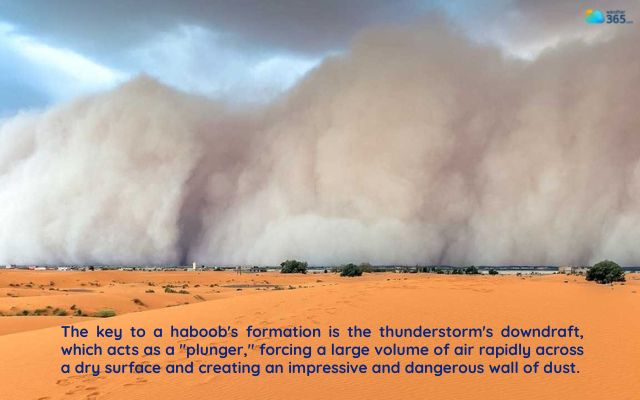
How A Haboob Forms
Dust Lifting and Saltation
Once the winds sweep across dry terrain, they begin the process of dust lifting. Small grains of sand and dust are lifted briefly into the air, then fall back to the ground, striking other particles.
This chain reaction, called saltation, causes more and more particles to bounce, collide, and rise into the atmosphere.
Fine dust particles remain suspended for long distances, forming the dense, brown curtain of a haboob.
Coarser sand grains travel closer to the ground, helping feed the storm front as it advances.
The result is a towering, opaque wall of dust that can reduce visibility to near zero in seconds.
Together, the violent thunderstorm outflow and the continuous process of dust lifting and saltation transform an ordinary desert storm into a full-scale haboob.
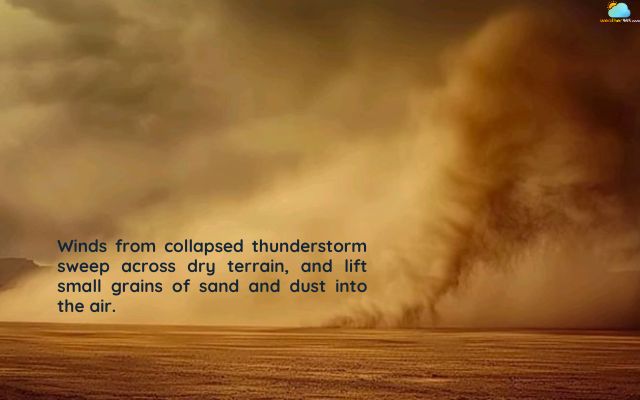
Thunderstorm’s winds lift dust into the air
Difference Between a Haboob and a Dust Storm
People often use ‘Haboob’ and ‘Dust storm’ interchangeably, yet they are not the same.
A haboob is a specific type of dust storm, formed under particular conditions.
In contrast, a dust storm is a much broader category. It refers to any strong wind that lifts dust and sand into the atmosphere, regardless of the weather system behind it.
Dust storms can be triggered by cold fronts, strong pressure gradients, or simply dry and windy conditions, not just thunderstorms.
They often spread dust over wide areas, but they do not always create the solid, towering wall that makes a haboob so distinctive.
Check out our full guide on What is a dust storm for more details.
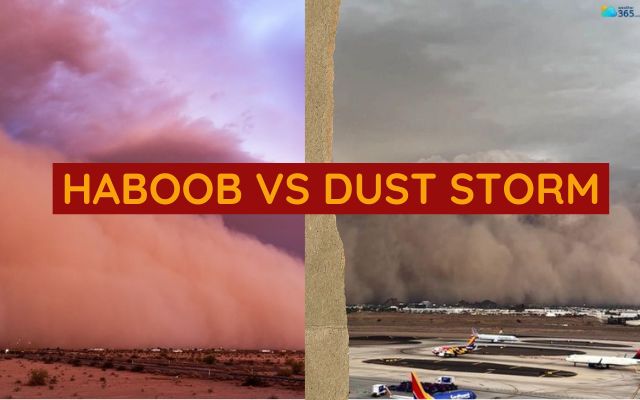
What is the difference between a haboob and a dust storm?
Feature | Haboob | Dust Storm |
Definition | A haboob is an intense wall of dust driven by the outflow of a collapsing thunderstorm. | A dust storm is a general term for strong winds lifting dust and sand into the atmosphere. |
Formation Trigger | Created by thunderstorm downdrafts and outflow boundaries. | Can be triggered by any strong wind (thunderstorms, frontal systems, pressure gradients). |
Appearance | Forms a towering solid wall of dust, often miles wide and thousands of feet tall. | Usually appears as blowing dust spread over a large area, not always forming a defined wall. |
Intensity | Short-lived but very intense, with winds up to 60 mph (96 km/h) or more. | Intensity varies widely; some are mild, others severe, but not always as sudden as haboobs. |
Regions | Common in desert and semi-arid climates: Arizona, Sahara, Middle East, and Australia. | Can occur in any dry, windy region, including farmlands and open plains. |
Visibility | Can reduce visibility to near zero within seconds, making travel extremely dangerous. | Visibility reduction is variable — sometimes mild, sometimes severe, depending on wind strength. |
Frequency | Less frequent, as they require specific thunderstorm conditions. | More common, as they can be caused by multiple weather patterns. |
Impacts of Haboobs
Haboobs are not only visually striking but also highly destructive.
A single large haboob can carry tens of thousands of tons of dust, affecting visibility, ecosystems, and air quality for communities far beyond the storm’s origin.
In the United States, dust storms, including haboobs, cause an estimated 7,000-10,000 road accidents annually, leading to hundreds of injuries and millions of dollars in damages.
Studies also show that dust events contribute to a 20–25% spike in respiratory-related hospital visits across the Southwest.
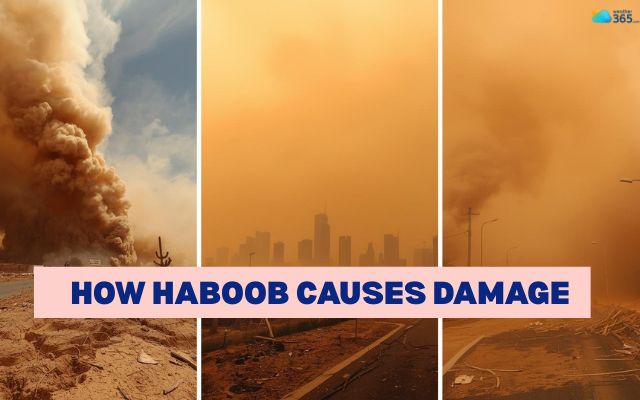
Impacts of Haboobs
Environmental Effects
Haboobs can reshape local landscapes and damage fragile ecosystems. When strong winds lift and transport massive amounts of dust, the effects go beyond temporary visibility loss.
Soil erosion and land degradation: Haboobs strip the topsoil of nutrients. In arid regions, this can reduce agricultural productivity and make recovery slow.
Air quality decline: Dust particles suspended in the atmosphere can linger for hours or even days. The US Environmental Protection Agency (EPA) has documented spikes in PM10 (particulate matter under 10 micrometers) that exceed safe air quality standards during haboob events.
Infrastructure damage: Dust can infiltrate machinery, clog air filters, and reduce efficiency in energy systems like solar panels. In some regions, power outages have been linked to dust accumulation on electrical infrastructure.
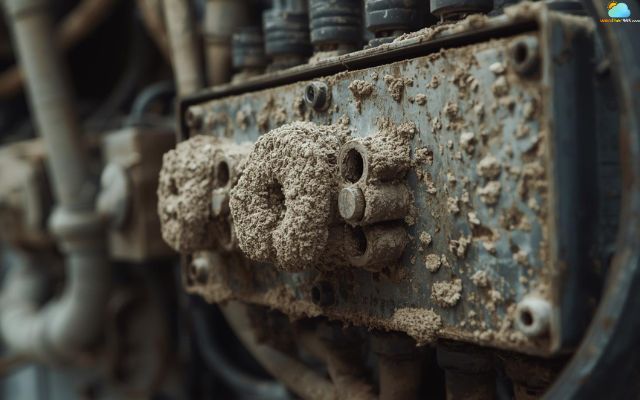
Dust accumulation on electrical infrastructure
Health Risks
The fine particles in haboobs pose serious risks to people, particularly vulnerable groups such as children, the elderly, and those with respiratory conditions.
Respiratory illnesses: Dust particles are small enough to penetrate deep into the lungs.
Valley Fever (coccidioidomycosis): In the American Southwest, haboobs can stir up fungal spores in the soil, spreading Valley Fever. Arizona reports thousands of cases annually, with spikes often linked to dust storms.
Eye and skin irritation: Exposure to blowing dust can cause temporary eye damage, conjunctivitis, and skin dryness.
Traffic accidents: Reduced visibility during a haboob often causes dangerous road conditions. The Arizona Department of Transportation documented multi-vehicle crashes involving dozens of cars during a 2011 haboob near Phoenix.

Dust from haboobs can cause respiratory illness
Where Do Haboobs Most Likely Occur?
Haboobs are strongly tied to specific regions and weather conditions. They concentrated in deserts and drylands where the right mix of thunderstorm winds and bare earth comes together.
Common conditions
Haboobs typically develop in regions where the environment makes dust and sand easy to lift and spread. The most common conditions include:
Dry, loose soil: When thunderstorms sweep across these areas, strong winds can easily pick up the fine soil and carry it into the air, forming massive dust walls.
Sparse vegetation: With little plant life to anchor the soil, the ground surface becomes highly vulnerable to erosion and dust storms.
Arid or semi-arid climate: Dry climates allow dust and sand to accumulate on the surface, creating the perfect setting for haboobs to form quickly and intensely.
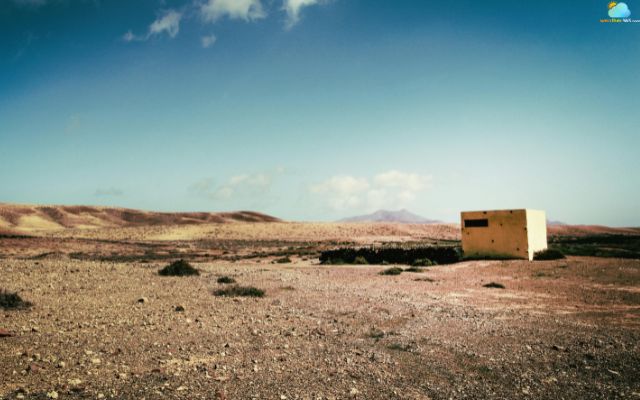
Dry and loose soil is easily lifted by wind
Common Regions/Areas
Because these dry, sparsely vegetated, and arid environments provide the perfect recipe for dust storms, only certain parts of the world experience haboobs regularly.
Let’s explore the regions where these dramatic weather events are most likely to strike:
Southwestern United States
In states like Arizona, New Mexico, and Texas, haboobs are most frequent during the summer monsoon season (June-September).
Phoenix, Arizona, is particularly known for massive haboobs that sweep through the city, sometimes stretching more than 50 miles wide.
These storms often catch drivers off guard, creating life-threatening conditions on highways.
For example, on July 5, 2011, Phoenix experienced one of its largest haboobs in recorded history.
The dust wall was about 100 miles wide and nearly a mile high, reducing visibility across the city to near zero within minutes and grounding flights at the airport.
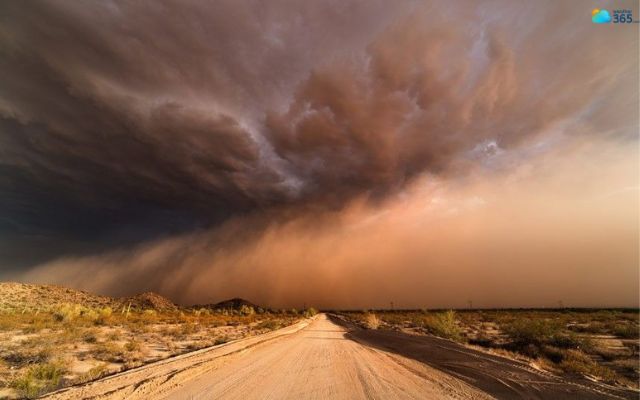
A haboob in Arizona
North Africa & the Middle East
The Sahara Desert, Sudan, and the Arabian Peninsula are among the most active haboob zones globally.
In these regions, powerful thunderstorms during the hot season frequently generate large-scale dust walls.
Haboobs here can last longer and cover larger areas compared to those in the United States, sometimes crossing country borders.
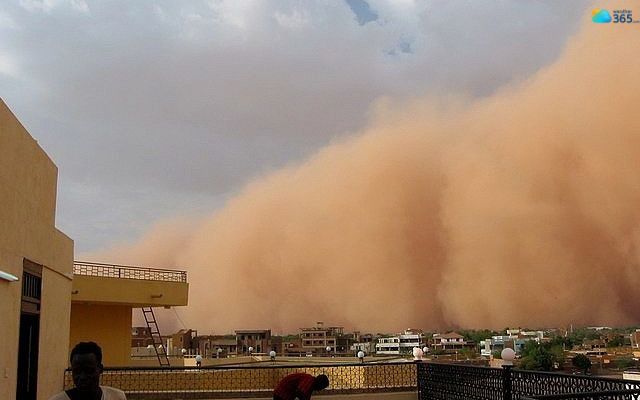
A haboob approaching Khartoum, Sudan in 2006
Australia
In arid and semi-arid regions of Australia, especially the outback, haboobs are triggered by summer thunderstorms.
Farmers and remote communities are most affected, as these storms can strip away fertile topsoil and reduce visibility to nearly zero.
While less frequent than in Africa or the US, Australian haboobs can still be severe and destructive.
A striking case occurred in January 2020, when a massive haboob rolled over the town of Narromine in New South Wales.
The dust storm was so intense that it completely blacked out the afternoon sky, creating conditions locals described as “apocalyptic.”
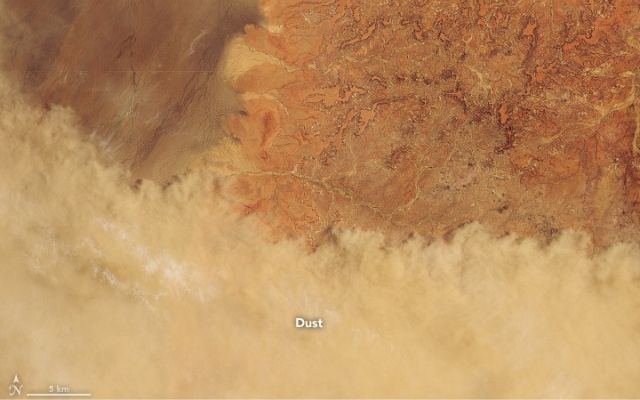
A haboob crossing Australia in January 2020
Source: Earth Observatory NASA
How to Stay Safe During a Haboob
Preparation and quick action can mean the difference between safety and serious risk when a wall of dust approaches.
Depending on where you are when the storm hits, here are key steps to take.
At home
Seal your living space: Close all windows, doors, and vents to prevent dust from entering. Fine particles can easily infiltrate, so even small gaps should be covered with towels or tape.
Protect indoor air: Use an air purifier with a HEPA filter if available, or run your HVAC system on recirculation mode to reduce exposure to airborne dust.
Emergency readiness: Keep essentials like bottled water, nonperishable food, flashlights, and medications within reach. Haboobs can sometimes disrupt the power or water supply.
Stay updated: Monitor local weather alerts through radio, apps, or NOAA warnings. Storms can last for hours and sometimes follow each other in quick succession.
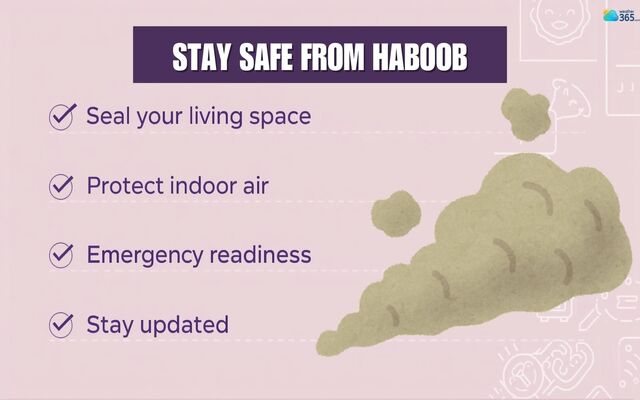
How to stay safe during a haboob at home
If You’re Outdoors
Find shelter immediately: Move indoors if possible. If no buildings are nearby, seek lower ground and avoid open fields where dust exposure is greatest.
Protect your breathing: Cover your nose and mouth with a cloth, scarf, or mask. Inhaling dust can trigger asthma attacks or other respiratory issues.
Protect your eyes: Wear goggles or tightly fitting glasses to shield against blowing sand and grit. Contact lens wearers should remove lenses beforehand if possible.
Avoid hazards: Stay away from construction sites, power lines, or trees that could be toppled by high winds.
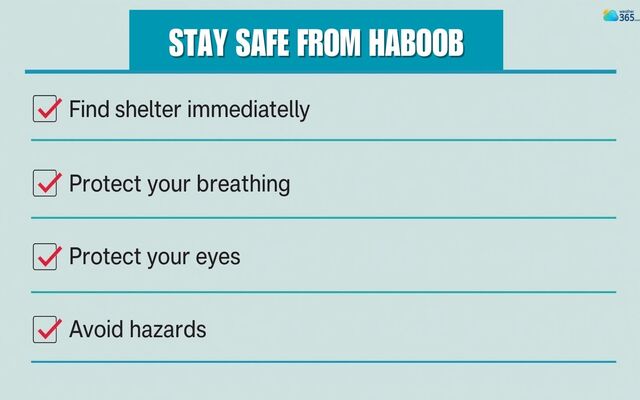
How to stay safe during a haboob outdoor
If You’re Driving
Do not try to outrun the storm: Haboobs often reduce visibility to near zero within seconds. Continuing to drive can put you and others at extreme risk.
Pull over safely: Move your vehicle completely off the roadway, set the parking brake, and turn off your headlights and taillights. This prevents other drivers from following your lights and colliding with your car.
Wait it out: Stay inside your vehicle with seatbelts fastened. Keep windows and vents closed until visibility improves. Most haboobs pass within 20–60 minutes.
Re-enter traffic cautiously: Once the storm has cleared, recheck your surroundings before pulling back onto the road. Watch for debris, stalled vehicles, or emergency responders.
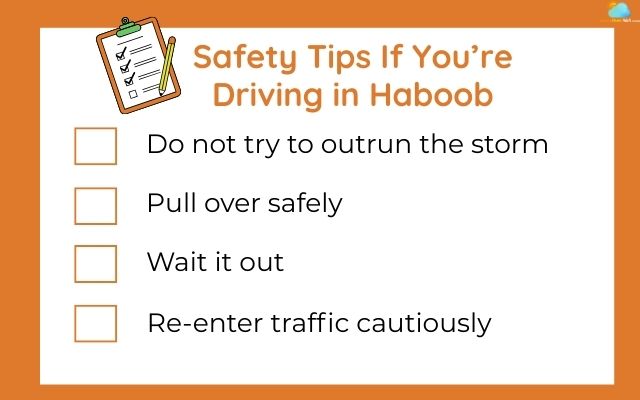
How to stay safe during a haboob if you’re driving
For a step-by-step driving checklist: What to do in a dust storm while driving
Conclusion
What is a haboob? Long story short, it is a huge wall of dust that can turn a calm day into chaos fast. Know the signs, have a simple plan, and you’ll be calmer if one rolls through. Stay safe, keep an eye on local alerts, and help others when it’s over.
Frequently Asked Questions (FAQs)
Related post
What is a Windstorm? An In Depth Look at High-Speed Winds
 1290
1290
 0
0
 4.7
4.7
 06/05/2026

What Is Derecho? Discover Definition, Causes, and Safety Tips
1276
0
4.7
06/05/2026

Vital High Winds Safety Tips: What to Do Before, During, and After
1261
0
4.6
06/05/2026

0 Comment
Leave a comment
Your email address will not be published. Required fields are marked *