




Vital High Winds Safety Tips: What to Do Before, During, and After


Are you looking for trusted high wind safety tips that could truly save lives? Here you’ll find expert advice on preparing your home, driving in strong gusts, staying safe outdoors, and recovering once winds subside. Scrolling down to discover! New to Windstorms?
Browse more Storm guides
Safety tips for high winds
Why High Winds Are So Dangerous?
High winds are powerful gusts that exceed normal breezes. They are capable of disrupting daily life and causing severe damage.
It is estimated that windstorms in the US cause about $2.5 billion in damage on average per year.
From 1980 to the present, the US has had over 323 weather and climate disaster events (each with losses greater than $1 billion) costing over $2.195 trillion in total, with winter storms and severe storms being among those major events.
Because of their intensity, high winds create multiple hazards that can threaten both safety and infrastructure:
Flying debris: Loose items such as branches, roof tiles, or outdoor furniture can become dangerous projectiles, causing injuries or property damage.
Falling trees and power lines: Strong gusts can uproot trees and knock down power lines, leading to accidents, fires, or extended power outages.
Structural damage: Roofs, fences, scaffolding, and temporary structures are especially vulnerable, increasing risks for anyone nearby.
Transportation hazards: high-profile vehicles like trucks, buses, and trailers can tip over, while drivers face reduced control and visibility.
Risk to people outdoors: Pedestrians may struggle to maintain balance, face flying debris, or be struck by falling objects.
Cascading impacts: Power loss, blocked roads, and weakened infrastructure can disrupt essential services and emergency response.

Why High Winds Are So Dangerous?
What to do before a high wind event
Preparation is the most effective way to reduce risks when strong winds are forecasted.
By acting early - before high winds turn into a windstorm - you not only protect your property but also ensure the safety of everyone in your household.
Below are essential steps to take before high winds strike:
Secure doors, windows, and roof: Fix loose shingles, shutters, or garage doors to reduce the chance of wind damage.
Bring in or tie down outdoor items: Move furniture, bins, and tools indoors, or anchor them firmly.
Stock emergency supplies: Keep food, water, flashlights, batteries, and a first-aid kit ready.
Charge phones and power banks: Ensure you can stay connected and receive emergency alerts.
Choose a safe room: Select an interior room without windows, ideally on the lowest floor.
Plan family communication: Set a meeting point and confirm how to reach each other if separated.
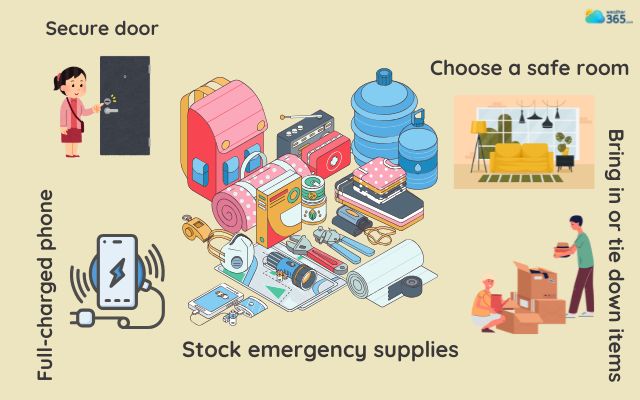
What to do before a high wind event
What to do during a high wind event
Once high winds arrive, your priority is to protect yourself and minimize exposure to hazards. Stay calm, and knowing what to do in the moment can prevent accidents and injuries.
Follow these essential steps during a high wind event:
Stay indoors: Keep away from windows, glass doors, and exterior walls where flying debris can cause injury.
Unplug electronics: Disconnect appliances and devices to avoid damage from sudden power surges.
Shelter in a safe room: Move to a central or lower-level room without windows.
If caught outside, take cover: Crouch low, protect your head, and move away from trees, signs, or anything that could topple.
Monitor weather alerts: Use a radio, phone, or emergency app to stay updated on changing conditions and official instructions.
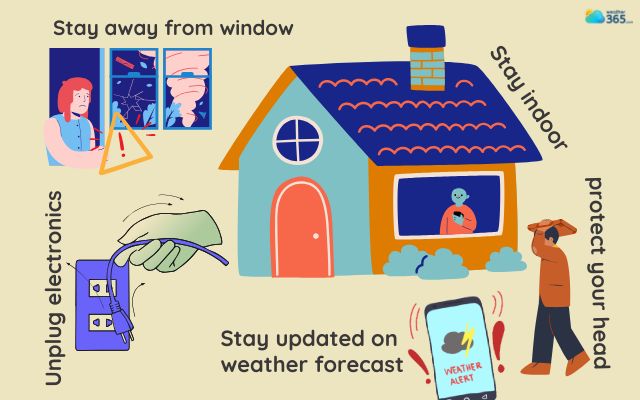
What to do during a high wind event
What to do after a high wind event
When the winds calm, the danger is not completely over. Damaged structures, fallen trees, and downed power lines can still cause accidents.
Moving carefully and following safety measures after the event is just as important as preparing before it. Here is what you should do:
Check surroundings cautiously: Look for loose debris, unstable walls, or hanging branches before walking outside.
Avoid fallen trees and power lines: Treat all downed wires as live and stay well away from them.
Stay clear of standing water: Flooded areas may conceal live electrical wires or sharp objects.
Assist neighbors if safe: Offer help to elderly or vulnerable individuals, but never put yourself at risk.
Document damage: Take photos of your home, car, or property for insurance purposes before starting any repairs.
Restock supplies: Replace food, water, and emergency gear so you’re ready if high winds strike again.
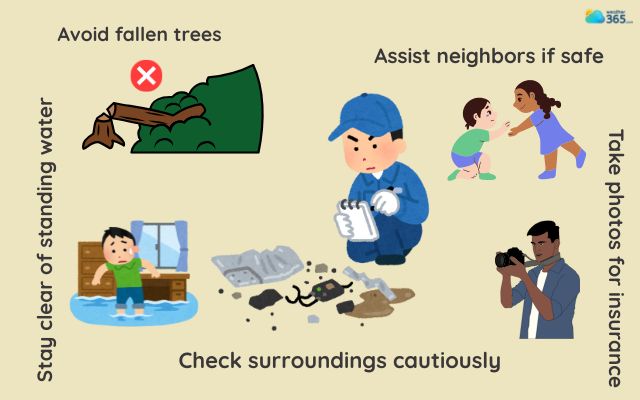
What to do after a high wind event
High Winds Safety Tips in Specific Situations
Preparation and recovery are crucial, but safety during high winds also depends on your location.
High winds create unique risks in every setting, so knowing how to act in each situation is key to staying safe.
Indoor
When indoors, your main goal is to stay protected from broken glass, falling objects, or structural damage.
Stay in a small, windowless room on the lowest floor if possible.
Close all doors and windows to reduce pressure inside the house.
Keep away from glass, chimneys, and heavy furniture that may tip over.
Have your emergency kit ready in case you need to move quickly.

High winds safety tips while being indoors
While being outside
If you’re caught outside, finding shelter immediately is your safest choice:
Move indoors or into a sturdy building as quickly as possible.
Avoid open fields, tall trees, or construction areas where debris may fly.
Protect your head and face with your arms if no shelter is nearby.
Stay clear of fences, scaffolding, or metal poles that may collapse.

Finding shelter while being outside in high winds
While driving
Driving in high winds is extremely risky because gusts can push vehicles off course.
(Also read: How to drive in high winds)
Slow down and keep a firm grip on the steering wheel.
Avoid driving next to large trucks or buses that can sway or tip.
Pull over safely if visibility is low or wind becomes unmanageable.
Never park under trees, power lines, or overpasses.
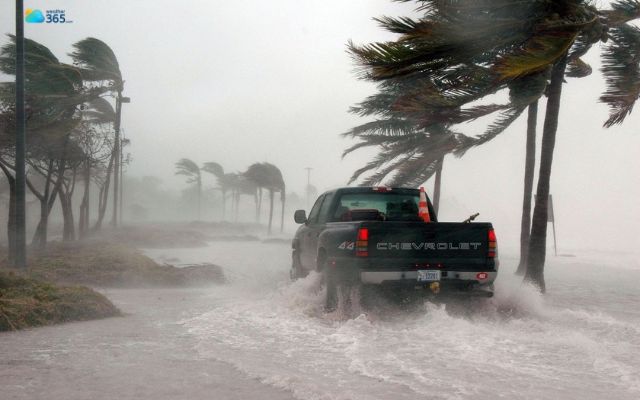
What to do if you’re driving in high winds?
Power Outage
High winds often bring down power lines, leading to blackouts. Staying safe means using alternative electricity wisely.
Use flashlights instead of candles to avoid fire risks.
Unplug electronics to prevent damage from power surges.
Keep refrigerators closed to preserve food longer.
Listen to battery-powered radios for official updates.
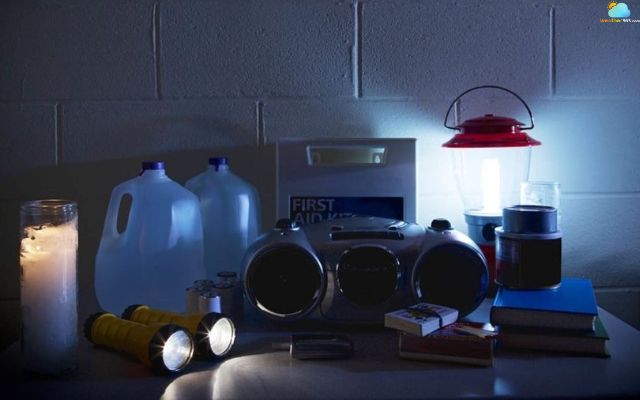
Use flashlights instead of candles to avoid fire risks
At the coast
Coastal areas are especially dangerous during strong winds because of waves and storm surges.
Stay away from beaches, piers, and seawalls where waves can sweep you away.
Avoid driving through coastal roads that may flood quickly.
Follow local evacuation orders without delay.
Stay tuned to weather alerts for tide and storm surge warnings.

How to stay safe at the coast during high winds?
Conclusion
High Winds Safety Tips are essential in a world where storms are becoming more frequent and severe. With the right preparation, quick actions during the event, and careful recovery afterward, you can stay safe and reduce damage. Safety begins with knowledge.
More: What is Derecho
Frequently Asked Questions (FAQs)
Related post
What is a Windstorm? An In Depth Look at High-Speed Winds
 1290
1290
 0
0
 4.7
4.7
 06/05/2026

How To Drive In High Winds? Dangers and Practical Steps to Stay Safe
1286
0
5.0
06/05/2026
High Wind Alerts: Different Alert Levels and How To Stay Safe
1273
0
5.0
17/08/2026

0 Comment
Leave a comment
Your email address will not be published. Required fields are marked *