




Miami Grand Prix start time moved up due to thunderstorm risk, F1 confirm


Formula 1 officials have made a proactive change to the schedule of the Miami Grand Prix, bringing Sunday’s race start forward in response to worsening weather forecasts. Instead of the originally planned 4 p.m. local time (9 p.m. BST), the race will now begin at 1 p.m. local time (6 p.m. BST).
The decision reflects growing concern over heavy thunderstorms expected to develop later in the afternoon around the Miami Gardens area, where the circuit at Hard Rock Stadium is located.
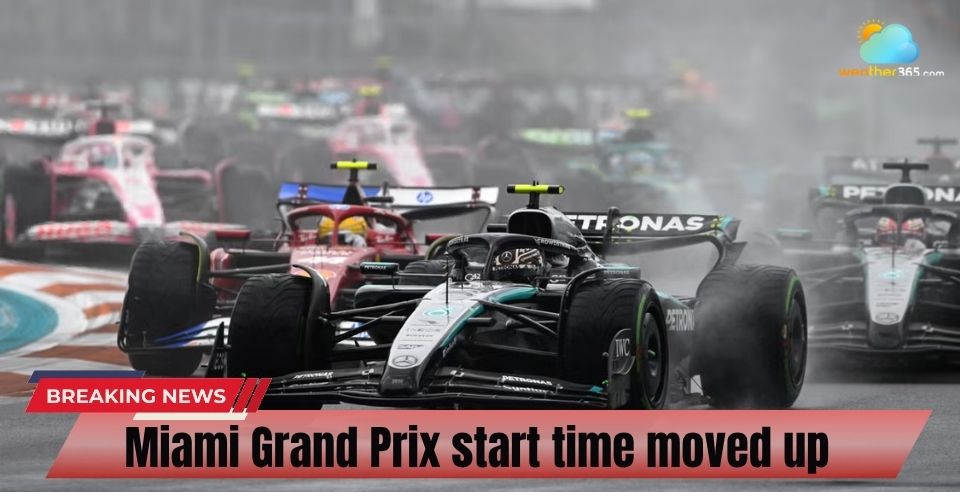
F1 confirm change the Miami Grand Prix start time
The adjustment comes after a weekend that initially appeared ideal for racing. Both Friday’s practice sessions and Saturday’s sprint-format action were held under clear skies and warm, sunny conditions.
However, meteorological updates late in the weekend indicated a sharp shift, with heavy rain, lightning, and gusty winds forecast to move in during the original race window.
Given how quickly Florida weather can change, especially in coastal regions, organizers acted early to avoid a last-minute disruption.
In a joint statement, Formula 1, the FIA, and the Miami Grand Prix organizers explained that the revised timing was chosen to “ensure the least amount of disruption” while maximizing the chances of completing the race under safer and more stable conditions.
Safety remains the top priority, particularly in motorsport, where wet weather can dramatically reduce visibility, compromise tire grip, and increase the likelihood of incidents on track.
By starting earlier, officials hope to take advantage of a narrower window of relatively calmer weather before the most severe storms arrive.
There are also logistical and legal factors influencing the decision. In the United States, strict safety regulations require large outdoor events to pause or shut down entirely if lightning is detected within a certain radius.
This can lead to mandatory evacuations of grandstands and fan zones, creating significant challenges for event organizers and potentially delaying or even suspending the race.
By moving the Miami grand prix to an earlier slot, officials aim to minimize the risk of such interruptions and avoid putting spectators in a difficult or unsafe situation.
Formula 1 has dealt with similar scenarios before, and recent history offers a clear precedent. During the 2024 São Paulo race weekend, qualifying at the Brazilian Grand Prix had to be postponed due to severe weather.
It was eventually held early on Sunday morning, followed by a rescheduled race start later that same day. That experience demonstrated the sport’s flexibility when dealing with unpredictable conditions and likely informed the decision-making process in Miami.
The 2026 Miami round also carries added significance within the broader championship calendar. It marks the fourth race of the season but arrives after an unusual five-week gap.
This extended break was caused by the cancellation of races in Bahrain and Saudi Arabia due to ongoing geopolitical tensions in the Gulf region.
As a result, teams and drivers are eager to regain momentum, making it even more important that the event runs as smoothly as possible.
Adding another layer of complexity, the Miami Grand Prix is part of a sprint race weekend. That format condenses the schedule, featuring just one 90-minute practice session on Friday before competitive running begins with sprint qualifying.
Drivers then compete in a shorter sprint race on Saturday, which helps determine the grid for Sunday’s main event.
With less practice time available, teams have fewer opportunities to fine-tune car setups, meaning changing weather conditions can have an even greater impact on performance and strategy.
Rain, while challenging, can also make for some of the most memorable races in Formula 1. Teams must quickly adapt their tire choices, pit stop timing, and overall race approach, while drivers rely heavily on skill and precision to navigate slippery conditions.
If the weather does play a role despite the schedule change, fans could be in for an unpredictable and exciting contest.
Ultimately, the decision to move the race start underscores Formula 1’s commitment to balancing spectacle with safety. By acting ahead of time, organizers hope to preserve the integrity of the event while ensuring that drivers, teams, and fans can experience the Miami Grand Prix under the best possible circumstances.
Related post

Intense Storm Damage in Missouri After Severe Storms with Heavy Rain
 196
196
 8
8
 4.7
4.7
 28/04/2026

Tornado in Texas: Severe Storm Outbreak Reaches Dangerous Peak
196
8
4.7
29/04/2026
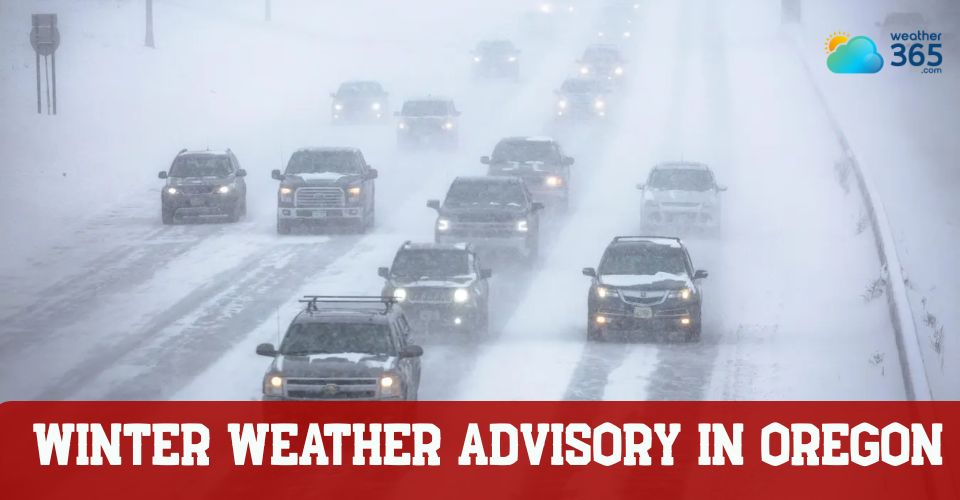
Winter weather advisory in Oregon on Wed - possibly 8 inches of snow
110
8
4.9
22/04/2026

8 Comment
Melanie Evans
Does rain always make an F1 race more exciting?
weather365
Not necessarily, but wet conditions can significantly change tire choice, grip, braking, and driving conditions. The 2026 Miami forecast even prompted additional wet-weather considerations for teams.
Amira Allen
Why is lightning such a big concern at an outdoor race?
weather365
Lightning creates a safety risk for drivers, fans, and staff. During the 2026 Miami GP, lightning within a certain radius would have required the event to stop and people to seek shelter.
Harley Bennet
Can rain actually change the Miami GP schedule?
weather365
Yes. Storms and lightning can affect the timing of the event. In 2026, the Miami GP start was moved earlier because heavier storms were expected later in the afternoon.
Leia Patterson
How much can hot weather affect an F1 race?
weather365
High temperatures can put extra stress on the cars, tires, and drivers. Track temperatures can also become much higher than the air temperature.
Leave a comment
Your email address will not be published. Required fields are marked *